
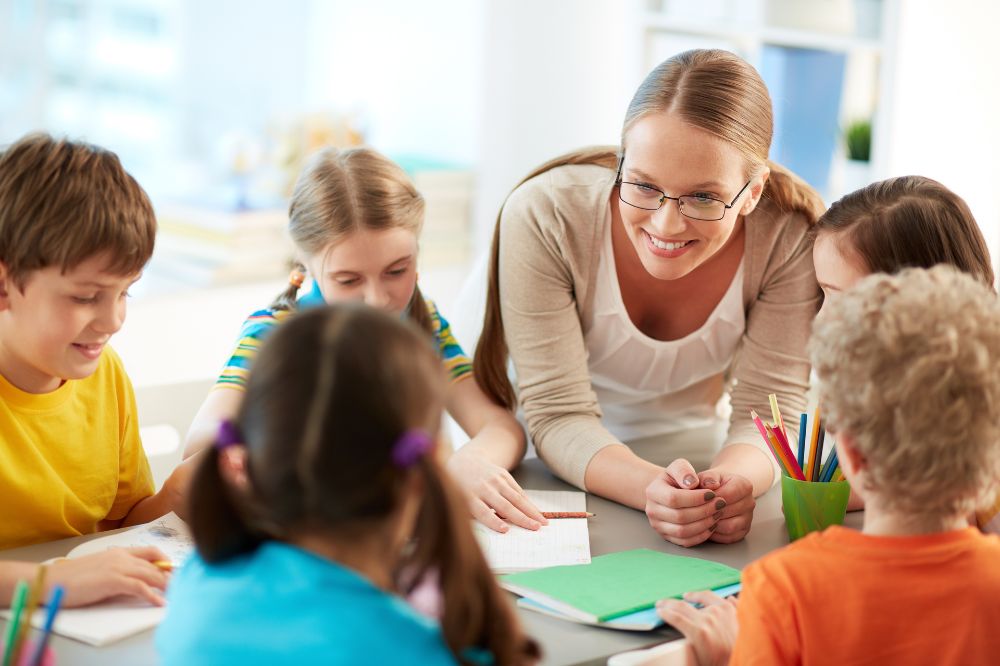
In today’s educational system, especially elementary school teachers understand the importance of approaching children as a mini-society. Yes, teaching basic knowledge is still the primary goal of school. But adding organization, discipline and developing responsibility in children will help them grow into not only good students but also good people.
The classroom is a model of society: children interact with each other, learn to complete assigned tasks, take responsibility for their actions, and try out different roles. How can classroom jobs effectively foster healthy habits and relationships in children?
What Are Classroom Jobs and Why They Matter
Classroom jobs are small roles and responsibilities for children: the teacher assigns them among the class and rotates them from time to time. These are typically small but regular “household” tasks: children water flowers, care for a pet, keep the board clean, and are responsible for tidying the classroom at the end of the school day. Teachers model these themselves because it’s important to find an approach to each child and develop their strengths.
Essentially, these are micro-vocational orientation processes within the classroom: they are primarily needed to help children demonstrate initiative, understand time management, get used to new routines, and see themselves as part of society.
Real-World Skills Students Learn Through Classroom Jobs
There are many options for classroom chores, from the most basic (watering flowers, supervising the class) to advanced (organization, technical support, leadership) – each teacher chooses and invents new roles. When looking for teaching jobs, it helps to step back and ask, what does a teacher do? – especially in the context of soft-skill development, as outlined in job aggregator requirements. It’s important to maintain balance and structure within your small team.
Depending on the tasks you choose, children acquire the following skills:
- Conflict resolution. When children receive their first “adult” tasks, they begin to act more like adults: they learn to communicate with each other and resolve conflicts. You may notice how their dialogues slowly become more focused.
- Collaboration. Whether it’s switching roles, helping a classmate with cleaning, or offering suggestions, children always show themselves in a positive atmosphere. And when the class forms a team where they get each other’s backs, this instills an understanding of how the group should look for them.
- Emotional intelligence. A point arising from collaboration. It’s important that you tell the child the main purpose of their work: so that others can benefit from it and so that they can see the results of others’ efforts. The student will see how the entire class, including themselves, works toward a common goal.
- Accountability. School already teaches children to complete tasks, sometimes without even asking them to consider the deeper meanings. But everyday and organizational issues make you see results immediately: a clean classroom means more concentration, and a well-organized lesson means they’ll understand the subject better and faster. When a student understands the meaning of their actions, they will begin to apply it to other tasks.
Indeed, the soft skills acquired at school are difficult to overestimate. They form our core values and guidelines. Children who are included in school life perform better in a team setting in the workplace: this is because it is ingrained in them from an early age.
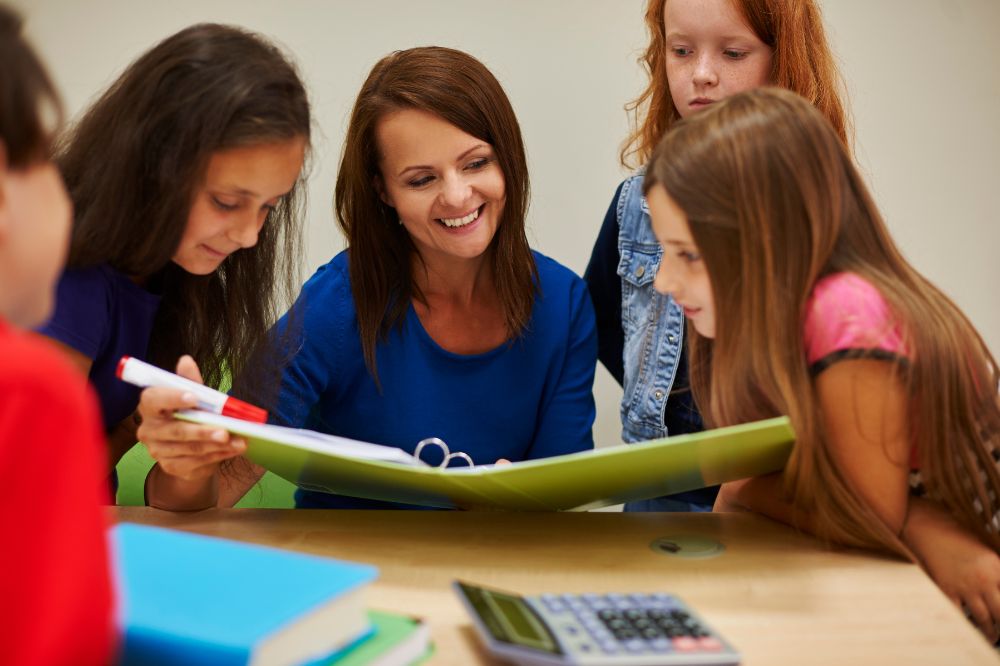
Examples of Classroom Jobs That Build Career Skills
Schools don’t have a fixed list of tasks for children: some teachers don’t practice this at all, while others are truly creative, coming up with new roles for every child. Most often, students have jobs that fall into the following categories:
- Organizational Roles. These students distribute notebooks and assignments, walk first in line and lead students down the hallway, help the teacher organize the classroom during evacuation drills, or are responsible for school supplies.
- Responsibility & Care Roles. Depending on whether there are plants or animals in the classroom, these students care for them, are responsible for sorting trash, and maintain the bookshelves.
- Leadership & Communication Roles. It’s up to you: you can assign students responsibility for small documents, the daily news, the projector, and minor technical tasks.
When introducing such practices to a group of elementary school students, remember to rotate the roles periodically. As a teacher, your responsibility is to understand your students’ strengths and identify where each of them can thrive. This will help them complete their small tasks more effectively, and you will inspire them and help them discover their talents.
Connecting Classroom Jobs to Future Careers
Of course, it’s too early to conduct career guidance based on classroom jobs: immature minds are not ready for such responsibility. However, it’s important to observe and draw conclusions. Students who develop soft skills and demonstrate good results in a particular area are a signal for the teacher. Share information about their strengths and weaknesses with their parents and try to increase the number of assignments.
Classroom jobs have a positive impact on their careers: children learn to behave in a group, work as links in a shared chain, communicate, and, most importantly, recognize their own importance. They know for a fact that they make a difference, and this can help them avoid impostor syndrome in the future.
Final Thoughts: Classroom Jobs as Early Career Education
School is often perceived as a mix of academic preparation and discipline. But a teacher is first and foremost a psychologist: that’s why school education differs from university. Children develop the same skills they’ll later need in the workplace. Small responsibilities turn into big skills. And big skills into a confident career start.
