
Education plays a vital role in preparing students for life beyond the classroom. While academic knowledge remains important, students also need practical skills that help them navigate challenges, make informed decisions, and adapt to changing circumstances. Among these essential abilities, problem-solving stands out as one of the most valuable. It enables students to analyze situations, evaluate options, and develop effective solutions in both academic and personal settings.
Modern education increasingly focuses on helping students become active thinkers rather than passive learners. As information becomes more accessible, the ability to assess situations, think critically, and make sound judgments has grown in importance. Problem-solving skills support this goal by encouraging students to engage with challenges in meaningful ways and develop confidence in their decision-making abilities.
How Problem-Solving Skills Support Academic Success
Strong problem-solving skills help students achieve greater success across all academic subjects. When students learn how to analyze information and think critically, they gain a deeper understanding of what they are studying. Instead of focusing solely on memorization, they learn to connect ideas, identify patterns, and apply concepts to new situations. As they become more comfortable evaluating information and exploring different approaches, they develop the confidence to tackle increasingly complex academic challenges. This process often leads to improved performance on assignments, projects, and assessments.
The value of problem-solving extends beyond academic coursework and influences how students respond to everyday challenges at school. Whether they are working on group projects, navigating peer relationships, or making important decisions, students benefit from the ability to assess situations carefully and consider the potential outcomes of their actions. Developing these abilities requires consistent practice in a variety of settings. For this reason, conflict resolution training for schools can provide students with practical opportunities to strengthen the skills needed to approach challenges thoughtfully and responsibly. By teaching students how to evaluate disagreements, understand different perspectives, and work toward constructive solutions, these programs reinforce habits that contribute to both personal development and academic success. As students become more skilled at approaching challenges thoughtfully, they gain greater confidence in their abilities and take a more active role in their learning journey.
Building Confidence and Resilience Through Problem-Solving
Students naturally face challenges throughout their educational experience. Some obstacles may involve academic tasks, while others relate to social interactions or extracurricular activities. When students successfully work through these situations, they gain confidence in their ability to handle future difficulties. Each solved problem reinforces the belief that challenges can be managed through effort, thoughtful planning, and persistence.
Problem-solving also helps students develop resilience. Rather than viewing mistakes as failures, they begin to see them as opportunities to learn and improve. This mindset encourages them to remain motivated when faced with setbacks and to continue searching for solutions even when progress feels difficult.
Preparing Students for Real-World Challenges
Students face a variety of situations that require thoughtful decision-making long after they leave school. Whether managing responsibilities, navigating workplace expectations, or handling personal matters, they benefit from knowing how to assess problems and identify practical solutions. Problem-solving skills help students approach unfamiliar situations with greater confidence and clarity.
Employers consistently value candidates who can think critically and resolve challenges independently. Many careers require employees to analyze information, collaborate with others, and make informed choices under pressure. By developing these abilities early, students gain skills that remain useful throughout their professional and personal lives.
Encouraging Collaboration and Communication
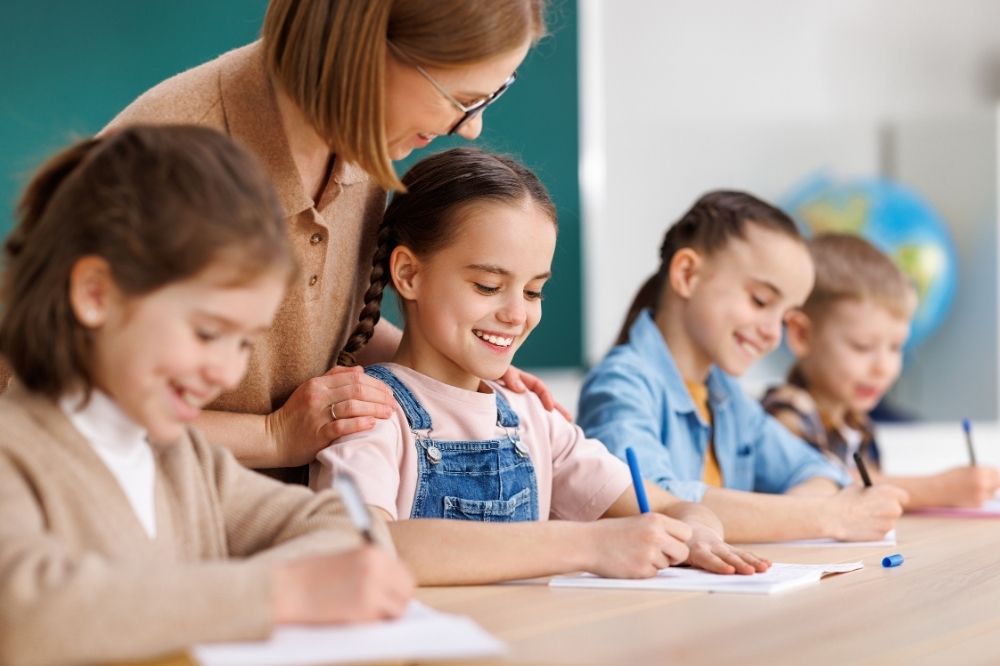
Many educational activities involve teamwork, making collaboration an important part of the learning process. When students work together to solve problems, they learn how to listen to different viewpoints, share ideas effectively, and reach common goals. These experiences strengthen communication skills while helping students understand the value of cooperation.
Collaborative learning also teaches students how to manage disagreements respectfully and contribute to group success. Through discussions and shared decision-making, they become more comfortable expressing their thoughts and considering alternative perspectives.
Fostering Creativity and Innovation
Problem-solving encourages students to move beyond standard answers and explore different possibilities. Instead of relying on a single approach, they learn to evaluate multiple solutions and determine which option works best. This process supports creative thinking and helps students become more adaptable when facing new challenges.
Teachers can strengthen creativity by presenting open-ended questions and real-world scenarios. Activities designed as engaging boredom busters often encourage students to think independently while maintaining their interest in learning. As students practice generating ideas and testing solutions, they develop innovative thinking skills that support success across many areas of life.
Developing Lifelong Learners Through Problem-Solving
Problem-solving skills play a critical role in helping students succeed both inside and outside the classroom. They support academic achievement, strengthen confidence, encourage collaboration, and prepare students for future challenges. These benefits extend far beyond school and continue to influence personal and professional development throughout life.
As educational priorities continue to evolve, teaching students how to think critically and respond effectively to challenges remains essential. Schools that emphasize problem-solving help learners become adaptable, responsible, and capable individuals who are prepared to navigate an increasingly complex world.
