
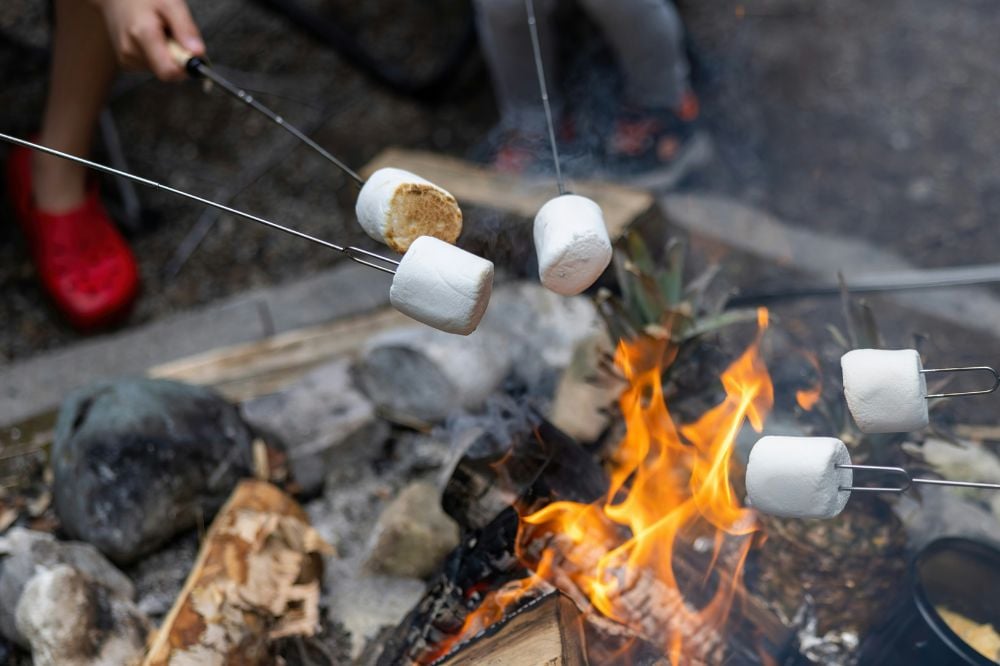
Turning campfire cooking into an unforgettable experience for all ages is about more than preparing food over an open flame. In Tennessee, where wooded landscapes and cool evenings naturally draw people together outdoors, the campfire becomes a welcoming center for connection. It invites everyone to slow down, gather close, and share in a simple experience that feels both grounding and joyful.
The warmth of the fire, the aroma of food, and the shared anticipation of a meal transform cooking into a meaningful moment that brings children, adults, and elders together, creating memories that last long after the flames fade.
Introducing Campfire Cooking Through Familiar Favorites
One of the easiest ways to engage all age groups is by starting with familiar and comforting campfire dishes. Foods like toasted bread with simple spreads, roasted vegetables, and skewered snacks instantly feel approachable. These early dishes help everyone feel confident around the fire. When people recognize what they are cooking, they are more likely to participate. This sense of familiarity sets the stage for deeper involvement and opens the door to trying new campfire meals together.
Learning how to make s’mores at campfire often becomes the highlight of the first evening, especially during relaxed nights spent outdoors in Tennessee. Blending melted chocolate, warm marshmallows, and crisp crackers into a shared treat feels celebratory and nostalgic. This moment is not just about dessert. It introduces the rhythm of campfire cooking, teaching patience, timing, and teamwork in a way that feels playful and rewarding.
Creating a Safe and Comfortable Cooking Environment
A successful campfire cooking experience begins with a space where everyone feels secure. Clear guidance around the fire helps prevent hesitation, especially for younger participants. Simple rules, such as where to stand and how to handle cooking tools, build confidence.
When people feel safe, they are more willing to help stir a pot of soup, turn skewers of vegetables, or monitor a pan of warming beans. Comfort and safety allow the group to focus on enjoying the process rather than worrying about mistakes.
Choosing Dishes That Encourage Hands-On Involvement
The most memorable campfire dishes are those that invite participation at every stage. Foil-wrapped meals filled with vegetables and seasoned ingredients allow each person to customize their own portion.
Skewered foods such as bread cubes, fruit, or vegetables encourage creativity and shared responsibility. Simple one-pot meals like hearty stews or warm chili give everyone a role, whether it is adding ingredients, stirring slowly, or watching the fire. These dishes transform cooking into a group activity where every contribution matters.
Teaching Skills Through Shared Cooking Moments
Campfire cooking creates natural opportunities for learning. Children discover how heat changes food as they watch dough turn golden or vegetables soften. Adults refine their sense of timing while managing multiple dishes over a single fire.
Elders often share tips passed down through experience, such as how to judge when food is ready by smell or sound. Preparing dishes like pan-cooked flatbreads or roasted potatoes becomes a quiet lesson in patience and observation, absorbed through shared effort rather than instruction.
Balancing Simplicity and Creativity
Campfire dishes shine when they remain simple yet flexible. A basic pot of rice can be transformed with added vegetables or herbs. A plain grilled vegetable can be seasoned differently by each person. This balance encourages creativity without overwhelming anyone.
The focus remains on enjoying the process and experimenting together. When expectations stay relaxed, even imperfect results become part of the fun, often leading to laughter and storytelling around the fire. These shared experiments help build confidence in cooking outdoors.
Building Traditions Through Repeated Meals
Repeating certain campfire dishes helps build traditions that people look forward to. Preparing the same warm soup on the first night or sharing a familiar dessert creates a sense of continuity. Over time, these meals become associated with togetherness and comfort. People remember not just the flavors but the feeling of sitting close, waiting for food to cook, and sharing stories. These traditions give campfire cooking its emotional depth and lasting appeal.
That’s not all. These repeated meals also provide a sense of anticipation, as everyone knows what comforting dish awaits them. Familiar recipes reduce stress and allow more focus on connection rather than preparation. With each gathering, the tradition grows stronger, becoming a shared experience that naturally brings people together.
Encouraging Conversation While Cooking
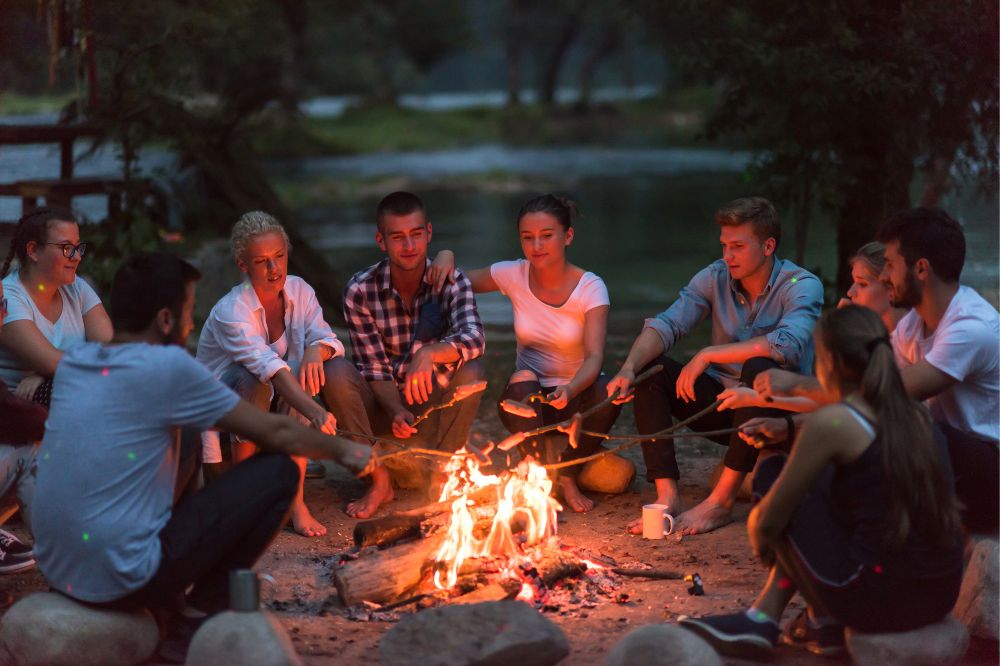
Campfire dishes often require slow cooking, which naturally encourages conversation. As a pot simmers or skewers roast, people have time to talk, listen, and reflect. Children share their observations, adults discuss ideas, and elders recount memories connected to food and family.
Cooking dishes like roasted corn or warm vegetable mixes becomes the backdrop for meaningful dialogue. The steady presence of the fire helps people stay present, allowing discussions to unfold without rush. These moments of shared conversation often become just as memorable as the food itself.
Adapting Dishes for Different Ages and Abilities
An inclusive campfire experience considers everyone’s abilities. Some may enjoy preparing ingredients, others prefer monitoring cooking times, while some simply enjoy tasting and offering feedback.
Dishes that allow for varied roles ensure inclusion. For example, assembling ingredients for foil-wrapped meals or stirring a shared pot allows participation without pressure. Valuing each contribution strengthens the group dynamic and ensures that no one feels excluded.
Ending the Experience With Shared Appreciation
As the evening winds down and the fire settles, sharing the final dishes together brings a sense of completion. Warm drinks or simple baked treats offer a gentle close to the experience. Taking a moment to appreciate the shared effort reinforces the connection formed around the fire. These quiet moments often leave the strongest impressions, reminding everyone that campfire cooking is about togetherness as much as food.
Turning campfire cooking into an unforgettable experience for all ages comes from intention, simplicity, and inclusion. By choosing approachable dishes, encouraging participation, and allowing time for conversation, the campfire becomes a place of connection. Each shared meal adds another layer to the memory, ensuring that the warmth of the experience lasts long after the fire has faded.
