
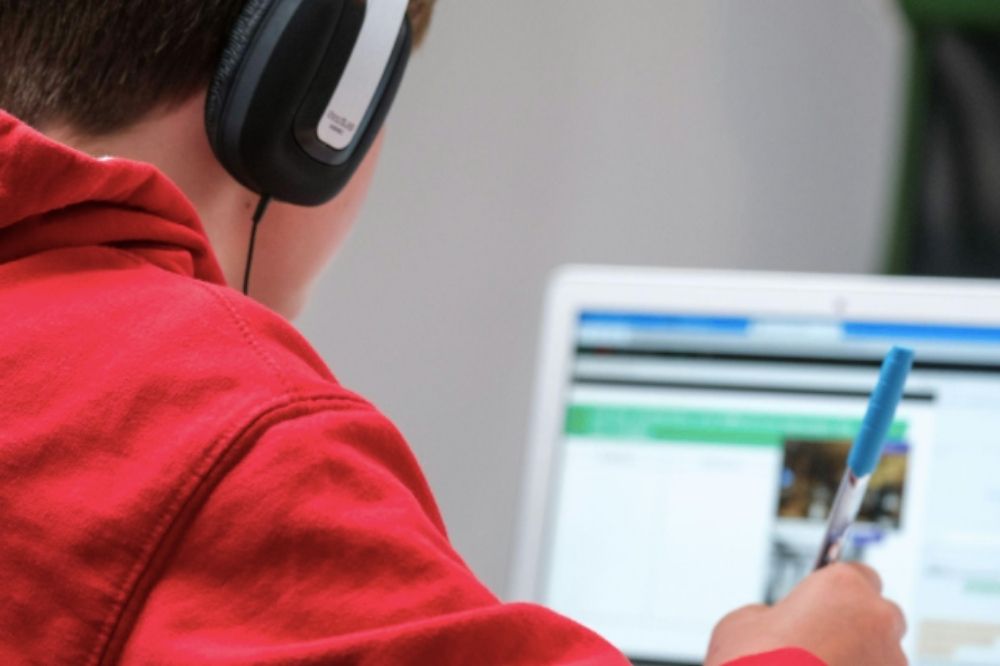
Whether children learn through homeschooling, online classes, or a combination of both, one challenge quickly becomes familiar: keeping learning materials organized. A lesson that should last twenty minutes can easily stretch much longer if everyone is searching for notebooks, chargers, pencils, headphones, or yesterday’s worksheet. More often than not, the biggest obstacle isn’t the curriculum, it’s the lack of an organized system.
An effective learning space doesn’t have to be a dedicated classroom filled with expensive furniture. Many families successfully learn around the kitchen table, in a spare room, or in a shared family space. What matters is creating routines and storage systems that make supplies easy to find, easy to use, and easy to put away at the end of the day. When children spend less time looking for materials, they have more energy to focus on learning itself.
Build a Learning Space That Supports Daily Routines
A productive learning environment starts with organization rather than decoration. Instead of keeping school supplies scattered throughout the house, create one central area where everyday materials remain together. Books, notebooks, pencils, art supplies, calculators, chargers, and headphones should all have permanent locations so children know exactly where to find them every morning.
Families looking after hard-surface flooring in busy learning spaces often explore SweepScrub while researching practical ways to maintain laminate and other frequently used floors. Clean, organized surroundings naturally make study areas feel more comfortable while helping preserve the surfaces that experience constant daily activity. Simple habits such as keeping drinks in designated areas, wiping up spills immediately, and encouraging children to tidy their workspace before finishing each lesson also make a noticeable difference over time.
A learning area doesn’t need to be perfect, it simply needs to remain functional every day.
Keep Extra Supplies Out of the Learning Area
One of the easiest ways to reduce clutter is separating everyday learning materials from items that are only used occasionally. Current textbooks, writing supplies, tablets, and active workbooks should remain within easy reach, while completed assignments, seasonal projects, spare stationery, and additional curriculum resources can be stored elsewhere.
Parents exploring practical organization ideas often turn to Wheekeep when considering storage solutions for household belongings, seasonal equipment, or educational materials that don’t need to occupy valuable everyday space. Keeping surplus supplies organized outside the primary learning area creates a calmer environment while making it much easier for children to stay focused on the task directly in front of them.
Less visual clutter often leads to fewer distractions and smoother lessons.
Create Systems Children Can Maintain Themselves
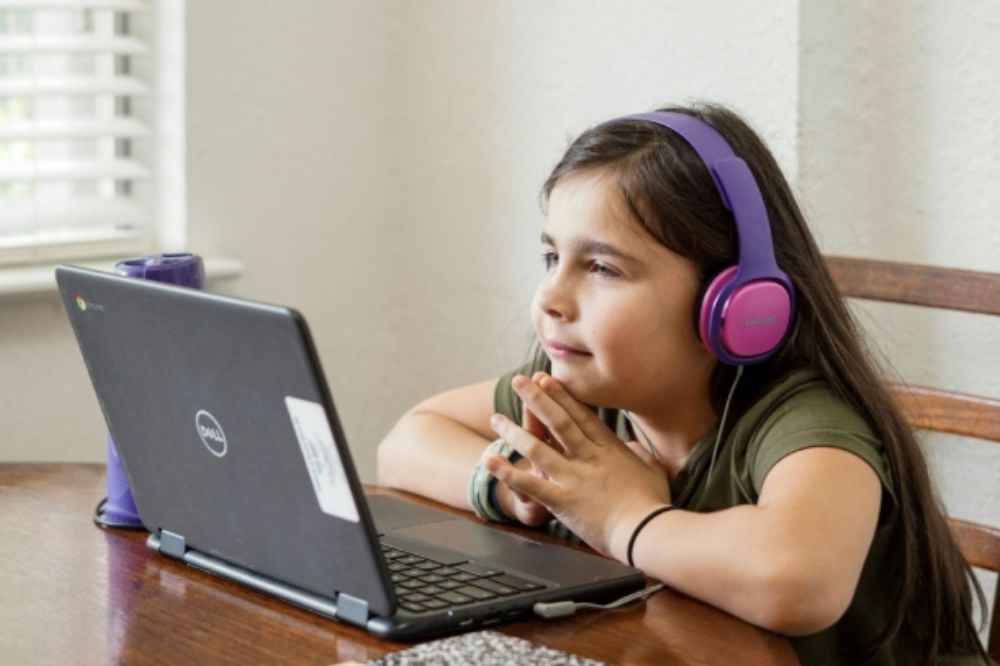
The most effective organizational systems are the ones children can use independently. Labeling baskets, using color-coded folders, assigning individual storage bins, and keeping frequently used supplies within easy reach encourages children to take responsibility for their own learning materials.
Younger children can learn to return pencils, crayons, and books to the correct containers after each lesson, while older students can organize assignments, prepare materials for the following day, and keep track of completed work. These small daily responsibilities gradually build organizational habits that extend beyond schoolwork into other areas of life.
Simple systems almost always outperform complicated ones because they’re much easier to maintain consistently.
Finish Every Day With a Quick Reset
Many families discover that spending just a few minutes organizing at the end of each learning day prevents larger problems from developing later. Returning books to shelves, charging devices, sharpening pencils, filing completed assignments, and preparing tomorrow’s materials creates a much smoother start the following morning.
This short routine also reduces stress because nothing important gets misplaced overnight. Instead of beginning each day by searching for missing supplies, children can immediately focus on learning while parents spend less time solving preventable problems.
Consistency matters far more than perfection. Even a simple five-minute reset keeps learning spaces functional throughout the week.
Organization Creates Better Learning
Successful homeschooling and online learning aren’t determined solely by lesson plans or educational technology. The environment surrounding those lessons also plays an important role. When supplies are organized, distractions are reduced, and routines become predictable, children are able to concentrate more fully on learning rather than constantly searching for materials.
The best learning spaces aren’t necessarily the largest or the most beautifully designed. They’re the ones that make everyday learning feel simple. By organizing frequently used supplies, storing extra materials separately, encouraging children to participate in cleanup, and maintaining a consistent daily routine, families create an environment where education feels less chaotic and far more enjoyable for everyone involved.
