

Teen girls who struggle with emotional or behavioral challenges often need more support than traditional therapy or outpatient programs can provide. Group homes in Austin offer a structured environment where these young women can work through their difficulties while they continue their education. These programs combine therapy, daily routines, and peer support to help girls develop the skills they need to face life with greater self-assurance and emotional balance.
Group homes provide 24-hour supervision and care in a setting that feels more personal than a hospital but more structured than a typical household. Girls receive individual counseling and participate in group therapy sessions that address their specific needs. The focus extends beyond crisis management to teach practical life skills and healthy coping strategies.
Austin group homes serve girls between the ages of 13 and 17 who face challenges such as anxiety, low self-esteem, behavioral issues, or difficulty with social relationships. The programs work closely with families to create a path forward that addresses both immediate concerns and long-term growth. Through consistent support and clear expectations, these homes help struggling teens rebuild their confidence and create a more stable foundation for their future.
The Role of Group Homes in Supporting Struggling Teen Girls
Group homes offer teen girls a safe space to heal through daily structure, professional support, and connection with peers who face similar challenges. These environments provide the tools and guidance needed for young women to rebuild their lives.
Structured Daily Routines and Predictability
Teen girls who struggle often come from unstable environments where chaos has become normal. A group home for teen girls in Austin creates order through consistent daily schedules that include set times for meals, therapy, education, and recreation. This predictability helps residents feel safe because they know what to expect each day. The routine removes the stress of constant decision-making and allows girls to focus on their personal growth. Staff members maintain these schedules while also teaching residents how to manage their own time effectively.
Girls learn to take responsibility for basic tasks like keeping their living spaces clean and completing homework on schedule. These small accomplishments build confidence as teens see themselves capable of meeting expectations. The structure also helps regulate sleep patterns and healthy eating habits, which often suffer before placement.
Access to Therapeutic Resources
Professional counselors work with each resident to address the specific issues that brought them to the group home. Individual therapy sessions allow girls to process trauma, anxiety, depression, or behavioral problems in a private setting.
Group therapy brings residents together to share experiences and learn from one another. These sessions teach communication skills and help girls recognize they are not alone in their struggles. Therapists also provide specialized treatment for issues like substance abuse, self-harm, or eating disorders.
Many homes offer family counseling sessions that work to repair damaged relationships. Parents and siblings participate in guided conversations that address conflict and rebuild trust. Educational support ensures girls stay on track academically while receiving mental health treatment.
Peer Connection and Social Skill Development
Living alongside other teen girls creates natural opportunities to form friendships and practice social skills. Residents bond over shared experiences and develop empathy as they support each other through difficult moments. This peer environment becomes less intimidating than traditional social settings.
Girls learn conflict resolution through daily interactions with roommates and housemates. Staff members guide them through disagreements and teach healthy communication methods. These lessons transfer to relationships outside the group home.
The community aspect helps repair damaged self-esteem. Teen girls often arrive feeling isolated and ashamed of their behavior. However, surrounded by others who understand their struggles, they begin to see themselves differently. Residents earn privileges through positive choices, which teaches them that their actions have meaningful consequences.
Building Confidence and Stability in Austin Group Homes
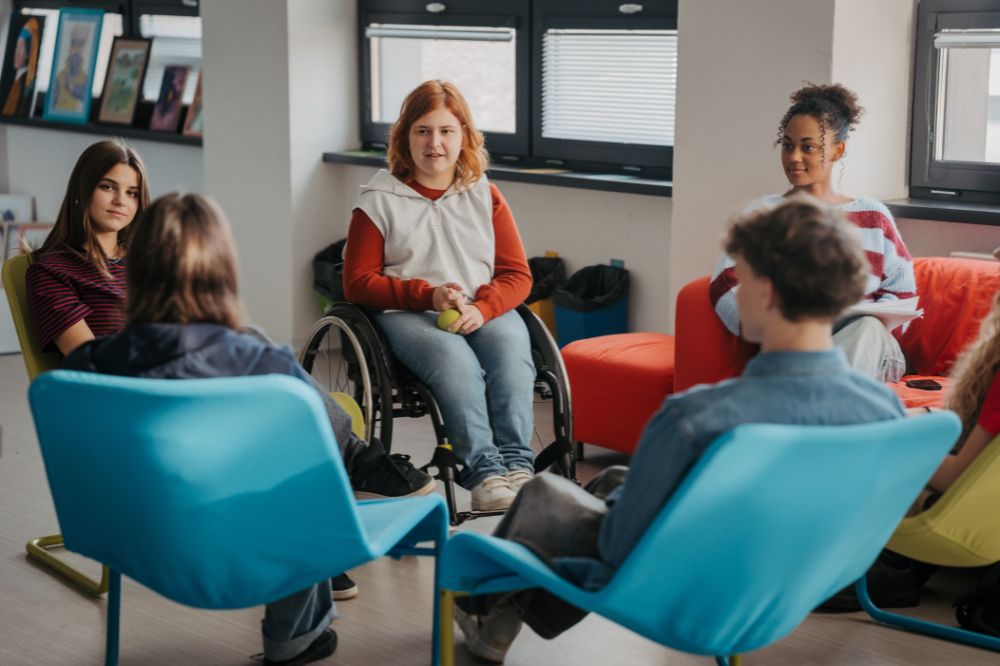
Group homes in Austin provide structured environments where teen girls receive personalized support, learn practical skills, and access educational resources. These programs focus on creating stable foundations through consistent care and targeted development opportunities.
Individualized Care Plans
Each teen girl receives a care plan tailored to her specific needs and challenges. Staff members assess her background, trauma history, and personal goals to create a roadmap for progress. These plans address mental health concerns, behavioral patterns, and family relationships.
Therapists and counselors meet with residents regularly to track progress and adjust strategies. The personalized approach recognizes that each girl faces unique circumstances. For example, one teen might need intensive trauma therapy, while another focuses more on anger management or social skills.
Care plans include measurable goals that help teens see their own growth over time. Staff document achievements and setbacks to refine treatment methods. This individualized attention helps girls feel valued as individuals rather than just another resident in a program.
Life Skills Training
Group homes teach practical abilities that prepare teens for independent adult life. Residents learn to cook nutritious meals, manage personal finances, and maintain clean spaces. These daily tasks build competence and self-reliance.
Programs cover job readiness through resume creation, interview practice, and workplace behavior. Girls also develop communication skills, conflict resolution strategies, and decision-making abilities. Many group homes include community service projects that connect residents to the broader Austin area.
The structured environment provides opportunities to practice these skills in real-world settings. Staff members offer guidance and feedback as teens take on increasing responsibility. This hands-on approach builds confidence through repeated success in manageable challenges.
Academic Support and Personal Growth Opportunities
Educational support helps teens catch up on missed coursework or prepare for high school completion. Tutors and teachers work with residents to address learning gaps and develop study habits. Many programs partner with local schools or provide on-site instruction.
Beyond academics, group homes offer activities that develop talents and interests. Art therapy, music programs, and recreational activities give girls healthy outlets for expression. These experiences help them discover strengths they may not have recognized before.
Personal growth extends to emotional and social development. Group therapy sessions teach healthy relationship skills and peer support. Girls learn to trust others and build positive friendships within a safe community setting.
Conclusion
Group homes in Austin provide structured support that helps teen girls develop confidence and stability during difficult times. These programs combine therapy, education, and daily routines to address behavioral challenges and build life skills. Girls receive individual attention and participate in activities that strengthen their self-worth and decision-made abilities.
The combination of professional guidance and peer support creates an environment where struggling teens can heal and grow. Families also benefit from involvement in the process, which helps maintain progress after girls return home.
