
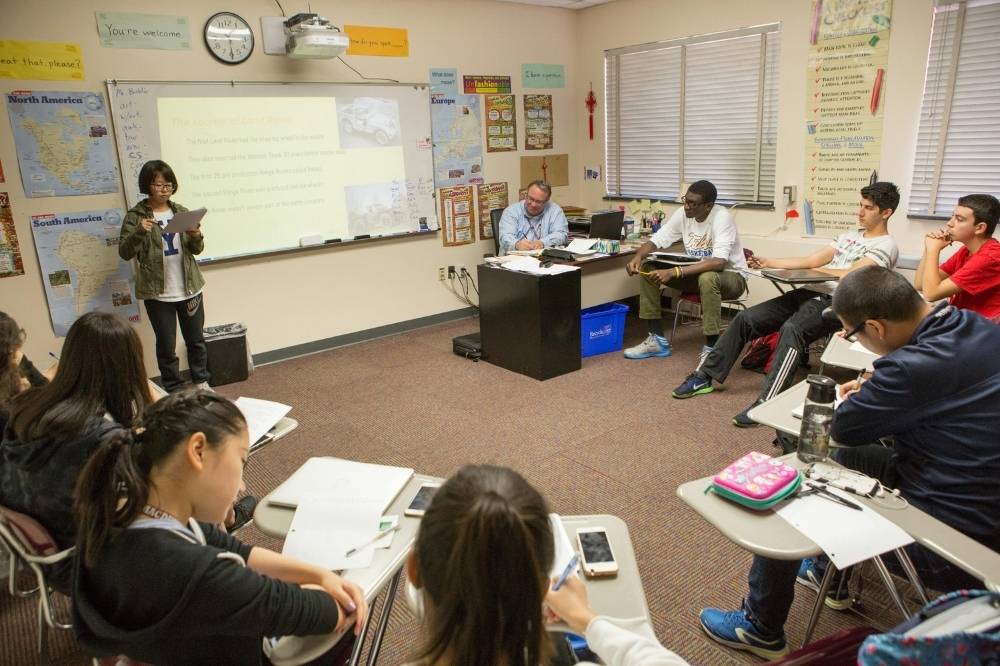
Imagine the scene: a bright, capable student stands at the front of a quiet classroom. Their palms are damp, their knees feel dangerously weak, and the index cards in their hands are shaking so violently they look like a hummingbird’s wings. The teacher nods encouragingly, but the student’s throat feels tight, dry, and completely blocked. It is the weekly, stress-inducing reality of being called on to speak or present in public for millions of students worldwide.
As parents and educators, we place an immense amount of focus on what students write in their notebooks or how they solve complex mathematical equations. Yet, the ability to articulate those ideas out loud to a room full of peers is often the true gateway to academic and personal success. Public speaking is not an innate genetic trait possessed exclusively by natural-born politicians or charismatic stage actors. It is a muscle. And just like any muscle, it can be conditioned, strengthened, and perfected right from the comfort of your own living room. By creating a supportive, low-stakes environment at home, we can help students transform their paralyzing stage fright into an unshakeable sense of confidence.
The Real Weight of Classroom Stage Fright
It is remarkably easy to dismiss a child’s reluctance to speak up in class as simple shyness or a phase they will naturally outgrow. However, clinical and educational data reveals that public speaking anxiety is a heavy, systemic burden for developing minds. According to the National Institute of Mental Health, public speaking anxiety is one of the most widespread social phobias in the world. Crucially, research shows that these symptoms frequently take root during childhood or early adolescence, meaning early intervention is paramount.
The direct impact of this anxiety on academic performance is stark. WritePaper reports that up to 75% of high school students experience significant levels of anxiety when required to deliver oral presentations in front of their classmates. Even more alarming is the tangible academic toll: roughly 15% of students see their overall grades suffer because they actively avoid courses with heavy presentation requirements, or they underperform dramatically when forced into the spotlight due to overwhelming fear.
When a massive end-of-semester classroom project triggers this level of existential dread, it is entirely natural for a stressed student to look for an escape hatch. Wishing they could hire someone to do my presentation for me is the easy way to make the impending stress disappear. But some day they migth want to learn to unpack their anxieties, practice their delivery, and build the resilience required to tackle any classroom assignment head-on.
Remember! Avoiding public speaking doesn’t cure the anxiety; it reinforces it. The key to breaking the cycle is transforming the task from a terrifying, monolithic ordeal into a manageable, step-by-step skill set practiced at home.
Shift the Mindset: From Performance to Sharing
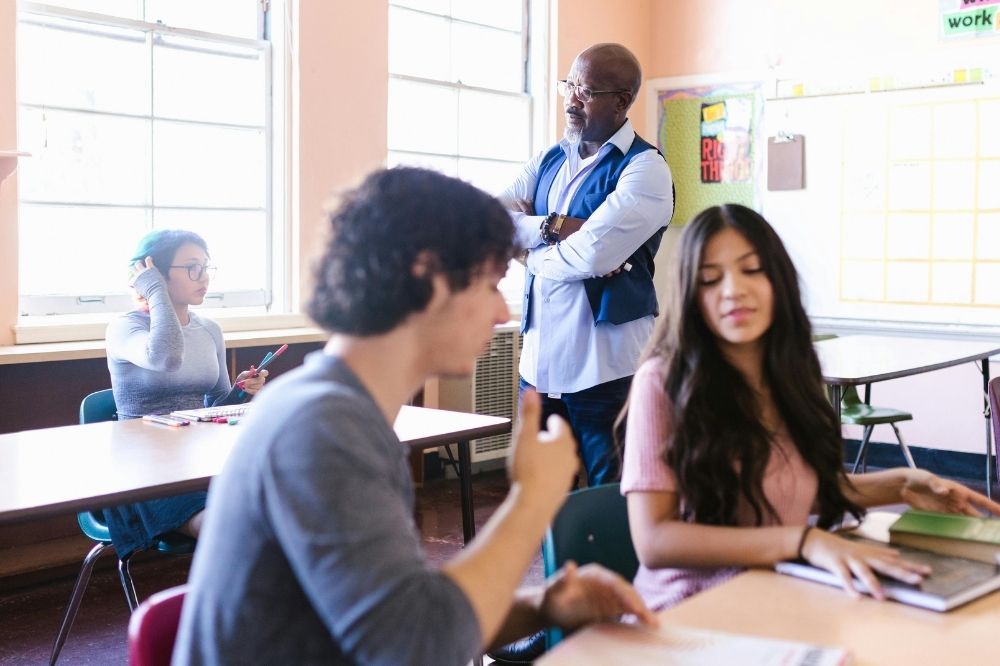
One of the largest psychological hurdles students face is the belief that an oral presentation is a theatrical performance where they will be ruthlessly judged for every single stumble, awkward pause, or mispronounced word. This perfectionist mindset creates an unsustainable level of mental pressure. To break down this barrier, parents must help students completely reframe how they view the entire concept of public speaking.
Public speaking is not some dramatic occurrence. It is simply your way of sharing information. When a student talks to their friends at lunch about their favorite video game, or passionately explains the rules of a complex sport to a younger sibling, they are already practicing public speaking. In those informal moments, they are naturally articulate, expressive, and confident. Why? Because they are thinking not about themselves they are thinking entirely about the topic.
To cultivate this mindset at home, encourage regular family conversations that focus heavily on the student’s unique areas of interest. Ask open-ended questions during dinner. Let them explain a complex plot point from a novel they are reading, or describe how a specific science experiment works. When the pressure to deliver a perfect performance is completely removed, the student’s authentic, natural voice easily shines through.
5 Creative Home Activities to Build Speaking Stamina
Building presentation confidence does not mean forcing your child to stand on a soapbox in the living room and read a dry academic paper. Instead, try incorporating these five engaging, low-pressure games into your weekly routine to help students develop their speaking stamina naturally.
1. The 60-Second Impulsive Talk
This is a classic improvisational game that works wonders for spontaneous thinking and vocal fluency. Write down a dozen random, lighthearted topics on small slips of paper and have kids draw a slip from a hat and speak on that topic continuously for 60 seconds without pausing, filtering, or overthinking. The goal is not to be profoundly accurate; it is simply to keep the words flowing and teach the brain to think fast on its feet.
2. The Dinner Table Keynote
Turn a regular family dinner into an informal podium. Once a week, assign a designated Keynote Speaker for the evening. The speaker gets two to three minutes to present on anything they wish, like a fascinating fact they learned that week, a movie trailer they loved, or a favorite family vacation memory. Keep the atmosphere light, cheerful, and celebratory.
3. Record, Rewatch, and Refine
Technology can be a magnificent tool for self-improvement if it is used gently. Have the kid record a short 2-minute video of themselves practicing a school presentation using a smartphone or tablet. Sit down together to review the footage, but keep the focus strictly on finding the positives first. Point out their excellent eye contact, their clear pronunciation, or a great hand gesture. Seeing themselves succeeding on camera provides a massive psychological boost that counters negative self-talk.
4. The Family “Teach-Back”
The absolute best way to master a concept is to teach it to someone else. If a student is preparing for a history, geography, or science presentation, have them act as the teacher while you play the role of the curious student. Ask them basic, interesting questions. This shifts their mental role from a vulnerable presenter being evaluated to an empowered expert sharing knowledge with an audience that genuinely wants to learn.
5. The Eye Contact Game
If practicing directly in front of family members feels a bit too intimidating at the beginning, have your child set up an audience of stuffed animals, action figures, or pillows in their bedroom. Instruct them to deliver their speech while consciously moving their gaze from the toy on the left to the one on the right. This builds the physical habit of scanning a room and making eye contact without the added stress of real eyes staring back.
The Art of the Feedback Loop
How you respond to your child’s practice sessions at home can either supercharge their confidence or cause them to shut down completely. Traditional, blunt criticism can feel like a personal attack to a vulnerable kid who is already feeling exposed. Instead, adopt a structured method to deliver constructive but empowering feedback.
By keeping the feedback loop heavily weighted toward positive reinforcement, you teach the kids that making mistakes is just a normal, healthy part of the learning curve, rather than a sign of personal failure.
A Practical Checklist for Presentation Day
When the morning of the actual classroom presentation finally arrives, nerves are bound to resurface. Help your kids manage those last-minute jitters with this simple, actionable morning checklist:
- The Power Pose: Spend two minutes standing like a superhero with your hands on your hips, chest out, chin up. Studies indicate this physical posture can lower stress hormones and boost feelings of confidence.
- Hydrate Early: Keep a water bottle handy. Nervousness causes a dry mouth, which makes clear vocal articulation much harder.
- The Three-Breath Rule: Right before their name is called to step up to the front, have them inhale deeply through the nose for four seconds, hold for four, and exhale slowly for four. This resets the nervous system.
- Pick a Friendly Face: They should find one encouraging friend in the classroom audience and focus on presenting directly to them whenever they feel a wave of anxiety.
Long-Term Benefits Beyond the Classroom
The journey to becoming a confident public speaker is not just about securing a high grade on a single school project. It is about equipping a young person with a foundational life skill. When a student learns how to command a room, structure an argument, and speak with authentic conviction, they carry that confidence into every single area of their future. They become better collaborators, more persuasive leaders, and individuals who are never afraid to stand up and advocate for themselves or others. By taking the time to transform your home into a safe harbor for practice, you are helping them find their voice for life.
