
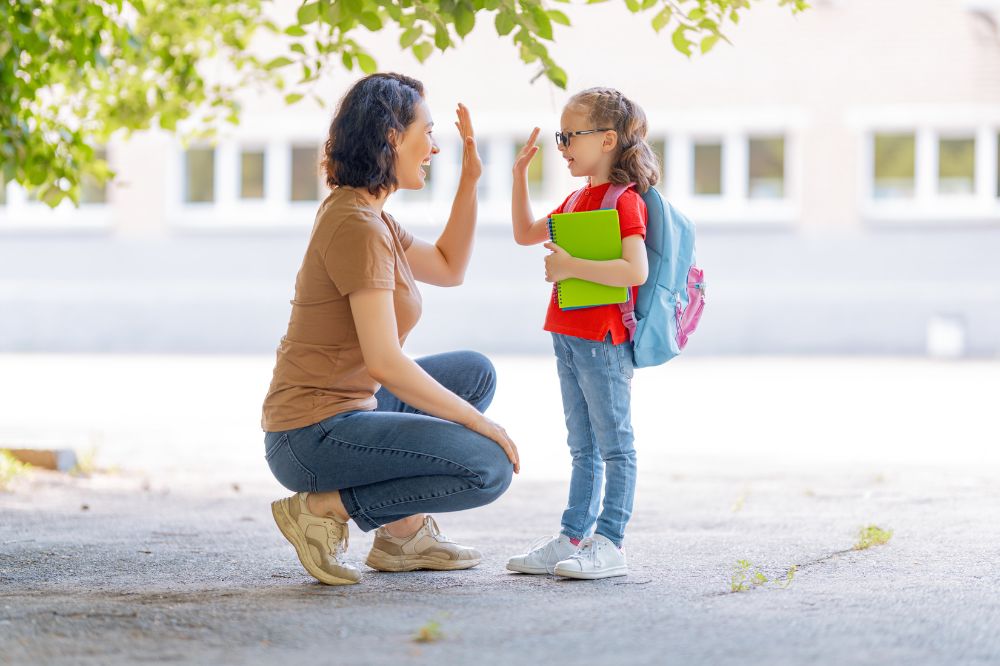
For many families, preparing a child for school feels like a race against time. Parents worry about letters, numbers, reading levels, and whether their child is “ahead” or “behind.” Bookstores are filled with workbooks promising academic success, and social media often amplifies pressure by showcasing children who already read fluently before kindergarten.
Yet decades of research in child development and education point to a different conclusion: academic skills alone do not determine school success. What truly matters in school readiness is not how much a child knows, but how well they can cope, communicate, and learn in a structured social environment.
This article explores what preparation for school really means, separating common myths from evidence-based priorities.
Redefining School Readiness
School Readiness Is Not an Academic Checklist
School readiness is often misunderstood as a set of academic skills: recognizing letters, counting to 100, or writing one’s name neatly. While these skills can be helpful, they are not the foundation of successful learning.
According to the American Academy of Pediatrics, readiness for school is a multidimensional concept that includes emotional, social, physical, and cognitive development.
“Children succeed in school not because they already know the material, but because they are ready to learn,” explains Dr. Laura Bennett, child development specialist.
Emotional Readiness: The Hidden Core of Success
Managing Emotions in a New Environment
School is emotionally demanding. Children must separate from caregivers, navigate unfamiliar routines, and handle frustration without immediate adult support.
Key emotional skills include:
- Tolerating frustration
- Coping with mistakes
- Calming down after disappointment
- Feeling safe asking for help
Children who can regulate their emotions are better able to focus, participate, and build relationships with teachers and peers.
Resilience Over Perfection
Emotionally prepared children are not those who never struggle, but those who recover from struggle. This resilience predicts long-term academic and social success more strongly than early reading ability.
Social Skills Matter More Than Worksheets
Learning Happens in Relationships
School is a social space. Much of learning happens through interaction, collaboration, and shared attention.
Social readiness includes the ability to:
- Take turns
- Follow group rules
- Listen to others
- Resolve simple conflicts
Children who struggle socially often struggle academically—not because they lack intelligence, but because learning is inherently social.
Cooperation and Empathy
Teachers consistently report that cooperation and empathy are among the most important predictors of classroom success. These skills cannot be learned through worksheets; they are developed through play, conversation, and guided interaction.
Independence and Self-Help Skills
Everyday Independence Builds Confidence
One of the biggest transitions to school is the expectation of independence. Children are suddenly responsible for their belongings, routines, and basic needs.
Important self-help skills include:
- Using the bathroom independently
- Putting on and taking off outerwear
- Eating lunch without assistance
- Cleaning up after activities
These skills reduce stress and help children feel capable in a new environment.
Independence Is Emotional, Not Just Practical
When children believe “I can handle this,” they approach school with confidence rather than anxiety. This sense of competence supports learning far more than early academic drills.
Language Development: More Than Letters and Sounds
Communication Over Memorization
Language readiness is not about how many words a child can read, but how well they can express themselves and understand others.
Key language skills include:
- Following multi-step instructions
- Asking questions
- Explaining needs and ideas
- Engaging in back-and-forth conversation
Rich oral language forms the foundation for reading and writing later on.
The Power of Conversation
Daily conversations, storytelling, and shared reading are among the most effective ways to support language development. Parents who talk with children, rather than at them, build vocabulary and comprehension naturally.
At this point, many parents begin exploring additional guidance, articles, or resources to better understand how everyday interactions support learning. If you’d like to read more about how language, play, and connection shape early education, child development research offers a wealth of accessible insights that go far beyond traditional school readiness checklists.
Attention, Focus, and Executive Function
The Brain Skills Behind Learning
Executive function refers to a set of cognitive skills that include:
- Attention control
- Working memory
- Impulse regulation
- Task switching
These skills allow children to follow instructions, stay on task, and adapt to changing demands.
Research shows that executive function skills in early childhood are stronger predictors of academic success than early literacy or numeracy.
How Executive Skills Develop
Executive function grows through:
- Pretend play
- Games with rules
- Routines and structure
- Opportunities to make choices
These experiences strengthen the brain systems that support learning across all subjects.
Physical Readiness and Well-Being
The Body Supports the Mind
Physical development plays an often-overlooked role in school readiness.
Important areas include:
- Gross motor skills (running, jumping, balance)
- Fine motor skills (holding a pencil, using scissors)
- Physical endurance for a full school day
Children who are physically comfortable can focus more easily on learning.
Sleep, Nutrition, and Health
No amount of academic preparation compensates for chronic fatigue or poor nutrition. Regular sleep routines, balanced meals, and physical activity are essential foundations for attention and emotional regulation.
The Role of Play in Preparation
Play Is Not a Distraction From Learning
Play is the primary way young children learn. Through play, children practice:
- Problem-solving
- Social negotiation
- Language use
- Emotional expression
Studies consistently show that play-based early learning environments produce equal or better long-term academic outcomes than highly academic ones.
“Play is the work of childhood,” said psychologist Jean Piaget—and modern neuroscience continues to support this view.
What Parents Often Worry About (and Don’t Need To)
Common Myths About School Preparation
Myth 1: Children must read before school
Reality: Schools are designed to teach reading.
Myth 2: Early academics guarantee long-term success
Reality: Emotional and social skills are stronger predictors.
Myth 3: More worksheets mean better preparation
Reality: Excessive academic pressure can reduce motivation and confidence.
How Parents Can Support Real Readiness
Practical, Evidence-Based Support
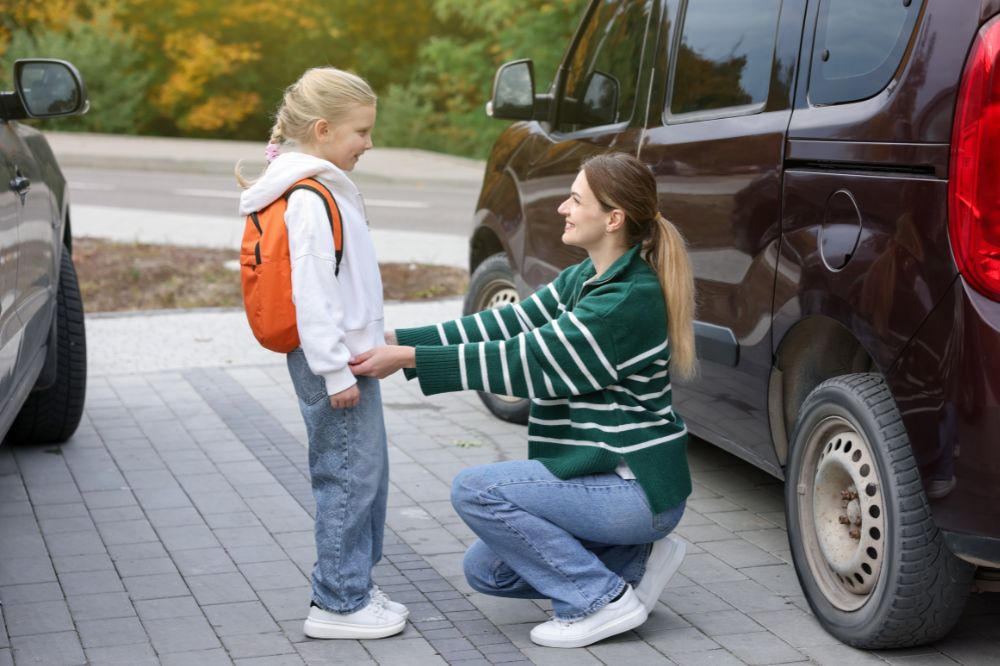
Parents can prepare children for school by:
- Establishing predictable routines
- Encouraging independence
- Reading together daily
- Allowing free play
- Modeling emotional regulation
None of these require expensive programs or advanced materials.
Supporting the Whole Child
The goal of preparation is not to produce a “perfect student,” but a confident learner who feels safe, capable, and curious.
Teachers’ Perspectives on Readiness
What Educators Actually Look For
Teachers consistently emphasize:
- Emotional regulation
- Ability to follow instructions
- Curiosity and willingness to try
- Basic self-care skills
Academic gaps can be addressed. Emotional readiness gaps are harder to repair under classroom pressure.
When to Seek Additional Support
Every Child Develops Differently
Some children may need extra support with speech, motor skills, or emotional regulation. Seeking help early is not a failure—it is a form of preparation.
Early intervention services, speech therapists, and child psychologists can support readiness in targeted, effective ways.
Final Thoughts: Preparation Is About Trust
Preparing a child for school is ultimately about trust—trust in the child’s developmental path, trust in educators, and trust that learning is a process, not a race.
The most important question is not “Can my child read yet?” but “Does my child feel safe, capable, and curious about learning?”
When children enter school with confidence, emotional security, and a sense of belonging, academic skills follow naturally.
True school readiness is not about being ahead.
It is about being ready to grow.
