
Personalized learning, in the context of education, refers to tailoring the learning experience to meet the individual needs, preferences, and strengths of each student. Rather than a one-size-fits-all approach, personalized learning adapts to how a child learns best, making education more effective and engaging. The importance of personalized learning in unlocking a child’s potential cannot be overstated, as it not only fosters a deeper understanding of subjects but also boosts confidence and motivation. This article will discuss how personalized learning enhances a child’s academic success by catering to their unique learning style and providing targeted support, using examples from different educational levels, including GCSE and A-level tutoring.
Personalized learning is especially powerful because it allows educators and parents to focus on the individual strengths and weaknesses of a child, which can significantly improve their understanding of academic subjects. One of the primary advantages of this approach is that it caters to a child’s preferred learning style—whether they are visual learners, auditory learners, kinesthetic learners, or a mix of these. For example, children who struggle with traditional classroom learning methods may find it difficult to keep up with the standard pace of lessons. However, when learning is personalized, these children can engage with content in a way that makes sense to them, whether through interactive exercises, visual aids, or hands-on activities. Personalized learning strategies ensure that no child is left behind because they are given the opportunity to grasp the material at their own pace, providing the right amount of challenge without causing frustration.
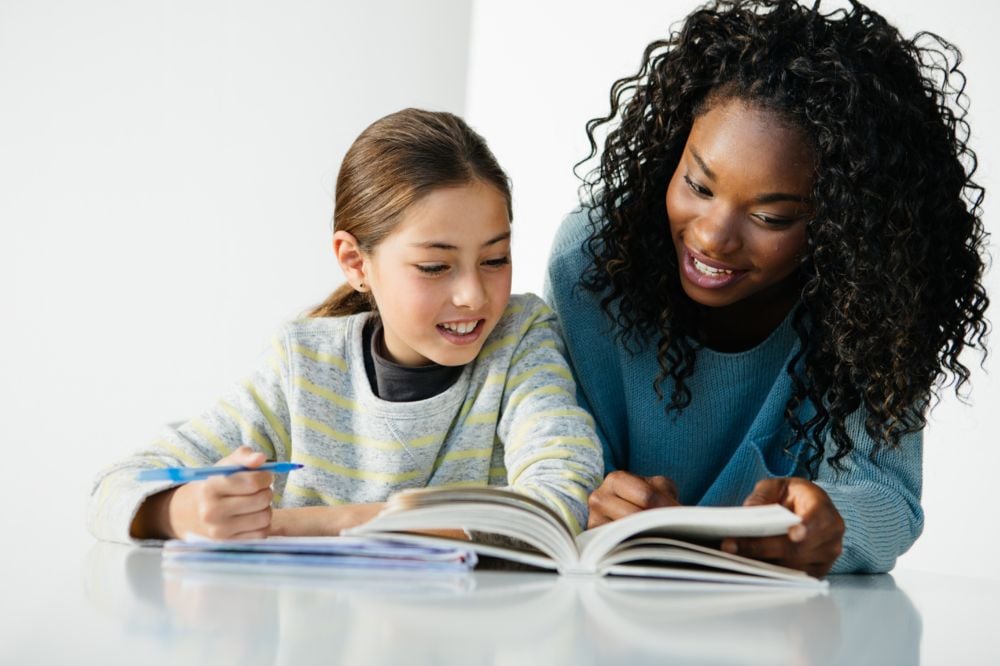
A perfect example of personalized learning in action can be found in tutoring programs. For instance, GCSE and A-level tutoring often incorporates personalized strategies that are directly aligned with a student’s learning needs. Rather than sticking to a rigid curriculum, tutors can adjust the focus based on the student’s areas of difficulty. If a child is struggling with certain concepts in mathematics or English, the tutor can provide specialized exercises and explanations that target those areas. Additionally, the tutor can continuously monitor the child’s progress, making real-time adjustments to ensure that the learning experience is effective and responsive to their evolving needs. This personalized attention not only helps students better understand the content but also builds a more positive and proactive relationship with learning, which is essential for long-term academic success.
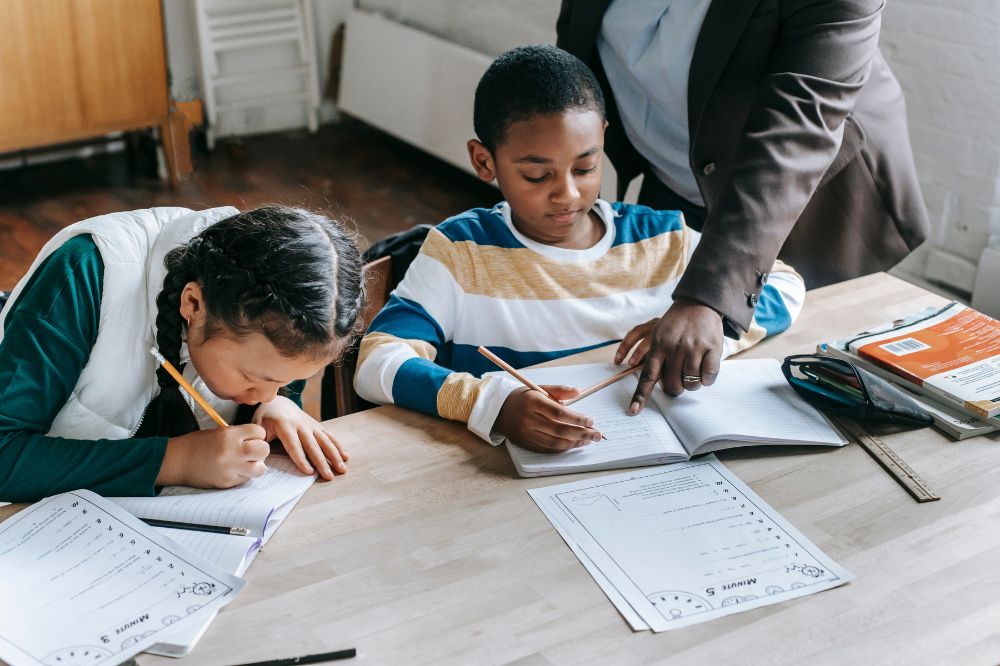
Moreover, personalized learning fosters greater student engagement. When children see that their learning is tailored to their interests, they are more likely to stay motivated and actively participate in their education. For instance, a student who enjoys history but struggles with the language aspect of their studies can be given assignments that blend both their interests and their needs, such as reading historical novels or creating projects based on historical events. This not only makes the learning experience more enjoyable but also demonstrates to the child that education can be an avenue for exploration and discovery, rather than a monotonous task.
In contrast, traditional learning methods, which often focus on teaching all students in the same way, can lead to disengagement and frustration. Children who do not feel that their personal needs are being addressed may begin to lose confidence in their ability to succeed, which can have long-lasting effects on their academic performance and self-esteem. Personalized learning, however, combats this issue by actively involving the child in their learning process. It allows children to take ownership of their education, understanding that learning is a journey they can navigate at their own pace and according to their own preferences. This autonomy increases their motivation, as they feel empowered to take responsibility for their academic success.
Another key benefit of personalized learning is its ability to identify and address learning gaps early on. Traditional classrooms, especially those with a large number of students, may not always provide the opportunity to identify and address these gaps in real time. Personalized learning ensures that any gaps in understanding are quickly detected and addressed before they become larger obstacles to learning. For instance, a student struggling with reading comprehension or basic mathematical principles can receive immediate intervention, whether through tutoring, online resources, or additional practice exercises. This proactive approach helps students build a solid foundation, preventing them from falling behind as they progress to more complex concepts.
Furthermore, personalized learning can improve learning outcomes by allowing for deeper, more meaningful interactions with the material. Rather than rushing through a set curriculum to meet a standard benchmark, personalized learning encourages students to take the time to truly understand what they are learning. This leads to a more thorough grasp of concepts and a stronger ability to apply them in real-world scenarios. For example, a student studying science may be able to focus on specific experiments that interest them, exploring the subject matter in a hands-on way that deepens their understanding and keeps them engaged. This type of learning is not only more effective but also more enjoyable, as students are encouraged to connect academic content with their own interests and experiences.
One of the long-term advantages of personalized learning is its ability to prepare students for future success, both academically and in their personal lives. By fostering a deeper connection to learning, personalized learning helps children develop critical thinking and problem-solving skills that are essential in today’s ever-changing world. These skills are not only useful for academic achievement but also for navigating the challenges of adulthood. Children who experience personalized learning grow into independent learners who are capable of adapting to new situations, thinking creatively, and persevering through challenges. In this way, personalized learning goes beyond just improving academic performance—it equips children with the tools they need to succeed in a variety of contexts.
In conclusion, personalized learning is a key element in unlocking a child’s full academic potential. By tailoring the learning experience to fit each child’s individual needs and strengths, personalized learning provides a more engaging, effective, and supportive approach to education. Whether through the use of GCSE and A-level tutoring or other personalized learning strategies, children benefit from a deeper understanding of subjects, greater confidence, and increased motivation. The long-term benefits of personalized learning extend beyond just academic success, as it fosters independence, critical thinking, and problem-solving skills that are essential for lifelong learning. By embracing personalized learning, we can ensure that every child has the opportunity to reach their full potential and thrive in an increasingly complex world.
