

Some kids don’t just fidget because they’re getting bored; they need to be physically active. You might see it as rocking during a TV show, bouncing a leg while doing homework, pacing after school, or tapping fingers on the table while trying to listen. These repeated actions may appear distracting from the outside, but for many children, they are a quiet way of coping. Movement gives their body something steady to hold onto. Parents often ask if they should stop it, especially when the movement draws attention or seems to get in the way. The honest answer is that the movement usually has a job, and isn’t necessarily a “bad behavior.” Repeated motion sends strong sensory signals that help children regulate mood and attention. When you know it’s doing something useful, it’s easier to respond with support instead of frustration.
The Nervous System Reason Behind “I Need To Move”
Repetitive movement often activates two systems that are crucial for regulation. One is the vestibular system, which handles balance and the feeling of motion; the other is proprioception, which is the body’s sense of its own position in space. When a child sways, rocks, chews, squeezes, or bounces, they are giving their brain clear, steady information.
Some children seek this kind of input because their nervous systems are particularly sensitive. Their brains take in more detail from the world, and that can feel overwhelming, too fast. A simple rhythm helps filter the overload by providing the brain with something predictable to latch onto.
Other children move for the opposite reason. Their system is running on alert, so they move to increase their energy and stay present. You’ll often notice this during long lessons, car rides, or homework time, when their body seems to “switch on” only after they start moving.
Repetitive Movement as a Tool for Emotional Regulation
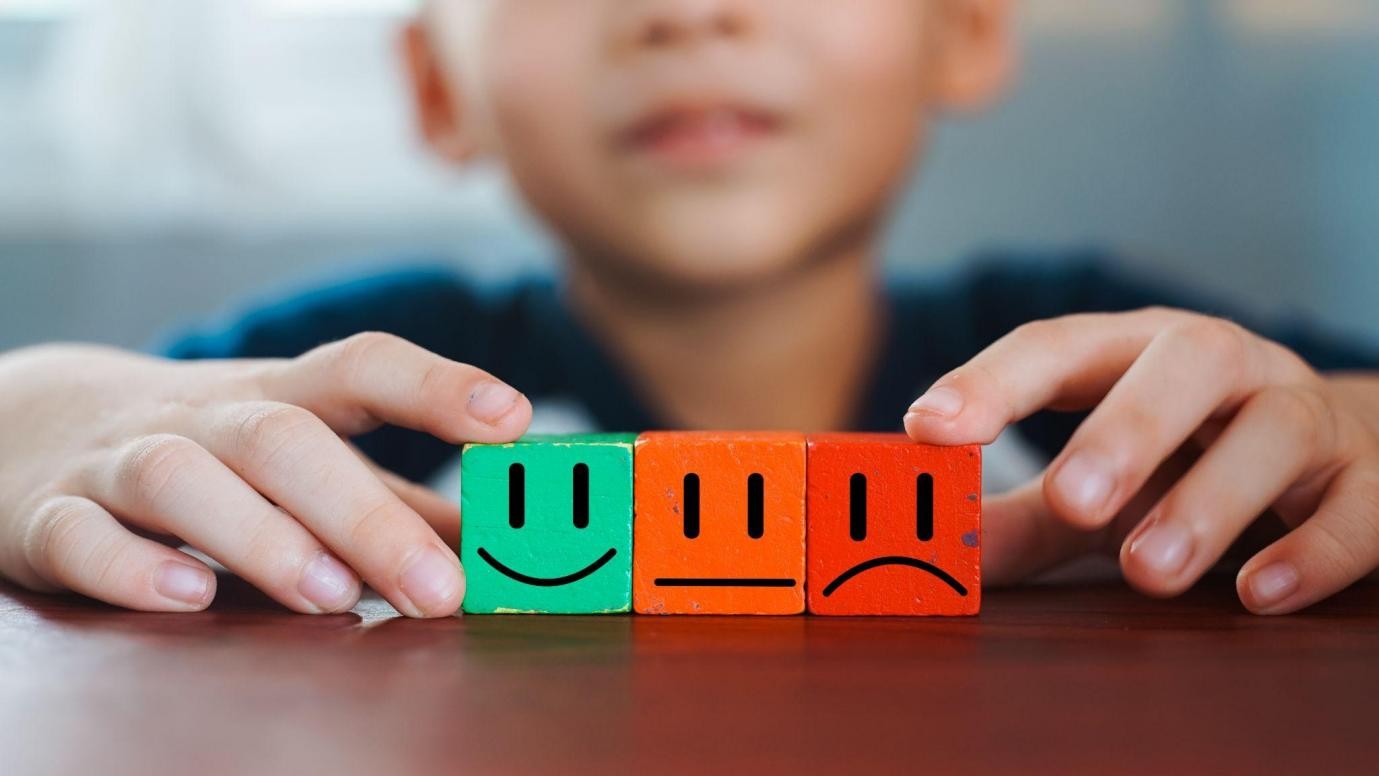
When emotions hit hard, they often manifest in the body first; fear, frustration, excitement, and worry—all these emotions bring a surge of intensity that kids can’t always name yet. Many children don’t have words ready in that moment, but they do have movement, and a repeated action gives their body a narrow channel to run the feeling through until it softens. For some kids, this shows up as autistic stimming, and the purpose is the same as it is for many non-autistic children: keeping the nervous system steady enough to cope with what’s happening around them. Consider the timing and the outcome. If your child settles after moving, that movement is doing real work.
Why Movement Can Improve Focus and Learning
Focused attention is a physical state, which means that kids need a steady level of alertness, neither too little nor too much. Repetitive movement can help them find that middle. A child who taps their foot while reading may be keeping their brain engaged. A child who quietly fidgets while listening may be staying in the chair without becoming disruptive. You’ll sometimes hear, “If you can’t sit still, you’re not paying attention,” but for lots of kids, sitting still is what hurts attention. Their brain needs movement to organise themselves. Allowing for safe and quiet movement does not lower expectations. It provides a child with the conditions they need to thrive.
When It’s Typical, and When It May Signal Extra Needs
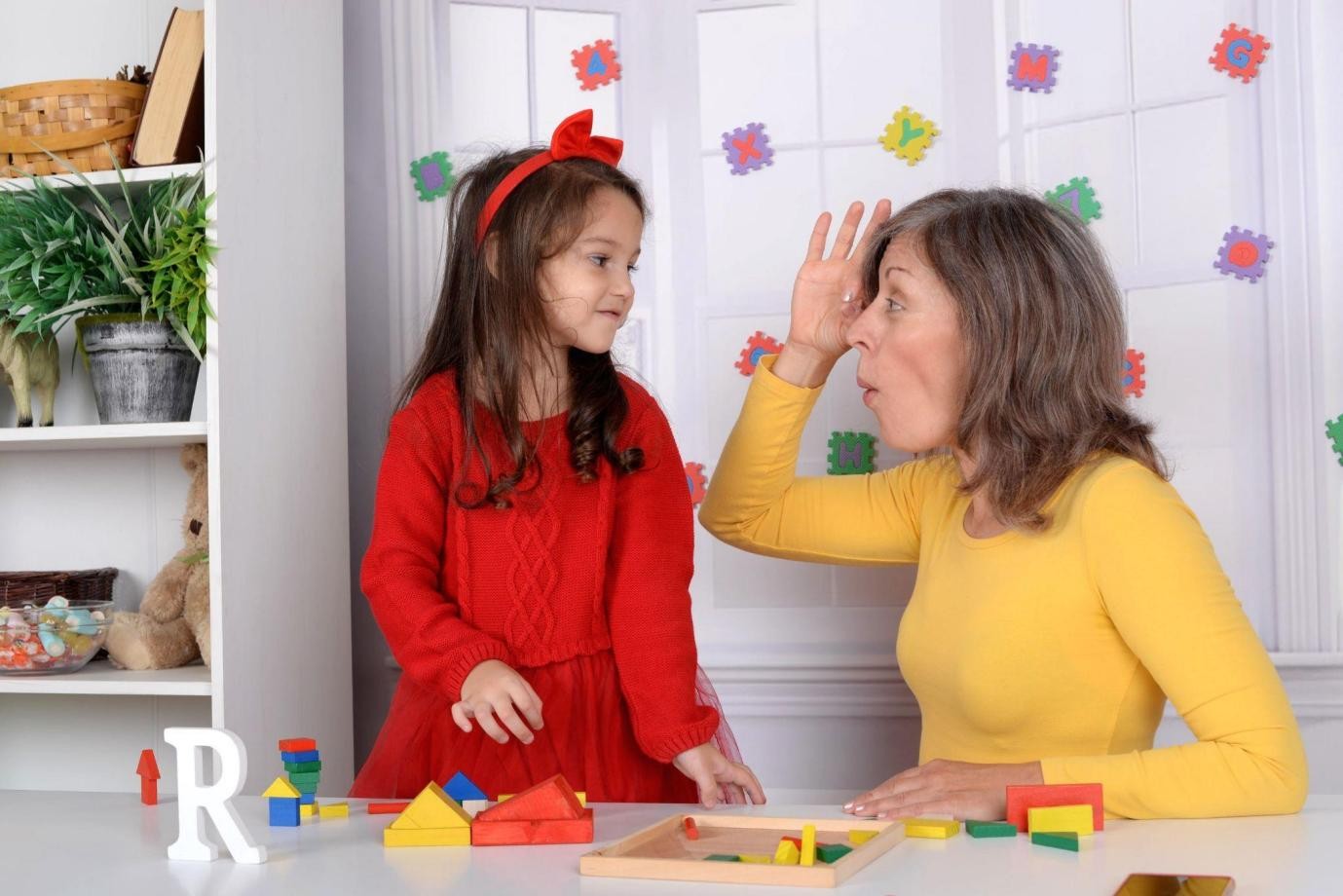
Repetitive movement exists on a broad spectrum. Many toddlers rock, spin, or repeat sounds while learning about their bodies and testing limits. Plenty of older kids fidget in low-stakes situations. That can be completely typical. It becomes more of a flag when the movement is intense, constant, causes harm to the child, or disrupts daily life. In those cases, it can sit alongside sensory processing differences, ADHD, anxiety, autism, or another neurodevelopmental pattern. The movement itself is not a diagnosis. It’s a clue. If you’re unsure, watch for context: Is your child able to stop when needed, or do they look trapped in it? Do they seem soothed afterward, or still escalated?
How To Respond in the Moment Without Shutting It Down
Start with safety and respect. If the movement isn’t hurting anyone and isn’t wrecking the situation, try not to jump straight to correction. A calm line, like, “I see you’re rocking. Are you feeling nervous or excited?” can help a child connect their body and feelings. If they shrug or can’t answer, that’s fine. You’re still showing that you notice without judging.
When the movement is disruptive, aim for redirection instead of punishment. For example, saying, “You can bounce your legs under the table, but not kick the chair,” allows the regulating action while still setting a clear boundary. This approach is constructive when supporting a stubborn child, as it aligns with Lighthouse Autism Center’s advocacy of meeting the underlying need behind stimming rather than shaming the behavior.
Helpful Options To Offer Instead of Constant Correction
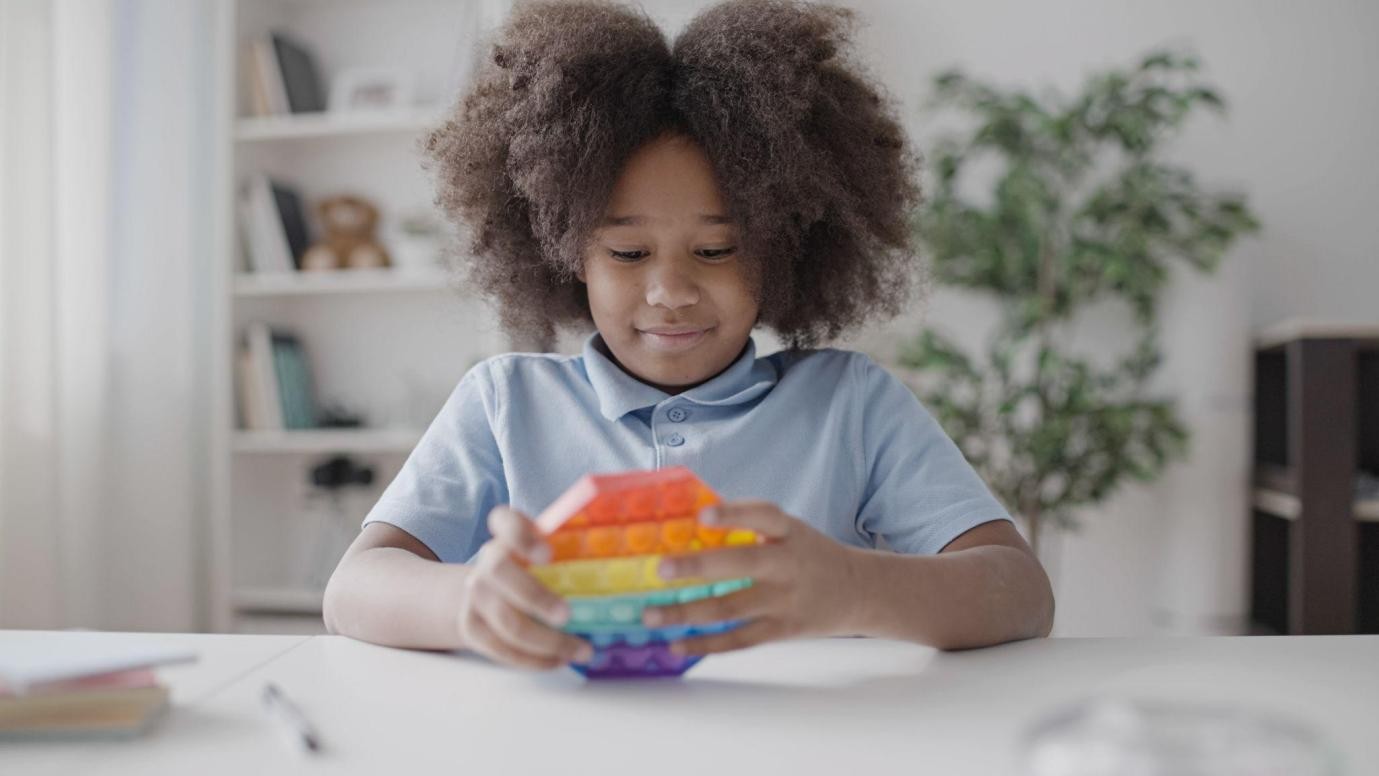
Many children do best when they have a few acceptable ways to get the same input. That might mean a stress ball, a chewable necklace, a stretchy band on chair legs, a small rocking stool, or a five-minute trampoline break before homework. Watch what kind of movement your child already chooses, then offer something that meets that same need. It’s less about the tool being fancy and more about it being a good match.
Stimming Support and Management Without Judgement
Repetitive movement is often a child’s way of meeting a genuine need, not a habit to be stamped out. It can be their quickest route to calm when emotions spike, or their best way to stay alert when focus feels out of reach. When you view it as regulation instead of misbehaviour, you’re more likely to respond with curiosity and support, and your child learns that their body is not the enemy.