
As parents, we are always looking for activities that keep our kids engaged, off screens, and actually learning something in the process. It can feel like a tall order, especially on those long afternoons when the dreaded words “I’m bored” start floating around the house. But here’s a little secret that teachers and art therapists have known for years: watercolor painting is one of the most powerful learning tools hiding in plain sight.
It’s not just about creating pretty pictures. When children sit down with a set of watercolors, a brush, and a blank page, they’re building skills that reach far beyond the art table. From fine motor development to emotional regulation, watercolor painting quietly supports the kind of growth every parent hopes to see in their child.
It Builds Fine Motor Skills and Hand-Eye Coordination
Think about what it takes to load a brush with just the right amount of paint, guide it across wet paper without pressing too hard, and fill in a shape without going over the edges. That level of control requires the same small muscle movements kids need for writing, buttoning a coat, and tying their shoes. Watercolor painting is gentle and forgiving enough that kids can practice these movements without the frustration that sometimes comes with pencil-and-paper tasks.
For younger children especially, painting helps strengthen the muscles in their hands and fingers while teaching them to coordinate what their eyes see with what their hands do. It’s a workout disguised as fun, and they’ll never complain about doing it.
Watercolors Teach Patience and Problem-Solving
Unlike markers or crayons, watercolors don’t always do exactly what you expect. The paint bleeds, colors blend on their own, and sometimes the whole page turns into a beautiful, unplanned surprise. For kids, this is an incredible lesson in patience and adaptability. They learn to wait for a layer to dry before adding the next one. They figure out that mixing too many colors creates mud, and that sometimes the happy accidents turn out to be the best part of the painting.
This kind of open-ended problem-solving is exactly what early childhood educators love to see. It teaches kids that mistakes aren’t failures. They’re just part of the creative process. And that’s a mindset that will carry them through school, friendships, and every challenge life throws their way.
A Screen-Free Activity That Actually Holds Their Attention
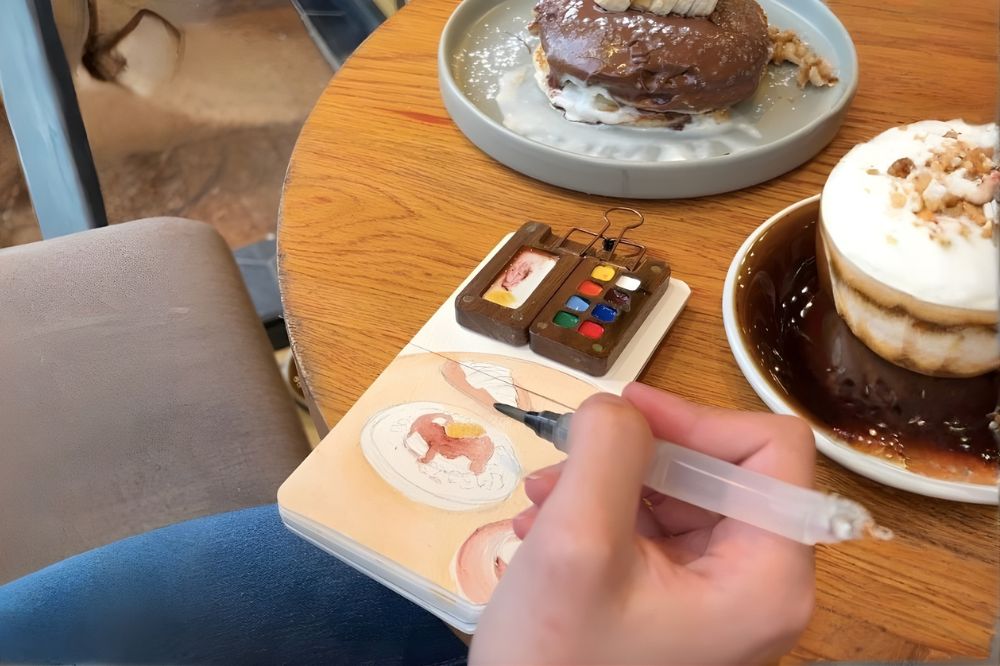
We all know the struggle of pulling kids away from tablets and TVs. The truth is, children crave hands-on experiences. They want to touch, mix, and create. Watercolor painting gives them a sensory-rich activity that holds their focus in a way that few other screen-free alternatives can. There’s something almost meditative about it. Watch your child paint for ten minutes and you’ll notice how quiet and focused they become. Their breathing slows, their body stills, and they enter a state of calm concentration that many parents didn’t even know their child was capable of.
This is one of the reasons art therapy is so widely used with children. Painting helps regulate emotions, reduce anxiety, and give kids an outlet for feelings they might not yet have words for. If your household could use a little more calm and a little less chaos, a watercolor session might be exactly what everyone needs.
It Sparks Curiosity and Cross-Subject Learning
One of my favorite things about watercolor painting is how naturally it connects to other subjects. Want to teach your child about color theory? Hand them a palette with primary colors and let them discover secondary colors on their own. Curious about weather or seasons? Paint a rainy day scene or a fall landscape together. Studying animals, plants, or the ocean? Watercolor illustrations bring those lessons to life in a way that worksheets simply cannot.
You don’t need a formal art lesson plan to make this happen. Just set out the supplies, suggest a theme, and let their curiosity take over. Some of the most meaningful learning moments happen when kids are free to explore on their own terms, and painting creates the perfect space for that kind of discovery.
Getting Started Is Easier Than You Think
If you’re thinking that watercolor painting sounds great but you have no idea where to start, you’re not alone. A lot of parents feel overwhelmed by the idea of buying the right supplies, especially if they don’t consider themselves artistic. The good news is that you don’t need to be an artist to paint alongside your child, and you definitely don’t need to spend hours researching which brushes and paints to buy.
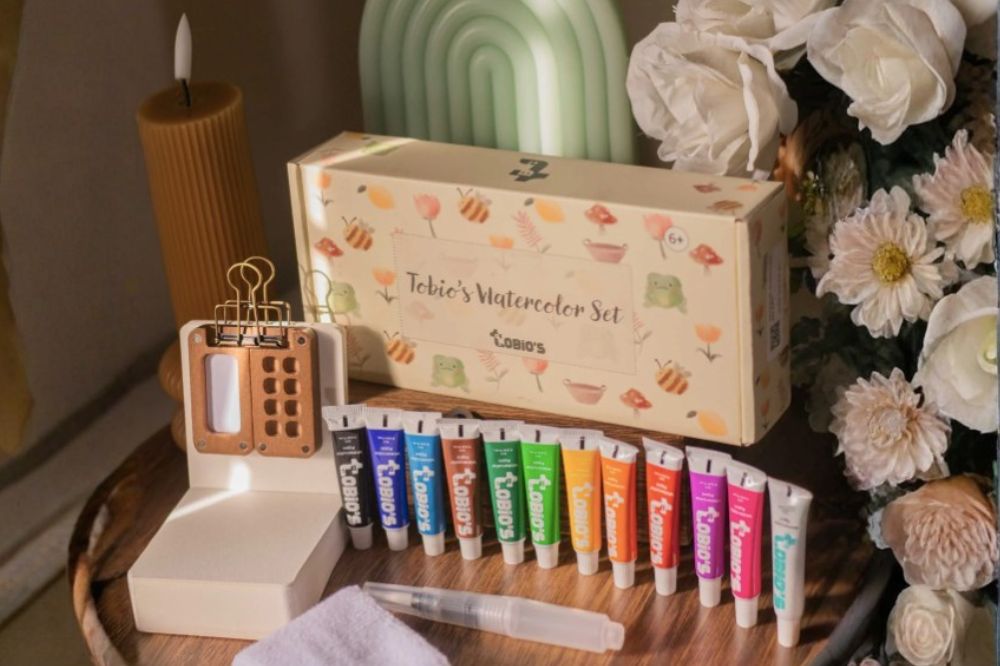
All-in-one watercolor kits are a great solution for families who want to dive in without the guesswork. One option worth checking out is tobioskits.com, which offers curated kits designed to make starting simple, calming, and enjoyable. Their sets come with everything you need in one box, including quality paints, a waterbrush, a walnut wood palette, cotton paper, and even an illustrated guide to help beginners find their footing. It takes the stress out of the setup so you can focus on the fun part: actually painting with your kids.
Making It a Family Habit
The best part about watercolor painting is that it’s not just for kids. When you sit down and paint alongside your child, you’re modeling curiosity, creativity, and the willingness to try something new. You’re showing them that grown-ups need creative outlets too, and that spending time together doesn’t always have to involve a structured activity or a screen.
Try setting up a weekly “paint night” at your kitchen table. Put on some soft music, pour yourself a cup of tea, and let everyone paint whatever they want. No rules, no expectations, no right or wrong way to do it. You might be surprised at how quickly it becomes the highlight of your family’s week.
You can also weave painting into everyday moments. Make watercolor cards for friends, illustrate a family recipe book, or paint postcards to send to grandparents. Let your kids design their own bookmarks, create nature journals after a backyard walk, or paint portraits of the family pet. When art becomes a natural part of daily life rather than a once-in-a-while activity, kids start to see creativity as something that belongs to them, not just something they do in art class at school.
Every Brushstroke Counts
Watercolor painting is one of those rare activities that checks almost every box a parent could ask for. It’s educational, calming, screen-free, affordable, and genuinely enjoyable for kids and adults alike. It builds skills that matter, from patience and problem-solving to fine motor control and emotional expression, all while giving your family a chance to slow down and create something beautiful together.
So the next time your child says “I’m bored,” skip the tablet and reach for the paintbrush instead. You might just discover a new favorite family tradition in the process.
