
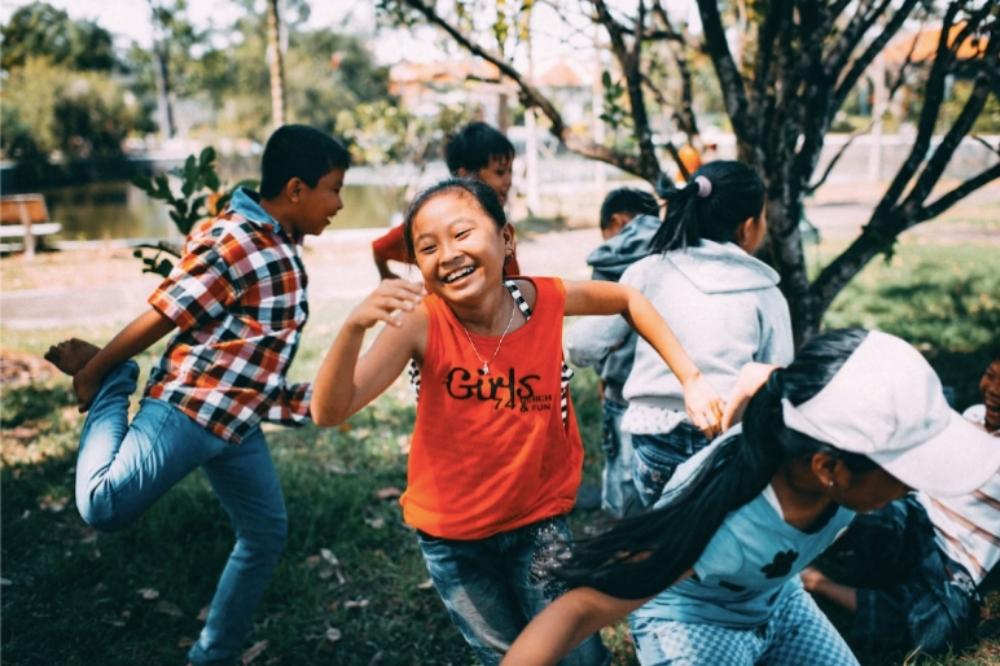
Many school-aged children need dedicated spaces to grow outside their usual classrooms. Long breaks away from academic pressures offer a great chance to step away from screens and build real-world connections. These moments of unstructured play are highly beneficial for mental wellness.
Daily interactions in a fresh setting help youngsters learn to navigate new relationship dynamics. These early experiences shape how they connect with peers throughout their childhood. Learning these lessons prepares them for future success.
Stepping Outside The Comfort Zone
Many youngsters stick to very familiar routines at school and home. Stepping into a completely fresh environment forces them to adapt to new situations. This shift helps them build social courage – a critical trait for youth. They discover that meeting new people is not something to fear.
Local programs provide unique opportunities for personal growth and adaptation. Finding a high-quality summer camp near me helps parents connect their children with structured spaces where they can grow. This simple search introduces children to peers from different neighborhoods. They quickly learn to find common ground with classmates they might not meet otherwise.
Meeting new friends teaches youngsters to start conversations without parental help. They build confidence with every self-introduced greeting. This independence serves them well when entering new classrooms later in life.
Resolving Conflicts Independently
Disagreements naturally happen when young learners play games or share popular toys. Without a parent nearby to settle disputes, children must find their own peaceful resolutions. They learn to speak up for themselves and still respect others. This process is crucial for developing strong communication skills.
A recent survey published in a medical database revealed that 61% of respondents believed child peer relationships required improvement. Daytime programs tackle this issue directly by teaching kids how to negotiate. Staff members guide children to express their feelings without resorting to anger.
Learning to share and negotiate helps kids build much stronger social bonds. These cooperative behaviors are useful tools that they will carry back to school. They learn that a quick compromise is better than a prolonged argument.
Building Stronger Peer Connections
Making true friends is not always easy for young, developing minds. Group activities provide a natural setting where shared goals bring diverse kids together. They share laughs and overcome daily challenges side by side. These shared experiences form bonds that are difficult to break.
A published research paper studied how summer experiences impact child development outcomes like self-perception and peer relationships, finding that these experiences support positive identity and social growth. This research highlights how structured play supports natural social development.
Shared struggles and small victories during team sports build deep trust. These moments form the foundation of lasting childhood friendships. Kids learn to value the unique strengths of each team member.
Learning Teamwork Through Group Activities
Cooperation is a skill that requires constant, hands-on practice. Group tasks require every child to contribute to a single, shared goal. This collaborative process teaches kids to value teamwork over individual glory. They see how individual efforts combine to create success.
Working in teams teaches kids many valuable lessons during daily challenges:
- Active listening during group discussions helps everyone feel valued.
- Sharing resources fairly prevents arguments before they start.
- Supporting teammates who struggle builds a sense of community.
Children discover that they can achieve more by working together than by acting alone. This collective mindset helps them succeed in future school projects. It makes group learning far more enjoyable.
Improving Non-Verbal Communication
Social skills go far beyond the words children speak to each other. Reading body language and facial expressions is a huge part of daily interaction. Kids must learn to look at each other to understand feelings. This understanding helps them avoid unnecessary misunderstandings.
Outdoor games require players to watch teammates closely for silent cues. A simple nod or hand gesture can signal the next big move. These subtle actions teach kids to pay attention to their surroundings.
Children learn to sense when a classmate feels left out or frustrated. Recognizing these quiet emotions helps them respond with kindness. This awareness makes them more pleasant companions.
Developing Empathy And Understanding
Spending hours with a diverse group of peers exposes kids to different viewpoints. They begin to see the world through other eyes. This exposure is critical for building a kinder generation. It helps them appreciate different ways of living.
Listening to a teammate share a personal story builds compassion. Children learn to appreciate differences rather than fear them. This understanding helps break down social barriers very quickly.
Open-mindedness makes it much easier to form connections throughout life. Broadening their social circle early prepares kids for a diverse world. They learn to treat everyone with equal respect.
Boosting Self-Esteem And Confidence
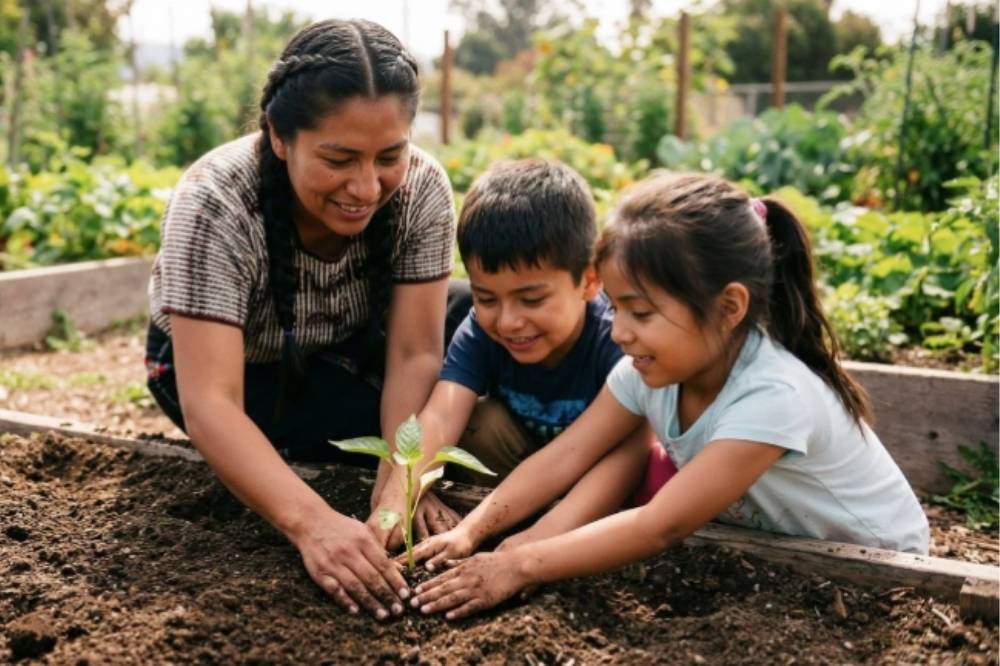
Trying brand new activities allows kids to discover hidden talents. Succeeding at a difficult task raises one’s self-worth. They feel a sense of pride in their personal progress. This pride gives them the courage to try even harder things.
Supportive group leaders offer praise that reinforces positive choices. This feedback encourages children to take healthy risks in social settings. They become less afraid of making mistakes.
Confident children are much more likely to speak up in groups. They feel secure in their identity and value their own contributions. This self-assurance helps them stand tall in any crowd.
Day programs give children the perfect arena to practice key life skills. They step away from daily routines and leap into valuable social lessons. These activities teach them to interact with confidence.
These summer weeks build a strong foundation for future personal relationships. The lessons learned under the sun stay with them for years to come. They grow into well-rounded individuals ready for the future.
