
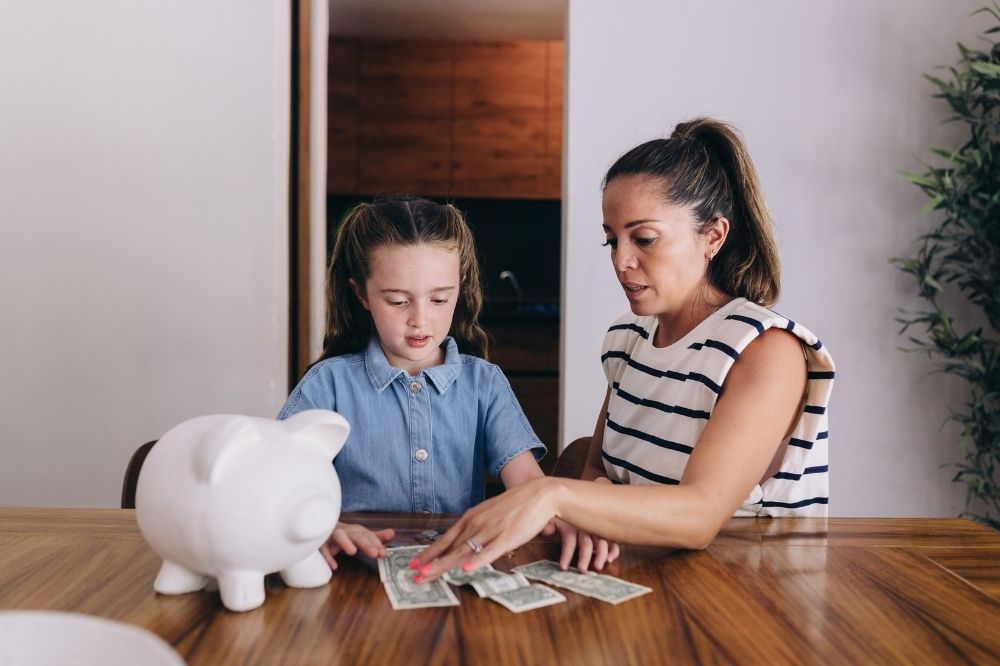
Can I be honest with you? No one ever sat me down to teach me how to budget. I learned by messing up, overspending, panicking a little, and slowly figuring it out as an adult. When I became a mom, I promised myself my kids wouldn’t have to learn about money the hard way, the way I did.
Over the past few years, I have tried a lot of things with my own kids. Some flopped completely (looking at you, complicated spreadsheet I tried to explain to my seven-year-old). But some really worked, and I want to share what actually stuck, mama to mama. Teaching kids to budget does not require a finance degree. It just requires making money feel real, simple, and connected to things they actually care about.
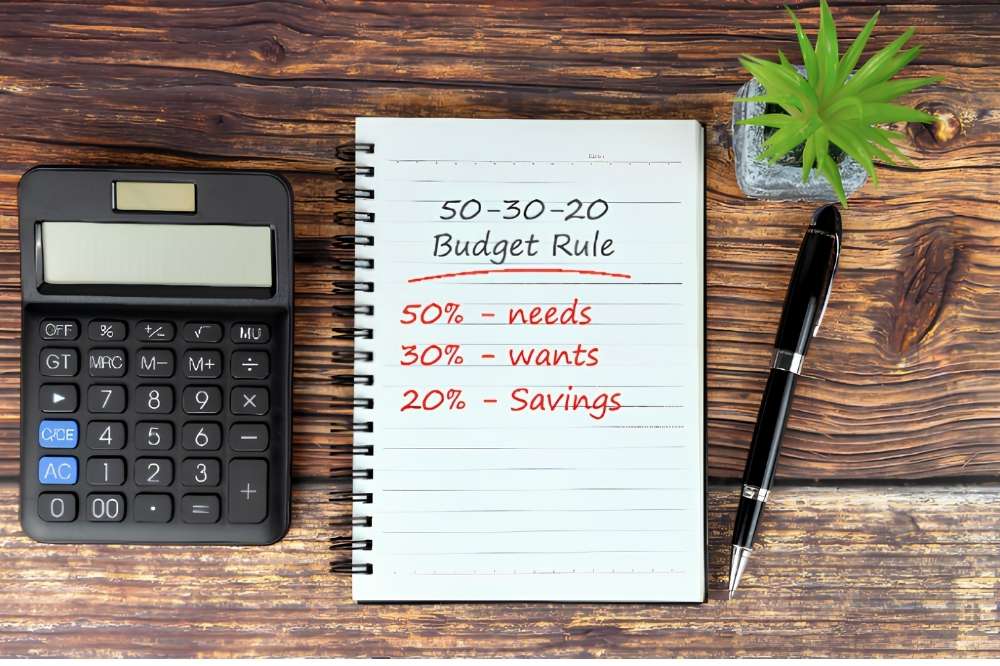
Image source: Dreamstime Stock Photos
Start With Jars, Not Spreadsheets
Here is something I wish someone had told me sooner. Little kids cannot wrap their heads around percentages or budgeting apps, but they absolutely understand jars. This is where we started, and it made everything click.
Every time my kids get money, whether it is allowance, birthday cash, or a few dollars from Grandma, we sit down together and split it among three jars.
Spend a jar on something they want soon, like a toy or a treat. Save the jar for something bigger they are working toward. Give a jar for donating or gifting to someone else.
I promise you, the exact split does not matter nearly as much as the habit of choosing what happens to their money rather than letting it just disappear. And honestly, watching real cash move between real jars taught my kids more in a month than any app ever could.
Let Them Feel the Trade-Off
Here is a lesson I had to learn to let go of control, and it made all the difference. Budgeting is not really about math. It is about trade-offs. Every dollar spent on one thing cannot be spent on something else.
One day, I gave my daughter twenty dollars and a short list of five things she wanted, knowing full well she could not afford them all. I let her choose. I did not step in when she spent it all on candy and had nothing left for the toy she really wanted. That was hard for me, mama heart and all, but that small disappointment taught her more than a dozen conversations ever could.
Give Them a Real (Small) Paycheck
Once my kids were a little older, we moved beyond an allowance for chores and started what we jokingly call their practice paycheck. Once a month, I hand them a set amount to cover something specific, like their clothing budget or entertainment money, and they manage it themselves.
The first time my son spent his entire clothing budget on a single pair of sneakers and then needed a jacket a few weeks later, I watched the lesson land in real time. No lecture from me could have taught that as well as living it did.
Talk About Your Own Budget Out Loud
This one surprised me the most. Kids learn so much just from hearing us talk. You do not need to share your salary or bank statements. Just narrate the small decisions.
I will say things like, “We are eating at home this week because the car needed a repair,” or “I am putting this extra money into savings instead of buying something new because we are saving for our trip.” Simple comments like that show my kids that budgeting is not scary or a sign that something is wrong. It is just what thoughtful people do every day.
Add a Little Structure as They Grow
Once my kids hit around ten or eleven, we added a simple visual tool, like a whiteboard with a few columns or a basic printable budget sheet. Nothing fancy. I kept it to three to five categories, such as spend, save, give, and maybe a big goal category, because too many categories overwhelm kids just as much as they overwhelm adults.
Connect It to a Goal They Actually Chose
If there is one thing I have learned, it is that motivation matters far more than method. A budget built around something my child genuinely wants, whether it is a video game, concert tickets, or a new bike, works far better than one built around an abstract idea of being responsible.
We calculate together how many weeks of saving it will take, and I let them track their progress visually, like coloring in a little thermometer chart as they inch closer to their goal. Watching that chart fill in keeps them excited rather than discouraged.

Keep It Light, Mama
If I can leave you with one thing, it is this. The tone you set matters more than the method you choose. If budgeting feels stressful or like a lecture, kids will grow up avoiding money conversations altogether, as so many of us did. But if you make it feel like a game with real choices and real ownership, it becomes something they feel confident about rather than something they feel anxious about.
The Bottom Line
Teaching our kids to budget does not require spreadsheets or complicated jargon. It just takes making money feel real, letting them make small, real decisions, and showing them thoughtful choices we make, too. Start with jars, let them feel real trade-offs, and let their own goals do the motivating. Do that consistently, and by the time they are managing a real paycheck, budgeting will not feel like a mystery. It will feel like something they have been doing their whole lives, right alongside you.
