
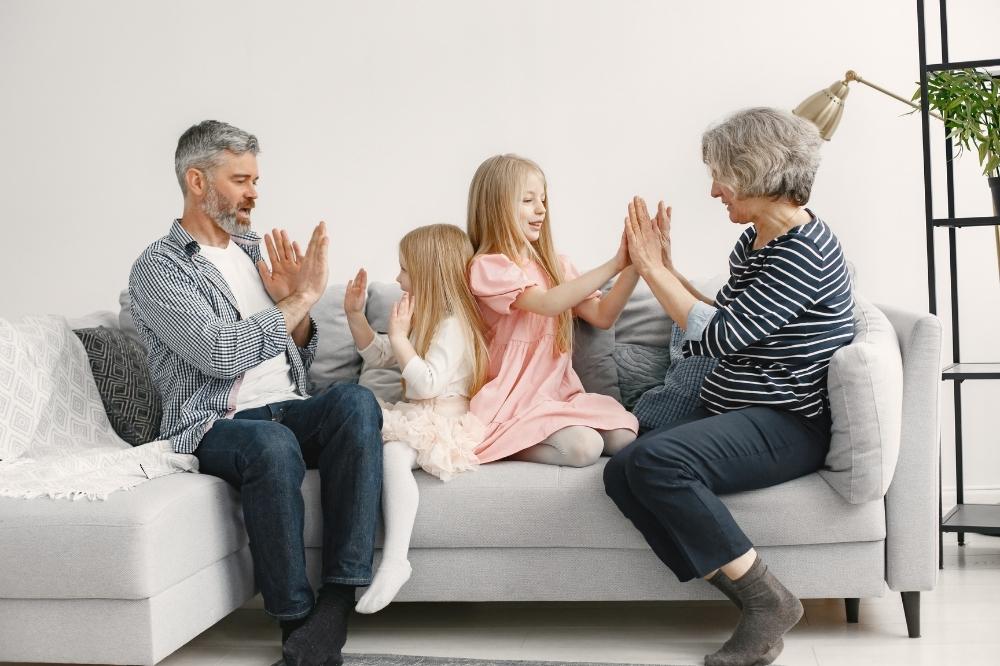
Children learn compassion through the small things they see and do at home. When a family has an older loved one who needs extra support, kids may notice changes in movement, energy, patience, or daily routines. These moments can become gentle lessons in kindness when adults explain them in a clear and age-appropriate way.
A child does not need to understand every health detail to be caring. They can learn that Grandpa may need more time to stand up, Grandma may prefer a softer chair, or an older neighbor may enjoy a quiet visit instead of a loud one.
The goal is to help children understand that comfort, patience, and attention matter. When parents model thoughtful care, children begin to copy those habits in small but meaningful ways.
Why Comfort and Movement Matter
Older adults may spend more time sitting, resting, or lying down, especially if they are recovering from illness, living with pain, or dealing with limited mobility. Children may wonder why an adult needs help changing positions, using pillows, standing up slowly, or taking short walks. These questions can lead to a calm conversation about how bodies need movement and comfort.
Parents can explain that staying in one position for too long can make the body sore. For older loved ones, this can become more serious because skin may be more delicate, movement may be harder, and discomfort may not always be noticed right away. Families who care for aging relatives often benefit from learning basics such as how fast bedsores develop so they can understand why regular movement and comfort checks are important.
This topic does not need to be frightening for children. A simple explanation works best: “Bodies feel better when we move a little, stretch, and sit comfortably.” That gives kids a practical way to understand why adults may remind an older loved one to shift in a chair, use a cushion, or take a short walk.
Small Ways Kids Can Help Safely
Children can be part of a caring environment without being responsible for medical care. Their role should stay simple, safe, and positive. A young child might bring a favorite blanket, choose a book to read aloud, draw a picture, or sit nearby for a short conversation. An older child might help set up a puzzle, refill a water bottle with adult permission, or ask if their loved one would like company.
These small actions teach children that care often begins with noticing. They learn to look for simple comfort cues, such as whether someone seems tired, cold, restless, or in need of quiet. Parents can guide this gently by saying, “Let’s ask if Grandma wants the pillow behind her back,” or “Let’s give Grandpa a little space while he rests.”
Boundaries are important. Children should know they do not lift, move, reposition, or give medicine to an older loved one. Those tasks belong to adults. Kids can help by telling a parent or caregiver when something seems off, such as a loved one saying they are uncomfortable or needing assistance.
Teaching Kids to Notice Discomfort Kindly
Compassion grows when children learn to notice discomfort without embarrassing anyone. Older loved ones may not want attention drawn to every need, especially around children. Parents can model respectful language that keeps dignity at the center.
Instead of saying, “You look like you can’t move,” a child can learn to ask, “Would you like me to get Mom?” or “Do you want your blanket?” These small phrases are kind, useful, and respectful.
Parents can also help children understand privacy. Some health needs are personal, and kids do not need to ask too many questions. A good rule is simple: notice, ask gently, and get an adult if help is needed. This keeps the child involved while protecting the older loved one’s dignity.
What Families Should Know About Pressure and Stillness
When someone sits or lies in one position for a long time, pressure can build on certain parts of the body. This is one reason caregivers pay attention to cushions, movement, skin health, and overall comfort. For people with limited mobility, pressure sores can become a concern, especially when they cannot easily shift their weight or communicate discomfort.
Parents can explain this in a simple way: “When we sit too long, our body can feel sore. Older bodies sometimes need extra help getting comfortable.” This gives children enough understanding without making the topic too heavy.
This lesson can also connect to a child’s own experience. Many children know what it feels like to sit too long in a car seat, at a desk, or during a long event. They may wiggle, stretch, or ask to move around. Connecting that familiar feeling to an older loved one’s needs helps build empathy naturally.
Turning Care Into a Learning Moment
Family care can teach patience, listening, and responsibility. Children may notice that older adults sometimes move slowly, repeat stories, need extra quiet, or prefer routines. These differences can be frustrating at first, especially for kids who are used to fast answers and quick transitions.
Parents can prepare children before visits or caregiving moments. A simple reminder helps: “Today we are going to visit Aunt May. She gets tired easily, so we will use calm voices and choose quiet activities.” Clear expectations help children feel prepared and make the visit easier for everyone.
Children can also learn that care looks different from person to person. One grandparent may enjoy a noisy game, while another may prefer a short story. One older neighbor may want help carrying mail, while another may simply enjoy a wave from the sidewalk. Compassion becomes more meaningful when children learn to pay attention to the person in front of them.
Simple Comfort Activities Kids Can Do With Older Loved Ones
Hands-on activities can help children connect with older loved ones in a relaxed way. The best options are simple, flexible, and easy to pause. A child might make a handmade card, decorate a bookmark, create a small photo album, or bring a drawing to display nearby.
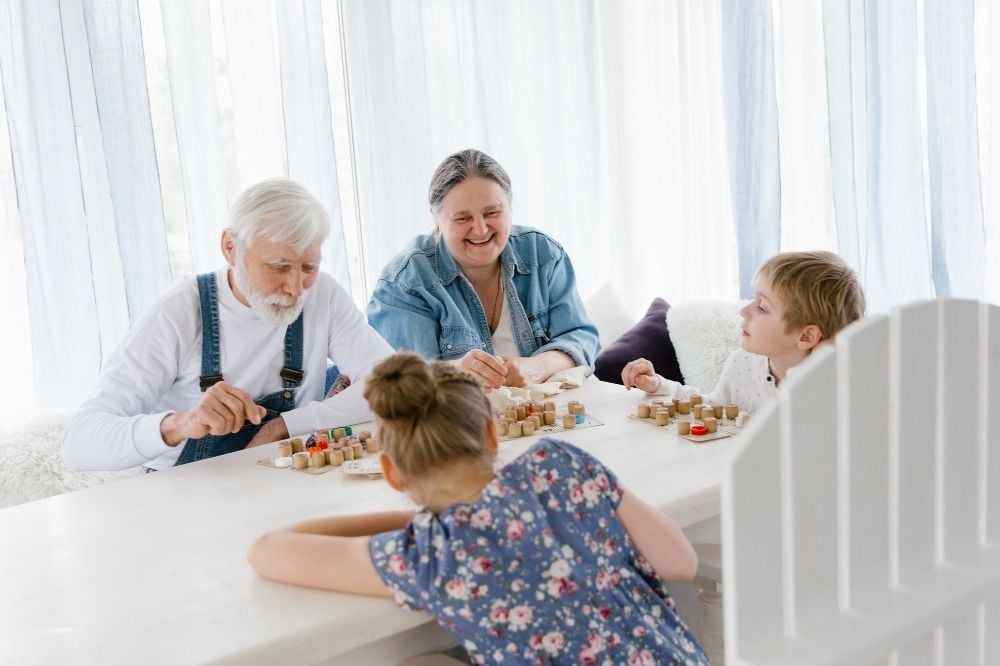
Quiet shared activities work well too. Reading a picture book, sorting family photos, working on a puzzle, listening to favorite songs, or asking about childhood memories can create connections without requiring too much energy. These moments help children see older loved ones as people with stories, preferences, humor, and wisdom.
A small comfort basket can also be a thoughtful project. With adult guidance, children can gather items such as a soft blanket, tissues, lotion, puzzle books, family photos, or large-print reading material. The project should stay practical and personal, with the focus on making someone feel seen and cared for.
Building Connection Through Low-Pressure Time Together
Some of the best family moments happen when expectations are simple. A visit does not need a full schedule, a big activity, or a perfect conversation. Children and older loved ones may connect through quiet reading, a short walk, a card game, or sitting together while looking through photos.
Parents can make family connection the goal instead of trying to make every moment educational. When children feel relaxed, they are more likely to listen, ask thoughtful questions, and enjoy the time they spend with older relatives.
Low-pressure time also helps older loved ones feel respected. They may have good days and hard days. A child can learn that care means adjusting to someone else’s energy. If a planned activity feels like too much, it is fine to switch to something quieter or end the visit early.
Keeping Compassion Age-Appropriate
Children should never feel responsible for an older loved one’s health or safety. Adults are responsible for medical care, mobility support, hygiene, and decisions about comfort needs. A child’s role is to be kind, observant, and willing to help in simple ways.
For younger children, compassion may mean using a gentle voice, waiting patiently, or giving a hug if the loved one wants one. For school-age children, it may mean helping choose an activity, asking polite questions, or telling an adult if someone seems uncomfortable. For teens, it may include deeper conversations about aging, caregiving, and family responsibility.
Parents can remind children that asking for help is a caring action. If an older loved one seems upset, tired, sore, confused, or unable to reach something, a child should get an adult. This simple rule keeps everyone safer and helps children understand that families care best when they work together.
Small Acts of Care Can Teach Big Lessons
Helping children care for older loved ones gives them a living example of empathy. They learn that kindness can be quiet, practical, and patient. They also see that small actions can make someone’s day easier.
These lessons often stay with children because they come from real relationships. A handmade card, a calm visit, a shared story, or a thoughtful question can help a child understand compassion more deeply than a lecture.
When parents guide these moments with warmth and clear boundaries, children learn how to care without feeling burdened. They begin to understand that every person deserves comfort, respect, and attention, especially the older loved ones who have cared for others for many years.
