
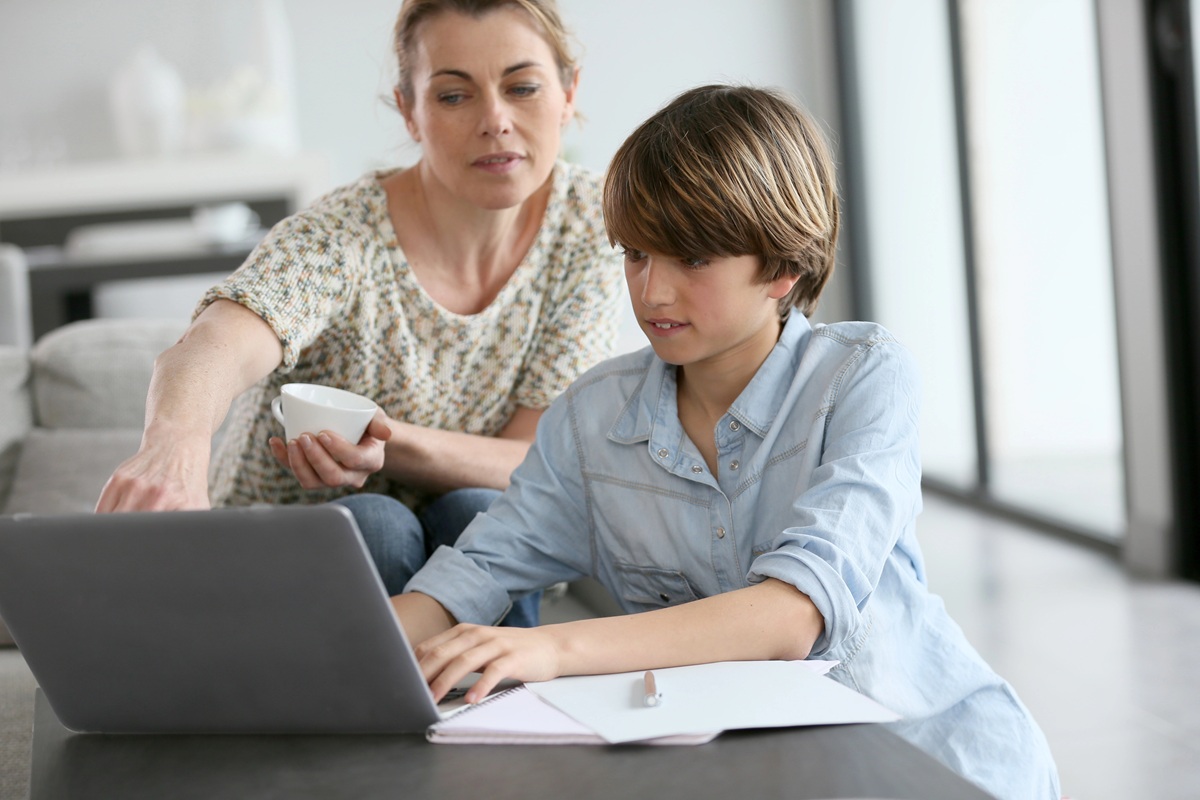
School life now spills into every corner of the house. Now, homework sits in browser tabs, while reading apps ping after dinner. Meanwhile, group projects happen on shared documents, sometimes while a child is half-listening and eating cereal.
Therefore, digital safety is no longer some separate “tech topic.” Rather, it has become part of learning itself.
Digital Safety Is a Learning Skill Now
In most cases, parents think about pencils, folders, lunchboxes, and maybe a quiet desk. However, the invisible school supplies matter too. These include:
- Secure passwords
- Careful clicking
- Private browsing habits
- A basic understanding of public Wi-Fi.
Now, these aspects shape how children move through assignments, research, and online classrooms. These are more like seatbelts. They are simple, practical, and still very important.
For many families, getting a VPN can be a positive step toward building safer online routines. This is especially helpful when kids use shared networks at libraries, airports, cafés, or school-adjacent spaces.
Of course, it is not a magic shield, and honestly, it should not be treated like one. However, it helps protect internet activity from unnecessary exposure on unsecured networks.
What a VPN Actually Does
A Virtual Private Network (VPN) creates a more secure connection between a device and the internet. In plain words, it makes it harder for outsiders on the same network to snoop on online activity. Therefore, when a student logs in to a learning portal on public Wi-Fi, a VPN can add another layer of privacy.
However, this is where parents need to stay grounded.
- A VPN does not teach judgment.
- It does not block every bad website.
- It does not replace parental controls, honest conversations, or common sense.
Instead, a VPN works best as part of a bigger digital safety routine. This is the same way a helmet helps on a bike, but it does not teach a child how traffic works.
| School-Related Online Moment | Why It Matters | How a VPN May Help |
| Using the library or café Wi-Fi for homework | Public networks can expose browsing activity | Adds a more private connection |
| Logging into school platforms from home | Student accounts hold personal information | Helps reduce unwanted network-level tracking |
| Researching for projects | Kids move between many unfamiliar sites | Supports safer browsing habits alongside guidance |
| Traveling during school breaks | Devices often connect to unknown networks | Adds consistency when home Wi-Fi is not available |
The Parent Piece, Not Just the Tech Piece
Meanwhile, children learn a lot by watching adults handle technology. If adults treat privacy like an annoying extra step, kids often do the same. But if adults explain, calmly and clearly, why certain habits matter, kids start connecting the dots. That part matters more than the app itself.
For example, a parent might say, “This Wi-Fi is public, so let’s be more careful before logging in.” Additionally, that small comment turns an ordinary moment into a learning moment. Over time, children begin to understand that the internet has places, crowds, shortcuts, and risks, just like the physical world.
Where VPNs Fit in a Family Routine
At the outset, a VPN works best when families use it with other habits. Therefore, it should sit beside strong passwords, device updates, and careful app downloads. Also, there must be regular check-ins about what the kids are doing online.
A simple family approach might include:
- Use trusted home Wi-Fi for schoolwork whenever possible.
- Turn on a VPN before using public Wi-Fi.
- Keep school passwords private, even from friends.
- Talk through suspicious pop-ups, strange links, and “free” downloads.
Still, balance matters. For instance, too many rules might make kids secretive or anxious. Consequently, the better route is steady repetition. Hence, there must be short reminders and clear reasons. So, there will be less drama and more practice.
The Classroom Connection
Teachers already carry enough. Yet digital privacy increasingly touches classroom learning. Students submit work online, join virtual sessions, use educational games, and save projects in cloud folders. Because of that, families and schools require a shared language around safety.
It must not be technical jargon. Rather, it must contain everyday terms that kids can actually use.
For younger children, that might mean, “Some internet doors are safe, and some need an adult.” Meanwhile, for older students, it may sound more direct: “Public Wi-Fi is convenient, but it is not always private.”
Either way, the goal is to help kids become thoughtful, independent digital learners.
Safer Browsing Supports Better Learning
VPNs are not the whole answer, and they should never be sold as one. However, they might support a healthier learning environment when families understand their role. In this case, the deeper lesson is bigger than privacy software. Essentially, children must know that online spaces deserve attention, care, and boundaries.
After all, school is not only about finishing the worksheet. Also, it is about learning how to move through the world with judgment. These days, that world includes screens, passwords, and shared networks. Moreover, it is also about the quiet little choices made before clicking “connect.”