
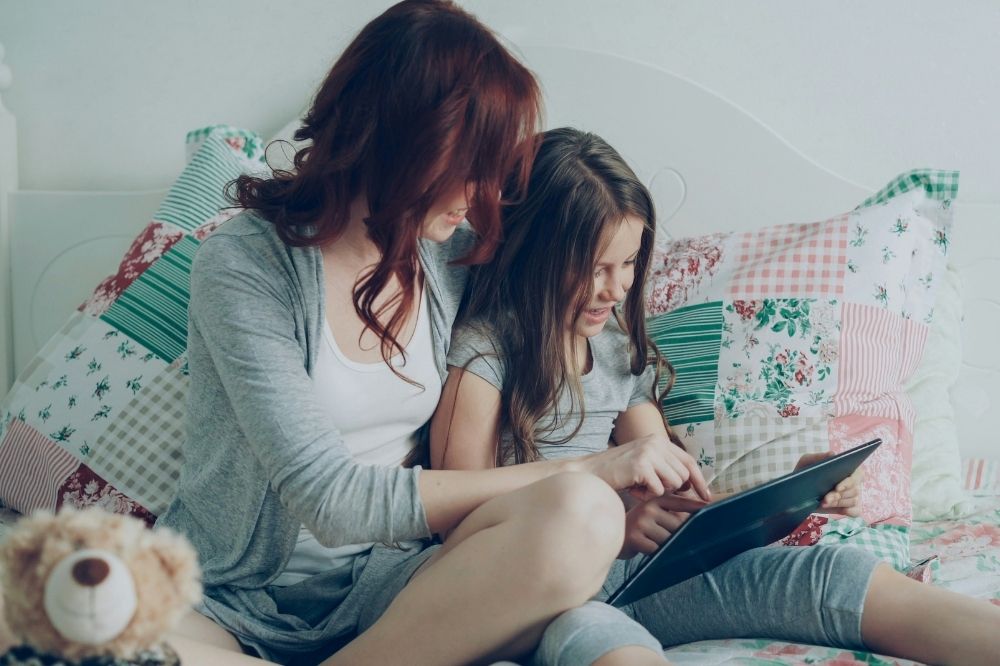
Good study habits don’t just happen. Like a plant that needs the right soil, light, and water, they grow slowly. For a lot of kids, home life is that “soil.” Before a child learns how to organize their homework, stay focused, or manage their time at school, they often learn something even more basic at home: how to live their daily life. That’s why family routines are so important.
Kids learn about rhythm, responsibility, and consistency when their families stick to simple routines. They learn that some things happen every day, some things need to be done, and hard work is a part of everyday life. In other words, good ways to learn often start with family routines because they teach structure without making it seem like a lesson.
You could say that school is the stage and family life is the backstage crew. It sets the mood, changes the lights, and makes sure everything goes as planned. Even a smart kid may have a hard time developing good study habits without that support. It can make learning feel more natural, steady, and less stressful.
This article will talk about how family routines affect how kids learn, how small daily habits can make a big difference, and what parents can do to make their homes better places for long-term success.
Understanding the Link Between Home Life and Learning
Kids learn from more than just books, teachers, and things that happen in class. They also learn by looking at other people. Every family sends messages, even if they don’t say anything. A child sees if the people in the house plan ahead, get things done, respect time, and make quiet places to work. These daily signals change the way the child thinks.
This is one reason why family routines and learning habits are so closely linked. A kid who has regular meal times, bed times, reading times, and quiet times for homework learns to see order as normal. That sense of order can help the child learn because they don’t have to deal with chaos first.
Routines also make kids feel safe. Kids often feel more emotionally stable when life at home is predictable. When kids feel safe, their minds are better able to concentrate, remember, and figure things out. It’s not just smart people who learn. It also has to do with emotional space. Even if they can, a child who is stressed or confused may have trouble concentrating.
Family routines can also affect how people feel about working hard. Kids learn that doing things over and over again leads to progress when they see that daily tasks are important. That lesson is very strong. It teaches them that learning isn’t magic. It’s practice. Like brushing your teeth keeps your body healthy, studying regularly keeps your mind sharp.
Small Daily Actions Build Big Results
A lot of parents are worried about their kids’ big academic goals. They think about their grades, tests, future jobs, and long-term success. But you usually build strong learning habits by doing small things every day. Reading for 15 minutes, packing your school bag the night before, finishing your homework before screen time, or talking about your day at dinner may seem easy, but these habits add up.
Small habits matter even more as children grow and school tasks become more demanding. A routine that begins with reading time in primary school can later support note taking planning and longer writing tasks. Older students often need a clear process for gathering sources, checking facts and shaping ideas into a strong paper. That is why families benefit from talking openly about research expectations and the kind of help a student may seek when the workload rises. In some cases a parent and student may review outside options and decide to hire research paper writer at EduBirdie when a complex assignment disrupts regular study habits. This does not replace the value of routine at home. It shows that routines also include how families respond to academic stress in a calm and planned way. When students know when to read, when to draft and when to seek extra help they are less likely to panic. They also stay organized and protect the learning habits they have already built.
A family routine is like a bridge made of small wooden boards. One board by itself doesn’t look very good. But when a lot of boards are connected, they have weight. Little habits also help you learn more over time.
Kids who stick to a regular schedule often learn important life skills without being taught. They start to learn how to manage their time, control themselves, get ready, and follow through. These aren’t just things you learn in school. They are skills you need in life. And they often start at home, in the middle of very normal things.
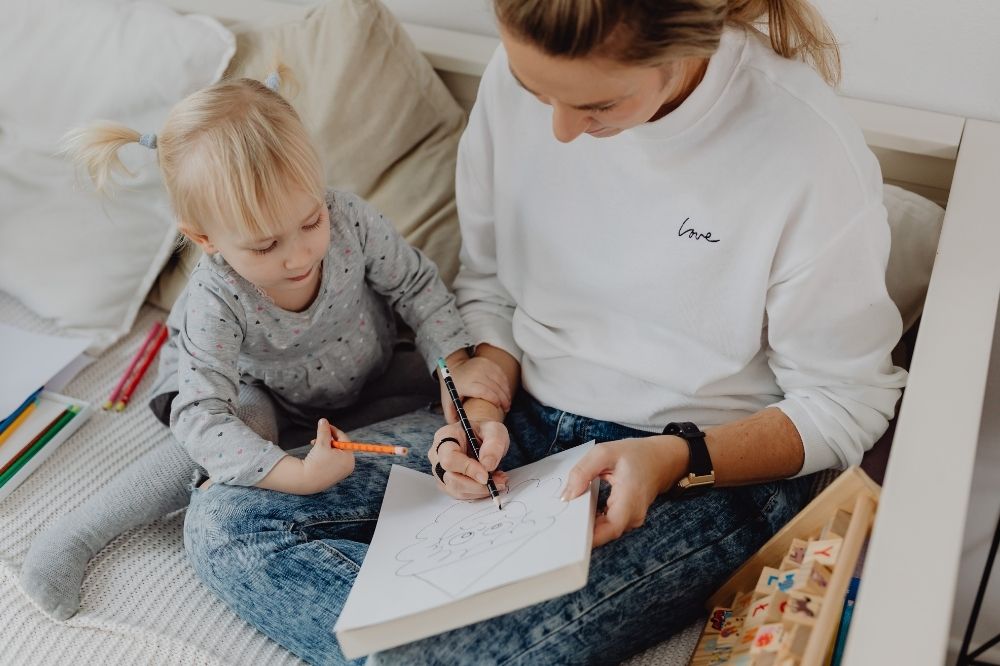
Why Family Routines Create the Right Environment
A strong routine doesn’t mean that your home has to be strict or boring. It just means that life has some order to it. That shape helps kids know what to expect and what they need to do. They can use that energy to learn and grow instead of wasting it on guessing what will happen next.
Predictability Reduces Mental Noise
Think about how hard it would be to read in a room where people keep moving things around. That is how learning can feel when there is no routine at home. A kid may feel mentally scattered if dinner is at a different time every night, bedtime is always changing, and homework is only done when someone suddenly remembers it.
Predictability cuts down on that mental noise. The brain starts to get ready for the pattern when a child knows that there will be a snack, a short break, and then homework time after school. This makes it easier over time. The child doesn’t see study time as a punishment anymore. It becomes a normal part of the day, like anything else.
This is important because habits are easier to break when they are linked to a regular cue. A routine tells the child, “It’s time to pay attention.” That simple pattern might work better than arguing or reminding someone over and over.
Everyday Family Routines That Support Learning
The good news is that families don’t need to have perfect schedules to help their kids learn good habits. In fact, the best routines are usually easy to follow and make sense. Not perfection, but consistency is what matters most.
Here are some family routines that can help kids learn better:
- a set time to wake up and go to bed every day
- a time each afternoon or evening to do homework in peace
- time to read together, even for older kids
- limits on screens during study time
- getting ready for school the night before by packing clothes, bags, and supplies
- family meals with simple talk about the day; a weekly check-in about school work, goals, or events coming up
These routines are helpful because they make things less confusing and make people more responsible. A child who packs their bag every night is learning how to be organized. Reading with a parent helps a child learn new words and pay attention. When a child does their homework at the same time every day, they are teaching their brain to focus on command.
For example, let’s look at reading time. A lot of people believe that a child’s reading habits are only based on what they like. But the family’s daily life is very important. Kids are more likely to see reading as important if it’s a normal part of their home life. If books are always “extra,” reading might feel like a job. The message is important.
Family meals should also get more credit. There is more to them than food. They make a natural place for talking, telling stories, listening, and thinking. When families talk about the day, kids learn how to say what they mean, explain problems, and ask questions. These skills help you learn in all subjects.
Doing chores can help too. When kids have small chores to do around the house, they learn how to be responsible and disciplined. They start to understand that everyone adds something. That way of thinking can affect schoolwork. A kid might start to think, “This is my job, and I need to do it.”
Common Challenges and How Families Can Handle Them
Real life, of course, isn’t always neat. Parents might have to work a lot of hours. Kids may have different schedules. Some homes are loud, busy, or full of stress. That doesn’t mean it’s impossible to learn good habits. It just means that routines might need to be adaptable and useful.
One common problem is not having enough time. Families often think they are too busy to set up routines. But a routine doesn’t have to be long to be helpful. Reading for ten minutes before bed or spending five minutes checking what you need for school tomorrow can really help.
Another problem is that things aren’t always the same. A lot of families start off strong, but then they lose their drive after a few days. This is normal. The answer is not to make a system that works perfectly. The answer is to make a simple one. A plan that no one follows is not as good as a routine that is easy to follow.
Here is a short list of common problems and possible solutions:
| Challenge | How it changes the way you learn | Easy Family Answer |
| Irregular bedtime | The child is tired and has trouble focusing because of an irregular bedtime. | Even if the exact minutes change, set a regular sleep window. |
| Too much time in front of a screen | Homework takes longer and people lose interest. | Make a rule that says “homework before screens.” |
| Schedules for busy parents | Fewer rules and less supervision | Try a 10-minute evening check-in or other short, repeatable routines. |
| Several kids with different needs | It’s hard to keep track of one shared schedule. | Have one anchor routine, like quiet study time for everyone. |
| Stress at home | The child may feel overwhelmed or distracted. | Make sure that routines are calm, simple, and easy to follow. |
It’s also important not to make routines into fights all the time. A routine should help, not hurt. If you always end up yelling during homework time, you may need to change your routine. The child might need a longer break after school. It could be that the homework area is too loud. Expectations might be too high. A routine should help kids learn, not make them feel like they’re in trouble.
Parents don’t have to be great teachers. They just need to be steady guides. That might be enough.
Conclusion: Family Routines Are the First Classroom
Why do family routines often help kids learn better? Because routines teach kids more than just how to study; they teach them how to live with purpose. They show that time, effort, and the choices we make every day are all important. They make the home a place where learning feels normal, supported, and possible.
A family routine won’t fix everything. It won’t fix every problem at school right away. But it can help you focus, build your confidence, stay disciplined, and keep your emotions in check. It can make learning a normal part of everyday life instead of something that makes you nervous.
Family routines are like the roots of a tree in a lot of ways. We don’t always see them, but they are what keeps everything together. It’s easier for plants to grow when their roots are strong. And kids who grow up in a home with stable, loving routines often take those habits with them to school, work, and adulthood. That’s why the way to better learning often starts at home, in the quiet strength of everyday family life.
