
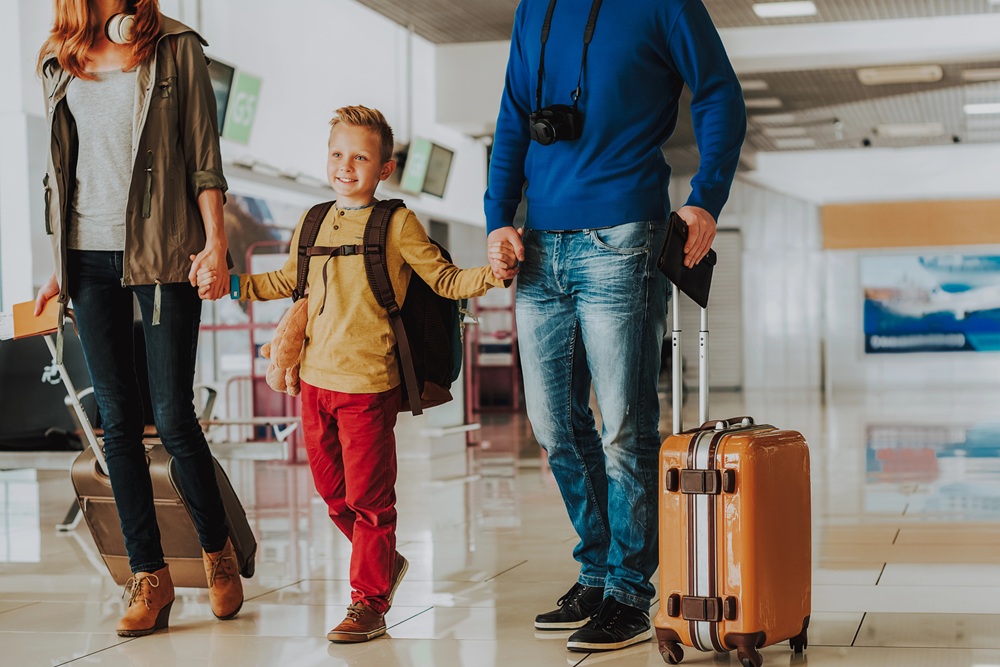
Planning a big journey with your kids can be an exciting and enriching experience. Whether it’s a road trip, a flight to a distant destination, or even a multi-country adventure, traveling offers opportunities to create lasting memories, learn about new cultures, and experience the world in ways that books and screens just can’t provide. However, to make the most out of the journey, it’s important to prepare your kids both mentally and practically.
In this article, we’ll explore several essential things to teach your kids before embarking on your next big trip together. From basic travel etiquette and safety rules to handling money in different countries, these tips will help ensure a smoother, more enjoyable travel experience for everyone.
1. Basic Travel Etiquette
One of the first things you should teach your children before a big journey is basic travel etiquette. Whether you’re traveling by plane, train, or car, teaching your kids how to behave in different travel settings can prevent uncomfortable situations and help them feel more confident in new environments.
Respect for Others
Teaching kids the importance of respecting others’ personal space is vital. For example, if you’re traveling by plane, remind them to stay seated, speak quietly, and be considerate of other passengers. While it might be exciting to explore, keeping noise levels down and staying calm will ensure that everyone enjoys the trip.
Patience During Travel
Traveling often involves waiting—whether it’s in lines, at airports, or while navigating new cities. Explain to your kids that patience is key. Encourage them to bring activities to pass the time, such as books, puzzles, or electronic devices, and teach them to take turns when space or attention is limited.
Politeness and Communication
Travel often requires interactions with people from diverse backgrounds. Teach your kids how to greet others respectfully, say “please” and “thank you,” and ask questions politely. These simple communication skills will help them feel more at ease when meeting new people and navigate unfamiliar environments with confidence.
2. Health and Safety Considerations
Traveling introduces your children to new environments, which might include different food, weather, and even health risks. It’s essential to prepare them for potential challenges and teach them how to stay safe during the journey.
Hand Hygiene
One of the most important habits to instill in your kids before travel is proper hand hygiene. Remind them to wash their hands frequently, especially before eating or touching their face. In airports and public spaces, hand sanitizers are useful when soap and water are unavailable.
Understanding Health Risks
If you’re traveling to a destination with different health risks—such as a tropical region or a place with a history of illnesses—make sure to discuss these risks with your children. Teach them how to protect themselves, such as wearing sunscreen, drinking bottled water, or avoiding certain foods.
Emergency Preparedness
Make sure your children know what to do in an emergency. Talk to them about how to identify a safe person (like a uniformed staff member) if they get lost, and explain the importance of staying together. Practice scenarios such as how to ask for help in an emergency, and teach them basic first-aid skills for minor injuries.
3. Navigating Currency and Money Matters
Understanding how money works while traveling is crucial for both parents and children. Before your trip, teach your kids about currency, exchange rates, and how money transfers work in different countries.
Learning About Local Currency
Every destination has its own currency, and it’s important that your kids understand the basics. Take time to explain the differences between various forms of money, such as bills and coins, and show them how the exchange rate might affect the value of what they buy. For example, a dollar may be worth more or less depending on where you are.
How to Use Money Abroad
In today’s world, most travelers use credit or debit cards abroad, but it’s still important to carry some local currency for smaller transactions. Teach your children how to manage and budget their own spending money. You might even want to give them a small amount of foreign currency as practice for purchases at airports or local shops.
Money Transfers and Digital Payments
One aspect of modern travel is the convenience of digital payments and money transfers. Whether you’re at home or abroad, services like online bank transfers or apps that allow you to send money overseas make managing finances easier. Before traveling, explain to your kids how these systems work and why they’re important. This is especially helpful if you’re abroad and need to access emergency funds or make payments quickly. Understanding digital money transfers will help them feel more confident when managing money in the digital age.
4. Packing Smart and Travel Essentials
Packing the right items is one of the most essential steps in preparing for travel. If you’re going on a longer journey, it’s even more important to teach your kids how to pack efficiently and what essentials to bring along.
What to Pack
Start by teaching your kids how to pack a carry-on bag. They should include essential items such as a change of clothes, snacks, a water bottle, and entertainment like books or games. If you’re traveling to a place with a different climate, help them understand how to dress accordingly—layers are always a good option for unpredictable weather.
Comfort Items
Especially for younger children, it’s a good idea to bring a comfort item, such as a favorite blanket or stuffed animal, to ease anxiety during long travel. It’s also wise to pack any medications or travel comfort items, such as neck pillows, headphones, or a sleep mask, to help them rest during long flights or drives.
Travel Accessories
In today’s tech-savvy world, children often have their own devices, such as tablets or phones. Teach them to use electronic devices responsibly during the journey. Remind them to charge their devices and pack essential accessories, such as headphones and power banks. Also, emphasize the importance of protecting valuables by keeping devices in a safe place while traveling.
5. Embracing New Cultures and Open-Mindedness
One of the most valuable lessons you can teach your kids before traveling is the importance of embracing new cultures and showing respect for diversity.
Respect for Different Traditions
Each destination you visit will have its own culture, and it’s essential to teach your children to respect the local traditions, customs, and etiquette. From how to greet someone to understanding appropriate dress codes, helping your kids learn about cultural norms will make the trip more enjoyable and respectful.
Open-Mindedness and Curiosity
Encourage your kids to be curious and open-minded. Teach them that every culture has its own way of doing things and that differences can be exciting and worth exploring. Whether it’s trying new foods, learning a few words in a different language, or appreciating different art styles, the goal is to foster a sense of wonder and respect for the world.
Learning Opportunities
Traveling is an excellent opportunity for kids to learn new things. Take the time to explain historical sites, landmarks, and local traditions. Involve them in the learning process by asking questions and discussing what they see, hear, and experience. This will help them gain a deeper appreciation for the journey.
Conclusion
Preparing your children for a big journey doesn’t just involve packing their bags or securing travel documents. It’s about teaching them the skills they’ll need to navigate different environments, manage money, stay safe, and embrace the excitement of discovering new places and cultures. By teaching your kids essential lessons before your trip, you can ensure that everyone is prepared for an enjoyable and stress-free adventure. After all, travel is about more than just reaching a destination; it’s about growing, learning, and creating memories together.