
Errands may feel ordinary to adults, but for kids, they are full of things to notice, count, read and understand. A grocery run, post office stop, library visit or school errand can become a simple chance to practice real-world skills.
The best part is that these moments do not need special supplies or a formal lesson plan. With a little intention, everyday outings can help children build reading, math, observation, manners, patience and decision-making skills in a natural way.
Start with a simple errand-day mission
Before leaving the house, give your child one small mission. This gives the outing a purpose and helps them stay engaged.
For younger kids, the mission might be finding three red things, counting how many stops are planned or looking for a specific shape. Older kids might help remember what comes next, read a short list or compare two items in the store.
Keep the mission easy and playful. The goal is not to make errands harder. It is to give children something simple to focus on while moving through the day.
Practice early literacy by reading signs and labels
Errands are full of reading opportunities. Store signs, aisle labels, food packaging, street signs, menus and receipts can all become quick literacy practice.
Younger children can look for letters they know, identify colors, recognize logos or listen for beginning sounds. For example, you might ask, “Can you find something that starts with B?” or “Do you see the word milk?”
Older children can read short labels, help find items from a list or compare two packages. These small moments show kids that reading is not just something that happens in books. It is part of everyday life.
Build math skills with counting and comparing
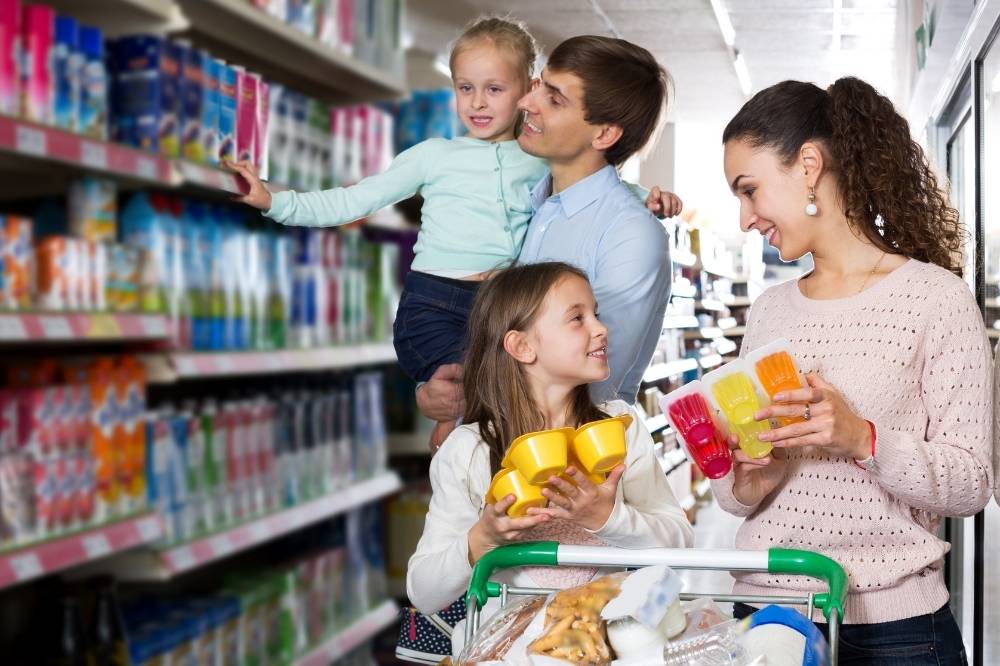
Math is everywhere during errands. Kids can count apples in a bag, compare prices, estimate how many items are in the cart or figure out which line is shorter.
You can also talk about simple math words like more, less, same, first, last, big, small, heavy and light. At the grocery store, a child might compare two boxes of crackers or count how many bananas go into the basket.
Keep it light. You do not need to turn the store into a classroom. A few quick questions can help children practice math in a way that feels useful and fun.
Let kids help with lists and planning
Children love feeling helpful, and errands are a great way to practice planning. Let your child help make a short grocery list, cross off items or check what you already have at home.
Older kids can help group errands by location or decide which stop should happen first. For example, you might ask, “Should we go to the library before or after the grocery store?” This builds sequencing, organization and responsibility.
Even simple participation helps children see that planning makes family life run more smoothly. It also gives them a role in the outing instead of making them feel like they are just being dragged along.
Talk about choices in age-appropriate ways
Errands naturally involve choices. Parents decide what to buy, what to skip, what can wait and what fits the plan for the day. These choices can become gentle learning moments.
You might talk through choosing apples or bananas, picking one snack, waiting for a sale or deciding whether something is a need or a want. For younger kids, keep it simple: “We need bread today, but the cookies are a treat.”
These conversations help children understand that choices are part of everyday life. They also build practical thinking without making money feel scary or stressful.
Practice manners and social confidence
Everyday errands give kids chances to practice social skills in real settings. They can greet a cashier, say thank you, wait in line, hold a door or ask a polite question.
For shy children, these moments can be small and low-pressure. They might start by waving, handing an item to the cashier or saying “thank you” with a parent nearby. Over time, those tiny interactions can build confidence.
Manners are easier to learn when children see them used naturally. Errands provide plenty of chances to practice kindness, patience and respectful communication.
Use waiting time wisely
Waiting is often the hardest part of errands, but it can also become a quick learning moment. Lines, waiting rooms and car stops are perfect for simple games.
Try “I spy,” rhyming games, color hunts, memory games, storytelling or asking your child to predict what happens next. You can count how many people are in line, look for letters on signs or make up a story about where everyone is going.
These games keep kids engaged and make waiting feel shorter. They also help children practice patience without simply being told to be patient.
Use parent tools to make errands smoother
Learning moments work best when parents are not completely overwhelmed. A little organization can make errands calmer before you even leave the house.
Shared calendars, grocery apps, digital lists, store accounts, reminders and premium banking rewards can help parents stay organized around planned purchases and family errands. The point is not to buy more or add more tasks. It is to use tools that make routine days easier to manage.
When parents feel more prepared, it is easier to slow down and notice small learning opportunities with kids.
Keep it short and positive
Not every errand needs to become a lesson. Some days, the goal is simply to get in, get what you need and get home.
Choose one or two small learning moments and let that be enough. If your child is tired, hungry or frustrated, it is okay to pause the activity. Learning works best when it feels positive and connected, not forced.
The goal is not perfection. It is to help children notice that the world around them is full of things to learn.
Learning is already happening in everyday life
Children learn through real experiences. They learn by watching, helping, asking questions and practicing small skills again and again.
Errands may seem ordinary, but they offer many chances to read, count, compare, choose, wait and connect. With a little intention, parents can turn everyday outings into simple learning moments that fit naturally into family life.
