
As parents, we often look at the world map and wonder how we can give our kids a truly global perspective. We want them to grow up curious, empathetic, and aware of the beautiful diversity that exists outside our neighborhood.
But let’s be honest for a moment. Between managing school schedules, preparing dinner, and handling the daily laundry mountain, planning a massive international vacation isn’t always feasible or realistic.
How can we bridge that gap without adding more stress to our already packed days?
Honestly, I guess the pressure to be a perfect, worldly educator can feel heavy when you’re just trying to survive the morning rush.
The good news is that raising culturally aware children doesn’t require a passport or an expensive plane ticket. You can weave global education right into the fabric of your daily family life.
And it starts much closer to home than you think. By using creative, hands-on activities, you can turn your living room into a gateway to the world.
The Power of Global Flavors
One of the easiest and most delicious ways to introduce your kids to a new country is through food. Every culture has its unique comfort foods, spices, and cooking traditions.
Instead of sticking to the usual weekly meal rotation, you can dedicate one night a week to a specific country.
Involve your children in the entire process. Pick a country together, look up a traditional recipe, and head to the grocery store to find the ingredients.
Whether you’re rolling out dough for homemade empanadas or learning how to fold a dumpling properly, the kitchen becomes a classroom. Have you ever noticed how food can break down barriers faster than any textbook?
As you cook, you can discuss where the country is located and what the landscape looks like. It’s amazing how much a simple spice can spark a conversation about history and geography.
Storytime Without Borders
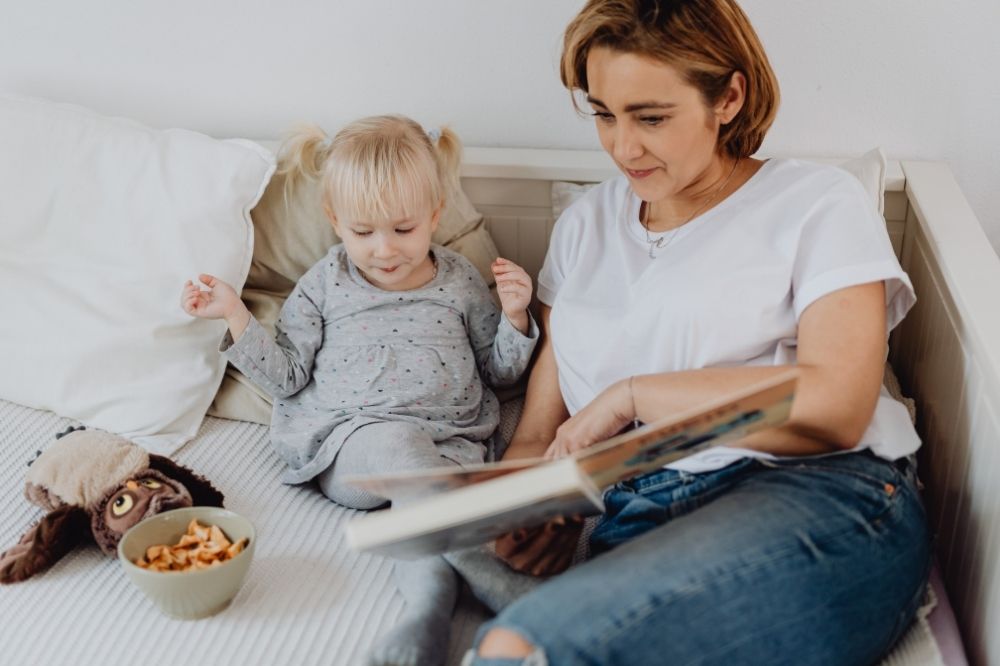
Books have an incredible ability to foster empathy by letting children step into someone else’s shoes. To build a global mindset, take a look at your current home library and see where you can expand.
Look for children’s books written by international authors or stories that celebrate daily life in other parts of the world.
When you read these stories together, focus on the similarities as well as the differences. What if the best way to teach understanding is simply by reading a bedtime story?
Your child will notice that even though a character lives thousands of miles away and speaks a different language, they still love playing with their friends, going to school, and spending time with family.
This realization builds a deep sense of connection to the global community. You know, it is in those quiet bedtime moments that big ideas really sink in.
Creating a Living Cultural Exchange
While books and food are wonderful tools, nothing compares to the impact of personal interaction. Connecting with people from different backgrounds is the most effective way to bring cultural awareness to life for your children.
One beautiful way to achieve this is by welcoming a global perspective directly into your household. Many families find that hosting an intercultural childcare provider offers an immersive educational experience for everyone involved.
For example, families who welcome a live-in au pair into their home find that their children gain a profound, firsthand understanding of another country, and it can help to first use an au pair childcare cost calculator to see how this arrangement fits within the family budget.
Imagine your kids learning traditional songs, hearing a new language spoken naturally at the breakfast table, and celebrating international holidays with someone who grew up with them.
It transforms cultural education from a passive lesson into a living, breathing part of their daily routine. Maybe that is the real secret to empathy.
These relationships often blossom into lifelong bonds, showing children that the world is a welcoming place filled with friends they haven’t yet met.
But it goes even deeper than that.
The Rhythm of the World
Music and art are universal languages that transcend borders. You can easily integrate global sounds into your home by changing your daily soundtrack.
Try playing international music during playtime, or stream a global radio station while your children are working on art projects. I often think about how the hum of the laptop at midnight, while searching for folk songs, turns into morning dancing.
And that’s the point.
So, where should you start? You can easily explore traditional art forms together. Try your hand at Japanese origami, African textile printing, or Mexican folk art. As your children work with their hands, they learn to appreciate the creativity and craftsmanship of different societies.
It allows them to see that beauty is expressed in countless different ways across the globe.
Small Steps to a Bigger Worldview
Raising globally minded children isn’t about doing everything at once. It’s about creating small, intentional moments of discovery.
It’s about pausing to look at a globe when a foreign country is mentioned in the news, or trying a new fruit at the local market to see what it tastes like. It is a slow, beautiful unfolding of their worldview.
When we show our children that we value and respect other cultures, they learn to do the same.
We’re helping them build a foundation of curiosity that will serve them for the rest of their lives.
They start to see diversity not as something strange or distant, but as a beautiful and natural part of our shared human experience.
