
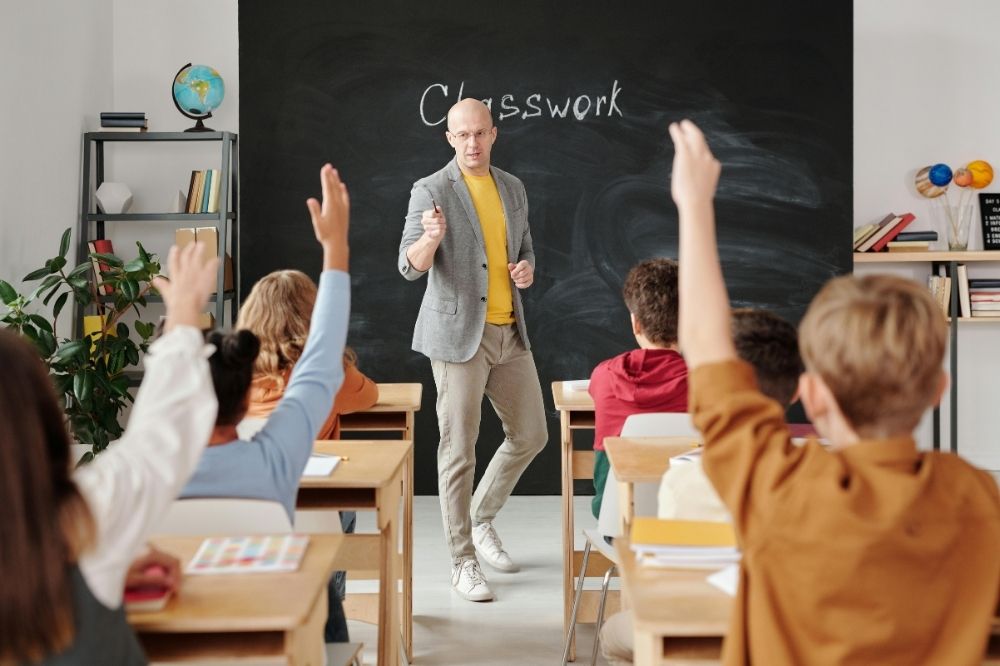
Many students go through an entire school day without feeling noticed. They attend classes, complete assignments, and follow instructions, yet still feel disconnected from the people around them. Educators often focus heavily on grades, behavior, and performance targets, but students pay close attention to something else: how adults treat them every day. A student who feels respected and understood usually participates more, asks for help sooner, and develops stronger confidence in the classroom. That sense of support can shape attendance, motivation, and even long-term academic success. Schools that create meaningful connections with students tend to build healthier learning environments overall.
When Students Feel Personally Recognized
Students notice when teachers remember small details about them. A teacher asking about a soccer game, favorite book, or weekend activity sends a clear message that the student matters beyond grades and attendance records. These moments help students feel more comfortable participating in class because the relationship feels real instead of formal. Many students become guarded when they believe adults only speak to them during discipline issues or academic concerns. Personal recognition changes that dynamic quickly. It creates familiarity and trust, especially for students who struggle socially or academically. Teachers do not need lengthy conversations every day to build these connections. Simple interactions before class, during transitions, or after assignments can have a lasting effect.
Flexible Teaching Helps More Students Succeed
Flexible instruction helps students stay connected to learning instead of feeling frustrated or left behind. Teachers who adjust assignments, participation methods, or lesson formats often reach students who struggle in traditional settings. Flexibility also supports students dealing with stress, learning differences, or language barriers. Many educators strengthen these teaching skills through professional development and programs like an online Masters in Education, where they study inclusive classroom strategies and differentiated instruction. Small adjustments often create meaningful improvements in engagement. Students become more confident when classrooms give them realistic ways to succeed without making them feel singled out or academically incapable.
Safe Spaces Encourage Honest Participation
Students hold back when they fear embarrassment. Many stay quiet because they worry about giving the wrong answer, being laughed at, or disappointing their teacher. A supportive classroom reduces that fear by making participation feel low-pressure and respectful. Teachers shape this environment through their reactions. Students pay attention to tone, facial expressions, and how mistakes are handled in front of peers. A calm response to incorrect answers encourages students to keep trying instead of shutting down. Teachers who allow time for discussion and thoughtful responses usually hear from more students over time. Participation also improves when classrooms avoid constant competition between students. Children and teenagers learn better when they feel emotionally safe. Students who trust their classroom environment are more likely to ask questions, share opinions, and stay involved in learning activities.
Listening Builds Stronger Student Trust
Students quickly recognize when adults are distracted during conversations. Looking away, interrupting, or rushing through discussions can make students feel dismissed, even if that was never the intention. Active listening builds stronger relationships because it shows students that their thoughts deserve attention. This matters especially during difficult situations involving stress, behavior concerns, or personal struggles. Students often reveal important information slowly, particularly when they are uncertain about how adults will respond. Teachers who listen carefully create opportunities for honest communication. Small habits can improve these interactions significantly. Maintaining eye contact, allowing pauses, and asking follow-up questions helps students feel respected. Listening also improves classroom management because students become more willing to cooperate with adults they trust. Strong communication often prevents problems from growing larger later because students feel more comfortable speaking openly early on.
Giving Students More Ownership in Class
Students respond differently when they feel involved in their own learning process. Small choices inside the classroom can increase participation and motivation because students feel trusted instead of controlled. Teachers do not need to redesign entire lesson plans to create this sense of ownership. Allowing students to choose between project formats, discussion topics, or reading materials can make classroom activities feel more personal and engaging. Many students become more invested when they feel their opinions carry weight. Ownership also encourages responsibility because students start seeing classroom success as something they actively shape. This approach works particularly well for students who seem disconnected or uninterested during lessons. They often participate more when learning feels relevant to their preferences and strengths. Giving students appropriate control helps classrooms feel more collaborative and respectful overall.
Taking Social Problems Seriously
Students struggle academically when they feel isolated, excluded, or unsafe around peers. Social experiences affect concentration, attendance, and classroom participation more than many adults realize. Bullying does not always appear through obvious conflict. Some students experience exclusion through group work, lunchroom dynamics, online behavior, or repeated social rejection. Teachers and school staff need to pay attention to these quieter patterns because students often avoid reporting them directly. Fast and consistent responses matter. Students lose trust in adults when harmful behavior gets ignored or minimized. Schools create healthier environments when they encourage respectful peer interactions from the beginning instead of waiting for major problems to develop. Students also benefit from opportunities to build connections naturally through collaborative activities, mentorship programs, and supportive classroom discussions where every student feels included and acknowledged by others.
Looking Beyond Academic Performance
Students sometimes show emotional stress through behavior changes rather than direct conversations. A student who suddenly stops participating, misses assignments, or becomes disruptive may be dealing with anxiety, family problems, exhaustion, or social pressure outside school. Teachers are often the first adults to notice these changes because they interact with students regularly throughout the week. Paying attention to patterns helps schools provide support earlier. Educators do not need to become counselors to make a meaningful difference. Simple actions such as checking in privately, offering flexibility during difficult moments, or connecting students with school support staff can help students feel understood instead of judged. Emotional support also improves learning outcomes because students focus better when they feel stable and supported. Schools that recognize student well-being as part of education usually build stronger relationships and healthier classroom environments overall.
Students thrive when schools create environments where they feel respected, understood, and supported as individuals. Academic success becomes easier when students trust the adults around them and feel comfortable participating in class. Small daily actions often shape those experiences more than formal programs or large initiatives. Listening carefully, encouraging effort, responding to social concerns, and building meaningful relationships all help students feel connected to school. These practices also strengthen classroom culture and improve communication between students, teachers, and families. Supportive schools do not happen by accident. They develop through consistent choices that prioritize student well-being alongside academic growth. When students feel seen and heard, they become more confident learners and more engaged members of their school community.
