

Some irregularities are normal in development, but some, especially, may reflect a need to undergo orthodontic treatment and obtain teeth braces for kids. These signs are easy, simple, and economical to treat, and such early recognition of the symptoms can come in quite handy.
Then, when do kids need braces? To parents, the first step to a healthy and proud smile on the face of the child is to be informed of what to expect.
What Do Braces Actually Fix?
The reason why people wear braces is not to look good, but braces are relevant in achieving good oral health and functionality.
Braces can correct:
- Crooked or bulky teeth.
- Teeth gaps
- Jaw alignment issues
- Difficulties chewing or talking.
Addressing these issues at an early age, braces may help to maintain good functioning of the bite, prevent the possibility of tooth decay, and help to maintain the overall health of the teeth in the long run.
Visible Signs Your Child May Need Braces
When do kids need braces? The most noticeable ones are those you can even notice by merely looking at the teeth of your child.
Keep an eye out for:
- Bend out or cross teeth.
- Overcrowded or close teeth.
- Big spaces between teeth.
- Stick-out teeth.
- Coming in behind or in front of baby teeth are permanent teeth.
These are apparent indicators of either a lack of space in the jaw or that the teeth are not growing in the right place.
Bite and Jaw-Related Warning Signs
Not every orthodontic problem can be seen in the foreground or the background; some are associated with the functionality of teeth/jaws.
Typical bite problem issues are:
- Problem biting or chewing food.
- Teeth that don’t meet properly when the mouth is closed
- An overbite (the upper teeth are too far forward)
- An underbite (extension of lower teeth to a point where they are above the upper teeth)
- A crossbite ( teeth do not line up from one side to the other side)
Jaw symptoms to consider:
- Pops or clicks when opening the mouth.
- Moving the jaw to the right.
- Often sore or painful jaw.
In some cases, they can deteriorate unless addressed, hence early consideration is imperative.
Behavioral and Subtle Signs Parents Often Miss
Certain orthodontic issues manifest themselves in behaviors or habits but not in apparent physical alterations.
Subtle signs include:
- Breathing through the mouth, rather than the nose.
- Sucking the thumb after the age of four or five years old.
- Biting cheeks and lips often.
- Difficulty in speech, e.g., a lisp.
- Rasping or gnashing teeth.
These habits have the ability to affect the development of the teeth and jaw and can even cause future alignment issues.
Age-Based Signs to Watch For
There are various orthodontic indicators throughout the various stages of childhood.
Ages 6–8:
- Poor development of baby teeth.
- Crooked permanent teeth.
- Difficulty chewing
Ages 9–12:
- Numerous eruptions of permanent teeth occur as the crowding of the teeth increases.
- Noticeable bite issues
- Making the jaws more distinct.
Teen years:
- Persistent alignment problems
- Self-consciousness about appearance
- Speaking or chewing problems.
The stage-by-stage control of the dental development of your child helps to prevent problems promptly.
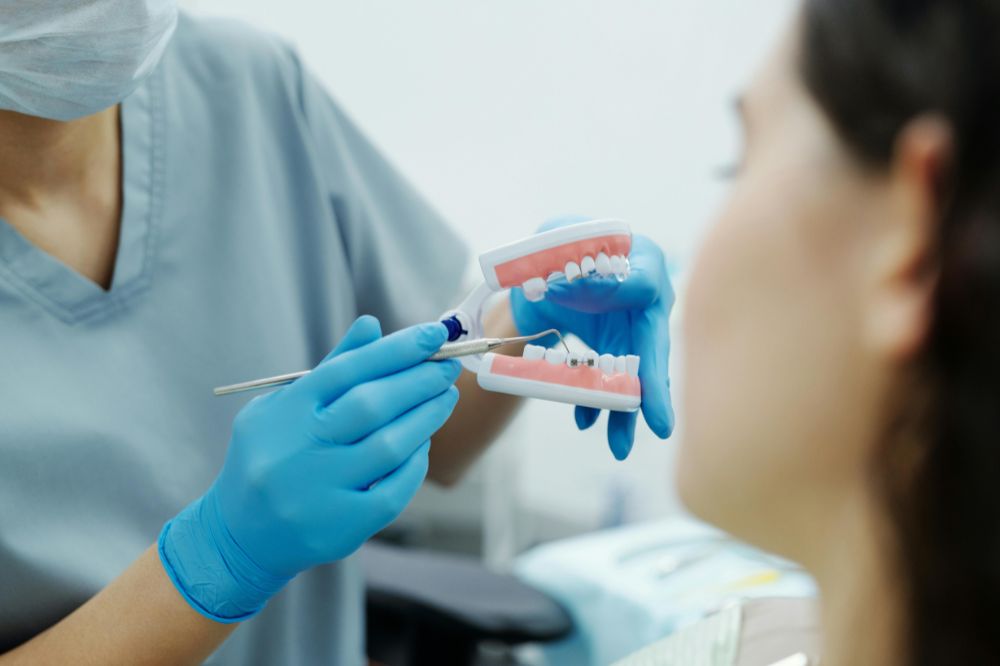
When Should You See an Orthodontist?
Children should be first evaluated by age seven, according to most experts who recommend the first orthodontic examination at this age.
You are to visit in case you observe:
- All of the above warning signs.
- Dental considerations made by your general dentist.
- Re-alignment of the bite or jaw in your child.
Orthodontists, such as those at practices such as Smile +Grins, are able to determine whether they need treatment or not and to develop a personalized scheme.
Types of Braces for Children
Around 400 million people in the US need or wear braces. There are a variety of options when it comes to braces for children.
Common varieties include:
- Stainless steel braces: Powerful and can fit most of the cases.
- Ceramic braces: Smaller, less noticeable braces that are tooth-colored.
- Clear removables: Removable and practically invisible (best with older children)
- Lingual braces: a kind of brace that is fixed at the back of the teeth to be invisible.
The right solution is based upon the age of your child, the extent of the problem, and their lifestyle.
What Happens If You Delay Treatment?
It is a temptation to wait and see whether your child will grow out of it, but waiting before orthodontic treatment can lead to more complex problems.
Potential consequences include:
- Crowded or distorted crowding.
- More necessity of tooth removals.
- Better and more prolonged therapy subsequently.
- Higher risk of tooth decay and gum disease
- Continued pain or trouble with chewing.
Early intervention can make the treatment easier and more effective.
In Conclusion
Accepting the early signs of braces for children may make a difference that will last in the oral health and confidence of the child. These symptoms give you good leads on the development of your child and their teeth and jaw, including observable crowding to less obvious behavioral patterns.
