
Teach Mama
  • Reading
  • Early Literacy
  • Writing
  • STEM
  • Activities
  • Digital Literacy
Top Posts
Effective Techniques for Teaching Complex Historical Topics
4 Neighborhood Adventures That Teach Kids Real-World Skills
What Does an Urgent Care Visit Cost in...
Future Trends Influencing Enterprise Learning Management System Adoption
How to Survive Your Husband’s Grad School Years...
How Technology is Reshaping the Rules of Education
How Advances in Artificial Intelligence Are Making Modern...
How Technology is Transforming Learning Experiences
A Practical Guide to Managing Family Finances Without...
Retirement Planning for Parents Who Feel Like They’re...
Teach Mama
  • Reading
  • Early Literacy
  • Writing
  • STEM
  • Activities
  • Digital Literacy
Teach Mama
Teach Mama
  • reading
  • early literacy
  • writing
  • STEM
  • Activities
  • digital literacy
  • Contact
The Family Guide to Sevierville That Actually Feels Doable
Teach Mama Community

The Family Guide to Sevierville That Actually Feels Doable

by Hannah February 6, 2026
written by Hannah

Planning a family trip sounds exciting until you’re actually trying to make it work. You want fun activities, good food, and a place that feels safe and easy with kids. But you also don’t want to spend the whole trip driving in circles, waiting in long lines, or dealing with cranky moods by lunchtime. Sevierville is a great choice because it gives families lots to do without feeling like a huge city. You can mix outdoor time with simple attractions, and you’ll find plenty of places to eat and take breaks. The key is knowing what’s worth your time and what will just wear everyone out. This guide keeps things realistic, so your trip stays enjoyable.

1. Start with a plan that leaves room to breathe

The easiest way to enjoy Sevierville as a family is to stop trying to fit everything in. The area has so many options that it’s tempting to plan nonstop activities, but that usually backfires with kids. Instead, pick one main thing to do each day and treat the rest as flexible. If you finish early, you can add something small like an ice cream stop or a quick store visit. If the kids get tired faster than expected, you won’t feel like your whole schedule fell apart. A simple plan also makes mornings easier because you aren’t rushing to beat a long list. Sevierville works best when you give yourself time to slow down.

2. Stay close to what you’ll actually do

Where you stay can make your trip smoother or way more stressful. If you’re searching online, you’ll notice many options listed as family-friendly hotels in Sevierville, but focus on what matters most for your family, like space, parking, and easy access.

One spot families often like is The Lodge at Five Oaks, a rustic-style hotel that blends cozy details with modern comforts. Rooms feel clean and relaxing after a busy day out, and you’ll find practical features families appreciate like hardwood floors, comfy bedding, WiFi, and easy in-room essentials. The seasonal outdoor pool area adds extra fun for kids, and the location on the Parkway keeps you close to popular stops, shops, and restaurants so you can spend less time driving and more time enjoying your trip.

3. Pack smart so you’re not buying everything twice

Packing for Sevierville doesn’t need to be complicated, but a few smart choices can save you a lot of hassle. Start with comfortable shoes for everyone, because even short stops usually involve more walking than you expect. Bring layers, since mornings and evenings can feel cooler, especially after being in the car with air conditioning. If your plans include outdoor time, pack sunscreen and bug spray so you aren’t hunting for them later. For kids, a small bag with wipes, snacks, and a backup shirt can prevent unnecessary stress. If your hotel has a pool, toss in swimsuits early instead of realizing it after you’ve unpacked everything.

4. Outdoor fun that doesn’t feel exhausting

Sevierville is a great place for families who want outdoor time without committing to a full-day hike. You can find scenic spots, easy walking areas, and places to stretch your legs without pushing kids too hard. This is especially helpful if you’re traveling with younger children or anyone who gets tired quickly. Outdoor time also gives everyone a break from noisy indoor attractions and screens. The trick is keeping it simple. Choose short outings where you can leave whenever you want, rather than feeling stuck. Bring water, take your time, and keep the mood light. Even a small outdoor stop can make the day feel more balanced and enjoyable.

5. Kid-friendly stops that don’t drag on

One of the best things about Sevierville is that you can find fun places that don’t require an all-day commitment. That matters when you’re traveling with kids who get tired, hungry, or overstimulated fast. A good example is SkyLand Ranch, which offers scenic views, a ride to the top, and plenty to look at once you arrive. It’s the kind of place where you can stay an hour or stretch it longer, depending on your family’s mood. If your kids enjoy something different, Forbidden Caverns gives you a guided cave tour with cool temperatures year-round, so it can feel like a break from the heat. Short outings like these keep the day moving without burning everyone out. 

6. Meals that feel easy with kids

Food can be a simple part of the day in Sevierville if you plan it like a parent, not like a food critic. You want places where kids can eat quickly, adults can still enjoy the meal, and nobody feels stuck at the table forever. One popular option right on the Parkway is Five Oaks Farm Kitchen, which serves Southern-style breakfast and supper and stays open daily. That’s helpful because you can grab an early meal before things get busy. If you’re traveling with picky eaters, aim for restaurants with familiar choices and quick service. You can also build in one low-effort meal each day, like takeout or leftovers, so you’re not constantly stopping plans just to find food. The easier the meals feel, the smoother the day goes. 

7. A simple two-day plan you can follow

A doable Sevierville weekend works best when each day has a clear rhythm. On day one, start with breakfast, then choose one “main event” like SkyLand Ranch or a family attraction nearby. After lunch, go for something low-key such as shopping, a scenic drive, or downtime at the hotel. In the evening, keep plans short and simple so kids don’t fall apart right before bed. On day two, pick an outdoor-friendly stop early while everyone has energy, then wrap up with a final meal and one last place to visit. The goal isn’t squeezing everything in. It’s going home feeling like you actually enjoyed the trip instead of needing a vacation from your vacation.

Sevierville can be a fun family trip without turning into a stressful project. The secret is keeping your plans realistic and giving yourself options instead of pressure. When you choose a good location, keep meals simple, and build in breaks, the trip feels lighter for everyone. You don’t need a perfect itinerary to make great memories here. You just need a plan that matches your family’s pace. Pick one main activity each day, add a few easy extras, and stay flexible when moods change. Sevierville gives you plenty of ways to keep kids happy without exhausting parents. If you focus on comfort and timing, you’ll leave with a trip that felt smooth, not overwhelming.

February 6, 2026 0 comments
0 FacebookTwitterPinterestPocketEmail
How to Plan a Family-Friendly Wedding Everyone Will Enjoy
Teach Mama Community

How to Plan a Family-Friendly Wedding Everyone Will Enjoy

by Hannah February 6, 2026
written by Hannah

Planning a wedding is a significant undertaking, and if you’re looking to make your special day inclusive and enjoyable for all guests, a family-friendly approach is key. A wedding isn’t just about the couple; it’s about creating a memorable experience for everyone attending—especially families with children. This article will walk you through the steps of planning a wedding that ensures all guests, young and old, have a great time.

Start with a Clear Vision for Your Wedding

The first step in planning a family-friendly wedding is to establish a clear vision. Think about the atmosphere you want to create for the event. A family-friendly wedding should focus on fun, comfort, and inclusivity. If you’ve envisioned an elegant, formal event, consider how to incorporate child-friendly activities and spaces without sacrificing the overall ambiance. It’s all about balancing style with practicality to make sure both adults and children feel welcome and entertained.

Choosing the Right Venue

The venue you select plays a significant role in determining how family-friendly your wedding will be. Look for venues that have ample space for kids to play and a comfortable atmosphere for parents to relax. Ideally, the venue should offer areas where children can enjoy themselves while parents can still keep an eye on them. Outdoor venues such as parks, gardens, or beaches are great choices because they often provide more space for children to run around and enjoy themselves. Indoor venues can work well too, as long as there are designated areas for families.

Plan Kid-Friendly Activities

When planning a family-friendly wedding, it’s essential to include activities that engage children. A wedding is often a long event, and kids can become restless if there’s nothing to keep them entertained. Here are some ideas to consider:

Activity Stations

Set up fun stations for kids to enjoy, like arts and crafts tables, a coloring station, or even a DIY cookie decorating booth. Kids love hands-on activities, and these stations give them a creative outlet. You can also include themed games related to the wedding, such as a scavenger hunt or a “pin the flower on the bride” game.

Kid’s Corner with Movies or Games

Another great way to keep children entertained is by setting up a designated kid’s corner where they can watch movies or play games. If your wedding is indoors, this could be a cozy area with bean bags, pillows, and a projector showing child-friendly films. Board games or even a video game console can also entertain older children and provide a break from the dance floor.

Catering to All Age Groups

Another essential aspect of planning a family-friendly wedding is the catering. When deciding on the menu, think about the tastes of both adults and children. While you may be tempted to go with sophisticated or trendy dishes, keep in mind that kids are usually more interested in simple, familiar food.

Children’s Menu

Most caterers will allow you to create a special kids’ menu that includes favorites like chicken tenders, macaroni and cheese, and mini burgers. Buffets are also a great option because they allow children to choose exactly what they want, making the meal feel like an exciting experience. Don’t forget dessert—consider setting up a candy station or cupcake bar for the kids to enjoy.

Adult Dining Experience

For the adults, offer a selection of sophisticated dishes, but don’t forget to consider dietary preferences and restrictions. Provide enough variety so everyone has something they’ll enjoy. At the same time, ensure there’s a clear distinction between the kid’s options and the adult choices. This will ensure that adults don’t feel like they’re eating children’s food and that children have enough choices to feel satisfied.

Create a Comfortable Environment

A family-friendly wedding is about ensuring that everyone, regardless of age, feels comfortable. It’s important to think about the comfort of your guests, especially parents who may have young children with them. Providing comfortable seating, a relaxed atmosphere, and essential amenities will help your guests enjoy the day more.

Kid-Friendly Seating

Consider creating a special kids’ section with colorful chairs or picnic-style seating. This will make the children feel included and also give them a space of their own to gather, chat, and have fun. For older children, you can create fun activity kits at their seats, with puzzles, toys, or small games to keep them entertained during speeches or dinner.

Provide Family-Friendly Rest Areas

Weddings can be long, and children may get tired or need a break. Create a designated family rest area where children can take a nap or parents can regroup for a moment. It’s a thoughtful addition that will allow families to enjoy the event without feeling overwhelmed.

The Importance of a Wedding Budget

While planning your family-friendly wedding, it’s crucial to have a clear and realistic budget. A wedding budget helps ensure that you can include all the features you want—such as child-friendly activities, food options, and comfortable spaces—without overspending. Establishing your wedding budget early will allow you to prioritize what’s most important to you. For example, if your dream venue offers plenty of outdoor space for kids to play, you might choose that over a more formal indoor setting, even if it’s slightly more expensive.

Being clear about your budget ensures that you don’t get sidetracked by costs you didn’t anticipate, such as extra entertainment, decor, or childcare services. A carefully managed budget will help you create a family-friendly wedding that fits within your financial plans, ensuring a smooth planning process.

Make the Wedding Ceremony Enjoyable for Kids

The wedding ceremony doesn’t have to be a serious, formal occasion for children. While it’s important to respect the sanctity of the ceremony, there are ways to make it enjoyable for young attendees.

Involve the Kids in the Ceremony

A great way to keep kids engaged during the ceremony is by involving them in the event. Have them walk down the aisle as flower girls or ring bearers, or even let them help with handing out programs or flowers to guests. This can make them feel more engaged and excited, and it will help distract them from any restlessness.

Keep the Ceremony Short and Sweet

wedding

Children’s attention spans can be shorter than those of adults, so consider keeping your ceremony brief and engaging. A shorter ceremony can help keep kids focused and prevent them from becoming bored or disruptive. Plan your ceremony to include meaningful yet concise vows, and avoid long speeches that could lose the interest of your younger guests.

Hire a Professional Babysitter or Childcare Service

If you’re worried about children getting too bored during the event, consider hiring a professional babysitter or childcare service. Many wedding planners offer childcare services that keep children entertained with supervised activities. This gives parents the peace of mind to enjoy the event without worrying about their kids. If you choose this route, make sure the childcare staff is well-trained and has experience working with children.

A Fun and Interactive Reception

Finally, your reception should be a lively celebration for everyone. The music, entertainment, and atmosphere can be tailored to engage both adults and children alike.

Family-Friendly Entertainment

Consider hiring entertainment that is fun for all ages. A live band or DJ with a wide variety of music can get everyone on the dance floor. To keep the younger crowd entertained, consider interactive options like a photo booth with fun props, a magician, or a juggler. These performers will capture the attention of both kids and adults, adding a whimsical touch to the celebration.

Dancing and Games

If you have a lot of young guests, organize some family-friendly games during the reception. These could include a dance-off or games like musical chairs, a limbo contest, or a tug-of-war. These activities will keep kids engaged and ensure that everyone feels included.

Conclusion

Planning a family-friendly wedding requires thoughtful consideration and balance. It’s about creating a wedding that feels inclusive, exciting, and enjoyable for guests of all ages. By choosing the right venue, offering child-friendly activities, ensuring comfort, sticking to your wedding budget, and making the ceremony and reception fun for everyone, you can create a celebration that all guests—young and old—will remember fondly for years to come.

February 6, 2026 0 comments
0 FacebookTwitterPinterestPocketEmail
Fast Morning Hair and Beauty Essentials
Teach Mama Community

Fast Morning Hair and Beauty Essentials for School-Run Mums

by Teach Mama February 5, 2026
written by Teach Mama

Busy mornings rarely leave room for a full hair-washing routine.

Between school drop-offs, work commitments, errands, and unexpected schedule changes, many people rely on quick solutions to stay presentable without adding pressure to their day. Hair care, like most parts of daily life, often needs to adapt to reality rather than ideal routines.

This is where dry shampoo fits in as a practical support tool rather than a beauty shortcut. Many people reach for Amika dry shampoo or similar products when time is limited, and washing simply isn’t realistic. Instead of aiming for perfection, dry shampoos help refresh hair, reduce visible oil, and make styling more manageable during busy stretches. Below is a practical list of dry shampoos people commonly use in everyday life.

1. Amika Dry Shampoo

Amika dry shampoo is a professional hair-care brand recognised for creating products suitable for a wide range of hair types and routines. It’s a product designed for quick use, leaving minimal residue and requiring no complex process.

On a day-to-day basis, most people use this product between washes to absorb oil at the roots, leaving hair soft and approachable to others. It’s designed to be convenient for real-life scenarios, such as rushing to school in the morning, moving from one meeting to the next, a day of travel, and a late afternoon with no time to shower. It’s easy to use sparingly, giving natural results that many people prefer to creating a totally new texture.

2. Batiste Dry Shampoo

This is one of the best-known dry shampoo options on the market and is available in salons and retail stores for regular and impulse purchases. People often choose this option when they’re looking for something fast and easy to absorb oil from the hair.

Most people turn to this option when they need a quick fix. For example, their hair may look flat and slightly oily, but may otherwise need to be redone. It’s a great solution for quick touch-ups and is stored and used occasionally when people need a fast fix.

3. Living Proof Perfect Hair Day Dry Shampoo

Living Proof’s dry shampoo is often described as feeling closer to freshly washed hair than traditional powder-based options. It’s positioned as a performance-focused product rather than a fragrance-driven one.

Many people with fine to medium hair use it to extend the time between washes, especially when aiming for cleaner-feeling roots without frequent shampooing. It’s often chosen by those who prefer a lighter finish and less visible buildup.

4. Klorane Dry Shampoo

Klorane has built a reputation around plant-based formulations and gentler hair-care routines. Its dry shampoos are often selected by people who prefer subtle refreshes rather than strong texturising effects.

This option is well-suited to lighter routines and sensitive scalps, where the goal is simply to reduce oil and maintain comfort. It’s commonly used when hair doesn’t need heavy styling support, just a softer reset.

5. Dove Dry Shampoo

Dove is a well-known, accessible brand that is often found in households. Many people likely already use Dove’s dry shampoo because it’s widely available. It’s an option that can be purchased and applied quickly with minimal consideration.

This is why people choose Dove as an easy, uncomplicated dry shampoo option. Most women don’t use it every day, but use it when they need a quick “fix” for their hair. Whether that’s before they run errands, for a casual day out, or if they aren’t planning to do much for the day.

How to Choose a Dry Shampoo Based on Your Lifestyle

The right dry shampoo formula will be determined by how much and how frequently it’s being used, along with what your particular hair requires. Some formulas are lighter and don’t build up as quickly, making them perfect for people who need to use the product multiple times a week. Other products absorb oil more aggressively, making them a better option for sporadic use.

Other factors, such as hair type, scalp health, and lifestyle, also come into play. People with finer hair will likely prefer lighter dry shampoo formulas to avoid product buildup, whereas people with thicker hair may need an oil-absorbing formula. There isn’t a one-size-fits-all answer, so many people use different products at different times for the best results.

Making Dry Shampoo Work For Real Life

To get the most out of dry shampoo, use it as a solution, not a crutch. When used correctly, dry shampoo can be useful on a busy day without causing unnecessary stress or making upkeep unrealistic.

What makes the most sense will largely depend on the dry shampoo formula, personal schedules, and the time and energy people have for hair care at any given time. But ultimately, if the dry shampoo works for you, it’s just another way to take care of yourself — and that’s reason enough to use it, especially when everyone’s short on time and energy elsewhere.

February 5, 2026 0 comments
0 FacebookTwitterPinterestPocketEmail
Low Stimulation Shows For Toddlers
Kids Media

20+ Low Stimulation Shows for Toddlers (and a few to avoid, too!) – 1, 2, & 3 Year Olds

by Teach Mama February 5, 2026
written by Teach Mama

If you’ve ever turned on a show for your toddler and immediately thought, “This feels like a lot,” you’re not alone. Many children’s shows today are fast, loud, and visually overwhelming—they may grab attention, but they don’t always support calm play or emotional regulation. As moms, we’re often looking for screen options that feel gentler on little minds, especially during quiet time, after naps, or when everyone needs a breather.

That’s where low-stimulation shows come in. These programs tend to move more slowly, use softer colors and sounds, and focus on simple stories or everyday moments. Many still offer meaningful learning — such as social skills, emotional awareness, or early language — in a calmer, more intentional way. In this post, you’ll find 20+ low-stimulation shows parents feel good about, along with a few popular picks some families choose to avoid, so you can make screen-time choices that truly work for your child and your day.

Use one of the buttons below to quick jump to a section!

Best Toddler Shows ▸Shows To Avoid ▸Free Show Printable ▸

What Is a Low-Stimulation Show (and Why It Matters)

As moms and caregivers, we all know that our little ones spend a lot of time on screens some days. While screen time isn’t inherently bad, the type of screen time and the amount make a difference — especially for toddlers, whose brains are growing so quickly.

A low-stimulation show is gentle on your child’s senses: simple visuals, calming colors, slower pacing, and minimal audio chaos. These are the kinds of shows that help toddlers stay engaged without feeling overwhelmed by excessive flashing lights, layered sounds, or rapid cuts.

Instead of shows that feel like a tiny disco party playing at 100 miles per hour, low-stimulation shows feel like a quiet walk in the park — calm, predictable, and restful. These tend to be easier for little brains to process and often pair well with restful moments, such as post-nap cuddle time or calm play.


The Benefits of Low-Stimulation Screen Time

You might be wondering, “Why focus on this?” There are meaningful benefits to consider when choosing calmer content for your toddler.

  • Supports attention and comprehension: Slow pacing gives toddlers time to follow along and understand what’s happening on screen.

  • Helps emotional regulation: Calm shows often model slower conversations and gentler feelings rather than big emotional explosions.

  • Creates a more restful break: Toddlers can enjoy watching without sparking energy spikes — which is especially helpful before nap or bedtime.

Choosing calmer shows doesn’t mean your child won’t learn anything — it just means the learning comes in a quiet, intentional way rather than a bombardment of sensory input.


How to Spot an Overstimulating Show

Before we get into the best choices (and what to avoid!), it can be helpful to know what makes a show overstimulating in the first place.

Here are a few red flags to watch for:

  • Fast-paced visuals: Quick scene changes, flashing graphics, or excessive movement can be hard for young minds to follow.

  • Loud, layered sound: Multiple sound effects, loud music, and lively dialogue can create sensory overload.

  • Bright, high-contrast neon colors: While fun for older kids, these visuals can be overwhelming for toddlers.

  • Chaotic characters or nonstop action: If the show feels like it’s yelling at your child’s senses, it’s probably more stimulating than you want.

Think about your child’s reaction: Do they calm down or bounce off the couch? Calm content should settle, not spike, their energy.


When and How to Use TV Mindfully With Toddlers

I know what you’re thinking: “Isn’t any TV time just babysitting?” Not necessarily. When used thoughtfully and sparingly, screen time can be a tool — not a crutch.

Here are a few ways to use low-stimulation shows mindfully:

  • Pair it with routines: After lunch, during quiet play, or before reading together.

  • Co-watch when possible: Comments like “Oh, look, she’s learning her colors!” make the experience more interactive.

  • Limit duration: A short episode or two can be just enough to offer a breather without overtaking precious playtime.

Mindful screen time isn’t about perfection. It’s about making intentional choices that feel right for your family and support your child’s overall well-being.


Screen Time Guidelines — What Experts Say

We all want to do what’s best for our kids, and sometimes it helps to consider what experts recommend. Pediatric guidelines generally recommend limiting screen time for toddlers, especially before age two, and making more intentional choices as kids get older.

The emphasis isn’t just on how much screen time children have, but on the kind of content they engage with. Lower-stimulation shows that encourage calm attention and age-appropriate engagement tend to be gentler on developing brains than fast-paced, high-energy alternatives.

This isn’t about guilt — it’s about giving parents the tools to make choices that feel good and grounded in understanding rather than in random scrolling or desperation.


The Best Low-Stimulation Shows for Little Learners

Best Low-Stimulation Shows for Toddlers

If you’re looking for shows that feel peaceful rather than chaotic, you’re in the right place. Low-stimulation programming helps toddlers process stories, build language skills, and stay emotionally regulated — all without the flashing lights and rapid scene changes that often overwhelm young viewers.

Here are the very best calm, toddler-friendly shows that blend gentle pacing with meaningful learning and heart.

1. Daniel Tiger’s Neighborhood

Daniel Tiger’s Neighborhood

Where to Watch: PBS Kids (free app & website), Amazon Prime Video

Ages: 2-4

Episodes: ~11 minutes

Calm Factor:

Why Moms Recommend It:

Daniel Tiger’s Neighborhood is a gentle, thoughtful show that helps toddlers navigate big feelings and everyday situations like sharing, waiting, and dealing with frustration. The songs are repetitive and easy for little ones to remember, which makes the lessons actually stick. It’s one of those rare shows that feels truly supportive rather than overwhelming.

Best For:

Emotional development, calm screen time, routines, and helping toddlers put feelings into words.

2. Tumble Leaf

Tumble Leaf

Where to Watch: Amazon Prime Video

Ages: 2-5

Episodes: ~12-15 minutes

Calm Factor:

Why Moms Recommend It:

Tumble Leaf is a beautifully made stop-motion series that encourages curiosity, creativity, and problem-solving. Each episode follows Fig the fox as he discovers a new object and figures out how it works through gentle exploration. The pacing is slow and thoughtful, making it a wonderful low-stimulation option that still keeps toddlers engaged.

Best For:

Curious little learners, quiet time, and fostering early STEM-style thinking in a calm, imaginative way

3. Little Bear

Little Bear

Where to Watch: Paramount+, Amazon Prime Video

Ages: 2-5

Episodes: ~8–10 minutes (often paired into half-hour blocks)

Calm Factor:

Why Moms Recommend It:

Little Bear is a sweet, slow-paced classic based on the books illustrated by Maurice Sendak. The gentle storytelling, soft watercolor-style animation, and imaginative play themes make it feel calm and wholesome. It models kindness, friendship, and creativity without loud music or fast scene changes, which is such a relief for parents.

Best For:

Imaginative play inspiration, quiet time, and truly low-stimulation screen time.

4. Puffin Rock

Puffin Rock

Where to Watch: Netflix

Ages: 2-5

Episodes: ~20 minutes

Calm Factor:

Why Moms Recommend It:

Puffin Rock is one of the most calming toddler shows out there. Set on a peaceful Irish island, it follows little puffin Oona and her baby brother Baba as they explore nature and learn gentle life lessons. The soft animation, soothing narration, and slow pacing make it perfect for sensitive toddlers or winding down before bed.

Best For:

Nature-loving toddlers, quiet time, and truly low-stimulation screen time.

5. Bluey

Bluey

Where to Watch: Disney+, Disney Junior

Ages: 2-6

Episodes: ~Disney+, Disney Junior

Calm Factor:

Why Moms Recommend It:

Bluey is one of those rare kids’ shows that both toddlers and parents genuinely enjoy. Each short episode centers around imaginative play and everyday family moments, modeled in a way that feels realistic and warm. The stories gently highlight emotional intelligence, problem-solving, creativity, and respectful parent-child relationships — all without feeling preachy.

Best For:

Family connection, imaginative play inspiration, emotional development, and short, high-quality screen-time breaks.

6. Sesame Street

Sesame Street

Where to Watch: Netflix, PBS Kids (select episodes), Max

Ages: 2-5

Episodes: ~25–30 minutes

Calm Factor:

Why Moms Recommend It:

Sesame Street has been helping kids learn for generations, and it still holds up beautifully. Through songs, skits, and lovable characters like Elmo and Big Bird, the show introduces letters, numbers, emotional skills, and real-world topics in ways toddlers can grasp. It balances education with heart, making it both meaningful and fun.

Best For:

Early literacy and math, social-emotional growth, and educational screen time that parents feel good about.

7. Trash Truck

Trash Truck

Where to Watch: Netflix

Ages: 2-5

Episodes: ~15–17 minutes

Calm Factor:

Why Moms Recommend It:

Trash Truck is a gentle, heartwarming show about a little boy named Hank and his best friend, a giant trash truck named Donny. The stories move at a relaxed pace and focus on friendship, imagination, and everyday adventures. It feels simple and sweet without flashy distractions, which makes it a favorite for calmer screen time.

Best For:

Vehicle-loving toddlers, imaginative play inspiration, and cozy afternoon viewing.

8. Bear in the Big Blue House

bear in the big blue house

Where to Watch: Disney+, Amazon Prime Video

Ages: 2-4

Episodes: ~25 minutes

Calm Factor:

Why Moms Recommend It:

Bear in the Big Blue House is a warm, puppet-based series that feels like a cozy visit with a gentle friend. Bear speaks directly to the audience in a calm, reassuring way while exploring everyday topics like feelings, routines, and simple problem-solving. The predictable format and sweet “Goodnight” song with the Moon make it especially comforting for little ones.

Best For:

Bedtime wind-down, emotional reassurance, and toddlers who love gentle, character-driven shows.

9. Franklin

Franklin

Where to Watch: Amazon Prime Video, Apple TV

Ages: 3-5

Episodes: ~11–12 minutes

Calm Factor:

Why Moms Recommend It:

Franklin follows Franklin the turtle and his woodland friends as they navigate everyday childhood experiences like trying new things, solving problems, and learning responsibility. The pacing is gentle and story-driven, with clear lessons about honesty, friendship, and perseverance. It feels wholesome and steady, making it an easy choice for parents who prefer calm, values-based programming.

Best For:

Social skill development, everyday life lessons, and relaxed afternoon viewing.

10. Mr. Rogers’ Neighborhood

Mr. Rogers’ Neighborhood

Where to Watch: PBS Kids (select episodes), Amazon Prime Video

Ages: 2-5

Episodes: ~25-30 minutes

Calm Factor:

Why Moms Recommend It:

Mister Rogers’ Neighborhood is the gold standard for gentle children’s programming. Fred Rogers speaks directly to children in a calm, reassuring way, helping them understand big feelings, everyday experiences, and their own unique worth. The slow pacing and thoughtful conversations feel almost like a quiet visit with a trusted friend.

Best For:

Emotional reassurance, meaningful conversations, and truly calm, intentional screen time.

11. Lucas the Spider

Lucas the Spider

Where to Watch: Netflix

Ages: 2-5

Episodes: ~6-8 minutes

Calm Factor:

Why Moms Recommend It:

Lucas the Spider is a sweet, short-form show that turns a tiny house spider into the most lovable little friend. Each episode focuses on simple discoveries and gentle lessons about friendship, curiosity, and kindness. The episodes are quick, soft-toned, and easy to follow, making it a great option when you need a short, calm screen-time break.

Best For:

Short quiet-time breaks, gentle humor, and toddlers who love sweet, simple stories.

12. Max & Ruby

Max & Ruby

Where to Watch: Paramount+, Amazon Prime Video

Ages: 2-4

Episodes: ~12 minutes

Calm Factor:

Why Moms Recommend It:

Max & Ruby follows two sibling bunnies navigating everyday toddler moments like sharing, playing, and learning independence. The stories are simple and relatable, with clear problem-solving and gentle repetition that toddlers understand. It’s a quiet, easy-to-follow show that feels predictable in a comforting way.

Best For:

Sibling dynamics, independent play themes, and low-key screen time during the day.

13. Curious George

Curious George

Where to Watch: PBS Kids (free app & website), Peacock, Amazon Prime Video

Ages: 2-5

Episodes: ~11-12 minutes

Calm Factor:

Why Moms Recommend It:

Curious George follows everyone’s favorite little monkey as he explores the world with curiosity and enthusiasm. Each episode gently introduces early science, simple problem-solving, and cause-and-effect in ways toddlers can understand. The stories feel light and playful, and while George sometimes makes messy choices, the lessons always steer back to learning and growth.

Best For:

Curious toddlers, early STEM exposure, and fun daytime viewing that still feels wholesome.

14. Alma’s Way

Alma’s Way

Where to Watch: PBS Kids (free app & website), Amazon Prime Video

Ages: 3-5

Episodes: ~11-12 minutes

Calm Factor:

Why Moms Recommend It:

Alma’s Way follows Alma, a thoughtful and confident little girl from the Bronx, as she learns to pause, think, and solve everyday problems. The show gently teaches kids how to reflect on their choices, consider others’ feelings, and make better decisions. It feels modern and relatable while still staying calm and educational.

Best For:

Problem-solving skills, social-emotional growth, and encouraging kids to think things through before reacting.

15. The Berenstain Bears

The Berenstain Bears

Where to Watch: Amazon Prime Video, YouTube (select episodes)

Ages: 3-5

Episodes: ~11–12 minutes

Calm Factor:

Why Moms Recommend It:

The Berenstain Bears brings the classic book series to life with simple, family-centered stories about everyday childhood challenges. Each episode focuses on relatable topics like honesty, responsibility, sibling conflicts, and trying new things. The pacing is steady and lesson-driven without being heavy-handed, which makes it feel wholesome and reassuring.

Best For:

Everyday life lessons, sibling dynamics, and gentle family-themed screen time.

16. Thomas & Friends (Original)

Thomas & Friends (Original)

Where to Watch: Amazon Prime Video, YouTube (select episodes)

Ages: 2-5

Episodes: ~5–10 minutes (often grouped into longer blocks)

Calm Factor:

Why Moms Recommend It:

Thomas & Friends in its original model-train format has a slower, more storybook feel than newer versions. The real miniature sets and steady narration make it engaging without being overstimulating. Each episode gently explores themes like teamwork, responsibility, and learning from mistakes in a way that feels simple and classic.

Best For:

Train-loving toddlers, short screen-time windows, and parents who prefer a slower-paced, nostalgic feel.

17. Rosie’s Rules

Rosie’s Rules

Where to Watch: PBS Kids (free app & website), Amazon Prime Video

Ages: 3-5

Episodes: ~11-12 minutes

Calm Factor:

Why Moms Recommend It:

Rosie’s Rules follows Rosie, a curious and creative little girl, as she figures out how the world works through thoughtful questions and playful exploration. The show gently introduces social skills, problem-solving, and cultural traditions in a way that feels natural and upbeat. It’s engaging without being overwhelming, and the stories stay grounded in everyday family life.

Best For:

Curious toddlers, early social learning, and daytime screen time that still feels educational.

18. Blue’s Clues (Original)

Blue’s Clues (Original)

Where to Watch: Paramount+, Amazon Prime Video

Ages: 2-4

Episodes: ~22-25 minutes

Calm Factor:

Why Moms Recommend It:

Blue’s Clues is one of the most thoughtfully designed preschool shows ever made. Hosted by Steve, the series moves at a slower pace and directly invites children to think, respond, and solve simple clues alongside him. The repetition across episodes builds confidence, problem-solving skills, and early reasoning in a way that feels interactive and calm rather than chaotic.

Best For:

Interactive learning, confidence-building, and toddlers who love solving simple “mysteries” with you.

19. Peg + Cat

Peg + Cat

Where to Watch: PBS Kids (free app & website), Amazon Prime Video

Ages: 3-5

Episodes: ~11-12 minutes

Calm Factor:

Why Moms Recommend It:

Peg + Cat makes early math feel playful and completely unintimidating. Peg and her trusty sidekick Cat solve everyday problems using counting, patterns, shapes, and basic logic in ways that are simple enough for preschoolers to follow. The songs are catchy, the stories are silly but smart, and it introduces math concepts naturally without feeling like a lesson.

Best For:

Early math exposure, problem-solving skills, and fun, upbeat daytime screen time.

20. Sea of Love

Sea of Love

Where to Watch: Netflix

Ages: 2-4

Episodes: ~7–10 minutes

Calm Factor:

Why Moms Recommend It:

Sea of Love is a sweet underwater series that focuses on friendship, feelings, and simple social lessons. The stories are easy to follow, the animation is bright but not overwhelming, and the characters model kindness and cooperation. The short episode length makes it especially helpful when you need a quick, gentle screen-time option.

Best For:

Short viewing sessions, social-emotional learning, and toddlers who love colorful ocean friends.

21. Guess How Much I Love You

Guess How Much I Love You

Where to Watch: Amazon Prime Video, Apple TV

Ages: 2-4

Episodes: ~11 minutes

Calm Factor:

Why Moms Recommend It:

Guess How Much I Love You is a soft, storybook-style series inspired by the beloved children’s book. Each episode follows Little Nutbrown Hare and his friends as they explore nature, solve simple problems, and learn gentle lessons about friendship and kindness. The calm pacing and warm narration make it feel like a cozy bedtime story brought to life.

Best For:

Snuggle time, quiet afternoons, and toddlers who love sweet, reassuring stories.

22. Mickey Mouse Clubhouse

Mickey Mouse Clubhouse

Where to Watch: Disney+, Amazon Prime Video

Ages: 2-5

Episodes: ~22–24 minutes (often grouped into longer blocks)

Calm Factor:

Why Moms Recommend It:

Mickey Mouse Clubhouse blends familiar Disney characters with simple problem-solving and early learning concepts like shapes, counting, and patterns. Mickey talks directly to the audience and pauses for kids to respond, which makes it feel interactive and engaging. It’s upbeat and colorful, but still structured enough that toddlers can follow along.

Best For:

Interactive learning, energetic daytime viewing, and toddlers who love classic Disney characters.


Shows To Avoid For Toddlers – Overstimulating & Bad Learning Habits

Toddler Shows to Avoid - Teach Mama

Not every show marketed to young children is developmentally appropriate for toddlers. In fact, some of the most popular programs rely on rapid scene changes, exaggerated humor, constant noise, and nonstop action to keep attention.

The problem isn’t just overstimulation. Many of these shows encourage passive viewing, shorten attention spans, reward impulsive behavior, and model unrealistic problem-solving. When entertainment is built on chaos, instant gratification, or disrespectful humor, toddlers absorb those patterns — because at this age, they don’t distinguish “just for fun” from real-life behavior.

The shows below are ones I personally avoid for toddlers. While they may be entertaining or popular, they do not support calm focus, emotional regulation, patience, or meaningful early learning — all of which are foundational in the toddler years.


1. Caillou

Caillou

Where to Watch: Amazon Prime Video, YouTube (select episodes)

Ages: 2-4

Episodes: ~22 minutes

Calm Factor:

Why It May Not Be the Best Fit for Toddlers:

Caillou is often criticized for modeling whining, complaining, and negative responses to everyday situations. While it attempts to show problem-solving, many parents feel the behavior patterns stand out more than the lessons. Some toddlers may mimic the tone and attitude rather than the resolution.

Watch-Outs for Parents

• Frequent whining and complaining
• Weak consequences for poor behavior
• Slow pacing without strong learning payoff
• May encourage imitation of negative tone

2. Cocomelon

Cocomelon

Where to Watch: Netflix, YouTube

Ages: 1-4

Episodes: ~3–5 minute segments

Calm Factor:

Why It May Not Be the Best Fit for Toddlers:

Cocomelon uses extremely bright visuals, quick scene cuts, and repetitive music designed to hold attention. While it features nursery rhymes, the fast pacing and high stimulation can make it difficult for toddlers to transition away from the screen. Some parents report increased meltdowns after viewing.

Watch-Outs for Parents

• Rapid scene changes
• Overly bright, high-contrast visuals
• Limited story-based learning
• May make screen-time transitions harder

3. PJ Masks

PJ Masks

Where to Watch: Disney+, Netflix, HBO Max

Ages: 3-6

Episodes: ~22 minutes

Calm Factor:

Why It May Not Be the Best Fit for Toddlers:

PJ Masks is action-heavy and fast-paced, with superhero conflict driving most episodes. While teamwork themes are present, the constant “battle” structure can feel overstimulating for younger toddlers. The intensity may be better suited for older preschoolers.

Watch-Outs for Parents

• Frequent action sequences
• Loud sound effects
• Conflict-driven storylines
• May increase hyperactive behavior

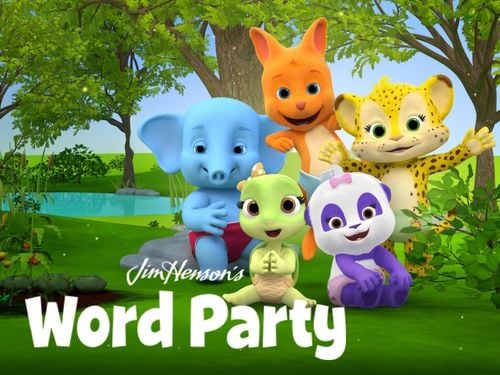
4. Word Party

Word Party

Where to Watch: Netflix

Ages: 2-4

Episodes: ~11 minutes

Calm Factor:

Why It May Not Be the Best Fit for Toddlers:

Word Party centers around baby animals asking for help and repeating needs in high-pitched voices. While vocabulary-building is the goal, the constant “baby talk” tone may not encourage strong language modeling. Some parents find the characters’ repetitive demands less than ideal.

Watch-Outs for Parents

• High-pitched, exaggerated voices
• Repetitive “help me” dynamic
• Limited depth beyond simple vocabulary
• May reinforce baby-like speech patterns

5. Masha and the Bear

Masha and the Bear

Where to Watch: Netflix, YouTube

Ages: 3-6

Episodes: ~7–8 minutes

Calm Factor:

Why It May Not Be the Best Fit for Toddlers:

Masha and the Bear features high-energy antics centered around chaos and mischief. While the animation is appealing, Masha’s impulsive and disruptive behavior often drives the story. The humor may be entertaining, but some toddlers may imitate the silliness without understanding the consequences.

Watch-Outs for Parents

• Chaotic, fast-moving scenes
• Main character frequently ignoring rules
• Humor built around disruption
• May encourage impulsive behavior

6. Peppa Pig

Peppa Pig

Where to Watch: Netflix, Amazon Prime Video

Ages: 2-5

Episodes: ~5 minutes

Calm Factor:

Why It May Not Be the Best Fit for Toddlers:

Peppa Pig is simple and easy to follow, but some parents take issue with the tone of humor and mild disrespect toward adults (especially Daddy Pig). The exaggerated eye-rolling and sass can sometimes be what toddlers latch onto most.

Watch-Outs for Parents

• Sarcastic or dismissive humor
• Mild disrespect toward parents
• Limited educational depth
• May encourage sassy imitation

Grab Your Free Low-Stimulation Show Guide

Want a simple, printable cheat sheet to help you confidently choose calmer, more meaningful shows for your little one? Download my free guide featuring a curated list of the best low-stimulation toddler shows, a few to avoid, and exactly what to look for when selecting quality screen time. Print it out and stick it on the fridge for an easy, at-a-glance reminder the next time your toddler asks for a show.

Thoughtful Screen Time Starts Here

Thanks for taking the time here and for caring so much about what your toddler watches. Screen time doesn’t have to be stressful or overstimulating — with a few thoughtful choices, it can be calming and even beneficial. Every child is different, and you know your little one best. Use the tips and show ideas here as a starting point, and don’t be afraid to adjust based on how your child responds.

If you ever feel stuck or want more recommendations, I’ve got you — and don’t forget to grab your printable low-stimulation show guide to keep on the fridge for easy reference.

Here’s to peaceful viewing (and plenty of smiles)!

February 5, 2026 0 comments
0 FacebookTwitterPinterestPocketEmail
Turning Campfire Cooking into an Unforgettable Experience for All Ages
Teach Mama Community

Turning Campfire Cooking into an Unforgettable Experience for All Ages

by Hannah January 26, 2026
written by Hannah

Turning campfire cooking into an unforgettable experience for all ages is about more than preparing food over an open flame. In Tennessee, where wooded landscapes and cool evenings naturally draw people together outdoors, the campfire becomes a welcoming center for connection. It invites everyone to slow down, gather close, and share in a simple experience that feels both grounding and joyful. 

The warmth of the fire, the aroma of food, and the shared anticipation of a meal transform cooking into a meaningful moment that brings children, adults, and elders together, creating memories that last long after the flames fade.

Introducing Campfire Cooking Through Familiar Favorites

One of the easiest ways to engage all age groups is by starting with familiar and comforting campfire dishes. Foods like toasted bread with simple spreads, roasted vegetables, and skewered snacks instantly feel approachable. These early dishes help everyone feel confident around the fire. When people recognize what they are cooking, they are more likely to participate. This sense of familiarity sets the stage for deeper involvement and opens the door to trying new campfire meals together.

Learning how to make s’mores at campfire often becomes the highlight of the first evening, especially during relaxed nights spent outdoors in Tennessee. Blending melted chocolate, warm marshmallows, and crisp crackers into a shared treat feels celebratory and nostalgic. This moment is not just about dessert. It introduces the rhythm of campfire cooking, teaching patience, timing, and teamwork in a way that feels playful and rewarding.

Creating a Safe and Comfortable Cooking Environment

A successful campfire cooking experience begins with a space where everyone feels secure. Clear guidance around the fire helps prevent hesitation, especially for younger participants. Simple rules, such as where to stand and how to handle cooking tools, build confidence. 

When people feel safe, they are more willing to help stir a pot of soup, turn skewers of vegetables, or monitor a pan of warming beans. Comfort and safety allow the group to focus on enjoying the process rather than worrying about mistakes.

Choosing Dishes That Encourage Hands-On Involvement

The most memorable campfire dishes are those that invite participation at every stage. Foil-wrapped meals filled with vegetables and seasoned ingredients allow each person to customize their own portion. 

Skewered foods such as bread cubes, fruit, or vegetables encourage creativity and shared responsibility. Simple one-pot meals like hearty stews or warm chili give everyone a role, whether it is adding ingredients, stirring slowly, or watching the fire. These dishes transform cooking into a group activity where every contribution matters.

Teaching Skills Through Shared Cooking Moments

Campfire cooking creates natural opportunities for learning. Children discover how heat changes food as they watch dough turn golden or vegetables soften. Adults refine their sense of timing while managing multiple dishes over a single fire. 

Elders often share tips passed down through experience, such as how to judge when food is ready by smell or sound. Preparing dishes like pan-cooked flatbreads or roasted potatoes becomes a quiet lesson in patience and observation, absorbed through shared effort rather than instruction.

Campfire Cooking Through Familiar Favorites

Balancing Simplicity and Creativity

Campfire dishes shine when they remain simple yet flexible. A basic pot of rice can be transformed with added vegetables or herbs. A plain grilled vegetable can be seasoned differently by each person. This balance encourages creativity without overwhelming anyone. 

The focus remains on enjoying the process and experimenting together. When expectations stay relaxed, even imperfect results become part of the fun, often leading to laughter and storytelling around the fire. These shared experiments help build confidence in cooking outdoors. 

Building Traditions Through Repeated Meals

Repeating certain campfire dishes helps build traditions that people look forward to. Preparing the same warm soup on the first night or sharing a familiar dessert creates a sense of continuity. Over time, these meals become associated with togetherness and comfort. People remember not just the flavors but the feeling of sitting close, waiting for food to cook, and sharing stories. These traditions give campfire cooking its emotional depth and lasting appeal.

That’s not all. These repeated meals also provide a sense of anticipation, as everyone knows what comforting dish awaits them. Familiar recipes reduce stress and allow more focus on connection rather than preparation. With each gathering, the tradition grows stronger, becoming a shared experience that naturally brings people together.

Encouraging Conversation While Cooking

Campfire dishes often require slow cooking, which naturally encourages conversation. As a pot simmers or skewers roast, people have time to talk, listen, and reflect. Children share their observations, adults discuss ideas, and elders recount memories connected to food and family. 

Cooking dishes like roasted corn or warm vegetable mixes becomes the backdrop for meaningful dialogue. The steady presence of the fire helps people stay present, allowing discussions to unfold without rush. These moments of shared conversation often become just as memorable as the food itself.

Adapting Dishes for Different Ages and Abilities

An inclusive campfire experience considers everyone’s abilities. Some may enjoy preparing ingredients, others prefer monitoring cooking times, while some simply enjoy tasting and offering feedback. 

Dishes that allow for varied roles ensure inclusion. For example, assembling ingredients for foil-wrapped meals or stirring a shared pot allows participation without pressure. Valuing each contribution strengthens the group dynamic and ensures that no one feels excluded.

Ending the Experience With Shared Appreciation

As the evening winds down and the fire settles, sharing the final dishes together brings a sense of completion. Warm drinks or simple baked treats offer a gentle close to the experience. Taking a moment to appreciate the shared effort reinforces the connection formed around the fire. These quiet moments often leave the strongest impressions, reminding everyone that campfire cooking is about togetherness as much as food.

Turning campfire cooking into an unforgettable experience for all ages comes from intention, simplicity, and inclusion. By choosing approachable dishes, encouraging participation, and allowing time for conversation, the campfire becomes a place of connection. Each shared meal adds another layer to the memory, ensuring that the warmth of the experience lasts long after the fire has faded.

January 26, 2026 0 comments
0 FacebookTwitterPinterestPocketEmail
Teach Mama Community

Sublets for School-Year Season: A Parent’s Guide to Short-Term Housing During Transitions

by Teach Mama January 22, 2026
written by Teach Mama

The school year brings so many transitions: new teachers, new routines, new sports schedules, and sometimes even new homes. For families navigating job changes, relocations, or temporary housing needs, short-term housing solutions like sublets and roommates can be a lifesaver.

But for parents, the idea of moving mid-year or sharing a home with strangers can also feel overwhelming. The good news? With a little planning and a few smart steps, sublets can be a smooth, practical option that keeps your family stable during uncertain times.

Why Parents Choose Sublets During the School Year

Sublets are essentially temporary rentals in which a tenant allows another person to take over the space for a short period. For parents, sublets can be especially appealing because they offer flexibility. Maybe your family is waiting for a new home to close, you’re in between leases, or you’ve moved for a job and need a place until the school year ends. Whatever the reason, sublets can provide a sense of normalcy during a time of change.

One of the biggest advantages is that sublets often come fully furnished. This means less stress for families who don’t want to buy or move large furniture, especially if the stay is only a few months. Sublets can also be more budget-friendly than a traditional lease, especially in high-cost areas. And if you’re open to living with roommates, you can split rent and utilities, which can significantly reduce costs.

What Sublets Look Like in Real Life

A sublet arrangement can take several forms. Sometimes it’s a full apartment that’s temporarily available because the leaseholder is traveling or working out of town. Other times, it’s a single room in a shared home or apartment—perfect for families who want to reduce costs and have a more flexible timeline.

For families, the most common sublet scenarios include:

  • Short-term work assignments (e.g., a parent relocating temporarily for a job)
  • School transitions (moving before the school year starts or in the middle of the year)
  • Waiting for a permanent home (closing delays or housing search)
  • Family emergencies or caregiving needs (being near a loved one for a short time)

Finding a Safe and Family-Friendly Sublet

Safety and stability are top priorities for parents. When you’re searching for a sublet, it helps to have a checklist. Look for listings that include clear photos, detailed descriptions, and transparent terms. Ask questions about neighborhood safety, commute times, and whether the space is family-friendly.

One helpful tip is to use reputable listing platforms that make it easy to filter by criteria such as location, budget, and housing type. Sites like SpareRoom.com make it easier to find sublets and roommates while providing tools to help you connect with trustworthy hosts.

How to Screen a Sublet Like a Pro

Before you commit, it’s important to screen the sublet and the person offering it—just as you would when renting long-term. Here are some key steps:

  1. Ask for a written agreement: A sublet agreement should outline the duration, rent, utilities, and any house rules.
  2. Meet in person (or via video call): Get a feel for the space and the person offering it.
  3. Check the lease terms: Ensure subletting is allowed under the original lease.
  4. Ask about noise, pets, and visitors: These details matter when you’re living with roommates or in a shared space.
  5. Verify who pays utilities: Some sublets include utilities, while others don’t.

What to Know About Roommates in a School-Year Sublet

Sharing a home with roommates can be a great way to save money, but it requires clear communication. For families, roommates can mean extra support and companionship, especially if you’re new to a city. But it also means boundaries and expectations need to be clearly established.

If you’re considering a shared living situation, consider these questions:

  • How will shared spaces be managed?
  • What are the expectations for cleaning and chores?
  • How are groceries and household supplies handled?
  • Is the roommate’s schedule compatible with your family’s routine?

A roommate agreement can help keep everyone on the same page. Even a simple document outlining shared responsibilities and expectations can prevent misunderstandings later.

Making the Transition Easier for Kids

Kids thrive on routine, and a move—even a temporary one—can be disruptive. To help your children adjust, involve them in the process as much as possible. Tour the space together, talk about what their new room will look like, and create a simple plan for school and activities.

It’s also helpful to establish a “home base” in the new space. Even if the sublet is temporary, having a consistent place for backpacks, shoes, and school supplies can make the transition feel more stable. Small routines like family dinners or weekly movie nights can also help your kids feel more settled.

Budgeting for a Short-Term Move

Short-term housing can be more expensive per month than a long-term lease, but it can still be cost-effective depending on your situation. When budgeting, include:

  • Rent and security deposit
  • Utilities and internet
  • Moving or storage costs
  • Any additional fees (cleaning, pet fees, etc.)
  • Commute and transportation expenses

It can also be helpful to build in a small buffer for unexpected costs. When you’re already navigating a transition, having a financial safety net can reduce stress.

The Benefits of Flexibility During the School-Year Season

One of the biggest advantages of sublets is flexibility. Families can avoid the pressure of signing a long-term lease during a period of uncertainty. Sublets allow you to:

  • Try a new neighborhood before committing
  • Move closer to schools or work temporarily
  • Avoid long-term lease penalties
  • Make transitions smoother during the school year

Final Thoughts: A Smart Option for Families in Transition

Sublets and shared living arrangements can be a practical, flexible solution for families navigating school-year transitions. While the idea of temporary housing may feel daunting at first, with the right preparation and a thoughtful screening process, sublets can provide stability and peace of mind during a time of change.

If you’re exploring short-term housing options, consider using a reliable listing platform to find sublets and roommates that match your family’s needs. With proper planning, your family can navigate this transition with confidence—without sacrificing safety, comfort, or routine.

January 22, 2026 0 comments
0 FacebookTwitterPinterestPocketEmail
Why Personalized Learning is Key to Unlocking Your Child's Potential
Teach Mama Community

Why Personalized Learning is Key to Unlocking Your Child’s Potential

by Hannah January 20, 2026
written by Hannah

Personalized learning, in the context of education, refers to tailoring the learning experience to meet the individual needs, preferences, and strengths of each student. Rather than a one-size-fits-all approach, personalized learning adapts to how a child learns best, making education more effective and engaging. The importance of personalized learning in unlocking a child’s potential cannot be overstated, as it not only fosters a deeper understanding of subjects but also boosts confidence and motivation. This article will discuss how personalized learning enhances a child’s academic success by catering to their unique learning style and providing targeted support, using examples from different educational levels, including GCSE and A-level tutoring.

Personalized learning is especially powerful because it allows educators and parents to focus on the individual strengths and weaknesses of a child, which can significantly improve their understanding of academic subjects. One of the primary advantages of this approach is that it caters to a child’s preferred learning style—whether they are visual learners, auditory learners, kinesthetic learners, or a mix of these. For example, children who struggle with traditional classroom learning methods may find it difficult to keep up with the standard pace of lessons. However, when learning is personalized, these children can engage with content in a way that makes sense to them, whether through interactive exercises, visual aids, or hands-on activities. Personalized learning strategies ensure that no child is left behind because they are given the opportunity to grasp the material at their own pace, providing the right amount of challenge without causing frustration.

A perfect example of personalized learning in action can be found in tutoring programs. For instance, GCSE and A-level tutoring often incorporates personalized strategies that are directly aligned with a student’s learning needs. Rather than sticking to a rigid curriculum, tutors can adjust the focus based on the student’s areas of difficulty. If a child is struggling with certain concepts in mathematics or English, the tutor can provide specialized exercises and explanations that target those areas. Additionally, the tutor can continuously monitor the child’s progress, making real-time adjustments to ensure that the learning experience is effective and responsive to their evolving needs. This personalized attention not only helps students better understand the content but also builds a more positive and proactive relationship with learning, which is essential for long-term academic success.

tutoring kids

Moreover, personalized learning fosters greater student engagement. When children see that their learning is tailored to their interests, they are more likely to stay motivated and actively participate in their education. For instance, a student who enjoys history but struggles with the language aspect of their studies can be given assignments that blend both their interests and their needs, such as reading historical novels or creating projects based on historical events. This not only makes the learning experience more enjoyable but also demonstrates to the child that education can be an avenue for exploration and discovery, rather than a monotonous task.

In contrast, traditional learning methods, which often focus on teaching all students in the same way, can lead to disengagement and frustration. Children who do not feel that their personal needs are being addressed may begin to lose confidence in their ability to succeed, which can have long-lasting effects on their academic performance and self-esteem. Personalized learning, however, combats this issue by actively involving the child in their learning process. It allows children to take ownership of their education, understanding that learning is a journey they can navigate at their own pace and according to their own preferences. This autonomy increases their motivation, as they feel empowered to take responsibility for their academic success.

Another key benefit of personalized learning is its ability to identify and address learning gaps early on. Traditional classrooms, especially those with a large number of students, may not always provide the opportunity to identify and address these gaps in real time. Personalized learning ensures that any gaps in understanding are quickly detected and addressed before they become larger obstacles to learning. For instance, a student struggling with reading comprehension or basic mathematical principles can receive immediate intervention, whether through tutoring, online resources, or additional practice exercises. This proactive approach helps students build a solid foundation, preventing them from falling behind as they progress to more complex concepts.

Furthermore, personalized learning can improve learning outcomes by allowing for deeper, more meaningful interactions with the material. Rather than rushing through a set curriculum to meet a standard benchmark, personalized learning encourages students to take the time to truly understand what they are learning. This leads to a more thorough grasp of concepts and a stronger ability to apply them in real-world scenarios. For example, a student studying science may be able to focus on specific experiments that interest them, exploring the subject matter in a hands-on way that deepens their understanding and keeps them engaged. This type of learning is not only more effective but also more enjoyable, as students are encouraged to connect academic content with their own interests and experiences.

One of the long-term advantages of personalized learning is its ability to prepare students for future success, both academically and in their personal lives. By fostering a deeper connection to learning, personalized learning helps children develop critical thinking and problem-solving skills that are essential in today’s ever-changing world. These skills are not only useful for academic achievement but also for navigating the challenges of adulthood. Children who experience personalized learning grow into independent learners who are capable of adapting to new situations, thinking creatively, and persevering through challenges. In this way, personalized learning goes beyond just improving academic performance—it equips children with the tools they need to succeed in a variety of contexts.

In conclusion, personalized learning is a key element in unlocking a child’s full academic potential. By tailoring the learning experience to fit each child’s individual needs and strengths, personalized learning provides a more engaging, effective, and supportive approach to education. Whether through the use of GCSE and A-level tutoring or other personalized learning strategies, children benefit from a deeper understanding of subjects, greater confidence, and increased motivation. The long-term benefits of personalized learning extend beyond just academic success, as it fosters independence, critical thinking, and problem-solving skills that are essential for lifelong learning. By embracing personalized learning, we can ensure that every child has the opportunity to reach their full potential and thrive in an increasingly complex world.

January 20, 2026 0 comments
0 FacebookTwitterPinterestPocketEmail
Transforming Blank Walls Into Art Display Ideas For Finished Paint By Numbers
Teach Mama Community

Transforming Blank Walls Into Art: Display Ideas For Finished Paint By Numbers

by Hannah January 20, 2026
written by Hannah

Even the most well-considered, decorated rooms might seem empty and uninspiring because of blank walls. Although a room may have nice furniture and beautiful decor, the presence of a bare wall highlights the absence, instead of the presence, of items in the room. 

Paint by numbers for adults is a creative product because it gives individuals the opportunity to transform empty areas into a personalized painting. These kits consist of numbered canvases and matching paints, which direct anyone into creating detailed and professional-looking paintings regardless of having no previous artistic experience. 

There are also mental advantages to creating such artworks. It is a process that makes the mind sharper, makes one more mindful, and minimizes stress, which is also very relaxing and productive. Finished works have the feeling of individual expression, giving any room personality and warmth. 

The sections below discuss some effective and motivating methods of displaying completed works of paint-by-numbers. The ideas are useful in making blank walls significant, visual, and appealing as a symbol of creativity and personality.

1. Creative Gallery Wall Arrangements

Creative Gallery Wall Arrangements

Gallery walls enable several works to interact with each other, which makes the displayed art spectacular. Collections such as paint by numbers for adults, gain extra appeal when organized by color, theme, or size, producing a complementary look that enhances the room’s aesthetic. Standard frames provide a sense of balance and cohesiveness, and eclectic contemporary frame mixes. 

Placement and layout have a bearing on perception. Different visual effects are offered with grids, staggered designs, or symmetrical designs. Indicatively, placing medium-sized pieces in a grid over a sofa forms a good point of focus. Smaller paintings fit well along hallways, in staircases, or above sideboards. 

The distance between the works of art influences the perception of the individual works of art. Close spacing implies continuity, and larger spaces emphasize single pieces. Seasonal or periodical rotation of art pieces or even changing a piece of work keeps the gallery walls lively and entertaining.

2. Integrating Paintings Into Room Themes

Innovative Display Techniques Beyond Frames

When art blends well with the existing colors, patterns, and the type of furniture one has, it becomes a part of a room. Large paint-by-numbers are ideal in areas above beds, sofas, or mantelpieces to form an automatic center of interest. Their positioning is an element of personality, and they attract the eyes, but they do not crowd the space.

Smaller pieces are used in groups, e.g., above a desk, in a kitchen corner, or on a single table. The arrangement of the paintings, keeping in mind the size and color scheme, makes them harmonious with the room. The changes of artworks every season are also a visual point of interest and keep the interior fresh.

The presentation of artwork made by oneself or touching one’s heart is an extension of being connected with the space. These pieces not only add to the visual appeal, but they also build personal meaning and make the environment more welcoming and emotionally appealing.

3. Innovative Display Techniques Beyond Frames

The paint-by-numbers pieces can be displayed in frames, but that is not the only way. Clipboards, wooden panels, and metal grids provide presentation styles similar to functions and designs. These are techniques of rotation or rearrangement of artworks easily.  

Wall-mounted shelves or magnetized strips will allow flexibility for displays that need to be changed regularly. The effects of the paintings are also strengthened by lighting. Colors and details are further enhanced with the help of Spotlights, LED strips, or even natural sunlight to make the wall more interactive and engaging.  

Creative displays assume even non-conventional spaces, including staircases, office partitions, or the side areas. Every artwork contributes to the enrichment of the previously disregarded spaces, urging people to enter the artworks and enjoy them.

4. Combining Paint by Numbers With Other Creative Decor

Combining Paint by Numbers With Other Creative Decor

Paint-by-numbers works are rather compatible with other ornamental features, forming multilayered and visually dense walls. It adds texture and depth by combining works of art with mirrors, textiles, or wall decals. 

Frame styles, colors, and arrangements are experimented with to bring originality. Staggered patterns or different heights are an interesting effect that does not fill the space up. Combining artworks with the decor of similar colors that are complementary, e.g., small sculptures or framed photographs or pictures, establishes thematic links and visual harmony. 

A careful mix of various details makes the walls dynamic, personalized, and stimulating to the eye. It is creative but will not conflict with the overall room design.

Bottomline

Finished paint-by-numbers artworks transform blank walls into engaging, personalized displays. Gallery walls, room-integrated placements, innovative display techniques, and creative decor combinations allow each piece to complement interiors and express individuality. Proper care preserves the beauty and vibrancy of these works, ensuring long-term enjoyment.

Starting with one or two pieces and gradually adding more encourages ongoing creativity and allows walls to evolve over time. Each painting adds character, visual interest, and a personal story, creating spaces that feel curated, lively, and uniquely yours.

January 20, 2026 0 comments
0 FacebookTwitterPinterestPocketEmail
How High School Internships Build Real-World Skills
Teach Mama Community

How High School Internships Build Real-World Skills

by Hannah January 20, 2026
written by Hannah

Moms and dads often look at their child’s academic scores and extracurricular activities to determine if they have what it takes to succeed in the real world. However, growth doesn’t just happen within the classroom or sports arena. It sometimes happens in the confines of a research lab or a local non-profit. That’s why many high school students complete an internship program while studying, in the summer, or while on academic leave.

Exposing your teens in a professional setting doesn’t just enhance their college applications. It can do wonders in honing their hard and soft skills. 

Building Confidence Through Responsibility

Programs like summer high school internships are effective in bridging adolescence and adulthood, where students are in a safe but challenging environment that tests their abilities. They’re given the responsibility of completing tasks and gain confidence as they’re able to complete them.

The feeling of being trusted by adults to finish important tasks will help turn them into more mature high schoolers. Moreover, it teaches them that contributions matter, whether it’s as simple as managing social media accounts or as life changing as discovering more about human genetics.

Communication That Goes Beyond Texting

In schools, a student’s communication skills are limited to raising a hand or writing an essay. When texting with their peers, teenagers tend to use abbreviations and slang words, which don’t have a place in most college and work settings. Imagine reading the words “sus” and “IYKYK” in an academic or scientific paper.     

An internship flips the script by teaching them how to email a supervisor or peers professionally. In these settings, asking clarifying questions is highly encouraged. So is connecting with colleagues of different ages.  

These interactions sharpen social skills and prepare your teens for future workplace dynamics. Parents who worry about their child’s ability to speak up often find that these learning programs are the perfect training ground.     

Gaining Soft Skills in a Hard World 

Schools excel at teaching hard skills. But the workplace demands more than above-average knowledge in math or science. These settings need people who have the soft skills, which aren’t always easy to teach inside the classroom. People-facing occupations, for instance, need emotional intelligence to provide unforgettable customer experiences.

High school internship programs can fill these gaps.  

Time Management

Students learn to prioritize tasks while managing smaller tasks that pop up during the morning. Mastering this skill teaches them how to preserve their energy and focus. It can also save them from burnout in college and at work.

Problem-Solving Skills

Solving textbook problems is heavily theoretical, but internships present unpredictable challenges. While they may not be at the center of the storm, they can observe how their mentors handle stressful situations and learn valuable lessons from them.

Adaptability

Through the experience, an intern realizes that life can be tough. Your professional life can still throw curveballs, no matter how well you plan your day. A printer might jam before an important presentation, or their research project may face funding limitations. Regardless, students learn to think on their feet and adapt quickly.

High School Internships

Accountability

A missed homework assignment can hurt a student’s grade, but a minor mishap in the workplace will have greater consequences. When your teen realizes that their output doesn’t exist in a vacuum, they become more reliable.

Teamwork

Group projects often end up with one student doing all the work. In the professional world, one must learn how to work with people of different ages, backgrounds, and communication styles. Doing so hones their social and collaboration skills.      

Parents can take comfort in knowing that their child is practicing resilience in an authentic environment. Gaining such abilities will serve them in any career path and help them tackle life’s challenges.

Testing the Path to Their Dream Career

Earning a bachelor’s degree is anything but easy, and it isn’t cheap either. Recent data shows that Americans 24 years or younger have a federal student loan of around $14,000. Surprisingly, borrowers aged 62 and older have as high as $43,000, after taking out student debts for their child and grandchildren. Allow that to sink in.    

College students (or their parents) shouldn’t spend years and thousands of dollars on a diploma, only to realize that they chose the wrong path. The good thing about internships is that they can serve as a trial run for your child. 

A shadowing experience provides high schoolers with a glimpse into their preferred career path. Medical internships for high school students, for instance, offer structured and mentored experiences that allow them to witness how healthcare services are being delivered in various settings. It’s something that career awareness workshops or quick laboratory tours can’t match.

A brief work experience likewise opens their eyes to industries they might not have considered. A student who loves biomedical sciences might discover a passion for environmental policy after completing the program. Another who enjoys art and drawing could find fulfillment in web development.

Preparing for College

A high school internship program may only last for a few weeks, but its impact can last for years. Moreover, many colleges value applicants who demonstrate academic skills and real-world experience. An internship experience signals to admissions officers that the student is capable of handling responsibility outside the classroom.  

Final Thoughts

Supporting a child through an internship means opening doors to experiences that shape their resume and build their character. It prepares them for the transition into adulthood, where deadlines, accountability, and teamwork are everyday realities.     

Start by allowing your child to choose internship opportunities on their own. Let them initiate email and navigate the first-day jitters by themselves. Even so, offer your support only when sought and don’t pressure them about their career choice. After all, the goal of a high school internship is to give them a glimpse of who they could become.     

January 20, 2026 0 comments
0 FacebookTwitterPinterestPocketEmail
college diploma
Teach Mama Community

Understanding the Different Paths to Financing College

by Hannah January 20, 2026
written by Hannah

Choosing how to finance higher education represents a significant decision for students and their families. With rising tuition costs and the accompanying financial burden, understanding various options is crucial. 

This comprehensive guide covers both traditional and alternative methods to finance college, making it easier to navigate the complex landscape of educational expenses. By exploring scholarships, grants, federal loans, private loans, and alternatives, one can approach college funding with confidence.

Merit-based Financial Assistance

Scholarships are one of the most desirable forms of financial aid since they do not require repayment. These funds are typically awarded based on merit, which may include academic excellence, athletic prowess, community service, or even creative talents. 

Approximately 8 million students receive scholarships each year, totaling around $7 billion in aid. They can significantly reduce the cost of tuition and living expenses, allowing students to focus more on their studies rather than their finances.

Various organizations, including private foundations, academic institutions, and local businesses, offer scholarships. The application process often involves presenting a personal statement, letters of recommendation, and sometimes an interview. Utilizing resources like scholarship search engines can streamline the process, helping students identify suitable opportunities without spending excessive time on paperwork.

Need-based Options to Consider

Unlike scholarships, grants are primarily awarded based on financial need. Students can apply for federal, state, or institutional grants, often requiring the Free Application for Federal Student Aid (FAFSA). Over 6 million students received federal grants in 2019. With awards like the Pell Grant, students from low-income families can significantly lower their educational expenses. Grants can cover tuition, fees, and sometimes even living costs, alleviating financial strain.

It’s crucial for students to research grant options available to their state or institution since some grants aim to support specific populations or fields of study. Formulating a solid financial plan that incorporates grants ensures that students explore all possible avenues for funding.

Government Support with Benefits

Federal loans provide another pathway for financing college by offering students lower interest rates and more favorable repayment terms. The U.S. Department of Education administers these loans, making them a reliable option. 

Two main types of federal loans exist. Direct Subsidized Loans and Direct Unsubsidized Loans. For Direct subsidized loans, the government covers interest while the student is in school, while Direct unsubsidized loans accrue interest immediately.

Understanding the implications of borrowing is crucial, particularly when considering future debts. In 2020, the average graduate owed around $28,000 in student loans upon graduation. Borrowers need to assess how these loans will impact future financial stability, concerning major life decisions such as home ownership and other big-ticket investments.

Private Loans

When federal aid does not fully cover educational expenses, private loans can be a valuable solution for bridging the remaining financial gap. Offered by banks, credit unions, and other lending institutions, private loans provide flexibility and access to funding that can be tailored to individual needs. Many lenders work with students who have limited credit history by allowing a cosigner, making private student loans accessible even to first-time borrowers.

Private loans often come with a wide range of options, including competitive interest rates, customizable repayment terms, and loan amounts that align closely with actual education costs. This flexibility makes them helpful for students seeking student loans without a job, as lenders frequently consider future earning potential, academic progress, or cosigner strength rather than current employment alone. With careful lender comparison, students can find loan terms that fit their financial goals and expectations.

By taking the time to research and compare offers, students can choose private loans that provide clear terms, predictable payments, and long-term affordability. When selected thoughtfully, private student loans can serve as a reliable and practical financing tool, helping students focus on their education while confidently planning for repayment after graduation.

Financing Through Savings and Work

Bootstrapping involves leveraging personal resources or income from work to finance education. Many students adopt a part-time job during their studies to help cover living expenses and tuition fees. This approach can teach valuable time management and financial responsibility skills. Nearly 70% of college students hold part-time jobs, contributing around $6,000 towards their education each year.

Employers may offer various opportunities for students, ranging from on-campus jobs to internships. Although balancing school and work can be challenging, it often leads to networking opportunities and professional experiences that enhance a student’s resume once they graduate.

college students in university yard

Creative Solutions for Modern Challenges

Various alternative financing solutions have become popular. Some students utilize crowdfunding platforms aimed at encouraging friends and family to contribute to their education. 

Others negotiate with schools for better financial aid packages or consider income-share agreements, where they agree to share a percentage of their future income in exchange for funding. For those who may be struggling to find funding, paths are emerging.

It’s vital to explore these new avenues while staying cautious and informed about the potential risks involved. Alternative financing can provide the necessary funds when traditional methods fall short. Students must fully understand the terms and implications before proceeding.

A Financial Plan for College Financing

Creating a strong financial plan is one of the most effective ways to manage college expenses with confidence. Rather than relying on a single funding source, students benefit from carefully organizing their finances and combining multiple options in a structured way. A well-thought-out plan helps anticipate costs early and reduces the likelihood of unnecessary debt later on.

Key elements of an effective college financial plan include:

  • Reviewing total education costs, including tuition, housing, books, and daily living expenses

  • Establishing a realistic budget that reflects both current resources and future obligations

  • Identifying all available funding sources, such as scholarships, grants, savings, and loan options

  • Estimating long-term repayment commitments to ensure affordability after graduation

Taking a proactive approach to financial planning can make a meaningful difference in post-graduation outcomes. By using financial literacy tools, seeking guidance from advisors, and having open conversations with family members, students are better equipped to make informed decisions that support both their educational goals and long-term financial stability.

The Importance of Early Planning and Financial Awareness

Starting the college financing process early can make a substantial difference in both cost and stress levels. Students who begin researching funding options during high school, or even earlier, often uncover opportunities that are no longer available later, such as renewable scholarships, early-deadline grants, or school-specific aid packages. 

Early planning allows families to spread costs, whether through savings plans, prepaid tuition programs, or gradual borrowing strategies that reduce reliance on large loans at once. This proactive approach aligns naturally with the broader financial planning discussed throughout the article, reinforcing the idea that informed preparation is just as important as the funding source itself.

Understanding the various paths for financing college can empower students and their families to make educated decisions. By combining scholarships, grants, loans, and innovative alternatives, students can find a personalized financial solution that suits their unique circumstances and career ambitions. As educational costs continue to rise, taking control of financial responsibilities today will aid in navigating college and will foster lifelong financial skills and independence.

January 20, 2026 0 comments
0 FacebookTwitterPinterestPocketEmail
Free Letter Recognition Activities
Teach Mama Community

20 Fun, Free Letter Recognition Activities That Actually Work

by Teach Mama January 15, 2026
written by Teach Mama

Your kid doesn’t need flashcards to learn the letters of the alphabet. The best letter recognition activities happen when little ones don’t even realize they’re learning, like when they’re hunting for letters on a nature walk, squishing playdough into shapes, or tracing giant bubble letters with their fingers.

This guide provides 20 hands-on activities to build alphabet recognition without tears and without spending a dime. These fun activities work for preschool, pre-k, and early kindergarten, no matter where your young learners are in their early literacy journey.

Why Letter Recognition Matters (More Than You Think)

Letter identification is the foundation of reading. Before kids can sound out words or write their name, they need to recognize that those squiggly shapes on the page actually mean something. Learning letter names and letter sounds is the first step toward building real reading skills.

Research from the National Institute for Literacy shows that alphabet knowledge in preschool is one of the strongest predictors of later literacy skills. Kids who can identify uppercase and lowercase letters by kindergarten have a significant head start.

But here’s what matters more than drilling flashcards or letter worksheets: kids learn best through play. When you teach letter recognition through games and hands-on activities, it sticks. When it feels like a chore, it doesn’t.

Before You Start: Meeting Kids Where They Are

Not every three-year-old is ready for the same alphabet activities. Some kids recognize letters early. Others need more time. Both are normal—whether you’re working with little ones at home, in a small group, or setting up literacy centers in a classroom.

What to Expect at Each Age

Ages 2-3: Most toddlers aren’t ready to recognize letters yet, and that’s fine. At this age, focus on exposure: reading alphabet books, singing the ABC song, and letting them play with letter-shaped toys. If they recognize a letter or two (usually from their name), that’s a bonus—not an expectation.

Ages 3-4: This is when letter recognition typically starts clicking. Many preschoolers begin recognizing letters in their name, then gradually expand to other familiar letters. By age 4, some kids recognize 10-15 letters. Others recognize fewer. Both are within the normal range.

Ages 4-5: Most pre-k kids can recognize the majority of uppercase letters by age 5. Lowercase letters often take longer to write because many look similar (e.g., b/d, p/q). By kindergarten entry, recognizing most letters of the alphabet is a reasonable goal—but not a hard requirement.

The bottom line: There’s a wide range of “normal.” If your child is engaged and making gradual progress, they’re doing great. If you have concerns, talk to their pediatrician or preschool teacher.

Quick Tips Before You Start

Start with their name. The letters in a child’s name are usually the first ones they recognize. The letter A might click faster for a kid named Ava than for a kid named Zoe. Use their name as your anchor.

Uppercase often comes first. Most young children find uppercase letters easier to distinguish because the shapes are more distinct. Lowercase letters can come later.

Focus on recognition before writing. Letter identification is a different skill from writing letters. Let children master letter recognition first—letter formation and letter writing will follow naturally.

Keep sessions short. Five minutes of engaged play beats thirty minutes of forced practice. When they’re done, they’re done. Children learn best when it doesn’t feel like work.

Let’s Play: 20 Free Letter Recognition Activities

These letter recognition games and multisensory activities work because they’re fun—not because they feel like school. Mix and match based on what your pre-k or preschool child enjoys.

Outdoor Adventures

  1. Nature Alphabet Hunt

Head outside with a mission: find objects that look like letters. A Y-shaped stick. An O-shaped rock. Two sticks crossed into an X. Kids start seeing letters everywhere once they know to look.

  1. Sidewalk Chalk Letters

Write giant letters on the driveway or sidewalk. Call out a letter and have your child run to stand on it, jump on it, or pour water on it. The bigger the letters, the more fun.

  1. Letter Garden

Use sticks, rocks, or leaves to form letters on the ground. Spell out their name using natural materials. Take a photo to show them later.

  1. Cloud Letter Spotting

Lie on your back and look for letters in the clouds. This one requires imagination, but that’s part of the fun. “Does that cloud look like a B to you?”

Household Hacks

  1. Letter Hunt Around the House

Pick a letter of the day. Look for it on cereal boxes, book covers, remote controls, and in the mail. Keep a tally of how many you find together.

  1. Magnetic Letter Sorting

Dump a pile of magnetic letters on the fridge or a cookie sheet. Ask your child to find specific letters, sort uppercase from lowercase, or put them in alphabetical order. This is a fun way to learn letters without any prep work.

  1. Letter Matching with Household Items

Write letters on sticky notes or alphabet cards. Stick them around the house on objects that start with that letter: A on an apple, B on a book, C on a cup. Matching games like this connect letters to beginning sounds naturally.

  1. Bath Time Letters

Foam letters for the bathtub cost a couple of dollars, but you can also write letters on the tub walls with bath crayons or shaving cream. Water play plus letter practice.

Movement and Music

  1. Alphabet Freeze Dance

Play music and dance. When the music stops, call out a letter. Kids freeze and try to make their body into that letter shape. L is easy. W is hilarious.

  1. Letter Simon Says

“Simon says touch something that starts with T.” “Simon says find the letter M.” “Simon says make a letter S with your arms.” Keeps them moving and thinking.

  1. Alphabet Hopscotch

Draw a hopscotch grid with letters instead of numbers. Call out letters for them to hop to, or have them hop through spelling their name.

  1. Letter Sound Scavenger Hunt

This one connects letter identification to phonics and beginning sounds. “Find something that starts with the /b/ sound.” They bring back a ball, a book, or a banana. Then show them the letter B. It’s a fun way to connect letter names to the sounds they make.

Sensory Exploration

These multisensory activities help kids learn letters through touch—not just sight. They’re perfect for young learners who need to move and feel to remember.

  1. Playdough Letter Building

Roll playdough into snakes and form letters. Start with letters that use straight lines (L, T, I, E) before moving to curves (S, C, O). Great for fine motor skills too.

  1. Sand or Salt Tray Writing

Pour salt or sand into a shallow tray or baking pan. Kids trace letters with their finger. Shake to erase and start again. Simple, satisfying, and reusable. You can also use dry erase markers on a laminated alphabet card for the same trace-and-erase effect.

  1. Shaving Cream Letters

Spray shaving cream on a table or in the bathtub. Let kids draw letters in the foam. Messy but memorable—and the cleanup basically does itself.

  1. Bubble Letter Tracing

Print large bubble letters and let kids trace inside them with crayons, markers, or their fingers. You can create custom free printable letters—including your child’s name—with a bubble letter generator. The oversized shapes make letter identification easier for little ones who are just starting out.

  1. Textured Letter Cards

Cut letters from sandpaper, felt, or cardboard. Kids close their eyes and guess the letter by touch. The texture creates a stronger memory than just looking at letters on a page. You can also buy alphabet puzzles that let kids feel the shape of each letter as they fit it into place.

Digital Discoveries

  1. Letter Tracing Apps

Apps like Endless Alphabet or Writing Wizard let kids trace letters on a screen. The key is using these as one tool among many—not the only tool.

  1. Video Alphabet Songs

YouTube has thousands of alphabet songs. Find a few that your kid likes and watch them together. Singing letters helps with memorization and sequencing.

  1. Interactive Alphabet Games

Sites like Starfall and ABCmouse offer free letter games. Limit screen time, but don’t dismiss it entirely. A good digital game can reinforce what they’re learning offline.

What If They’re Not Interested?

Some kids light up at letter activities. Others couldn’t care less. If your child falls into the second camp, don’t panic—and don’t force it.

Try a different approach. A kid who hates flashcards might love hunting for letters outside. A child who won’t sit still for tracing might happily build letters with playdough. The activities above give you 20 options for a reason. If one doesn’t work, try another.

Follow their interests. Does your kid love dinosaurs? Look for the letter D on dinosaur books. Obsessed with trucks? Point out letters on construction vehicles. Meeting them where their attention already is makes letter learning feel less like a lesson.

Back off and try again later. If every letter activity ends in frustration, take a break. Wait a few weeks or a month, then reintroduce activities casually. Developmental readiness varies, and pushing too hard can backfire. Sometimes the best thing you can do is read together and let letter recognition develop naturally.

Watch for underlying issues. If your child is significantly behind peers and also struggles with rhyming, following directions, or remembering sequences, mention it to your pediatrician. Early intervention for learning differences makes a real difference—but most kids just need time and low-pressure exposure.

Common Mistakes to Avoid

Well-meaning parents and teachers sometimes do things that backfire. Here’s what to skip:

Quizzing instead of playing. “What letter is this? What about this one? And this?” Constant testing creates pressure and sucks the fun out of learning. Instead of quizzing, comment: “Look, there’s the letter B—like in your name, Ben!”

Focusing on the whole alphabet at once. Twenty-six letters are overwhelming. Start with letters that matter to your child (their name, family names, favorite things) and build from there.

Comparing to other kids. “Your cousin knew all her letters by three.” This doesn’t motivate kids—it makes them feel bad. Every child’s timeline is different.

Correcting every mistake. If they call an E an F, don’t make a big deal of it. Gently say, “That one’s an E—see the three lines?” and move on. Overcorrection kills confidence.

Skipping lowercase letters entirely. Yes, uppercase is easier to start with. But books are mostly lowercase letters. Once they’ve mastered capitals, start mixing in lowercase so they recognize both.

Making It Stick: Tips for the Long Game

Consistency Over Intensity

Five minutes a day beats an hour once a week. Sprinkle letter practice into everyday moments: reading signs in the car, pointing out letters on packaging at the grocery store, and finding letters in their storybooks. This is how kids really learn letters—through repetition that doesn’t feel repetitive.

Connect Letters to Sounds

Letter recognition is the first step. Connecting letters to their sounds (phonics) comes next. When they recognize a letter, say its sound too. “That’s the letter B. It makes the /b/ sound, like in ball.” Beginning sounds practice builds reading skills faster than letter identification alone.

Celebrate Progress

Every letter they recognize is a win. Make a big deal of it. “You found the letter K! That’s the first letter in your friend Katie’s name!” The more positive the experience, the more they’ll want to keep going. Whether you’re a parent or running a small group at a literacy center, celebration matters.

Your Turn

You don’t need an expensive curriculum or a teaching degree to teach letter recognition. You need five minutes, a little creativity, and the willingness to get silly. These hands-on activities work because they meet young children where they are—playing.

Pick one fun activity from this list and try it today. Then try another tomorrow. Before you know it, your little ones will be pointing out letters everywhere—on street signs, cereal boxes, and the covers of their favorite books.

That’s when you know it’s working. That’s early literacy in action

January 15, 2026 0 comments
0 FacebookTwitterPinterestPocketEmail
What Children Value Most in Online Classes
Teach Mama Community

What Children Value Most in Online Classes

by Teach Mama January 5, 2026
written by Teach Mama

Children join online classes with clear expectations, and their choices reveal what truly matters to them. They want learning that feels personal, lively, and meaningful, not dull or mechanical. They look for teachers who guide them with confidence and warmth. They also seek spaces that allow them to express ideas without pressure. When online lessons align with children’s needs for encouragement, clarity, and creativity, children remain curious and motivated. This article explores the elements young learners value most, based on real behavior patterns and honest feedback from kids who thrive when class dynamics feel supportive and rewarding.

1. A Sense of Genuine Connection

Children value strong relationships with their instructors because human connection shapes how they think, speak, and interact. They trust teachers who listen closely, respond quickly, and treat them with kindness. They prefer classes that allow genuine conversations rather than rigid lectures. When teachers show consistent energy and understanding, kids open up and engage more confidently. A warm connection encourages regular attendance and steady focus. Children also appreciate recognition for their efforts because it reinforces their progress. A class that supports emotional comfort helps kids learn with confidence and enthusiasm.

2. Clear Structure and Predictable Flow

Kids follow lessons more easily when every session offers a reliable pattern. They want teachers to explain goals, give smooth transitions, and avoid confusing jumps. A structured flow provides children a sense of security because they know what comes next and how to prepare. This clarity also reduces frustration, which boosts their learning speed. Many families seek programs that maintain this balance of order and flexibility, and they often describe the best online classes for kids as those that combine steady routines with engaging challenges. Children thrive when structure guides them without limiting creativity.

3. Interactive Learning Experiences

Children lose interest when lessons rely on long monologues, so they look for activities that keep them moving, thinking, and speaking. They enjoy polls, quick games, drawing prompts, storytelling rounds, and short group tasks because these activities transform lessons into lively experiences. When kids participate actively, they process information faster and remember it longer. Interactive teaching builds confidence because it lets children test ideas in real time. This approach also strengthens collaboration skills. Kids value classes that treat them as contributors, not spectators, and they respond with stronger motivation when teachers invite frequent involvement.

4. Visual and Audio Variety

Kids absorb information more effectively when lessons include dynamic visual and audio elements. They seek color, movement, rhythm, and clarity because these elements align with their natural learning styles. They enjoy demonstrations, diagrams, short audio clips, and purposeful animation because these tools simplify complex ideas. Children pay closer attention when lessons stimulate multiple senses. They also appreciate when teachers switch between formats because variety sustains their curiosity. A rich blend of visual and audio elements prevents monotony and encourages steady engagement. This mix helps kids follow ideas with ease and builds stronger comprehension.

5. Opportunities for Creative Expression

Children enjoy learning experiences that allow them to experiment, imagine, and build something new. They appreciate classes that invite them to design projects, share stories, solve puzzles, or create digital art. These opportunities give kids freedom to shape their own learning rather than follow instructions. Creative expression strengthens problem-solving skills because kids explore ideas from different angles. It also fosters emotional growth by enabling them to communicate their thoughts honestly and meaningfully. When teachers encourage creativity, children show greater enthusiasm and pride in their work. They value programs that celebrate originality and support bold thinking.

6. Consistent Feedback and Skill Growth

Children value steady guidance because it helps them understand their progress clearly. They want teachers to point out strengths, explain mistakes, and offer practical steps for improvement. This approach strengthens confidence because kids notice their growth in real time. They enjoy lessons that include quick checks, goal-setting prompts, and small achievements that mark steady advancement. Clear feedback also helps children feel supported rather than judged, thereby encouraging them to take on new challenges without fear. When instructors track progress with care and communicate honestly, kids build stronger learning habits and develop a sense of responsibility for their work.

7. A Comfortable and Safe Learning Environment

Kids learn best when the environment feels supportive, calm, and free of pressure. They appreciate teachers who enforce firm but friendly rules that protect every student’s right to participate. They also value classrooms in which kindness guides interactions and in which no one fears judgment. This security encourages shy children to speak more freely and helps energetic children channel their enthusiasm positively. Children respond well to digital spaces that maintain respect, clarity, and fairness. When they trust the environment, they exhibit greater curiosity, patience, and confidence in exploring challenging subjects.

Children consistently choose online classes that respect their curiosity, protect their comfort, and strengthen their confidence. They look for teachers who provide clarity, warmth, and creativity in every session. They also prefer lessons that feel relevant, social, and energizing. When programs recognize these priorities, kids show remarkable growth and enthusiasm. A thoughtful blend of structure, interaction, guidance, and fun helps children learn with ease and pride. By understanding what matters most to young learners, educators can design online experiences that inspire steady progress and genuine enjoyment.

January 5, 2026 0 comments
0 FacebookTwitterPinterestPocketEmail
What Kids Should Know About School Safety Technology
Teach Mama Community

What Kids Should Know About School Safety Technology

by Hannah December 29, 2025
written by Hannah

Schools today use more technology than ever before. From tablets in classrooms to apps that help parents stay informed, technology is part of daily school life. One area where kids often have questions is school safety technology. Cameras in hallways, locked front doors, and emergency alerts can feel confusing if no one explains what they’re for.

The good news is that these tools exist to help adults keep kids safe, not to watch them closely or make school feel strict. When children understand how safety technology works and why it’s used, they usually feel calmer and more confident at school.

This article explains the most common school safety technologies in simple terms, so kids and families know what they are, how they help, and what they don’t do.

Why Schools Use Safety Technology

The main reason schools use safety technology is preparation. Just like schools practice fire drills or have nurses on campus, technology helps adults respond quickly if something unexpected happens.

According to the National Center for Education Statistics, more than 9 out of 10 public schools in the U.S. use at least one form of security technology, such as controlled building access, cameras, or emergency communication tools. Most days, these systems are never actively used. They simply stay in the background, ready to help if needed.

For kids, that means school safety technology is there to support learning, not interrupt it.

1. School Cameras: Helping Adults See Common Areas

One of the most noticeable tools kids see is school cameras. These are usually placed in hallways, entrances, parking lots, and outdoor spaces like playgrounds.

What School Cameras Are For

  • Helping adults respond quickly to accidents or injuries

  • Understanding what happened if there’s confusion or a problem

  • Discouraging unsafe behavior in shared spaces

  • Keeping school entrances monitored

What School Cameras Are Not For

  • They are not there to spy on kids

  • They are not usually placed in classrooms or bathrooms

  • They are not watched all day by someone sitting at a screen

In most schools, camera footage is only checked after something happens, such as a fall in the hallway or a safety concern during dismissal.

Some modern systems, like those used by schools through platforms such as Coram, connect school cameras with safety alerts so staff can quickly understand where something is happening and respond calmly. For kids, this simply means adults can help faster when needed.

2. Controlled Doors and Secure Entry Systems

Another important safety technology is secure entry systems. These are the locked front doors that stay closed during the school day, even though kids can move freely inside.

Here’s how they help:

  • Visitors must check in before entering

  • Schools know who is coming and going

  • Teachers can focus on teaching without worrying about doors

For kids, this means:

  • The building is protected during school hours

  • Only approved adults can enter

  • There’s less confusion during busy times like drop-off and pickup

Secure entry systems help schools stay welcoming while still being careful.

3. Emergency Alert Systems for Staff

Schools also use emergency alert systems that most kids never see directly. These systems send messages to teachers and staff during situations like severe weather, medical emergencies, or lockdowns.

Why this matters:

  • Adults get clear instructions quickly

  • Teachers know how to keep students safe

  • Everyone responds in an organized way

Kids don’t need to worry about how these systems work. They just need to know that if something unusual happens, adults are already getting guidance behind the scenes.

4. Visitor Check-In Technology

Many schools now use visitor management systems at the front desk. These systems help schools keep track of who is in the building.

This helps by:

  • Making sure only approved visitors enter

  • Keeping accurate records during the school day

  • Reducing confusion during emergencies

For kids, this means:

  • Fewer surprises

  • Familiar faces inside the building

  • A calmer school environment

It’s similar to wearing a name badge at an event. It helps everyone know who belongs where.

5. Communication Tools for Families and Schools

Safety technology also includes communication tools that help schools share information with families. These might be apps, emails, or text alerts used for weather updates, schedule changes, or important announcements.

These tools:

  • Help parents stay informed

  • Reduce misunderstandings

  • Support calm, clear communication

When families are informed, kids feel more secure too.

How These Technologies Work Together

Each safety tool plays a small role, but together they create a safer environment. Cameras, secure doors, alerts, and communication systems all support one another.

Some platforms used by schools bring these tools into one place so staff don’t have to manage multiple systems during stressful moments. For example, systems like Coram help schools view school cameras alongside access and emergency information, making it easier for adults to respond clearly and calmly.

Kids don’t need to know the technical details. What matters is knowing that adults have good tools to help them.

What About Privacy?

Privacy is important, and schools take it seriously. Schools follow rules about:

  • Where cameras can be placed

  • Who can see video footage

  • How long information is stored

  • How student data is protected

Many systems also include privacy features so cameras focus only on shared areas. This helps balance safety and respect.

Kids should know: feeling safe and having privacy can happen at the same time.

Talking to Kids About School Safety Technology

When adults talk openly about safety tools, kids are less likely to worry. Simple explanations work best, such as:

  • “Cameras help teachers see common areas.”

  • “Locked doors help keep the school safe.”

  • “Alerts help adults know what to do.”

Encouraging kids to ask questions builds trust and understanding.

Key Takeaways

  • Schools use safety technology to help adults respond quickly and calmly

  • School cameras are mainly used in shared spaces, not private areas

  • Secure doors help control who enters the building

  • Alert systems guide teachers during emergencies

  • Visitor check-ins help schools stay organized

  • These tools support teachers and staff, not replace them

  • Understanding safety technology helps kids feel more confident

Conclusion

School safety technology is part of everyday school life, but it doesn’t have to feel confusing or scary. When kids understand why these tools exist, they’re more likely to see them as helpful rather than worrying.

Technologies like school cameras, secure doors, alerts, and communication systems all work quietly in the background to support learning and well-being. Systems used by schools today, including platforms like Coram, help adults stay aware and prepared without disrupting students’ routines.

At the end of the day, school safety technology has one simple goal: to help kids feel safe so they can focus on learning, friendships, and fun.

December 29, 2025 0 comments
0 FacebookTwitterPinterestPocketEmail
Explaining Tough Family Changes to Kids
Teach Mama Community

Explaining Tough Family Changes to Kids: Illness, Stress, and Separation

by Teach Mama December 26, 2025
written by Teach Mama

As parents, we want to protect our children from the world beyond our front door. We want to keep them wrapped in innocence, love, and light. If only there were a magic potion to preserve their childish ways and whims.

The journey into adulthood isn’t a linear path. There are peaks and troughs, testing loyalty and making us question the fabric of our being. Our kids feel things harder than the force of a car crash. They either walk away more resilient than before, or the damage causes a lifetime of trauma.

Nothing is certain. People change. Anxiety feeds off an illness. Families are torn apart. How can parents and teachers explain life disruptions in kid-friendly ways? We’ll discuss further below.

Why Children Feel Change So Intensely

Children are emotional observers. They notice tone shifts, whispered conversations, altered routines, and tired faces. 

When adults try to “protect” kids by saying nothing, they fill the silence with their own fears. 

Research published by the National Library of Medicine suggests that stress in the family can shape a child’s emotional well-being and behavior over time. Parents experiencing burnout may unintentionally pass stress on to their children through impatience or emotional withdrawal. 

The American Psychological Association reports that parental burnout affects family relationships and child outcomes in ways that are initially invisible.

For kids, uncertainty is more distressing than age-appropriate truth.

Talking to Children About Illness

Keep the Focus on Safety and Stability

When a parent or caregiver is seriously ill, children worry about what will happen next and whether they caused it. 

According to the Pediatric Palliative Care Research and Advocacy Center, children benefit most when the illness is clearly explained. Do so in a calm tone and with reassurance that adults are managing the situation.

Avoid overwhelming medical details. Instead:

  • Explain what is changing and what is staying the same.
  • Reassure them about who will care for them.
  • Invite questions and answer honestly, even if the answer is “I don’t know yet.”

When Medical Trauma Shapes the Family

Some families carry the emotional weight of medical trauma long after the crisis has passed. Parents of children affected by serious neonatal conditions navigate stress and legal decisions while raising their child. 

The NEC lawsuit impacted hundreds of families who trusted baby formula manufacturers to have their premature babies’ best interests at heart. Contrary to infant formula claims, cow’s milk-based formulas were found to have a link to increased necrotizing enterocolitis (NEC) risk in premature infants.

TorHoerman Law explains that NEC lawyers are fighting a long, hard battle, the most recent being a Missouri state court overturning a defense verdict.

The NEC baby formula lawsuit helps expound why families may still be processing fear, anger, or grief years later. Children don’t need legal explanations, but they do need patience, consistency, and reassurance when adults are healing.

Helping Kids Understand Stress

Teach What Stress Is and Isn’t

Stress is scary when it’s unnamed. Teaching children that stress is a normal body response helps reduce shame and confusion. 

Below are practical, child-friendly ways to explain stress and coping skills without alarm:

  • “Stress is how our body reacts when things feel hard.”
  • “It’s not your job to fix adult stress.”
  • “Feelings come and go, and we can talk about them.”

Watch for Hidden Stress Signals

Sometimes children don’t say they’re stressed; they show it. 

Sleep changes, irritability, stomach aches, or withdrawal can all be signs. Help your children recognize stress in their bodies and learn regulation tools early.

It’s also worth reflecting on adult habits. Rushed schedules, constant multitasking, and adult anxiety can unintentionally raise a child’s stress levels.

Explaining Separation and Divorce With Care

Divorce can feel like the ground shifting under a child’s feet. Studies show that parental separation can have lasting effects when conflict, instability, or silence dominate the experience.

What helps most:

  • Repeating that the separation is not the child’s fault

  • Avoiding adult details or grievances

  • Keeping routines predictable

Even high-profile families face this challenge. Coverage of Jennifer Lopez and Ben Affleck’s divorce shows that children in blended families need extra emotional scaffolding during transitions, regardless of fame or resources.

The Role of Teachers During Divorce

Teachers are often the first to notice changes in a child’s behavior during family separation. The Conversation advises educators to provide stability, emotional check-ins, and consistency.

Sometimes, a calm classroom becomes a child’s emotional anchor.

Keeping Your Child at the Center

Across illness, stress, and separation, the message to your child stays the same: you are safe, you are loved, and your feelings matter.

The last thing they need is adult burdens placed on small shoulders. Offer them a truth that fits their age, space to feel without judgment, and adults willing to listen.

December 26, 2025 0 comments
0 FacebookTwitterPinterestPocketEmail
Most Common Spanish Phrases to Use at Family Events
Teach Mama Community

What are the Most Common Spanish Phrases to Use at Family Events?

by Teach Mama December 26, 2025
written by Teach Mama

Sharing time with family often includes warm greetings, thanks, and small talk. Spanish phrases help you connect more naturally and make every family event feel more personal. The most common Spanish phrases to use at family events include greetings like “¡Hola, tía!” (Hi, aunt!), expressions of gratitude such as “Gracias por venir” (Thanks for coming), and simple conversation starters like “¿Cómo has estado?” (How have you been?).

Using the right words can make every family celebration—birthdays, weddings, or holiday gatherings—more meaningful. You sound more natural, respectful, and confident in your conversations. If you want to feel comfortable speaking Spanish at your next family event, practicing through online Spanish tutoring for kids and adults can give you the confidence to use these phrases easily in real situations. Compared to traditional group classes or self-study apps, real conversation practice and personalized feedback help you use the right words naturally when it matters most.

Key Takeaways

  • Learn simple phrases to use at family events.
  • Practice useful expressions for birthdays and celebrations.
  • Build confidence with short, natural conversations in Spanish.

Essential Spanish Phrases for Family Events

You can make every family event feel warmer when you use the right Spanish phrases. They help you greet relatives, show care, share news, and join meals naturally. You will also feel more confident asking simple questions or finding your way around a new place.

Common Family Greetings and Introductions

Start any family gathering with polite and friendly expressions. Simple Spanish greetings help you connect right away. Use “buenos días” in the morning, “buenas tardes” in the afternoon, and “buenas noches” at night. To say hello, you can use “hola”, or add warmth with “¿cómo estás?” (how are you?).

When you meet new relatives, introduce yourself clearly. Say “me llamo [your name]” (my name is…) or “soy [your name]” (I am…). Follow with “mucho gusto” (nice to meet you). You might also hear “¿de dónde eres?” (Where are you from?), a good chance to ask back and continue the conversation.

To greet several people, use plural forms: “¿cómo están todos?” (how is everyone?). Family members often greet each other with a hug or cheek kiss in Spanish culture, especially at a fiesta or cumpleaños celebration.

Expressing Affection and Sharing News

Family events often focus on warmth and support. Use short and honest phrases to express how you feel. Say “te quiero mucho” (I love you very much) to close family, or “me alegra verte” (I’m happy to see you).

You can share updates with “tengo noticias” (I have news) or “quería contarte algo” (I wanted to tell you something). If you want to praise someone, say “felicidades” (congratulations) or “buen trabajo” (good job). These are useful during cumpleaños parties or after a family member reaches a goal.

Use polite tone in personal talks. Words like “por favor”, “gracias”, and “de nada” (please, thank you, and you’re welcome) show respect and care. They keep your conversations kind and easy.

Useful Phrases for Meals and Gatherings

Meals form the heart of many family events. Learn basic Spanish phrases that fit the cocina and table. Before a cena (dinner), almuerzo (lunch), or desayuno (breakfast), hosts may say “buen provecho” (enjoy your meal). You can reply with the same phrase.

Offer help by saying “¿te ayudo a preparar el plato?” (can I help you prepare the dish?). If you liked the comida, say “me gusta este plato” (I like this dish) or “está delicioso” (it’s delicious). At restaurants (el restaurante) or large gatherings, “la cuenta, por favor” (the bill, please) can also help.

During family celebrations, people often talk across the table. Short sentences like “¿quieres más?” (do you want more?) or “salud” (cheers) make exchanges friendly and natural.

Requesting Directions and Asking Questions

At large events or unfamiliar homes, you may need to use directions in Spanish. Ask politely with “¿dónde está el baño?” (where is the bathroom?) or “¿a qué hora empieza la comida?” (what time does the meal start?). You can also ask “¿dónde está la cocina?” (where is the kitchen?) if you need to help or find food.

If you meet guests from different backgrounds, “¿hablas inglés?” (do you speak English?) can make communication smoother. Use “por favor” and “gracias” often to keep your tone respectful.

These simple questions help you move around with ease. By practicing them, you expand your Spanish vocabulary and feel more involved in any family gathering or fiesta.

Spanish Phrases for Celebrations and Special Occasions

You can use clear and friendly Spanish phrases to show thoughtfulness, celebrate milestones, and connect with your family in Spanish-speaking cultures. Simple greetings, expressions of love, and kind gestures like giving a tarjeta (card) or sharing a comida (meal) make your words more meaningful.

Birthdays and Anniversaries

Family birthdays and anniversaries highlight affection and unity. A common phrase is “¡Feliz cumpleaños!” (Happy birthday). You can also say “Te deseo un cumpleaños muy feliz” (I wish you a very happy birthday). For anniversaries, use “Feliz aniversario” or “Feliz aniversario de bodas” to honor a couple.

People often cantan (sing) the birthday song, exchange cards, and enjoy dessert together. At an aniversario, it is polite to toast and express admiration. A few kind words like “Que cumplan muchos más” (May you have many more) or “Brindemos por más años juntos” (Let’s toast to more years together) show care and warmth.

Adding friendly expressions such as “Te quiero mucho” (I love you very much) or “Eres especial para mí” (You are special to me) helps create closeness between family members. These small yet sincere phrases fit perfectly during celebrations for your novio, parents, or grandparents.

Holiday and Cultural Gatherings

Spanish-speaking families often share joy at Navidad, Año Nuevo, and other festivals. You can say “Feliz Navidad” (Merry Christmas) or “Próspero Año Nuevo” (Happy New Year) at family dinners or parties. Before a cena or comida, families may express gratitude using “Gracias por esta comida” (Thank you for this meal).

At a fiesta, people enjoy music, conversation, and traditional dishes served on a plató. You might hear “Salud” during a toast, which means “cheers.” Cultural gatherings sometimes include prayers or small speeches that express hope for health and unity in the year ahead.

Many families exchange small gifts or cook favorite recipes to honor shared traditions. These gatherings create memories through both words and actions, making the language of celebration part of everyday family life.

Event-Specific Vocabulary and Expressions

Each occasion has its own words that help you understand local traditions. You might hear “fiesta familiar” for a family party or “reunión” for a gathering. To refer to the day of an event, use “ayer” (yesterday) or “anoche” (last night) to share short stories about what took place.

Useful phrases include “Lo pasamos muy bien” (We had a great time) and “Fue una fiesta maravillosa” (It was a wonderful party). You can describe events politely with “Me encantó la comida” (I loved the food) or “Qué bonita decoración” (What a lovely decoration).

By using vocabulary naturally in conversation, you make personal interactions smoother. These phrases bring a friendly tone to family events and help you participate more comfortably in any celebration.

Conclusion

You now have a clear set of phrases that help you speak naturally at family events in Spanish. Expressions for greetings, introductions, and sharing personal stories give your conversations a friendly and respectful tone. Simple phrases such as “¿Cómo estás?” and “Me alegra verte” help you connect with relatives or friends in a warm way.

Use these words to describe family members, congratulate newlyweds, or express appreciation at birthdays. Each phrase fits real situations, so the more you use them, the more comfortable you will feel speaking. Practice aloud to build confidence and fluency.

By learning these common expressions, you develop stronger communication skills and show respect toward Spanish-speaking cultures. You not only share words but also build genuine relationships through meaningful interaction.

December 26, 2025 0 comments
0 FacebookTwitterPinterestPocketEmail
Woman and girl learning about energy
Teach Mama Community

Exciting Energy Lessons for Young Learners

by Teach Mama December 23, 2025
written by Teach Mama

Imagine your kids proudly powering an LED with sunshine they measured themselves. They can then help you decide if a rooftop system and backup storage make sense for your home. This guide pairs four kid-safe solar experiments with a plain-language parent primer. Your household can move from curiosity to confident, climate-positive choices.

Hands-On Energy & Solar Lessons for Kids

A quick note on energy is helpful before we begin. Electricity is a convenient form of energy that we generate in power plants, or even on our roofs, using photovoltaic (PV) panels.

In modern homes, this energy is often managed by an inverter and stored in a reliable solar battery system from Sunrun for use when the sun goes down. The activities below illustrate these concepts while keeping voltage under 6V, using insulated leads, and requiring adult supervision.

1. Mini PV Panel + Light-Meter Challenge

Materials:

  • 2–5 V mini PV panel (science-kit variety)
  • Handheld lux meter (about the size of a TV remote)
  • Multimeter (optional but useful)
  • Notebook or digital sheet for data

Steps:

  1. Test different light sources: Take the PV panel outside at noon, then under a patio umbrella. Finally, test it indoors under a flashlight or desk lamp. Record each location’s lux reading and the panel’s voltage.
  2. Calculate power: Power (W) = Voltage (V) × Current (A). If you have only voltage, note the trend that more light equals more power.
  3. Convert to kilowatt-hours: Energy (kWh) = Watts × Hours ÷ 1,000. For example, 3 W running for 2 hours equals 0.006 kWh.
  4. Estimate cost & CO₂ savings: Multiply kWh by your utility’s rate (approx. $0.15). Then multiply by 0.85 lb of CO₂ per kWh to see the environmental impact.
  5. Discuss: Why does tilting the panel perpendicular to the Sun increase output? How might this relate to rooftop installations?

2. Build a Simple LED Circuit

Diagram: Panel → 150 Ω resistor → LED → Back to panel

Procedure:

  1. Clip the panel’s positive lead to one side of the resistor and the other resistor leg to the LED’s anode (+).
  2. Connect the LED’s cathode (–) to the panel’s negative lead.
  3. Observe brightness outdoors, in shade, and under indoor lighting.
  4. Record voltage (V) and current (A). Compute power and kWh for one hour of run time. Ask the question: How much would it cost to run this LED eight hours nightly for a year?

3. Series vs. Parallel Mini-Panel Lab

You’ll need two identical mini panels and four insulated clip leads.

  1. Series setup: Connect panel 1 positive to panel 2 negative. Measure combined voltage – should nearly double.
  2. Parallel setup: Connect the positives and negatives. Voltage stays the same, but current roughly doubles.
  3. Graph results: Have kids plot voltage and current for each configuration.
  4. Connect the dots: Rooftop installers wire panels in both series and parallel strings to balance voltage, current, and safety.
Key Insight: Real solar arrays use this same physics. Installers wire panels in specific series and parallel combinations to maximize voltage while keeping amperage safe. That shows your kid’s science experiment is actually industry-standard engineering.


4. Optional STEM Extensions & Detective Work

For science fair projects, solar car or fan kits make engaging extensions. Alternatively, try an ENERGY STAR “appliance calculator” scavenger hunt. Record fridge, game console, or laptop wattages and predict savings if 20% of usage goes solar.

Wrap-Up Activity: Household kWh Detective

Using online calculators, track one week of real electricity use (hint: your utility portal helps). Challenge children to model a scenario where 20% of that consumption comes from solar. How many pounds of CO₂ would disappear annually?

Parent Starter Guide to Solar-Plus-Battery Systems

Mother and child with red ball on deck

According to recent data, solar continued to lead the energy transition in Q1, representing over 69% of new capacity. This surge in adoption means more families are navigating the terminology for the first time. Below is a glossary to help you get started.

Solar 101 Glossary (quick-scan)

  • PV module: A single solar panel.
  • Inverter: Converts panel DC energy to home-friendly AC.
  • kWh: Kilowatt-hour, a unit of energy (think “miles” on an energy odometer).
  • Net-metering: Credits you for excess power sent to the grid.
  • Capacity factor: Percent of maximum output your panels deliver over a year.

Battery Basics

Modern home batteries are lithium-ion cousins of your phone but far sturdier and safer. The two most common chemistries are NMC (nickel-manganese-cobalt) and LFP (lithium-iron-phosphate). Understanding the specs is vital for choosing the right system.

  • Capacity (kWh): Total energy stored – e.g., 13 kWh can run a fridge, Wi-Fi, a few lights, and phone chargers for roughly 8–10 hours.
  • Power (kW): How fast the battery can deliver energy; higher kW handles larger loads like well pumps.
  • Cycle life: 6,000–10,000 cycles for most units equates to 15-plus years at one cycle per day.
  • Safety: Look for UL 9540 and SB 379 compliance, internal fire-suppression gels, and app-based temperature monitoring.
Pro Tip: When shopping for home batteries, prioritize Lithium Iron Phosphate (LFP) chemistry. LFP batteries typically offer a longer lifespan and higher safety rating compared to older NMC models, maximizing your long-term investment.


“Are We Ready?” Home & Budget Checklist

  1. Roof age & orientation: South-facing is ideal, but east/west still delivers 80–90% of peak. The roof should have 10+ years of life left.
  2. Shading: Trees, chimneys, or taller buildings can cut output; a shading analysis or tools like NREL’s PVWatts help assess this.
  3. Electrical panel: 200-amp service eases installation; 100-amp may need an upgrade (approx. $1,500–$2,000).
  4. Backup goals: Is your priority fridge + lights or “whole-home” including HVAC?
  5. Financing comfort: Options include cash, loan, lease, or subscription. Monthly plans often beat utility bills immediately.

Incentive & Financing Toolbox

  • Federal Investment Tax Credit (ITC): 30% off system and battery costs through 2032.
  • State & local: Search databases like DSIREUSA.org for SRECs, rebates, or property tax exemptions.
  • Utility programs: Look for time-of-use rates, battery aggregation credits, and low-income grants.
  • Sample math: A $20,000 system minus the 30% ITC equals $14,000 net. A 15-year, 2.99% loan costs approximately. $96/month – often lower than the utility savings it creates.

Installer Vetting Cheat-Sheet

  • Credentials: Look for NABCEP PV Installation Professional certification, state electrician license, bond, and insurance.
  • Production guarantee: 90% of the forecast over 10 years is industry-standard.
  • Local references: Ask for at least three installs over 24 months old.
  • Interview questions: Ask if they handle permitting and interconnection. Also, confirm how the system behaves during a grid outage.
  • Red flags: Aggressive same-day sign-up pressure, refusal to provide shade analysis, or no physical office.
Warning/Important: Never sign a contract under “same-day only” pressure. Reputable solar installers will always provide a detailed shade analysis and let you sleep on the decision. If they rush you, walk away.


Maintenance & Monitoring Snapshot

Modern systems require minimal intervention. Monitoring apps show real-time production, consumption, and battery charge levels. Warranties typically average 10 years for panels and inverters, and 10–15 years for batteries. Upkeep usually involves rinsing panels if ash, pollen, or snow accumulate and checking roof fasteners after severe weather.

Curated Resource Vault

Young girl learning about light and power

  • EIA Energy Kids: Age-appropriate articles and worksheets
  • ENERGY STAR Kids: Interactive efficiency games
  • NREL PVWatts: Rooftop output estimator
  • DSIRE: Searchable incentive database
  • My Green Doctor: Printable CO₂ math sheets
  • EnergySage & Solar Reviews: Neutral price comparison platforms

Bookmark these links and revisit them as your family’s project grows. They provide valuable data for both school projects and financial planning.

Your Next Steps

  1. Pick one experiment: Try it this weekend. Snap photos and tag your results on social (#FamilySolarLab).
  2. Walk through the readiness checklist: Do this together and note any barriers. This ensures everyone understands the home’s needs.
  3. Schedule a shade analysis: Request an online quote when you feel prepared. Arm yourself with targeted questions from the vetting cheat-sheet.
  4. Download: Get a printable experiment worksheet and parent checklist to keep the momentum going.

By combining play-based STEM learning with informed adult decision-making, you empower the next generation. They will see clean energy not as magic, but as math, science, and smart family planning. It all starts with one photon and one kilowatt-hour at a time.

Author Profile: Sunrun is the leading residential solar, battery storage, and energy services company in the United States, empowering homeowners to take control of their energy future.


December 23, 2025 0 comments
0 FacebookTwitterPinterestPocketEmail
Adorable little girl playing with her puppets 
Teach Mama Community

Fun Medieval Unit Stations for Kids

by Teach Mama December 23, 2025
written by Teach Mama

“Lower the drawbridge!” Six eager students tug on a string pulley as their homemade gate clunks down. Inside, a velvet-draped throne awaits the royal proclamation while market vendors haggle over wooden coins. 

Whether you teach in a classroom or around the kitchen table, this play-based medieval unit turns history into living theater. It is simpler to pull off than you might think. Use the guide below to build immersive role-play stations, weave in literacy activities, and sneak STEM lessons into every corner.

Setting the Medieval Scene

Before paint brushes and cardboard boxes fly, ground students in the who, what, and why of the Middle Ages. The Middle Ages spanned roughly A.D. 500–1500, a time defined by feudal castles, bustling guild markets, and painstakingly illustrated manuscripts. 

Provide a kid-friendly snapshot of the era to ground students in the context of the time period. Referencing maps helps contextualize where these events took place historically.

The Middle Ages, also called medieval times, refer to roughly the fifth to the fifteenth centuries in Europe. These were times of knights, serfs, and castles. Introduce essential vocabulary such as feudalism, guild, heraldry, drawbridge, trebuchet, and scribe. Post these words near your activity stations so students naturally incorporate them during play.

Costume & Identity: Safe Dress-Up Options

Few things transport kids faster than clothing. Instead of scratchy brocade or heavy armor, opt for comfortable layers that spark conversation about symbolism and social status. Simple tunics made from oversized T-shirts belted with yarn work well, as do kid-sized fleece cloaks.

You can also incorporate elements inspired by dramatic goth clothing styles from Medieval Collectibles. These often utilize the deep purples, black velvets, and dramatic lace cuffs that echo the aesthetics of medieval nobility without sacrificing comfort. Use these costumes to discuss color symbolism in a hands-on way.

Black suggested solemnity and wealth, purple showed power because the dye was rare, and gold conveyed divine authority. Invite students to predict a character’s rank or profession based purely on the colors they choose to wear. Always prioritize safety by using Velcro closures instead of cords for younger learners.

Warning/Important: Prioritize safety by avoiding long cords or drawstrings on tunics to prevent tripping hazards. Ensure sleeves are short or rolled up securely when students are operating moving parts like winches or using paints.

Building Your Medieval Role-Play Stations

Girl in medieval dress holding a basket 

Station 1: Castle Corner

Transform two large appliance boxes or tri-fold presentation boards into a fortress using gray paint and sponges for stone texture. Cut a door into one wall and hinge it with duct tape. 

To create a working drawbridge, knot a string through eye-hooks at the top of the door and wind it around a dowel winch on the interior wall. This setup allows you to explain the science of simple machines.

Station 2: Busy Marketplace

Set up a folding table or cardboard stalls stocked with faux produce, fabric scraps, or recycled containers. Create balance scales using a hanger, string, and paper cups. Use wooden or felt coins for currency to encourage math practice. Providing script cards helps students practice skip-counting and basic economic principles while they trade.

Station 3: The Scribe’s Desk

Equip a quiet corner with feather quills and washable ink or diluted food coloring. Use tea-stained printer paper to simulate parchment. Assign roles like the Royal Chronicler to record events or a Law Clerk to write new village rules. Students can use illuminated letter templates to practice their penmanship and artistic skills.

Pro Tip: Contact local appliance stores for discarded refrigerator boxes before buying supplies. These large, sturdy cartons are usually free and provide a seamless, robust foundation for creating realistic castle towers or fortress walls.


STEM Spotlight: Drawbridge or Catapult Build

Pick one signature build to teach force and motion while adding dramatic play value. A mini drawbridge project requires a cardboard door, paper clips, string, and a pencil winch. 

Students can tape the door’s bottom edge as a hinge, thread a string through the top corners, and wrap it around the pencil. This demonstrates potential versus kinetic energy, as lifting the bridge stores potential energy.

Alternatively, a tabletop catapult can be constructed using craft sticks, rubber bands, and a plastic spoon. By stacking sticks to create a fulcrum and attaching a spoon as the launching arm, students can launch soft projectiles like pom-poms. Have them chart the distance traveled versus the pullback angle to visualize the data.

Key Insight: The key insight here is that simple machines transform abstract physics into tangible experiences. By physically winding a winch, students feel the mechanical advantage and directly observe potential energy converting into kinetic energy.


Storytelling & Speaking Activities

Close up on child reading with his parents 

Structure the role-play to build communication skills. In the marketplace, hand students role cards for characters like a blacksmith or spice trader. This requires them to barter using persuasive language and period-appropriate greetings.

Conduct a knighting ceremony where students script an oath of chivalry, receive titles with a foam sword, and record the event in a logbook. Rotate the role of the Town Crier, who must deliver breaking news about trade or castle decrees. This provides public speaking practice disguised as fun.

Assessment & Reflection

Wrap up the unit with reflection methods that gauge understanding. Use journals with prompts like “What did you trade today?” or “How did you persuade your partner?” For STEM assessment, use a recording sheet to measure catapult distances and graph the outcomes.

A photo or video log where students narrate each station can serve as a virtual museum tour. For a formal grade, consider a simple rubric evaluating creativity, collaboration, and content understanding. This keeps the focus on the learning process rather than just the final product.

Key Insight: The key insight here is that documentation transforms play into a portfolio. By photographing the build process or recording their broadcasts, you create tangible artifacts of learning that prove mastery of historical concepts.


Making It Happen

Ready to don the cloak? Start small by choosing the Castle Corner or the Marketplace and gathering materials this week. Then add one literacy or STEM activity every few days. Whether you are in a classroom or a living room, these interactive stations bring history to life. Raise the portcullis. Class is in session!

Author Profile: Medieval Collectibles is the leading online retailer of authentic medieval replicas and fantasy collectibles for history enthusiasts, reenactors, and collectors worldwide.


December 23, 2025 0 comments
0 FacebookTwitterPinterestPocketEmail
Cheerful kids stacking their hands on each other
Teach Mama Community

4 Proven Ways Youth Sports Build Life Skills

by Hannah December 23, 2025
written by Hannah

Between the final whistle and the high-five line, every drill and timeout doubles as a life-skills lesson. A study of over 4,200 students found that kids who regularly participate in sports tend to test better and have higher school attendance. They also demonstrate a greater likelihood of being accepted into university.

When you add a dash of adult intention, ordinary athletic practices transform into habit-building clinics. Coaches and parents have a unique opportunity to leverage the passion children feel for their games to instill virtues that last a lifetime. This blueprint offers actionable ways for coaches, parents, and athletes to turn athletic endeavors into character development.

Core Pillar 1: Building Good Habits Through Daily Routines

Success in any field is rarely the result of a single heroic act; rather, it is the product of consistent, daily habits. An Ohio State University study found that 34% of youth who played organized sports scored high on ‘grit’ – a measure of resilience and perseverance – compared to 23% of non-participants. Youth sports provide the perfect sandbox for establishing these resilient routines.

A. Micro-Habits That Compound

Small actions, repeated frequently, build the foundation of discipline. Coaches can reward the first player on the field with “practice-starter” status, giving them a leadership role for the day. This teaches that showing up early is a form of preparation, not just a rule.

Equipment care is another vital micro-habit. Whether a player is cleaning mud off cleats or carefully folding team gymnastics uniforms from Sports Gear Swag to prevent wrinkles, the act of caring for gear fosters professional pride. This attention to detail translates directly to self-respect.

B. Time-Management in 15-Minute Blocks

One of the greatest challenges for student-athletes is balancing academics with athletics. Using a phone timer to break the evening into 15-minute blocks can revolutionize a child’s evening routine. This might look like a 15-minute homework sprint, followed by a 15-minute snack, followed by 15 minutes of skill drills.

This method helps kids visualize time. They begin to understand that discipline equals free time later. When they focus intensely for short bursts, they accomplish more than they do during hours of distracted effort.

Pro Tip: Master time management with “15-Minute Blocks.” Teach athletes to view evenings as sprints: 15 minutes for homework, 15 for snacks, and 15 for drills. Focused intensity for short bursts always beats hours of distracted effort.

Core Pillar 2: Modeling & Rewarding Honesty

Father and son playing basketball together in the backyard

Integrity is often defined as doing the right thing even when the referee isn’t looking. In the heat of competition, the temptation to cut corners is high. This makes sports an incredible testing ground for moral character.

In-Game Examples

True sportsmanship goes beyond shaking hands; it involves active honesty. In basketball, this looks like a player self-reporting a foot on the line before the referee catches it. In individual sports, it means admitting to an extra step on the dismount during mock meets, even if the judges missed it.

Coach/Parent Reinforcement

Adults play a crucial role in cementing these behaviors. If a child admits a foul that costs the team a point, the parent or coach should explicitly praise that ownership. To formalize this, teams can spotlight an “Integrity Player of the Day” with a simple sticker or shout-out.

Key Insight: True sportsmanship isn’t just shaking hands; it is active honesty. When a child self-reports a foul, they prioritize character over the score. Praise this moral courage – it is the ultimate victory in youth sports.

Core Pillar 3: Utilizing Stats for Fractions & Averages

Many young athletes claim they dislike math, yet they obsess over box scores and batting averages. Sports statistics are essentially a practical application of fractions, decimals, and percentages. By connecting the two, parents can turn game day into a math lesson.

Consider using a simple tracking method where athletes monitor their own performance metrics. This engages them in the analytical side of improvement. Seeing the numbers change gives them tangible proof of their effort.

Sample Tracker

Have athletes calculate their own numbers after a game. Ask them a critical thinking question like, “What’s a realistic +10% goal for next week?” This introduces the concept of incremental goal setting based on data.

Pro Tip: Engage reluctant math students by asking them to calculate their own “next level” goals. When a child uses data to track their own improvement, they stop seeing numbers as chores and start seeing them as tools.

Core Pillar 4: Pre-Meet Breathing & Visualization

Woman and kid sitting on a mat

Physical skills are only half the battle; mental resilience is the other. Teaching young athletes how to regulate their nervous system is a life skill that applies to everything from test anxiety to job interviews. Deep breathing techniques can provide immediate calm.

Step-by-Step Box Breathing

  1. Inhale: Breathe in deeply for 4 seconds.
  2. Hold: Hold the breath for 4 seconds.
  3. Exhale: Release the breath slowly for 4 seconds.
  4. Hold: Pause with empty lungs for 4 seconds.

Neuroscience shows that visualization lights up the same neural pathways as physical repetitions. Athletes should close their eyes and see their performance from the initial salute to the final dismount. This mental rehearsal primes the brain for success.

Reflection Prompts to Cement Effort & Learning Goals

Experience without reflection is just a memory; experience with reflection becomes knowledge. To ensure lessons stick, the car ride home should be a time for curiosity rather than critique. Ask open-ended questions like, “Which skill improved by 1% today?”

Journaling these answers can be powerful. Whether using a digital document or a physical notebook, the act of articulating these thoughts cements the learning. This shifts the focus from perfection to progress.

Warning/Important: The car ride home is for connection, not correction. Avoid immediate critique after a game. Keep the drive a “curiosity zone” rather than a lecture hall to ensure lessons stick without damaging the parent-child bond.

Celebrating Progress Without Pressure

How we celebrate success tells a child what we value. If we only celebrate wins, we teach them that the outcome matters more than the process. Instead, we should find ways to honor the work put in along the way.

You don’t need to break the bank to make an athlete feel special. Patches, iron-on numbers, or sport-themed stickers can turn ordinary apparel into a timeline of progress. The uniform tells the story of the team, but the personal touches allow the kids to write their own chapters.

The Path Forward

The playing field is more than a game; it is a training ground for adulthood. By downloading tools, scheduling brief team meetings, and tagging progress photos with purpose, families can deepen the impact of youth sports. These small actions accumulate into massive character gains.

Youth sports already demand significant effort from athletes and parents alike. With a splash of purpose, that effort can yield life lessons that outlast every scoreboard. High-fives all around – now let’s build habits, honor integrity, and grow together.

Author Profile: Sports Gear Swag is the leading online retailer of custom sports apparel and gear for teams, schools, and organizations of all sizes. Specializing in team jerseys, uniforms, and athletic apparel with a wide range of customization options.
December 23, 2025 0 comments
0 FacebookTwitterPinterestPocketEmail
Leather knitting bag with yarn and notions
Teach Mama Community

4 Surprising Knitting Gifts for Family Learning Nights

by Hannah December 23, 2025
written by Hannah

Picture this: Steam rises from your favorite mug as you settle into the family armchair. A well-loved chapter book rests on your lap. Across the rug, one child is happily looping yarn around four tiny fingers while another counts stitches on a round loom.

The room glows with lamplight, the only screens being the stitches forming under busy hands. In just 20 focused minutes, literacy, math, and connection bloom. Everyone heads to bed feeling both calm and accomplished.

Sound magical? It only takes a handful of thoughtful tools and a simple routine to make it your new nightly norm. Below you’ll find a step-by-step guide plus a curated list of items that double as learning boosters. Let’s turn ordinary evenings into cozy family learning nights starting tonight.

The 20-Minute Read-Aloud-and-Knitting Routine

Minute 0–2: Set the Scene

Start the kettle or coffee maker immediately. Pouring a mellow cup of decaf coffee from Bones Coffee Company helps parents unwind from the day without sabotaging sleep quality. While the beverage brews, gather project bags pre-packed with tonight’s yarn and needles.

Include a bookmark and sight-word cards in the kit. Dim the overhead lights and queue up a soft acoustic playlist. Favor gentle guitar or lo-fi piano tracks to set the mood instantly.

Minute 3–15: Story + Handwork

The parent reads aloud, keeping the pace slow so children can follow the story narrative while their fingers work. Reading aloud is the single most important activity leading to literacy acquisition in young children. Kids practice finger knitting or plain garter stitch scarves, depending on their skill level.

Minute 16–18: Sneaky Math Moment

Use stitch markers to have kids skip-count by twos or fives. You can also click a row counter once per paragraph read. Compare total clicks to page numbers for a spontaneous fractions mini-lesson.

Minutes 19–20: Quick Cleanup

Each child returns tools to a labeled pocket in the project bag. They must reset the reading chair station before leaving. Celebrate with a high-five or a whispered “thanks for the cozy night,” then power down for bedtime.

Consistency Tips

  • Same chair + same time: Creates a brain cue for calm.
  • Atmosphere: Keep lighting low and voices soft to mark the shift from daytime bustle to evening coziness.
  • Ownership: Let children choose the read-aloud every Sunday to build excitement.
Key Insight: The magic lies in the routine, not just the activity. Consistent timing and lighting create a powerful psychological cue, signaling the brain to shift instantly from chaotic energy to focused calm.

Essential Knitter-Friendly Gifts That Power the Routine

Open leather project bag with yarn skeins

Photo from Thread and Maple Instagram

Selecting durable, high-quality gifts for knitters from Thread & Maple that also function as educational tools is the secret to making this routine work. The right accessories can bridge the gap between a hobby and a learning session.

Project Bags (Portable Reading-and-Craft Stations)

Look for bags with a flat bottom so they stand upright while a child fishes out markers. Interior pockets are essential to separate hooks from highlighters. A drawstring top allows for a quick cinch and cleanup.

Notions Pouches That Double as Literacy Organizers

A clear-front pouch lets children see what lives where, such as pencils, erasers, or tiny flash cards. Add iron-on alphabet patches so kids can personalize their pouch and practice letter recognition. They’ll be hunting for “M-for-marker” before you even open the book.

Stitch Markers & Row Counters as Sneaky Math Tools

These small tools are powerful for math fluency. For skip-counting, place a marker every 5 stitches and have kids recite the fives table aloud. For fractions, when a scarf hits the ¼-marker, pause reading and predict how many pages remain until halfway.

Pro Tip: Gamify the experience by letting children “unlock” the next chapter. Require them to complete five rows or correctly skip-count their stitch markers before you turn the page.

Kid-Friendly Knitting Techniques to Try Tonight

Finger Knitting (Ages 4 +)

This technique requires only bulky yarn and two hands. Teach the rhythm: “Over, under, over, under. Now lift the bottom loop over the top.” You can count the loops, measure chains against a ruler, or graph nightly progress for math practice.

Loom Knitting (Ages 5–9)

A small round loom turns a few yards of yarn into a doll hat within two sessions, offering instant gratification. Each finished row equals a page read, turning literacy into a visual ladder of achievement. The blunt hook means fewer “ouch” moments compared to traditional needles.

Quick Cleanup & Storage Tips Kids Can Handle Solo

  • Reset Basket: Label a shallow basket “All the Things.” Every notion returns home before lights-out.
  • Roll-Up Mat: Place in progress projects on felt, roll, and tie to prevent dropped stitches.
  • 60-Second Tidy-Up Song: Can they beat the chorus? Challenge accepted.

Sneaky Math & Literacy Lessons Hidden in Yarn

High angle of thimbles with thread and measuring tape

The connection between crafting and cognitive development is stronger than you might think. Align reading with rows by setting a goal where one chapter equals 10 rows. This helps kids predict finishing times, effectively building estimation skills.

Introduce gauge ruler vocabulary like “centimeter,” “tension,” and “worsted” into everyday conversation. Discuss yarn weight fractions by comparing worsted to sport weight. Kids feel the difference tactilely, reinforcing the math concept.

Fast Gift Patterns Parents Can Knit in an Evening

If you are knitting alongside them, try patterns that mirror the learning structure. A 1-hour bulky headband teaches ribbing and pattern recognition. A two-night chunky cowl allows rows to align with chapters for built-in goals.

Simple fingerless gloves let you count pairs like you count book series. Each small finish becomes a practical upgrade to your reading nook. Think warm ears, toasty necks, and fingers free for page-turning.

FAQ Corner

Q: Ideal child ages?

A: Four to ten works beautifully. However, older siblings often wander in “just to help.”

Q: Best yarn types for small hands?

A: Super-soft, light-colored, bulky yarn shows stitches clearly. It glides without splitting.

Q: What if a child loses interest?

A: Let them doodle or color while listening. Handwork is an invitation, not a requirement.

Q: Can non-knitting caregivers run the routine?

A: Absolutely. Substitute coloring or simple beading. The rhythm of hand and ear learning remains.

Q: Time-saving hacks for weeknights?

A: Pre-wind yarn on Sundays and keep backup chapter books in the project bag. Pour tomorrow’s oatmeal before lights-out.

Warning/Important: Avoid thin or easily splitting yarn for beginners. Frustration is the enemy of learning; always choose smooth, bulky, light-colored yarn that allows small hands to see stitches clearly and succeed quickly.

Your Next Steps

  1. Pull together a project bag, a skein of bulky yarn, and the family’s favorite read-aloud.
  2. Print the free “Station Packing List” and tape it inside the project bag for kid-led prep.
  3. Sign up for our gentle 10-Day Knit-Gift Challenge to keep the momentum rolling.

Tonight, turn on the kettle, grab that plush skein, and settle everyone shoulder-to-shoulder. With a cup of comforting decaf coffee by your side and yarn looping through little hands, an ordinary evening changes. It becomes something wonderfully warm, memorably educational, and entirely screen-free.

December 23, 2025 0 comments
0 FacebookTwitterPinterestPocketEmail
Parent lifting baby on green sectional sofa
Teach Mama Community

Smart Ideas for Mess-Free Family Learning Nooks

by Hannah December 23, 2025
written by Hannah

It’s 6 a.m., and you tiptoe toward the coffee maker, only for your heel to find a rogue LEGO brick buried in the rug. Most parents of preschool and elementary-age kids know this “toy tornado” all too well. It starts as a few blocks and ends with the entire contents of the playroom spread across common areas.

You do not have to banish toys to the basement to reclaim your sanity. A spill-proof, creativity-boosting learning nook can tame the chaos without taking over your living room. In fact, research indicates the average American spends 55 minutes per day searching for misplaced items, a statistic you can lower with the right setup.

By combining three simple elements, washable modular seating, clearly labeled storage, and kid-friendly reset routines, you can transform daily clutter into a calm space. This approach creates an inviting environment that sparks imagination, builds literacy, and encourages family bonding.

Why Mess-Free Learning Nooks Matter for Busy Families

Creating a designated nook isn’t just about aesthetics; it is about cognitive function for both you and your children. Research shows that physical clutter competes for attention, significantly increasing stress levels for adults while reducing on-task behavior in children. When the visual environment is chaotic, the brain works harder to filter out the noise.

Studies indicate that the overall percentage of instructional time spent off task was significantly greater when children were in a heavily decorated environment, around 40% compared with 28% in a cleaner space. 

Conversely, organized, clearly defined zones encourage longer periods of focused play and deep reading. Children thrive when they know exactly where to go to draw and where to find their favorite books.

Key Insight: Organized zones lower adult stress and significantly increase a child’s attention span and deep play capability. A clean space equals a focused mind.
Spilled drink on sofa

Photo from Home Reserve

Choosing the Right Washable, Modular Couch

The centerpiece of any functional family nook is the seating. It needs to be comfortable enough for a two-hour movie marathon but durable enough to withstand fort building. This is where strategic furniture selection becomes your best defense against mess.

When scouting for the perfect seating foundation, look for specific functionality that serves a busy lifestyle. Key features should include removable, machine-washable covers and performance fabrics like Crypton-treated cotton. You also want furniture that offers tool-free reconfiguration, allowing you to switch from a reading corner to a movie pit instantly.

A comfortable couch from Home Reserve, built with stain-resistant fabric and hidden storage, turns seating into the anchor of your learning nook. This allows you to hide board games beneath the cushions while standing up to inevitable spills. Utilizing under-seat secret book bins keeps beginning readers handy but out of sight.

Pro Tip: When selecting modular seating, prioritize models with under-seat storage. This hidden utility turns your furniture into an active cleanup tool, allowing you to stash board games instantly without needing extra floor bins.

Zoning Your Living Room

Even a small living room can host multiple activities if you zone the space effectively. Think of these as micro-spaces dedicated to specific types of energy and focus. Start with a literacy corner featuring a front-facing book rack so covers are visible.

Next, establish a building-mat zone using interlocking foam tiles. This visually defines the area and protects your floors from hard blocks. Finally, a drop-leaf side table can serve as a family game station that folds away to reclaim floor space.

Warning/Important: Distance creates distraction. If your activity zones are more than three feet apart, items will inevitably be dropped in transit. Keep zones tight to ensure items actually make it back to their designated homes.

Simple “Reset” Routines Kids Can Own

The best organizational system in the world fails without a maintenance plan. The goal is to shift the burden of cleaning from the parent to the family unit. Start with the “One-Step Reset” for toddlers, where the only instruction is to match the color bin and dump.

For older kids, try the “Five-Minute Timer Game” after dinner. Put on upbeat music and have everyone speed-clean to beat the clock before the buzzer sounds. Additionally, a “Sunday Super-Sort” helps rotate fresh books and toys to keep interest high.

Key Insight: Success lies in shifting the mindset from chores to games. By using timers and matching colors, you remove the drudgery, allowing children to take ownership of the space without feeling punished by the process.

Hands-On, Low-Mess Activity Ideas

To keep the nook functioning as a learning space rather than a chaotic playroom, curate the activities available. Focus on high-engagement, low-mess options like magnetic tiles on a rimmed cookie sheet. This keeps pieces corralled and prevents them from sliding under furniture.

Consider lap-desk art kits with water-washable pads to prevent crayon explosions on upholstery. Puzzle portfolios in zippered pouches also take up less space than boxes. These engaging alternatives are vital, given that children average 31.0 (SD = 23.8) hours per week with screens, and a functional nook offers a compelling reason to unplug.

Storage Solutions That Teach Independence

Sectional sofa hidden storage compartment

Photo from Home Reserve

Montessori educators argue that when every item has a visible, reachable home, children naturally maintain order. The key is to remove the friction between “done playing” and “cleaned up.” Apply this wisdom at home by using picture-plus-word labels for pre-readers.

When a child sees a picture of a block in the bin, they do not need to ask where it goes. Use color-coded baskets. For example, red can be for art supplies, and blue can be for blocks. This makes sorting intuitive. For parents, hidden drawers inside couch arms are perfect for stash-away items like scissors or chargers.

Quick-Clean Fabric & Spot-Cleaning Tricks

Even with the best intentions, spills happen. Having a plan for fabric care ensures your nook stays inviting rather than dingy. A “60-Second Daily Fluff” where you lift and drop cushions helps crumbs fall away and maintains foam structure.

For spot cleaning, mix 1 cup of water with ½ teaspoon of clear dish soap in a mist bottle. This gentle solution tackles most microfiber smudges effectively without harsh chemicals. If your covers are removable, toss them into a cold, gentle cycle monthly to keep them fresh.

Maintaining the System: Weekly Rotations & Parental Shortcuts

Long-term success relies on consistency. A “Sunday Basket Reset” combined with a book swap keeps novelty high and clutter low, preventing the boredom that leads to dumping out toy bins. For a mid-week boost, try the “Surprise Sweep” by hiding a small token under a pile of clutter.

Consider a seasonal fabric changeout as well to freshen the room without buying new furniture. Finally, involve the kids in the donation process. When you run errands to drop off items, bring them along so they understand the cycle of use and giving.

Making It Happen

Washable modular seating, labeled storage, and kid-led reset routines are the trifecta for a mess-free learning nook. You don’t have to overhaul your entire house in a day. Pick one micro space tonight, maybe the literacy corner, and assemble it in under 30 minutes.

By the weekend, your entire living room can shift from a toy tornado to a cozy, creativity-rich hub. Start small and watch the calm expand.

Author Profile: Home Reserve is the leading manufacturer of adaptable modular furniture for families seeking durable, sustainable solutions for everyday living.


December 23, 2025 0 comments
0 FacebookTwitterPinterestPocketEmail
Newer Posts
Older Posts

About Me

About Me

Hi! I'm Hannah.

A mother of one, I am passionate about inspiring mamas and educators with hands-on, meaningful learning ideas that make everyday moments fun, purposeful, and filled with curiosity.

Follow Teach Mama

13.4K Fans Like
2.8K Subscribers Subscribe
132K Followers Follow Us

Recent Posts

  • Effective Techniques for Teaching Complex Historical Topics

    June 13, 2026
  • 4 Neighborhood Adventures That Teach Kids Real-World Skills

    June 12, 2026
  • What Does an Urgent Care Visit Cost in Manhattan Without Insurance?

    June 12, 2026
  • Future Trends Influencing Enterprise Learning Management System Adoption

    June 10, 2026
  • How to Survive Your Husband’s Grad School Years Without Going Broke

    June 9, 2026
  • How Technology is Reshaping the Rules of Education

    June 9, 2026

LEARN

PLAY

CRAFTS

PRINTABLES

About Me

A mother of one, I am passionate about inspiring mamas and educators with hands-on, meaningful learning ideas that make everyday moments fun, purposeful, and filled with curiosity.

Useful Links

  • About
  • Contact

Popular Posts

  • Words 3 Ways: Learning Sight Words For Kindergarten

    May 17, 2012
  • Quick Trick: Magnetic Letters (How To Use Them With Your Kids!)

    December 1, 2010

Recent Posts

  • Effective Techniques for Teaching Complex Historical Topics

    June 13, 2026
  • 4 Neighborhood Adventures That Teach Kids Real-World Skills

    June 12, 2026
  • Facebook
  • Pinterest
  • Youtube
Teach Mama
  • Reading
  • Early Literacy
  • Writing
  • STEM
  • Activities
  • Digital Literacy

Shopping Cart

Close

No products in the cart.

Close