
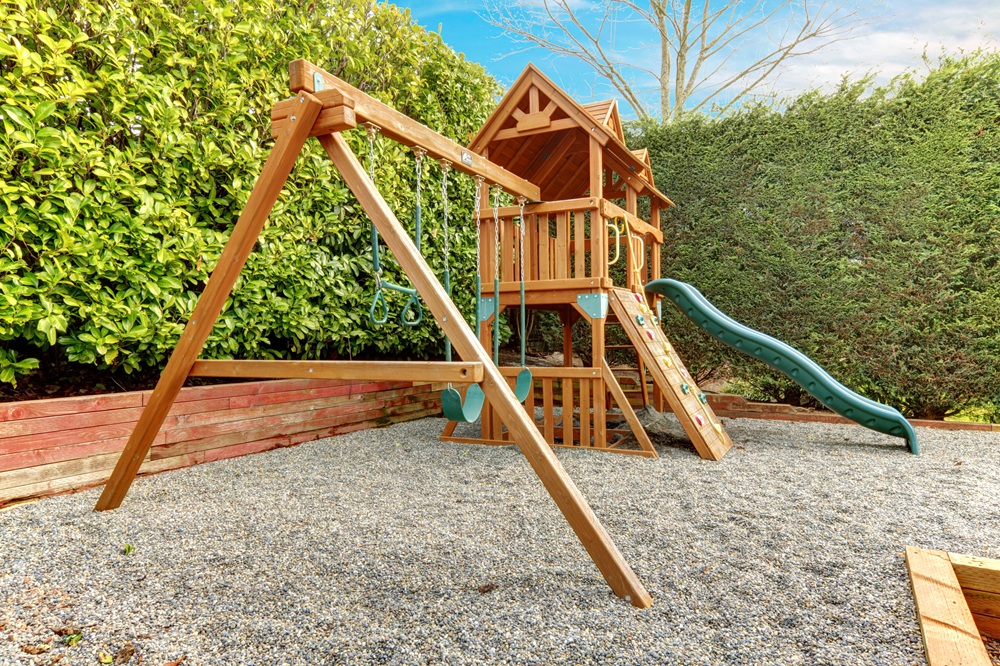
A themed backyard playground transforms an ordinary yard into an exciting space where kids can explore, play, and use their imagination every day. Instead of just a simple swing set, a thoughtfully designed theme creates an entire world for children to enjoy. The key to a successful themed playground is choosing a theme kids love, carefully planning the layout, and adding features that match the theme while keeping safety and budget in mind.
Parents don’t need a large yard or expensive equipment to create something special. Simple materials like wood, rope, and paint can turn a small space into a pirate ship, jungle hideout, or fairy garden. The goal is to build a place where kids want to spend time outdoors and can create their own adventures.
This guide will walk you through selecting the right theme, planning the space, and adding elements that bring the playground to life. The process starts with understanding what kids enjoy and ends with a backyard that becomes their favorite place to play.
Planning and Designing a Themed Playground
A successful themed playground starts with three core decisions: the theme itself, the available space, safety requirements, and equipment that matches the ages of children who will use it. These elements work together to create a backyard space that balances fun with function.
Choosing a Playground Theme
The theme forms the foundation for every other decision in playground design. Popular choices include pirate ships, castles, space stations, jungle adventures, and farm settings. Parents should think about what most often sparks their children’s imagination during play.
The best themes leave room for creative play instead of restricting it. For example, a simple woodland theme can evolve as children grow, while a very specific theme might quickly lose its appeal. The chosen concept should also fit with the yard’s existing features, like trees, slopes, or fencing.
Budget plays a role in theme selection, too. Some themes require custom elements that cost more, while others use standard equipment arranged in creative ways. Outdoor playsets from retailers like Extreme Kids World offer modular pieces that adapt to different themes without requiring custom fabrication.
Color schemes and small details help bring themes to life without spending a lot. Paint, flags, signs, and decorations transform simple structures into themed environments. A few well-chosen accessories often have more impact than elaborate custom pieces.
Assessing Space and Safety Needs
The playground’s footprint depends on both yard size and safety zone requirements. Each piece of equipment needs a fall zone around it. Swings require at least 6 feet of clearance in front and back, while slides need clear landing areas.
Measure the available space before selecting equipment. A cluttered playground creates hazards and reduces play value. Most experts recommend leaving 12 feet between separate play structures to prevent collisions.
Surface material affects both safety and maintenance. Options include:
- Wood chips: affordable, natural look, requires regular replacement
- Rubber mulch: more durable, softer falls, higher initial cost
- Poured rubber: offers the most protection, a permanent solution, and professional installation is needed
- Artificial turf: low maintenance, good drainage, moderate price
The yard’s drainage patterns are important too. Low spots that gather water cause muddy conditions and can damage equipment. Gentle slopes improve drainage, but steep grades restrict where equipment can safely go.
Selecting Age-Appropriate Equipment
Equipment selection must match the developmental stages of the children who will use the playground. Toddlers need low platforms, gentle slides, and simple climbers. School-age children want more challenge through higher structures, complex climbers, and faster slides.
Mixed-age families benefit from zones within the playground. A section with equipment for younger children sits separately from areas with challenging features for older kids. This setup allows siblings to play nearby while each uses age-appropriate equipment.
Height limits provide basic safety guidelines. Platforms for children under 5 should stay below 4 feet, while equipment for older children can reach 6 to 8 feet. Guardrails and barriers prevent falls from elevated areas.
Consider these factors for each age group:
| Age Range | Platform Height | Best Features |
| 2-5 years | Under 4 feet | Single slides, low swings, spring riders |
| 5-12 years | 4-8 feet | Multiple slides, climbing walls, overhead bars |
The number of activity options influences how long the playground keeps children’s interest. A variety of equipment supports different play styles and physical abilities. Swings, climbers, slides, and imaginative play elements each serve unique purposes in child development.
Bringing the Theme to Life
Once the playground theme is selected, the next step is to turn that vision into a physical space. The right play zones, color choices, and decorative details all work together to create an environment that sparks imagination and keeps children engaged.
Incorporating Creative Play Zones
A themed playground requires distinct areas that match the chosen concept. For a pirate theme, designers should include a ship-shaped play structure with a captain’s wheel and crow’s nest. Space themes benefit from rocket-shaped climbers and dome structures resembling planets. Nature themes call for different elements. Tree stump step spots create natural pathways. Log balance beams test coordination skills. A small garden area allows children to dig and explore real plants.
Adventure themes need obstacle courses and climbing walls. These features challenge physical abilities while keeping kids active. A small tunnel system can represent caves or secret passages. Rope bridges connect different play structures and add excitement.
Water play zones work well with ocean or jungle themes. Simple splash pads or water tables provide sensory experiences. Sand areas complement beach themes and allow for creative construction projects.
Using Color and Materials Effectively
Colors should match the theme and create visual impact. Jungle themes use greens, browns, and bright tropical colors. Ocean themes rely on blues, teals, and sandy beiges. Space themes incorporate dark blues, purples, and metallic silver.
Materials need to be durable and safe. Natural wood works well for rustic or nature themes, blending with outdoor surroundings and aging gracefully. Painted metal structures suit modern or fantastical themes, enduring weather, and keeping bright colors.
Surface materials must be carefully chosen. Rubber mulch comes in many colors to match any theme, providing safety and defining zones. Artificial turf creates grassy areas without needing maintenance. Sand works perfectly for beach themes, but needs borders to contain it.
Texture adds depth to the design. Smooth surfaces contrast with rough bark or rope elements. Soft foam shapes on the ground add comfort and visual interest.
Adding Personalized Decor and Accessories
Small details complete the themed experience. Flags and banners add movement and color. A pirate theme needs a skull-and-crossbones flag. Castle themes benefit from pennant banners in royal colors.
Signs and labels help define spaces. Hand-painted wooden signs direct children to different areas. They can mark territories like “Dragon’s Den” or “Astronaut Training Center.” Chalkboard surfaces let kids create their own decorations.
Props enhance imaginative play. Steering wheels, telescopes, and periscopes fit nautical themes. Butterfly nets and bug boxes suit garden themes. Dress-up hooks near play structures store themed costumes and accessories.
Planters and garden beds tie into many themes. Sunflowers and tall grasses create jungle vibes. Herbs and vegetables teach about nature. Flower boxes on play structures add life and color to any design.
A themed backyard playground transforms outdoor space into a fun area where children love to spend time. Parents should focus on a clear theme that matches their child’s interests, then add play structures and decorations that support that vision. The key is to balance fun with safety and create different zones for various activities.
A well-planned playground grows with children and provides years of active play. With careful design choices and attention to detail, any backyard can become a special retreat that sparks imagination and keeps kids active outdoors.