

If you’ve ever opened Netflix looking for a show for your 4, 5, or 6-year-old and instantly felt overwhelmed, you’re definitely not alone. Many kids’ shows today are bright, fast-paced, and nonstop — they grab attention quickly but don’t always leave children feeling calm, focused, or ready to move on to the next part of their day.
As parents, what we truly look for is something a bit different. We want shows that keep our kids engaged without overstimulating them… shows that support learning, ignite imagination, and model positive behavior — not just capture their attention.
The good news is that Netflix has many great options — you just need to know what to look for.
Research and child development experts consistently emphasize that slower-paced, lower-stimulation shows help children better understand what they’re watching, support language development, and even foster creativity and problem-solving. Instead of overwhelming their senses, these kinds of shows give kids space to think, process, and connect what they see to real life.
In this post, you’ll find a carefully chosen list of the best Netflix shows for kids ages 4, 5, and 6 — along with a few to avoid — so you can feel confident pressing play the next time screen time arrives.
Use one of the buttons below to quickly jump to a section!
How We Picked These Netflix Shows (And Why They Work for Ages 4–6)

When choosing shows for kids ages 4, 5, and 6, it’s not just about what’s popular — it’s about what truly supports how young children learn, focus, and grow.
At this age, kids are developing important skills like attention, problem-solving, language, and emotional regulation. And what they watch can either support that… or work against it.
Research shows that just a few minutes of fast-paced, highly stimulating cartoons can temporarily impact a child’s attention, memory, and self-control. Other studies have also connected frequent exposure to overstimulating content with decreased focus and developmental issues over time.
That doesn’t mean screen time is “bad” — it just means what kids watch matters. So for this list, we focused on shows that are not only engaging but also developmentally appropriate for this age group.
Here’s what we prioritized:
- Slower, easy-to-follow pacing – Shows that give kids time to process what’s happening instead of jumping quickly from scene to scene. This helps support attention and understanding.
- Simple, clear storylines—At ages 4–6, kids learn best when stories are easy to follow and build on familiar ideas. This supports understanding and boosts confidence.
- Positive social and emotional lessons – We selected shows that showcase kindness, problem-solving, cooperation, and everyday scenarios that kids can relate to.
- Age-appropriate language and learning moments — Naturally introduce new vocabulary, basic concepts, and early learning skills without feeling overwhelming.
- Lower stimulation overall – We prioritized shows that avoid constant noise, rapid cuts, or overly “busy” visuals — because overstimulation can make it harder for kids to focus, process, and regulate after watching.
We also looked at what parents actually experience daily — like how kids behave after watching a show. Are they calm? Engaged? Inspired to play or ask questions? Or are they wired, distracted, or having a hard time transitioning?
Because at the end of the day, the best shows aren’t just the ones kids love — they’re the ones that leave them feeling balanced, curious, and prepared for what’s next.
What Actually Makes a Kids’ Show Worth Watching (Ages 4–6)

Not all kids’ shows are equally good — especially for ages 4, 5, and 6.
At this stage, children are learning how to focus, follow stories, solve problems, and understand emotions. The shows they watch can either support those skills or make them harder to develop.
So what truly makes a show “good” for this age?
It’s not whether it’s labeled educational — it’s about how the content is presented.
Research has shown that fast-paced, highly stimulating shows can make it harder for young children to focus, remember information, and control their behavior — even after brief viewing periods. Conversely, calmer, more deliberately paced shows give kids time to process what they see and connect it to what they already know.
Here’s what to look for:
- Slower pacing – Good shows don’t rush from one scene to the next. They give kids time to watch, think, and understand what’s happening.
- Clear, simple storylines – Stories that follow a logical path help kids build comprehension and confidence. If a show feels confusing or chaotic, it’s usually not the best fit for this age.
- Positive social and emotional modeling – Look for characters who solve problems, show kindness, work through challenges, and express emotions in healthy ways. These moments matter more than we often realize.
- Opportunities for learning (without pressure) — The best shows naturally introduce vocabulary, numbers, problem-solving, or real-world concepts — without feeling overwhelming or overly “academic.”
- Calm visuals and sound – Shows that avoid constant noise, flashing scenes, or nonstop action tend to be easier for kids to process and less likely to leave them feeling overstimulated.
- Encourages imagination or real-world play – After watching, do kids want to pretend, build, explore, or ask questions? That’s a great sign that the show is supporting healthy development.
At the end of the day, a “good” show isn’t just one that keeps kids entertained — it’s one that helps them feel calm, engaged, and ready to keep learning long after the screen is off.
How to tell if a show is too stimulating

Not all overstimulating shows are obvious. Some seem harmless, but still leave your child feeling off after watching.
The key isn’t just what’s on the screen — it’s how your child responds during and after the show.
Research shows that fast-paced, highly stimulating content can make it harder for young children to focus, remember, and regulate their behavior — even after short periods of watching.
During the show
- Your child seems “zoned out” or glued to the screen
- The show has constant action or rapid scene changes
- There are a lot of loud sounds, flashing visuals, or chaos
- The content feels overly unrealistic or nonstop “busy”
After the show (biggest clues)
- Trouble turning the TV off
- Hyper or “wired” behavior
- Irritability or meltdowns
- Short attention span
- Difficulty transitioning to calmer activities
A simple test
After the show ends, ask:
- Are they calm and ready to move on?
- Or overstimulated and asking for more?
That answer tells you everything.
What you want instead
A good show should leave your child:
- Calm, not overwhelmed
- Engaged, but not “zoned out”
- Ready to play, imagine, or move on
Because the best shows don’t just entertain — they help your child feel balanced even after the screen is off.
TIPS FOR MAKING NETFLIX MORE EDUCATIONAL

Screen time doesn’t have to be passive. With just a few small adjustments, it can become a valuable part of how kids learn and engage with the world.
For children ages 4–6, even simple interactions can make a big difference in how much they take away from what they watch.
Here are a few easy ways to make Netflix time more meaningful:
Ask simple follow-up questions
After an episode, try questions like:
- “What was the problem in the story?”
- “How did they fix it?”
- “What would you do?”
These help build comprehension and critical thinking.
Encourage storytelling and retelling – Let kids explain what happened in their own words. This strengthens memory, sequencing, and communication skills.
Pause and talk during key moments – If a character is making a decision or experiencing a big emotion, take a second to talk about it. These moments are great for building emotional awareness.
Connect shows to real-life experiences – If a show focuses on counting, kindness, or trying something new, look for ways to bring that into everyday routines.
Follow up with play or activities – Shows can inspire hands-on learning—whether it’s building, drawing, pretending, or exploring a new idea.
These small habits help turn screen time into something active, engaging, and beneficial—without adding extra stress to a busy day.
The List! Best Netflix Shows For 4-6 Year Olds
Finding the right shows for kids this age can feel overwhelming — there are so many options, and not all of them support how young children actually learn and grow.
These picks are different.
Each one strikes that balance parents are looking for — fun and engaging for kids, but also calm, thoughtful, and developmentally appropriate.
You’ll find shows here that support real learning in a natural way — whether that’s building early math and language skills, encouraging creativity and imagination, or modeling positive social behaviors kids can carry into everyday life.
Most importantly, these are the kinds of shows that don’t just hold your child’s attention…
they leave them feeling calm, engaged, and ready for what’s next.
1. Ask the StoryBots
Where to Watch: Netflix
Ages: 4–6 years old
Episodes: 20–25 minutes
Teach Mama Rating: 
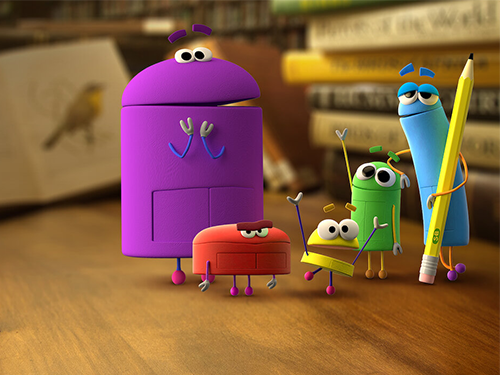
Ask the StoryBots is one of the strongest educational picks for this age group, turning everyday “why” questions into fun, easy-to-understand lessons kids actually remember.
Why parents love it:
- Explains complex topics (science, tech, the human body) in simple, kid-friendly ways
- Uses music and repetition to help concepts stick
- Covers a wide range of early learning topics in one show
- Engaging and energetic without feeling overly chaotic or overwhelming
Best For:
- Kindergarten readiness and early STEM learning
- Curious kids who ask lots of questions
- Building general knowledge through fun, memorable lessons
2. Team Zenko Go
Where to Watch: Netflix
Ages: 4–6 years old
Episodes: 20–25 minutes
Teach Mama Rating:
Team Zenko Go is a feel-good series that focuses on kindness, teamwork, and helping others in everyday situations—perfect for building strong social skills in young kids.
Why parents love it:
- Reinforces positive behaviors like helping, sharing, and teamwork
- Simple, easy-to-follow storylines that are great for younger viewers
- Focuses on problem-solving without conflict-heavy scenes
- Encourages empathy and community awareness in a gentle, age-appropriate way
Best For:
- Social-emotional learning and kindness
- Kids learning how to work together and solve problems
- Reinforcing positive, real-world behaviors
3. Trash Truck
Where to Watch: Netflix
Ages: 4–6 years old
Episodes: 15–17 minutes
Teach Mama Rating:
Trash Truck is a gentle, slow-paced show that follows a young boy and his best friend—a friendly trash truck—through everyday adventures filled with imagination and heart.
Why parents love it:
- Calm pacing that’s perfect for winding down or quiet time
- Strong focus on friendship, kindness, and emotional development
- Encourages imaginative play and simple problem-solving
- Minimal overstimulation compared to many modern kids’ shows
Best For:
- Emotional development and friendship skills
- Calm and relaxed screen time
- Kids who enjoy imaginative, real-world adventures
4. Puffin Rock
Where to Watch: Netflix
Ages: 4–6 years old
Episodes: 20 minutes
Teach Mama Rating:
Puffin Rock is one of the calmest, most soothing shows on Netflix, following a young puffin and her brother as they explore nature and everyday life on a quiet island.
Why parents love it:
- Extremely gentle pacing with soft narration and calming visuals
- Introduces kids to animals and nature in a simple, meaningful way
- Reinforces kindness, curiosity, and problem-solving
- Ideal for reducing overstimulation and promoting relaxed viewing
Best For:
-
- Low-stimulation, peaceful viewing
- Learning about animals and the natural world
- Sensitive kids or wind-down time before bed
5. Go! Go! Cory Carson

Where to Watch: Netflix
Ages: 4–6 years old
Episodes: 20–22 minutes
Teach Mama Rating:
Go! Go! Cory Carson is a warm, family-centered show that follows Cory and his friends through everyday childhood experiences like school, friendships, and growing independence.
Why parents love it:
- Focuses on real-life situations kids can relate to (school, family, emotions)
- Strong social-emotional learning with clear, positive messages
- Teaches problem-solving and decision-making in age-appropriate ways
- Engaging and fun without being overly fast-paced or chaotic
Best For:
- School readiness and everyday life skills
- Emotional development and understanding feelings
- Kids navigating friendships and new experiences
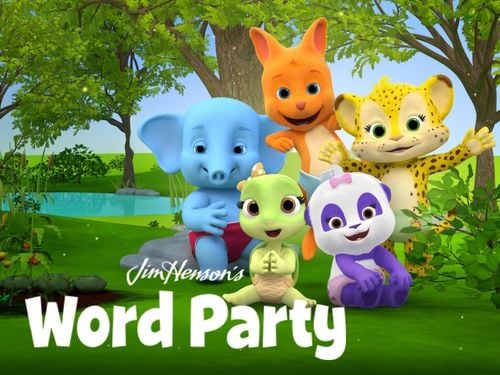
6. Word Party
Where to Watch: Netflix
Ages: 3–5 years old
Episodes: 12–14 minutes
Teach Mama Rating:
Word Party is a vocabulary-building show designed to help young kids learn new words through repetition, songs, and simple interactions with adorable baby animals.
Why parents love it:
- Strong focus on early vocabulary and language development
- Uses repetition and songs to reinforce learning
- Short episodes that are easy for younger kids to follow
- Simple structure that keeps things predictable and easy to understand
Best For:
-
- Early language development and vocabulary building
- Younger viewers within the 4–6 range
- Short, simple learning sessions without overstimulation
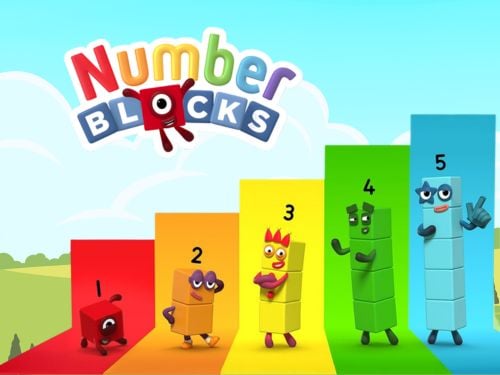
7. Numberblocks
Where to Watch: Netflix
Ages: 4–6 years old
Episodes: 5-7 minutes
Teach Mama Rating:
Numberblocks is one of the best early math shows available, using fun characters and simple stories to teach counting, addition, and number sense in a way kids truly understand.
Why parents love it:
- Builds strong early math skills through visual, hands-on concepts
- Breaks down numbers and operations into simple, easy-to-follow lessons
- Short episodes that keep kids engaged without overstimulation
- Makes math fun, approachable, and confidence-building
Best For:
-
- Kindergarten readiness and early math skills
- Learning counting, addition, and number relationships
- Kids who benefit from visual, step-by-step learning
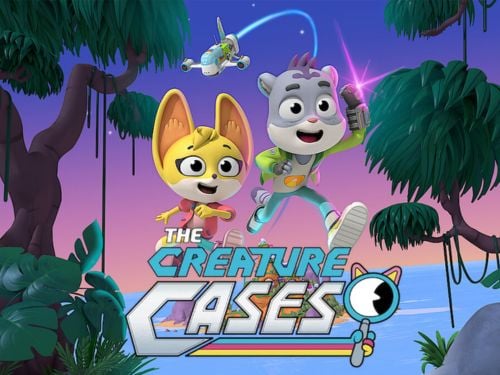
8. The Creature Cases
Where to Watch: Netflix
Ages: 4–6 years old
Episodes: 20–25 minutes
Teach Mama Rating:
The Creature Cases is a fun, mystery-style show where two agents solve animal-related cases, teaching kids about wildlife while encouraging curiosity and critical thinking.
Why parents love it:
- Combines problem-solving with real animal facts and habitats
- Encourages curiosity and asking questions about the natural world
- Introduces basic critical thinking through simple mysteries
- Engaging format without being overly chaotic or overwhelming
Best For:
-
- Learning about animals and ecosystems
- Building problem-solving and thinking skills
- Kids who enjoy mysteries and discovery
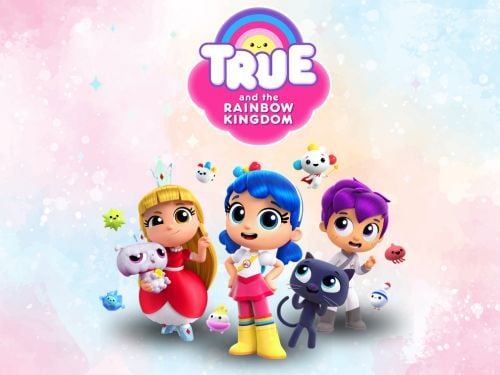
9. True and the Rainbow Kingdom
Where to Watch: Netflix
Ages: 4–6 years old
Episodes: 22–25 minutes
Teach Mama Rating: 
True and the Rainbow Kingdom is a colorful, imaginative series that follows True as she solves problems using empathy, creativity, and thoughtful decision-making.
Why parents love it:
- Teaches empathy, kindness, and helping others
- Encourages problem-solving through thoughtful choices
- Promotes creativity and imaginative thinking
- Positive messaging with clear, age-appropriate lessons
Best For:
-
- Social-emotional learning and empathy
- Creative problem-solving skills
- Kids who enjoy imaginative, story-driven shows
10. Deepa & Anoop
Where to Watch: Netflix
Ages: 4–6 years old
Episodes: 20–25 minutes
Teach Mama Rating:
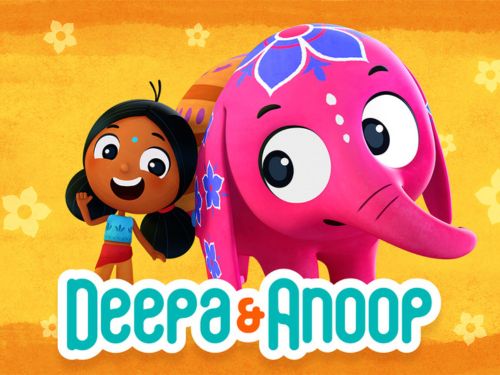
Deepa & Anoop is a bright, music-filled series that follows Deepa and her pet elephant as they help guests at their family hotel, solving problems with creativity and teamwork.
Why parents love it:
- Promotes teamwork, responsibility, and helping others
- Incorporates music and movement to keep kids engaged
- Introduces cultural elements in a fun, accessible way
- Encourages creative problem-solving in everyday situations
Best For:
-
- Social skills and teamwork
- Creative thinking and problem-solving
- Kids who enjoy music, movement, and imaginative play
11. Shaun the Sheep
Where to Watch: Netflix
Ages: 4–6 years old
Episodes: 7–10 minutes
Teach Mama Rating:
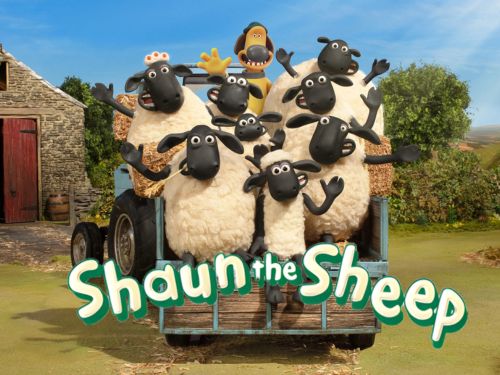
Shaun the Sheep is a charming, dialogue-free comedy that follows Shaun and his flock through funny, clever adventures on the farm.
Why parents love it:
- Encourages problem-solving and critical thinking without dialogue
- Gentle humor that’s engaging without being overwhelming
- Short episodes that are easy to fit into a quick viewing session
- Promotes creativity and understanding through visual storytelling
Best For:
-
- Independent thinking and visual comprehension
- Kids who enjoy humor and imaginative situations
- Short, engaging episodes without overstimulation
12. Gabby’s Dollhouse
Where to Watch: Netflix
Ages: 4–6 years old
Episodes: 22–25 minutes
Teach Mama Rating:
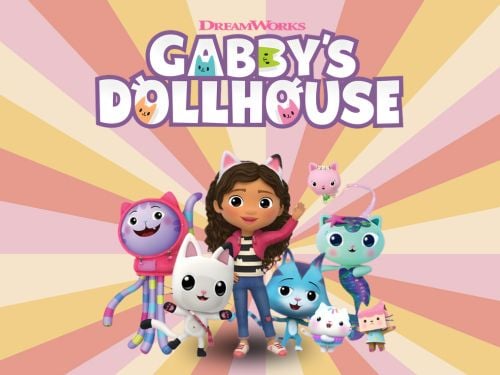
Gabby’s Dollhouse is a creative, interactive-style show that blends animation and live action as Gabby explores a magical dollhouse filled with fun characters, crafts, and mini adventures.
Why parents love it:
- Encourages creativity through crafts, pretend play, and problem-solving
- Promotes a growth mindset with positive, can-do messaging
- Interactive feel keeps kids engaged and participating
- Fun and colorful without being overly chaotic
Best For:
-
- Creative thinking and imaginative play
- Building confidence and a growth mindset
- Kids who enjoy hands-on activities and storytelling
13. Emily’s Wonder Lab

Where to Watch: Netflix
Ages: 4–6 years old
Episodes: 25–30 minutes
Teach Mama Rating: 
Emily’s Wonder Lab is a live-action science show where host Emily Calandrelli performs exciting experiments that help kids understand how the world works.
Why parents love it:
- Demonstrates real science concepts through fun, visual experiments
- Encourages curiosity and hands-on learning at home
- Makes STEM feel exciting and approachable for young kids
- Engaging without relying on fast-paced or chaotic animation
Best For:
-
- Early science exploration and STEM curiosity
- Kids who enjoy experiments and hands-on learning
- Building interest in how things work in the real world
14. Octonauts
Where to Watch: Netflix
Ages: 4–6 years old
Episodes: 20–25 minutes
Teach Mama Rating:
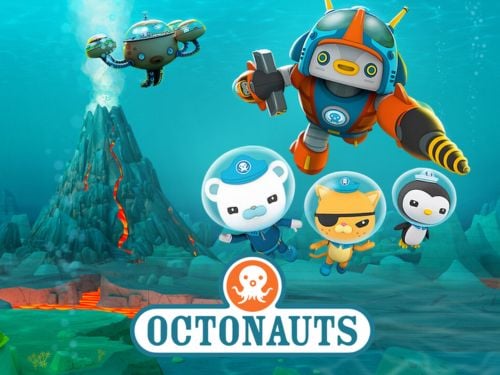
Octonauts is an adventure-based educational show where a team of explorers dive into the ocean to rescue sea creatures and learn about marine life.
Why parents love it:
- Teaches real facts about ocean animals and habitats
- Combines learning with simple, engaging adventure stories
- Encourages teamwork, helping others, and problem-solving
- Structured episodes that balance excitement without being overwhelming
Best For:
-
- Learning about marine biology and ocean life
- Learning about marine biology and ocean life
- Building curiosity about the natural world
15. Chip and Potato
Where to Watch: Netflix
Ages: 4–6 years old
Episodes: 20–25 minutes
Teach Mama Rating:
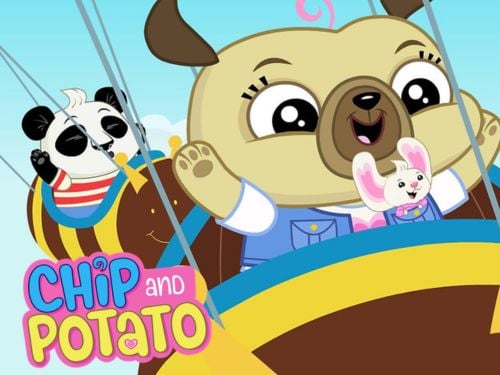
Chip and Potato follows a young pug starting school and navigating everyday experiences with her secret best friend, Potato, by her side.
Why parents love it:
- Focuses on real-life moments like starting school, friendships, and routines
- Strong social-emotional learning with clear, gentle lessons
- Helps kids understand feelings like nervousness, confidence, and independence
- Easy-to-follow stories that feel relatable and reassuring
Best For:
-
- School readiness and new experiences
- Emotional development and understanding feelings
- Kids adjusting to routines and independence
16. Ada Twist, Scientist
Where to Watch: Netflix
Ages: 4–6 years old
Episodes: 20–25 minutes
Teach Mama Rating:
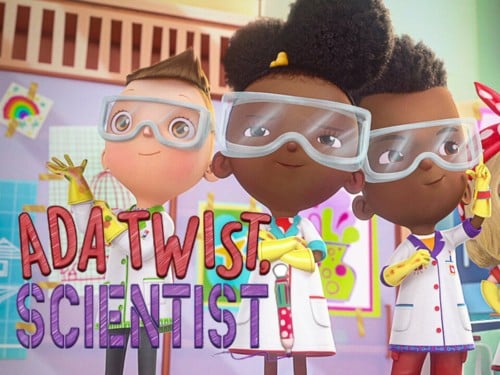
Ada Twist, Scientist follows a curious young scientist who explores big questions through experiments, teamwork, and creative thinking—making STEM fun and approachable for kids.
Why parents love it:
- Encourages curiosity, questioning, and scientific thinking
- Introduces basic STEM concepts in a fun, relatable way
- Promotes perseverance and learning through trial and error
- Positive teamwork and friendship themes throughout
Best For:
-
- Positive teamwork and friendship themes throughout
- Curious kids who love asking “why” and “how”
- Building confidence through exploration and discovery
17. Beat Bugs
Where to Watch: Netflix
Ages: 4–6 years old
Episodes: 20–25 minutes
Teach Mama Rating:
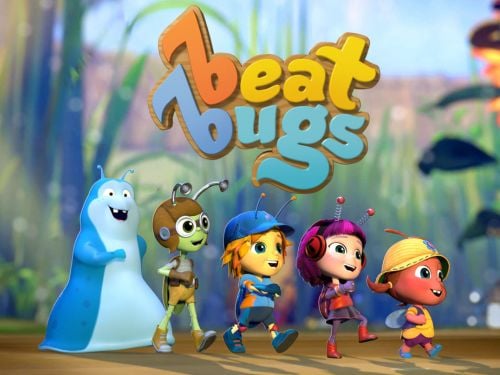
Beat Bugs is a music-driven animated series featuring songs inspired by The Beatles, following a group of friends as they learn life lessons through everyday adventures.
Why parents love it:
- Introduces classic music in a fun, kid-friendly way
- Reinforces positive themes like friendship, teamwork, and kindness
- Combines storytelling with music to keep kids engaged
- Gentle pacing compared to many music-heavy kids shows
Best For:
-
- Gentle pacing compared to many music-heavy kids shows
- Social skills and friendship lessons
- Kids who enjoy singing along and storytelling
18. PAW Patrol
Where to Watch: Netflix
Ages: 4–6 years old
Episodes: 20–25 minutes
Teach Mama Rating:
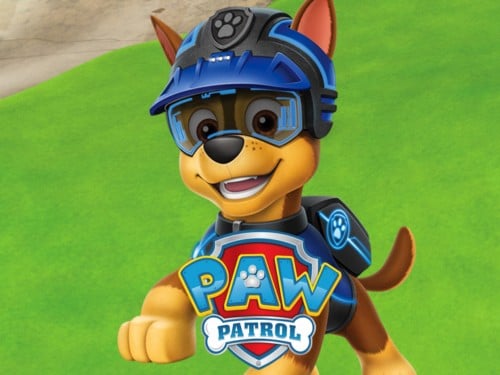
PAW Patrol follows a team of rescue pups led by Ryder as they work together to solve problems and help their community through exciting missions.
Why parents love it:
- Reinforces teamwork, responsibility, and helping others
- Clear problem-solving structure that’s easy for kids to follow
- Encourages bravery, cooperation, and community awareness
- Action-packed but still appropriate for young viewers
Best For:
-
- Teamwork and cooperation skills
- Problem-solving and helping others
- Kids who enjoy action with positive messages
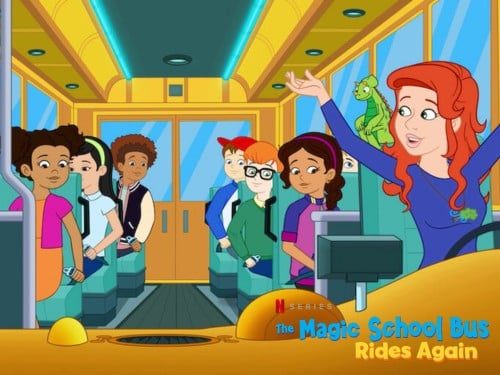
19. The Magic School Bus Rides Again
Where to Watch: Netflix
Ages: 5–7 years old
Episodes: 25–30 minutes
Teach Mama Rating:
The Magic School Bus Rides Again brings science to life through exciting field trips, where Ms. Frizzle and her class explore everything from space to the human body.
Why parents love it:
- Strong science focus with real educational concepts
- Encourages curiosity and asking questions about how things work
- Combines learning with imaginative, engaging adventures
- Builds on classic educational content in a modern, kid-friendly way
Best For:
-
- Early science learning and STEM exploration
- Curious kids who enjoy discovery and experimentation
- Building foundational knowledge in a fun, memorable way
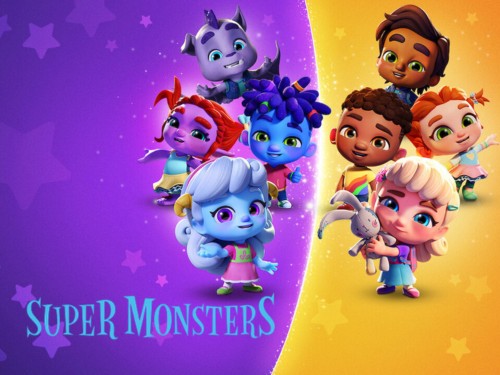
20. Super Monsters
Where to Watch: Netflix
Ages: 4–6 years old
Episodes: 20–25 minutes
Teach Mama Rating:
Super Monsters follows a group of preschoolers with famous monster parents as they learn to use their powers while building friendships and solving everyday challenges.
Why parents love it:
- Reinforces kindness, sharing, and teamwork in every episode
- Simple storylines that are easy for kids to follow
- Teaches emotional regulation and problem-solving
- Light fantasy elements without being too intense or scary
Best For:
-
- Social-emotional learning and friendship skills
- Kids learning to manage emotions and behaviors
- Gentle introduction to imaginative, fantasy-based stories
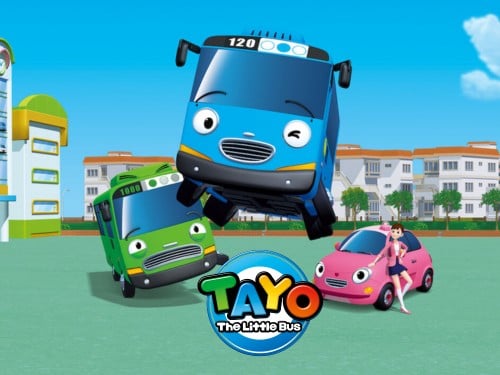
21. Tayo the Little Bus
Where to Watch: Netflix
Ages: 4–6 years old
Episodes: 11–13 minutes
Teach Mama Rating:
Tayo the Little Bus follows a group of friendly buses as they learn about responsibility, teamwork, and everyday life while navigating their busy city.
Why parents love it:
- Teaches simple lessons about responsibility and helping others
- Easy-to-follow storylines that are great for younger viewers
- Introduces basic concepts like rules, routines, and cooperation
- Short episodes that are perfect for quick viewing sessions
Best For:
-
- Younger viewers within the 4–6 range
- Learning routines, rules, and everyday behavior
- Simple, predictable stories without overstimulation
22. Chico Bon Bon: Monkey with a Tool Belt

Where to Watch: Netflix
Ages: 4–6 years old
Episodes: 12–14 minutes
Teach Mama Rating:
Chico Bon Bon: Monkey with a Tool Belt follows a clever monkey and his Fix-It Force team as they solve problems using tools, teamwork, and basic engineering thinking.
Why parents love it:
- Introduces early engineering and problem-solving concepts
- Encourages creative thinking and “how things work” curiosity
- Shows teamwork and collaboration in every episode
- Short, engaging episodes that keep kids interested without overstimulation
Best For:
-
- Early STEM and engineering thinking
- Problem-solving and critical thinking skills
- Kids who enjoy building, fixing, and figuring things out
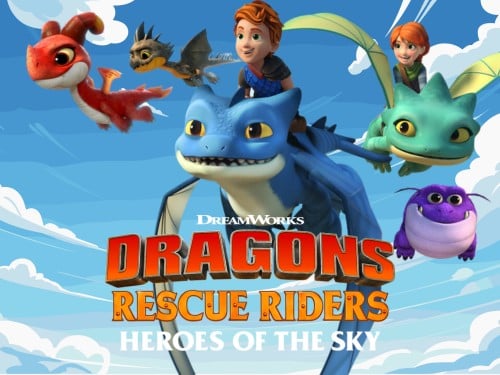
23. Dragons: Rescue Riders
Where to Watch: Netflix
Ages: 4–6 years old
Episodes: 22–25 minutes
Teach Mama Rating:
Dragons: Rescue Riders follows a group of young heroes and their dragons as they protect their village, solve problems, and work together on rescue missions.
Why parents love it:
- Emphasizes teamwork, helping others, and problem-solving
- Introduces light adventure without being too intense or scary
- Clear storylines that are easy for kids to follow
- Encourages bravery, responsibility, and cooperation
Best For:
-
- Teamwork and cooperation skills
- Kids ready for slightly more adventurous stories
- Building confidence through problem-solving and helping others
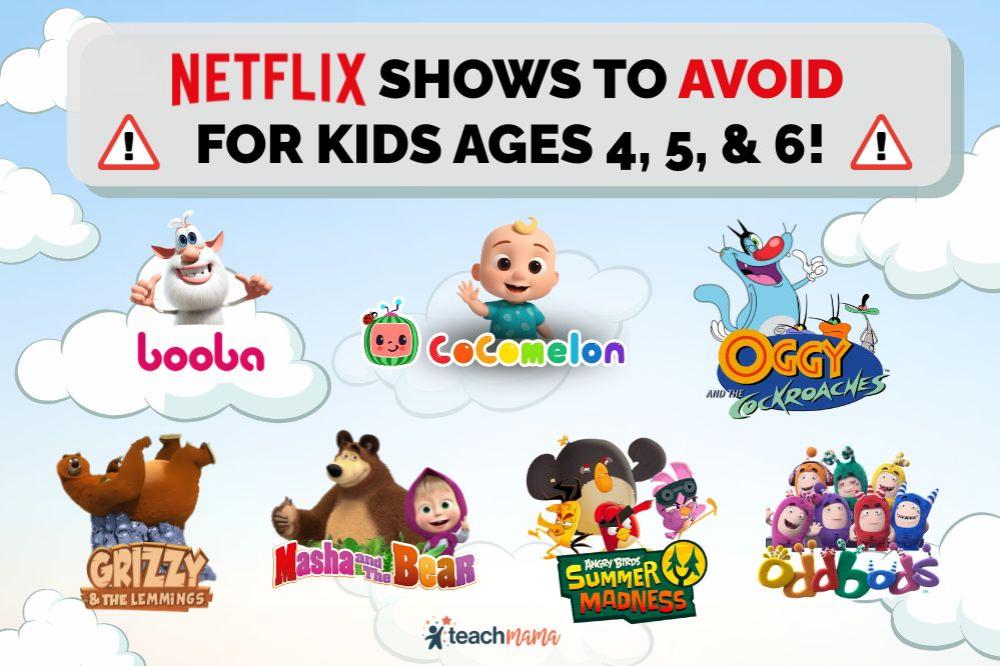
NETFLIX SHOWS TO AVOID FOR 4, 5, & 6 YEAR OLDS
While there are many great options, there are also shows that may not be the best fit for this age group.
Some can be overly fast-paced, rely heavily on loud or chaotic humor, or model behaviors that don’t align with the habits many parents are trying to encourage.
That doesn’t mean they’re “bad” shows—but they may not support focus, learning, or positive behavior in the same way.
This section highlights a few to be mindful of and why.
1. Booba

Where to Watch: Netflix
Ages: 3–6 years old
Episodes: 3–5 minutes
Teach Mama Rating:
Booba is a fast-paced, slapstick-style cartoon that follows a curious creature exploring the world—but its chaotic style and lack of structure make it a less ideal choice for kids ages 4, 5, and 6.
Why parents may want to avoid it:
- Fast, chaotic pacing with lots of noise and exaggerated reactions
- Lacks clear educational value or meaningful lessons
- Relies heavily on silly, sometimes disruptive behavior
- Minimal dialogue or storyline, making it harder for kids to follow or learn from
Best to avoid if your goal is:
-
- Calm, low-stimulation screen time
- Shows with clear learning or positive messaging
- Encouraging thoughtful behavior and problem-solving
2. CoComelon
Where to Watch: Netflix
Ages: 2–4 years old
Episodes: 3–5 minutes per segment
Teach Mama Rating:
CoComelon is a highly popular nursery rhyme show, but its fast-paced style and repetitive structure make it less ideal for kids ages 4, 5, and 6, especially if you’re aiming for calm, educational screen time.
Why parents may want to avoid it:
- Very fast scene changes that can be overstimulating
- Heavy repetition without deeper learning or problem-solving
- Encourages passive viewing rather than active thinking
- Limited storytelling or meaningful character development
Best to avoid if your goal is:
-
- Slower-paced, calming content
- Strong educational value beyond basic repetition
- Encouraging focus, creativity, and critical thinking
3. Oggy and the Cockroaches
Where to Watch: Netflix
Ages: 6+ years olds
Episodes: 7–10 minutes
Teach Mama Rating:
Oggy and the Cockroaches is a fast-paced, slapstick cartoon centered around constant chases and conflict, which can make it a less ideal choice for younger kids in the 4–6 age range.
Why parents may want to avoid it:
- Heavy focus on chaotic, nonstop conflict and chasing
- Relies on exaggerated, sometimes aggressive behavior for humor
- Minimal meaningful lessons or positive problem-solving
- Fast pacing that can feel overstimulating for younger viewers
Best to avoid if your goal is:
-
- Calm and low-stimulation screen time
- Positive behavior modeling and problem-solving
- Shows with clear educational or social-emotional value
4. Grizzy and the Lemmings
Where to Watch: Netflix
Ages: 6+ years olds
Episodes: 7–10 minutes
Teach Mama Rating:
Grizzy and the Lemmings is a high-energy, slapstick cartoon centered around constant competition and chaos, which can make it overwhelming and less beneficial for younger kids.
Why parents may want to avoid it:
- Nonstop chasing, crashing, and chaotic scenes
- Heavy use of exaggerated, competitive, and sometimes disruptive behavior
- Little to no educational value or meaningful lessons
- Fast pacing that can be overstimulating for ages 4–6
Best to avoid if your goal is:
-
- Relaxed and low-stimulation screen time
- Positive behavior modeling and cooperation
- Shows with clear learning or developmental value
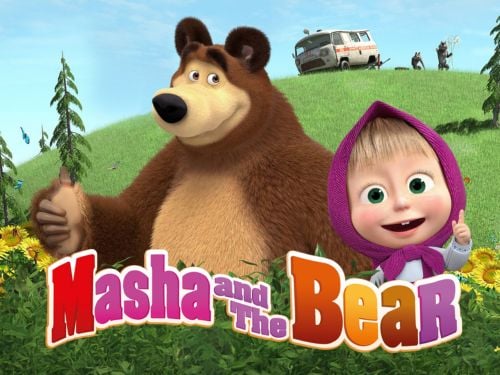
5. Masha and the Bear
Where to Watch: Netflix
Ages: 3–6 years olds
Episodes: 7–10 minutes
Teach Mama Rating:
Masha and the Bear is a popular animated series, but the main character’s frequent misbehavior and lack of clear consequences can make it a less ideal choice for kids ages 4, 5, and 6.
Why parents may want to avoid it:
- Main character often ignores rules and boundaries
- Misbehavior is sometimes played for humor without clear consequences
- Can model disruptive or impulsive behavior
- Focuses more on chaos than thoughtful problem-solving
Best to avoid if your goal is:
-
- Encouraging positive behavior and listening skills
- Reinforcing respect, rules, and self-control
- Shows with clear lessons and strong role models
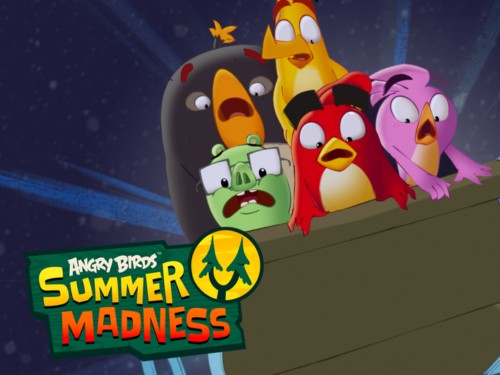
6. Angry Birds: Summer Madness
Where to Watch: Netflix
Ages: 3–6 years olds
Episodes: 10–12 minutes
Teach Mama Rating:
Angry Birds: Summer Madness follows the well-known characters at a summer camp, but it’s fast-paced humor and conflict-driven storylines make it less ideal for younger kids in the 4–6 range.
Why parents may want to avoid it:
- Heavy focus on conflict, rivalry, and revenge-style humor
- Fast pacing with lots of chaotic and exaggerated reactions
- Limited emphasis on problem-solving or meaningful lessons
- Characters often model impulsive or reactive behavior
Best to avoid if your goal is:
-
- Calm and relaxed viewing
- Positive behavior modeling and cooperation
- Shows with clear educational or social-emotional value
7. Oddbods

Where to Watch: Netflix
Ages: 5–7 years olds
Episodes: 7-10 minutes
Teach Mama Rating:
Oddbods is a slapstick-style cartoon driven by exaggerated reactions and silly conflicts, which can make it less suitable for kids ages 4, 5, and 6—especially when focusing on calm, meaningful content.
Why parents may want to avoid it:
- Relies heavily on chaotic, over-the-top humor and reactions
- Frequent conflict with little emphasis on resolution or learning
- Minimal dialogue or structure, limiting educational value
- Fast-paced scenes that can feel overstimulating
Best to avoid if your goal is:
-
- Gentle, low-stimulation viewing
- Positive behavior modeling and cooperation
- Shows with clear lessons and meaningful storytelling
CLOSING
There’s no such thing as perfect screen time—and it doesn’t have to be all or nothing.
What matters most is being intentional.
At ages 4, 5, and 6, kids are learning quickly and picking up on more than we realize. The shows they watch can support how they think, solve problems, and interact with others.
Choosing calmer, more thoughtful content is a small shift that can make a big difference over time.
And when screen time is paired with conversation, play, and real-life connection, it becomes something even more valuable.
