

Today’s classrooms ask a lot from teachers. We manage content, care for students, and navigate tools that change fast. The good news is that a clear set of skills helps you do the job well, no matter the grade or subject. This guide breaks those skills into practical moves you can use right away.
Build Strong Relationships
Learning rests on trust. Students show up when they feel seen and respected, and that begins with small daily habits. Greet students by name, listen without rushing, and follow through on what you promise.
Practical Moves
Use quick student surveys to learn interests and worries. Keep a simple log to track who you checked in with this week. Pair community norms with student voice so expectations feel shared, not imposed.
Plan With Clear Learning Goals
Clarity helps everyone. Set goals in simple, student-friendly language, and show examples of what success looks like. If you are still assessing if you have the qualities to be a good teacher, use those goals to check your strengths and areas to grow. Then align activities, time, and feedback to those goals so each step points in the same direction.
Quick goal-setting checklist:
- Write 1 to 2 daily learning targets that students can say back.
- Share a short model or exemplar before practice starts.
- Plan one check for understanding in the middle of the lesson.
- Add a 1-minute exit ticket that ties to the target.
- Adjust the next day’s plan based on what you learned.
Use Evidence-Based Instruction
A few methods work across grades because they match how memory and attention function. Explain clearly, model the first steps, then release practice in small chunks. Interleave and revisit key ideas so students see patterns and can recall them later.
Quick Routines
- Start with a brief warm-up that activates prior knowledge.
- Model a problem, then have students solve a near copy.
- Pause for a partner explanation before moving on.
- Mix old and new items during practice to promote transfer.
- Review with short retrieval prompts at the end of class.
Foster Productive Struggle And Growth Mindset
Students learn most when tasks feel challenging but doable. You can shape that zone by setting norms like “errors show thinking,” and by praising effort tied to specific strategies. A 2024 roundup from Edutopia highlighted research where adding a few easier problems to a tough set made students more eager to tackle another round of hard work later, showing how pacing and task design affect motivation.
Build stamina step by step. Use think time before calling on anyone, and ask for multiple solution paths. When a student gets stuck, coach the next move rather than giving the answer, and invite peers to add on.
Differentiate And Support Diverse Learners
Classes include a wide range of needs, languages, and experiences. Plan from the start for at least two paths through a task, and keep supports visible for all students. Offer models, sentence starters, and graphic organizers so learners can choose the help that fits.
Pair differentiation with high expectations. Set common goals, then vary the time, tools, or grouping to reach them. Track who uses which support so you can fade help as students gain skill.
Integrate Technology With Purpose
Use tech to amplify, not distract. Choose tools that make learning more visible, speed up feedback, or open access for students who need support. If your context lacks devices or bandwidth, lean on low-tech versions of the same moves, like paper exit tickets or peer feedback protocols.
An international outlook from 2024 noted that more school leaders report resource shortages now than a decade ago, so teachers often need flexible plans that work with or without devices. Have analog backups ready, and teach students routines that translate across tools. Keep privacy and screen time in mind, and schedule tech-free moments that center on discussion and movement.
Classroom Ideas
Rotate creation tools so students write, record audio, or build visuals. Use polling to surface misconceptions early. When using AI, keep it as a scaffold for brainstorming or revision, and ask students to show their own reasoning next to any generated text.
Communicate And Collaborate With Families
Families are key partners in learning. Share short, clear updates about goals and routines, not just grades. Invite caregivers to tell you what helps their child succeed, and act on that knowledge.
Ways to keep families in the loop:
- Send a weekly snapshot of upcoming topics and tasks.
- Offer two times for conferences, including one outside the typical day.
- Provide translation or interpreters when needed.
- Share one strength for every concern you raise.
- Ask one question in each message to spark a reply.
Keep Growing Through Reflection And Self-Care
Great teaching is learned and refined over time. Set aside a few minutes each week to note what worked, what did not, and what to try next class. A 2025 university article emphasized traits like adaptability, empathy, and subject expertise, which you can strengthen through steady practice and feedback.
Model lifelong learning in front of students. Try one small experiment every unit and collect quick data on its effect. Protect your energy with simple routines like batching email, planning clean endpoints for lessons, and taking a short walk during prep when you can.
Build Student Engagement Through Purposeful Questioning
Plan sequences of questions that move from recall to reasoning to transfer, and pause long enough for multiple hands to rise; silence is a tool, not a problem, because it gives students time to retrieve and organize ideas.
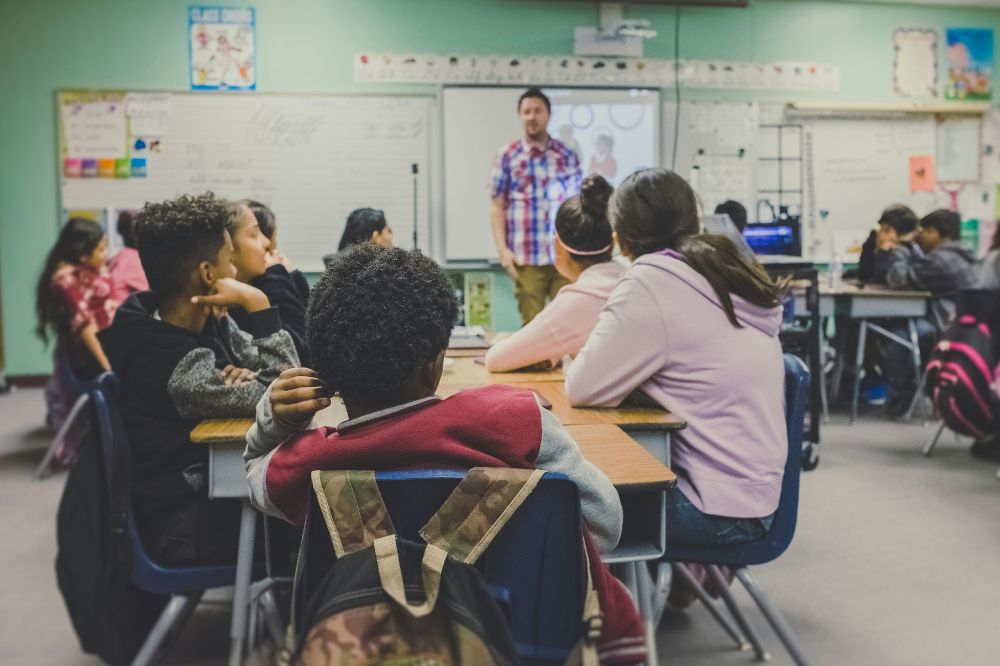
Use varied structures – cold call, hands down for a stretch, think-pair-share, and revoice – to spread participation while keeping expectations clear, and ask students to build on, challenge, or synthesize peers’ contributions using simple sentence starters. Track who speaks with a quick roster check, invite quieter voices first on easy openers, and close with a one-minute exit question to surface misconceptions you will address in tomorrow’s opener.
Teaching is complex, but the core skills are within reach. Start with relationships and clear goals, add proven routines, and adjust according to what your students show you. With steady reflection and a focus on growth, you can make learning stronger and more joyful for everyone in the room.
