
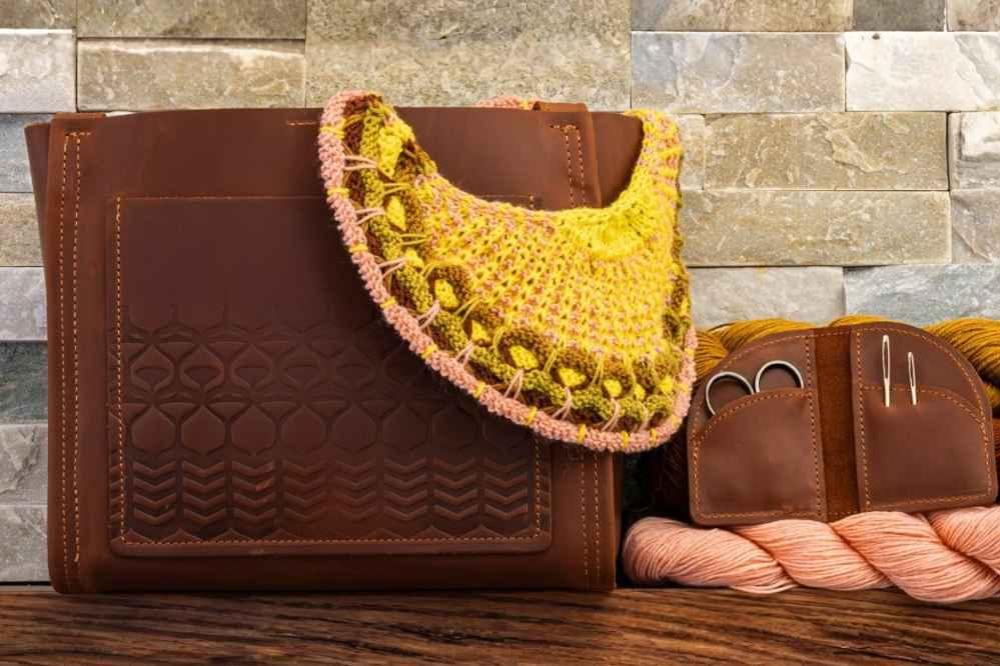
Picture this: Steam rises from your favorite mug as you settle into the family armchair. A well-loved chapter book rests on your lap. Across the rug, one child is happily looping yarn around four tiny fingers while another counts stitches on a round loom.
The room glows with lamplight, the only screens being the stitches forming under busy hands. In just 20 focused minutes, literacy, math, and connection bloom. Everyone heads to bed feeling both calm and accomplished.
Sound magical? It only takes a handful of thoughtful tools and a simple routine to make it your new nightly norm. Below you’ll find a step-by-step guide plus a curated list of items that double as learning boosters. Let’s turn ordinary evenings into cozy family learning nights starting tonight.
The 20-Minute Read-Aloud-and-Knitting Routine
Minute 0–2: Set the Scene
Start the kettle or coffee maker immediately. Pouring a mellow cup of decaf coffee from Bones Coffee Company helps parents unwind from the day without sabotaging sleep quality. While the beverage brews, gather project bags pre-packed with tonight’s yarn and needles.
Include a bookmark and sight-word cards in the kit. Dim the overhead lights and queue up a soft acoustic playlist. Favor gentle guitar or lo-fi piano tracks to set the mood instantly.
Minute 3–15: Story + Handwork
The parent reads aloud, keeping the pace slow so children can follow the story narrative while their fingers work. Reading aloud is the single most important activity leading to literacy acquisition in young children. Kids practice finger knitting or plain garter stitch scarves, depending on their skill level.
Minute 16–18: Sneaky Math Moment
Use stitch markers to have kids skip-count by twos or fives. You can also click a row counter once per paragraph read. Compare total clicks to page numbers for a spontaneous fractions mini-lesson.
Minutes 19–20: Quick Cleanup
Each child returns tools to a labeled pocket in the project bag. They must reset the reading chair station before leaving. Celebrate with a high-five or a whispered “thanks for the cozy night,” then power down for bedtime.
Consistency Tips
- Same chair + same time: Creates a brain cue for calm.
- Atmosphere: Keep lighting low and voices soft to mark the shift from daytime bustle to evening coziness.
- Ownership: Let children choose the read-aloud every Sunday to build excitement.
| Key Insight: The magic lies in the routine, not just the activity. Consistent timing and lighting create a powerful psychological cue, signaling the brain to shift instantly from chaotic energy to focused calm. |
Essential Knitter-Friendly Gifts That Power the Routine
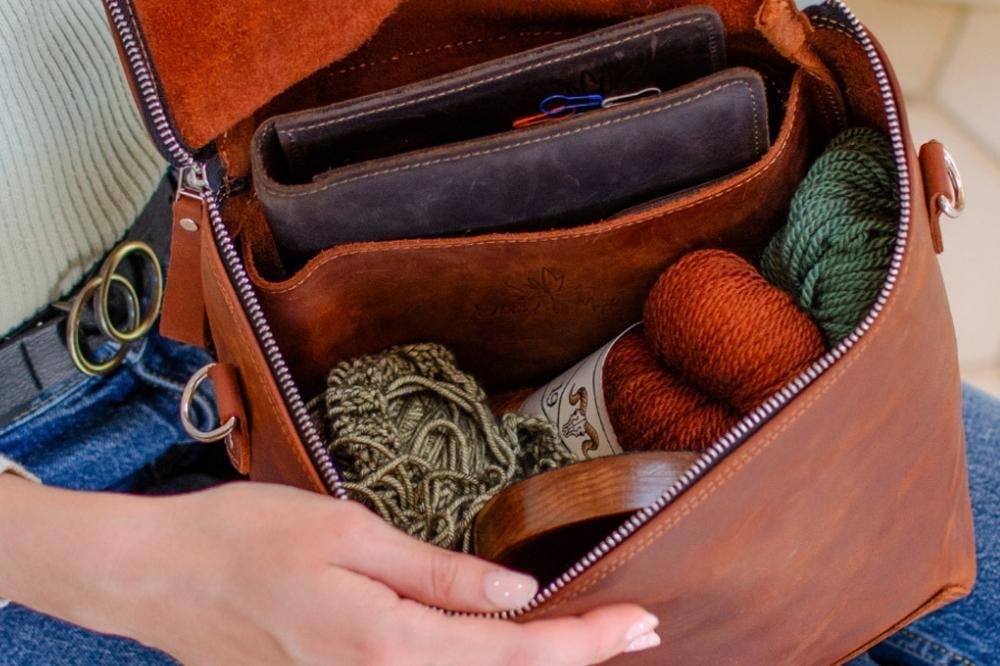
Photo from Thread and Maple Instagram
Selecting durable, high-quality gifts for knitters from Thread & Maple that also function as educational tools is the secret to making this routine work. The right accessories can bridge the gap between a hobby and a learning session.
Project Bags (Portable Reading-and-Craft Stations)
Look for bags with a flat bottom so they stand upright while a child fishes out markers. Interior pockets are essential to separate hooks from highlighters. A drawstring top allows for a quick cinch and cleanup.
Notions Pouches That Double as Literacy Organizers
A clear-front pouch lets children see what lives where, such as pencils, erasers, or tiny flash cards. Add iron-on alphabet patches so kids can personalize their pouch and practice letter recognition. They’ll be hunting for “M-for-marker” before you even open the book.
Stitch Markers & Row Counters as Sneaky Math Tools
These small tools are powerful for math fluency. For skip-counting, place a marker every 5 stitches and have kids recite the fives table aloud. For fractions, when a scarf hits the ¼-marker, pause reading and predict how many pages remain until halfway.
| Pro Tip: Gamify the experience by letting children “unlock” the next chapter. Require them to complete five rows or correctly skip-count their stitch markers before you turn the page. |
Kid-Friendly Knitting Techniques to Try Tonight
Finger Knitting (Ages 4 +)
This technique requires only bulky yarn and two hands. Teach the rhythm: “Over, under, over, under. Now lift the bottom loop over the top.” You can count the loops, measure chains against a ruler, or graph nightly progress for math practice.
Loom Knitting (Ages 5–9)
A small round loom turns a few yards of yarn into a doll hat within two sessions, offering instant gratification. Each finished row equals a page read, turning literacy into a visual ladder of achievement. The blunt hook means fewer “ouch” moments compared to traditional needles.
Quick Cleanup & Storage Tips Kids Can Handle Solo
- Reset Basket: Label a shallow basket “All the Things.” Every notion returns home before lights-out.
- Roll-Up Mat: Place in progress projects on felt, roll, and tie to prevent dropped stitches.
- 60-Second Tidy-Up Song: Can they beat the chorus? Challenge accepted.
Sneaky Math & Literacy Lessons Hidden in Yarn
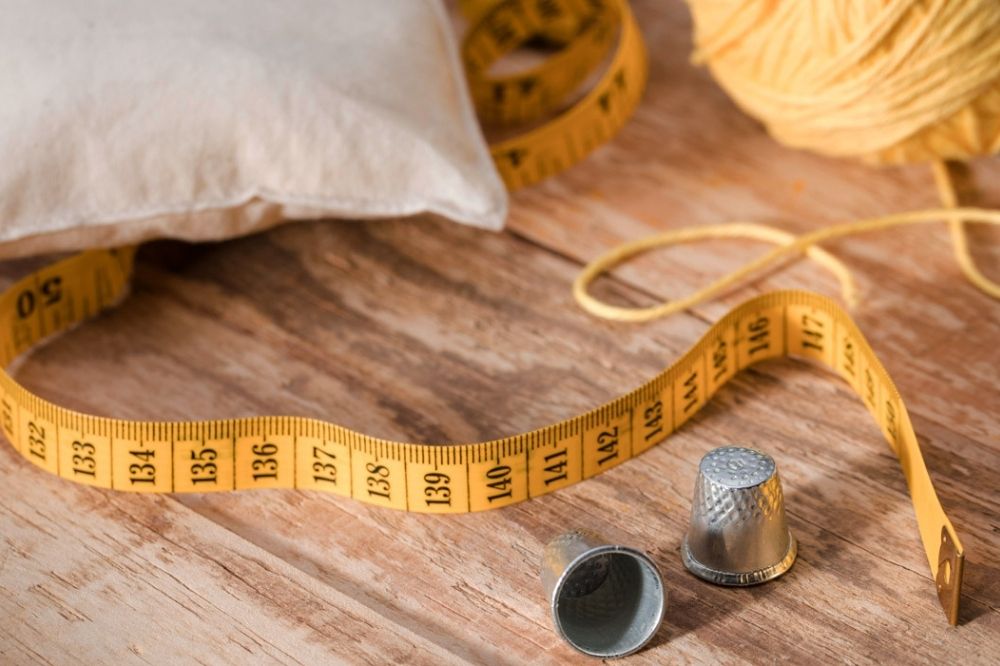
The connection between crafting and cognitive development is stronger than you might think. Align reading with rows by setting a goal where one chapter equals 10 rows. This helps kids predict finishing times, effectively building estimation skills.
Introduce gauge ruler vocabulary like “centimeter,” “tension,” and “worsted” into everyday conversation. Discuss yarn weight fractions by comparing worsted to sport weight. Kids feel the difference tactilely, reinforcing the math concept.
Fast Gift Patterns Parents Can Knit in an Evening
If you are knitting alongside them, try patterns that mirror the learning structure. A 1-hour bulky headband teaches ribbing and pattern recognition. A two-night chunky cowl allows rows to align with chapters for built-in goals.
Simple fingerless gloves let you count pairs like you count book series. Each small finish becomes a practical upgrade to your reading nook. Think warm ears, toasty necks, and fingers free for page-turning.
FAQ Corner
Q: Ideal child ages?
A: Four to ten works beautifully. However, older siblings often wander in “just to help.”
Q: Best yarn types for small hands?
A: Super-soft, light-colored, bulky yarn shows stitches clearly. It glides without splitting.
Q: What if a child loses interest?
A: Let them doodle or color while listening. Handwork is an invitation, not a requirement.
Q: Can non-knitting caregivers run the routine?
A: Absolutely. Substitute coloring or simple beading. The rhythm of hand and ear learning remains.
Q: Time-saving hacks for weeknights?
A: Pre-wind yarn on Sundays and keep backup chapter books in the project bag. Pour tomorrow’s oatmeal before lights-out.
| Warning/Important: Avoid thin or easily splitting yarn for beginners. Frustration is the enemy of learning; always choose smooth, bulky, light-colored yarn that allows small hands to see stitches clearly and succeed quickly. |
Your Next Steps
- Pull together a project bag, a skein of bulky yarn, and the family’s favorite read-aloud.
- Print the free “Station Packing List” and tape it inside the project bag for kid-led prep.
- Sign up for our gentle 10-Day Knit-Gift Challenge to keep the momentum rolling.
Tonight, turn on the kettle, grab that plush skein, and settle everyone shoulder-to-shoulder. With a cup of comforting decaf coffee by your side and yarn looping through little hands, an ordinary evening changes. It becomes something wonderfully warm, memorably educational, and entirely screen-free.
