
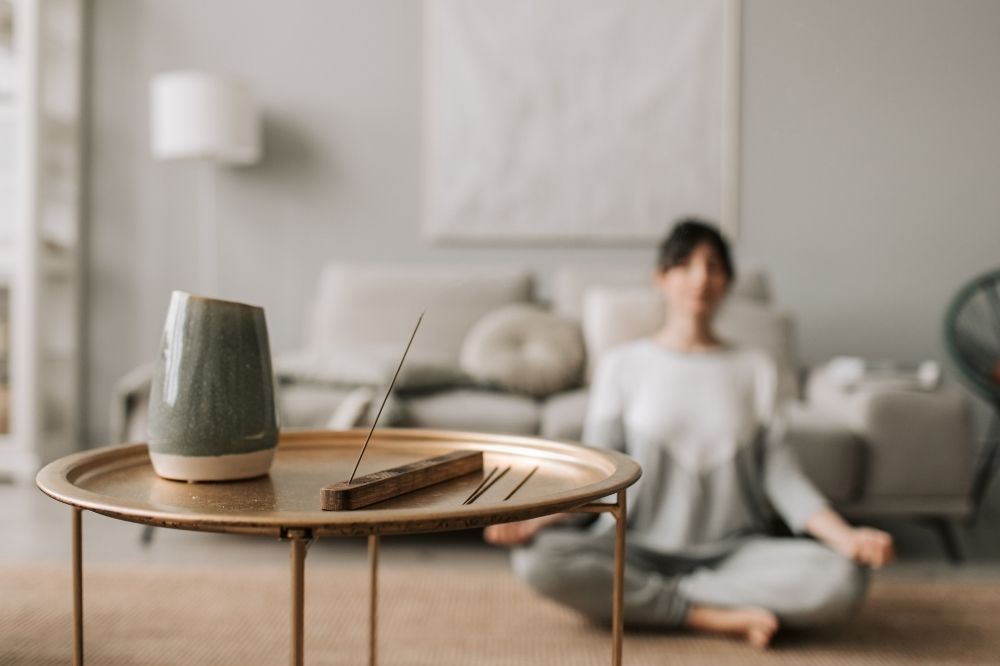
A tranquil residence is often determined by the very first moments a visitor enters. The atmosphere can be immediately transformed by soft lighting, decluttered areas, and carefully selected artworks. It is common for families who spend leisure time in harmonious, well-structured spaces to feel a stronger bond and experience relaxation. The main point is not to own a designer house but to have a living space that invites serenity, concentration, and happiness during everyday activities. Selecting furniture and using colors and textures can be powerful emotional influences, promoting relaxation not only for adults but also for kids after a hectic day.
Home design could be an indirect factor in the level of serenity experienced by the inhabitants. The modern open concept has been a highlight feature of designer modular homes that attract the attention of many homeowners today due to its capability of designing spaces that provide both airiness and openness without sacrificing functionality. Such floor plans facilitate the passage of sunlight through the house and consequently help avoid the claustrophobic feeling that might come with typical construction styles. There is less maintenance required, as the less complex room arrangement contributes to a more peaceful atmosphere due to the cleanliness. When the training is bright and holds meaning, the natural course of things is that the two, creativity and mindfulness, will eventually coexist.
Creating Spaces That Inspire
Curiosity and imagination are best nurtured in children in such environments. Providing a designated space for reading, drawing, or practicing music enables children to express their inner selves smoothly and quietly. The use of bright colors or even simple wall art can completely change the mood in these areas. Thoughtfully chosen wall art does more than decorate—it shapes emotions, sparks creativity, and makes a space feel alive. When families transform photos into wall art, they add meaning and personal stories to their surroundings, strengthening a sense of belonging and identity. For parents, designing a space for work or rest could help family members recognize their roles and keep the daily schedule well organized. The idea is to build a house where every family member can think, produce, and get their energy back in a personalized way.
The equilibrium plays a major role. Excess furniture or other items can make a room look cluttered and noisy, while their absence can make the place feel cold and unwelcoming. On the other hand, the introduction of nature in any form—greenery, soft textiles, or wooden furnishings—can definitely radiate warmth and also help to calm the indoor environment. These invisible characteristics prevent the brain from becoming overly active, leaving the whole day for meditation and creative play.
The temperature inside a room is another invisible factor that changes how a space feels. If a house is too hot, it is hard to feel calm or focus on creative tasks. Many families find that a reliable cooling system is a basic part of a peaceful home. People who live in warm areas often need hvac repair summerlin to keep their indoor air at a comfortable level. This helps the home stay a true sanctuary during the hottest months. When the air is cool and fresh, it is much easier to enjoy the quiet moments of the day.
And don’t forget about your bedroom. A well-considered bed and bedding setup also contributes significantly to this balance. Since the bed is usually the visual and functional centerpiece of a bedroom, choosing the right bedding can influence both comfort and atmosphere. For a more luxurious, silky feel, sateen sheets from dozebedding.com are a great option.
Simplifying with Style
Simplicity, however, does not necessarily eliminate the need for comfort and personality. Whole house furniture packages are chosen by a lot of families as a solution to the problem of obtaining a cohesive look without the stress of mixing and matching different items. Coordinated designs help create a uniform look throughout the house, which in turn facilitates the flow from one room to another and thus brings about a feeling of order and peace. On the other hand, it also relieves the pressure of decorating, as the families can then concentrate on how they live rather than what they possess.
The compatibility between furniture and decor lessens home maintenance. Keeping the spaces tidy is simple since everything stays in its place. The family will now see the space as perfect for doing activities together, sharing meals, and enjoying quiet evenings, because the home feels calm thanks to the controller. This calm is very important, as it helps everyone do their daily chores with more patience and mindfulness, making family life seem more balanced and steady.
Nurturing a Peaceful Rhythm
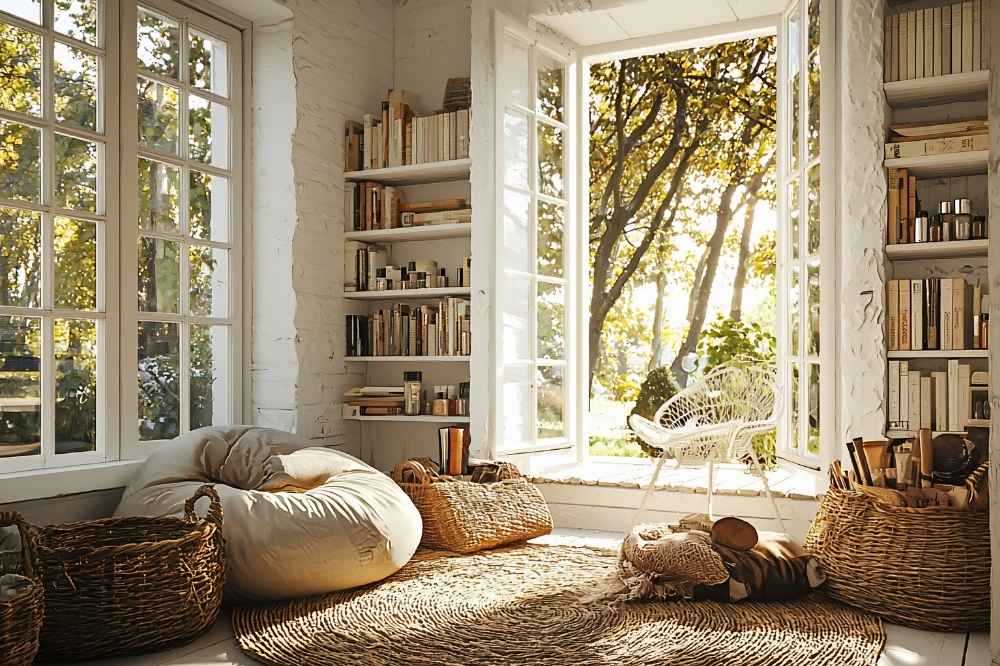
Calmness isn’t just about appearance; it’s also about home life. Small rituals like reading at night, enjoying coffee in the morning sun, and spending time on arts and crafts bring ease and comfort. These gentle actions remind us that a house isn’t just for sleeping; it’s a place for refreshment and connection.
From cooking to organizing the daily routines, the house provides paths through which people can practice mindfulness, and there will be less stress in the household. The more peaceful the home is, the more easily the creativity and curiosity of the children will be developed. A well-arranged place can be simple but must be in tune with the family’s requirements and character.
If we consider the positive aspects of these two contrasting personalities, we can say that the combination of calmness and creativity is truly remarkable, and that they can coexist in perfect harmony. Through intentional design and mindful habits, the house can serve as both a sanctuary and a hub of creativity, with each space beautifully and gently telling the story of the balance, beauty, and warmth that have been cultivated.
