
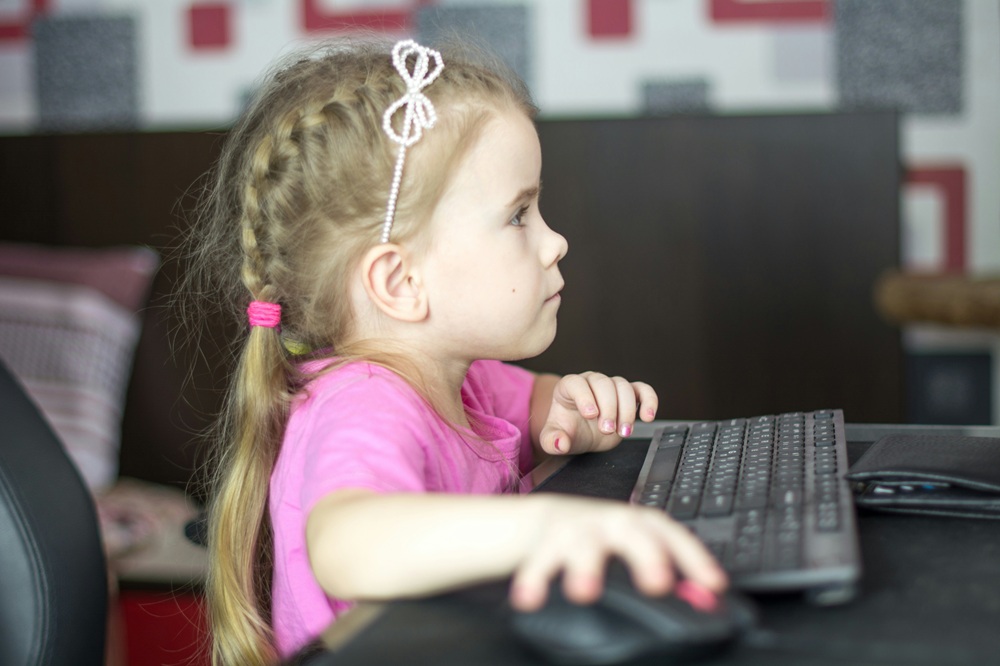
Children join online classes with clear expectations, and their choices reveal what truly matters to them. They want learning that feels personal, lively, and meaningful, not dull or mechanical. They look for teachers who guide them with confidence and warmth. They also seek spaces that allow them to express ideas without pressure. When online lessons align with children’s needs for encouragement, clarity, and creativity, children remain curious and motivated. This article explores the elements young learners value most, based on real behavior patterns and honest feedback from kids who thrive when class dynamics feel supportive and rewarding.
1. A Sense of Genuine Connection
Children value strong relationships with their instructors because human connection shapes how they think, speak, and interact. They trust teachers who listen closely, respond quickly, and treat them with kindness. They prefer classes that allow genuine conversations rather than rigid lectures. When teachers show consistent energy and understanding, kids open up and engage more confidently. A warm connection encourages regular attendance and steady focus. Children also appreciate recognition for their efforts because it reinforces their progress. A class that supports emotional comfort helps kids learn with confidence and enthusiasm.
2. Clear Structure and Predictable Flow
Kids follow lessons more easily when every session offers a reliable pattern. They want teachers to explain goals, give smooth transitions, and avoid confusing jumps. A structured flow provides children a sense of security because they know what comes next and how to prepare. This clarity also reduces frustration, which boosts their learning speed. Many families seek programs that maintain this balance of order and flexibility, and they often describe the best online classes for kids as those that combine steady routines with engaging challenges. Children thrive when structure guides them without limiting creativity.
3. Interactive Learning Experiences
Children lose interest when lessons rely on long monologues, so they look for activities that keep them moving, thinking, and speaking. They enjoy polls, quick games, drawing prompts, storytelling rounds, and short group tasks because these activities transform lessons into lively experiences. When kids participate actively, they process information faster and remember it longer. Interactive teaching builds confidence because it lets children test ideas in real time. This approach also strengthens collaboration skills. Kids value classes that treat them as contributors, not spectators, and they respond with stronger motivation when teachers invite frequent involvement.
4. Visual and Audio Variety
Kids absorb information more effectively when lessons include dynamic visual and audio elements. They seek color, movement, rhythm, and clarity because these elements align with their natural learning styles. They enjoy demonstrations, diagrams, short audio clips, and purposeful animation because these tools simplify complex ideas. Children pay closer attention when lessons stimulate multiple senses. They also appreciate when teachers switch between formats because variety sustains their curiosity. A rich blend of visual and audio elements prevents monotony and encourages steady engagement. This mix helps kids follow ideas with ease and builds stronger comprehension.
5. Opportunities for Creative Expression
Children enjoy learning experiences that allow them to experiment, imagine, and build something new. They appreciate classes that invite them to design projects, share stories, solve puzzles, or create digital art. These opportunities give kids freedom to shape their own learning rather than follow instructions. Creative expression strengthens problem-solving skills because kids explore ideas from different angles. It also fosters emotional growth by enabling them to communicate their thoughts honestly and meaningfully. When teachers encourage creativity, children show greater enthusiasm and pride in their work. They value programs that celebrate originality and support bold thinking.
6. Consistent Feedback and Skill Growth
Children value steady guidance because it helps them understand their progress clearly. They want teachers to point out strengths, explain mistakes, and offer practical steps for improvement. This approach strengthens confidence because kids notice their growth in real time. They enjoy lessons that include quick checks, goal-setting prompts, and small achievements that mark steady advancement. Clear feedback also helps children feel supported rather than judged, thereby encouraging them to take on new challenges without fear. When instructors track progress with care and communicate honestly, kids build stronger learning habits and develop a sense of responsibility for their work.
7. A Comfortable and Safe Learning Environment
Kids learn best when the environment feels supportive, calm, and free of pressure. They appreciate teachers who enforce firm but friendly rules that protect every student’s right to participate. They also value classrooms in which kindness guides interactions and in which no one fears judgment. This security encourages shy children to speak more freely and helps energetic children channel their enthusiasm positively. Children respond well to digital spaces that maintain respect, clarity, and fairness. When they trust the environment, they exhibit greater curiosity, patience, and confidence in exploring challenging subjects.
Children consistently choose online classes that respect their curiosity, protect their comfort, and strengthen their confidence. They look for teachers who provide clarity, warmth, and creativity in every session. They also prefer lessons that feel relevant, social, and energizing. When programs recognize these priorities, kids show remarkable growth and enthusiasm. A thoughtful blend of structure, interaction, guidance, and fun helps children learn with ease and pride. By understanding what matters most to young learners, educators can design online experiences that inspire steady progress and genuine enjoyment.