
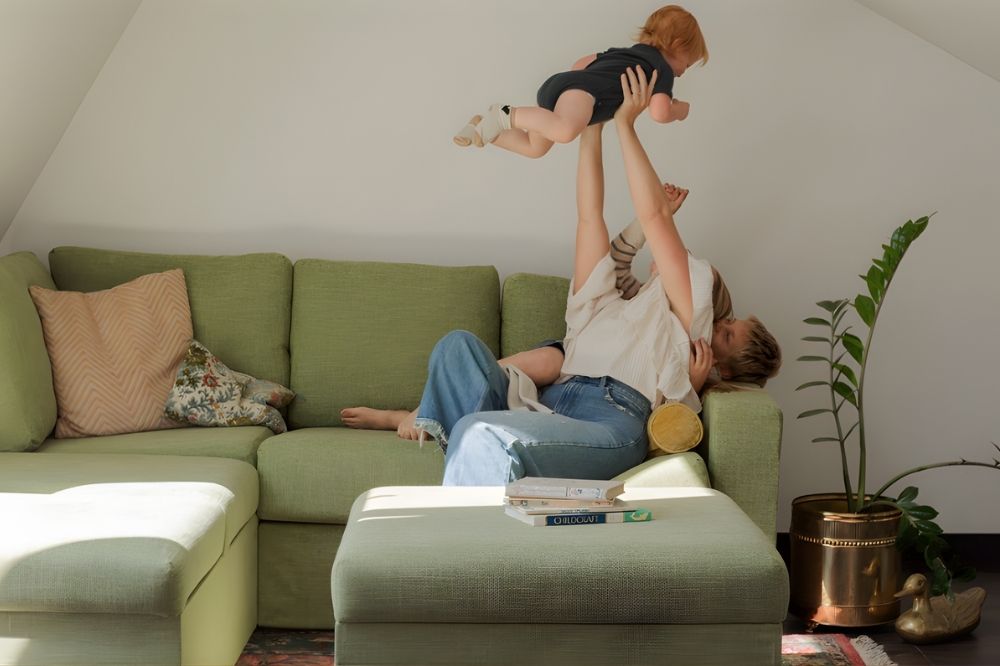
It’s 6 a.m., and you tiptoe toward the coffee maker, only for your heel to find a rogue LEGO brick buried in the rug. Most parents of preschool and elementary-age kids know this “toy tornado” all too well. It starts as a few blocks and ends with the entire contents of the playroom spread across common areas.
You do not have to banish toys to the basement to reclaim your sanity. A spill-proof, creativity-boosting learning nook can tame the chaos without taking over your living room. In fact, research indicates the average American spends 55 minutes per day searching for misplaced items, a statistic you can lower with the right setup.
By combining three simple elements, washable modular seating, clearly labeled storage, and kid-friendly reset routines, you can transform daily clutter into a calm space. This approach creates an inviting environment that sparks imagination, builds literacy, and encourages family bonding.
Why Mess-Free Learning Nooks Matter for Busy Families
Creating a designated nook isn’t just about aesthetics; it is about cognitive function for both you and your children. Research shows that physical clutter competes for attention, significantly increasing stress levels for adults while reducing on-task behavior in children. When the visual environment is chaotic, the brain works harder to filter out the noise.
Studies indicate that the overall percentage of instructional time spent off task was significantly greater when children were in a heavily decorated environment, around 40% compared with 28% in a cleaner space.
Conversely, organized, clearly defined zones encourage longer periods of focused play and deep reading. Children thrive when they know exactly where to go to draw and where to find their favorite books.
| Key Insight: Organized zones lower adult stress and significantly increase a child’s attention span and deep play capability. A clean space equals a focused mind. |

Photo from Home Reserve
Choosing the Right Washable, Modular Couch
The centerpiece of any functional family nook is the seating. It needs to be comfortable enough for a two-hour movie marathon but durable enough to withstand fort building. This is where strategic furniture selection becomes your best defense against mess.
When scouting for the perfect seating foundation, look for specific functionality that serves a busy lifestyle. Key features should include removable, machine-washable covers and performance fabrics like Crypton-treated cotton. You also want furniture that offers tool-free reconfiguration, allowing you to switch from a reading corner to a movie pit instantly.
A comfortable couch from Home Reserve, built with stain-resistant fabric and hidden storage, turns seating into the anchor of your learning nook. This allows you to hide board games beneath the cushions while standing up to inevitable spills. Utilizing under-seat secret book bins keeps beginning readers handy but out of sight.
| Pro Tip: When selecting modular seating, prioritize models with under-seat storage. This hidden utility turns your furniture into an active cleanup tool, allowing you to stash board games instantly without needing extra floor bins. |
Zoning Your Living Room
Even a small living room can host multiple activities if you zone the space effectively. Think of these as micro-spaces dedicated to specific types of energy and focus. Start with a literacy corner featuring a front-facing book rack so covers are visible.
Next, establish a building-mat zone using interlocking foam tiles. This visually defines the area and protects your floors from hard blocks. Finally, a drop-leaf side table can serve as a family game station that folds away to reclaim floor space.
| Warning/Important: Distance creates distraction. If your activity zones are more than three feet apart, items will inevitably be dropped in transit. Keep zones tight to ensure items actually make it back to their designated homes. |
Simple “Reset” Routines Kids Can Own
The best organizational system in the world fails without a maintenance plan. The goal is to shift the burden of cleaning from the parent to the family unit. Start with the “One-Step Reset” for toddlers, where the only instruction is to match the color bin and dump.
For older kids, try the “Five-Minute Timer Game” after dinner. Put on upbeat music and have everyone speed-clean to beat the clock before the buzzer sounds. Additionally, a “Sunday Super-Sort” helps rotate fresh books and toys to keep interest high.
| Key Insight: Success lies in shifting the mindset from chores to games. By using timers and matching colors, you remove the drudgery, allowing children to take ownership of the space without feeling punished by the process. |
Hands-On, Low-Mess Activity Ideas
To keep the nook functioning as a learning space rather than a chaotic playroom, curate the activities available. Focus on high-engagement, low-mess options like magnetic tiles on a rimmed cookie sheet. This keeps pieces corralled and prevents them from sliding under furniture.
Consider lap-desk art kits with water-washable pads to prevent crayon explosions on upholstery. Puzzle portfolios in zippered pouches also take up less space than boxes. These engaging alternatives are vital, given that children average 31.0 (SD = 23.8) hours per week with screens, and a functional nook offers a compelling reason to unplug.
Storage Solutions That Teach Independence
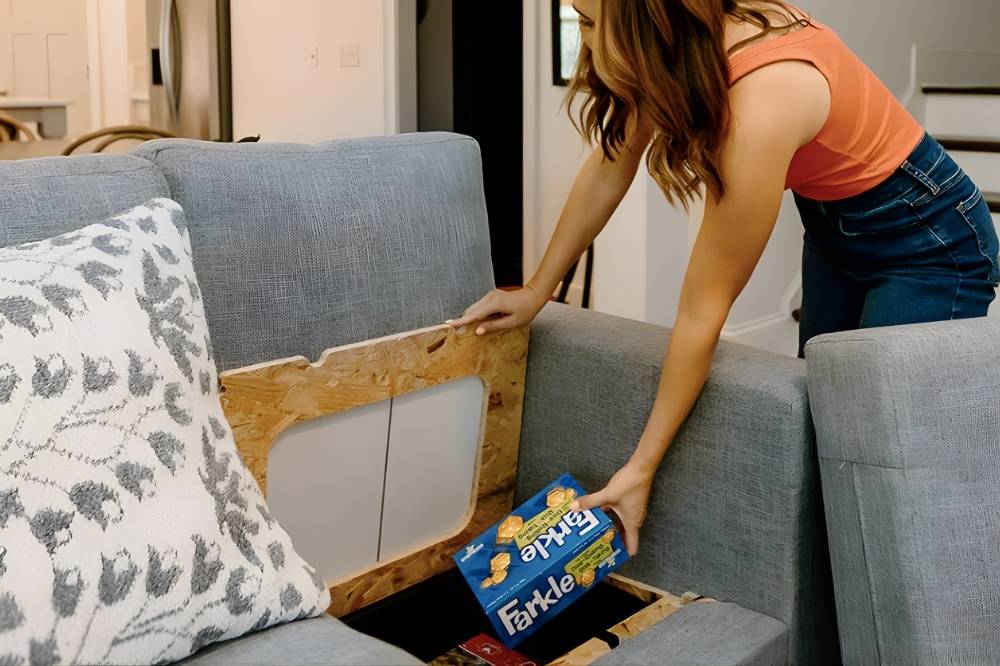
Photo from Home Reserve
Montessori educators argue that when every item has a visible, reachable home, children naturally maintain order. The key is to remove the friction between “done playing” and “cleaned up.” Apply this wisdom at home by using picture-plus-word labels for pre-readers.
When a child sees a picture of a block in the bin, they do not need to ask where it goes. Use color-coded baskets. For example, red can be for art supplies, and blue can be for blocks. This makes sorting intuitive. For parents, hidden drawers inside couch arms are perfect for stash-away items like scissors or chargers.
Quick-Clean Fabric & Spot-Cleaning Tricks
Even with the best intentions, spills happen. Having a plan for fabric care ensures your nook stays inviting rather than dingy. A “60-Second Daily Fluff” where you lift and drop cushions helps crumbs fall away and maintains foam structure.
For spot cleaning, mix 1 cup of water with ½ teaspoon of clear dish soap in a mist bottle. This gentle solution tackles most microfiber smudges effectively without harsh chemicals. If your covers are removable, toss them into a cold, gentle cycle monthly to keep them fresh.
Maintaining the System: Weekly Rotations & Parental Shortcuts
Long-term success relies on consistency. A “Sunday Basket Reset” combined with a book swap keeps novelty high and clutter low, preventing the boredom that leads to dumping out toy bins. For a mid-week boost, try the “Surprise Sweep” by hiding a small token under a pile of clutter.
Consider a seasonal fabric changeout as well to freshen the room without buying new furniture. Finally, involve the kids in the donation process. When you run errands to drop off items, bring them along so they understand the cycle of use and giving.
Making It Happen
Washable modular seating, labeled storage, and kid-led reset routines are the trifecta for a mess-free learning nook. You don’t have to overhaul your entire house in a day. Pick one micro space tonight, maybe the literacy corner, and assemble it in under 30 minutes.
By the weekend, your entire living room can shift from a toy tornado to a cozy, creativity-rich hub. Start small and watch the calm expand.
| Author Profile: Home Reserve is the leading manufacturer of adaptable modular furniture for families seeking durable, sustainable solutions for everyday living. |
