
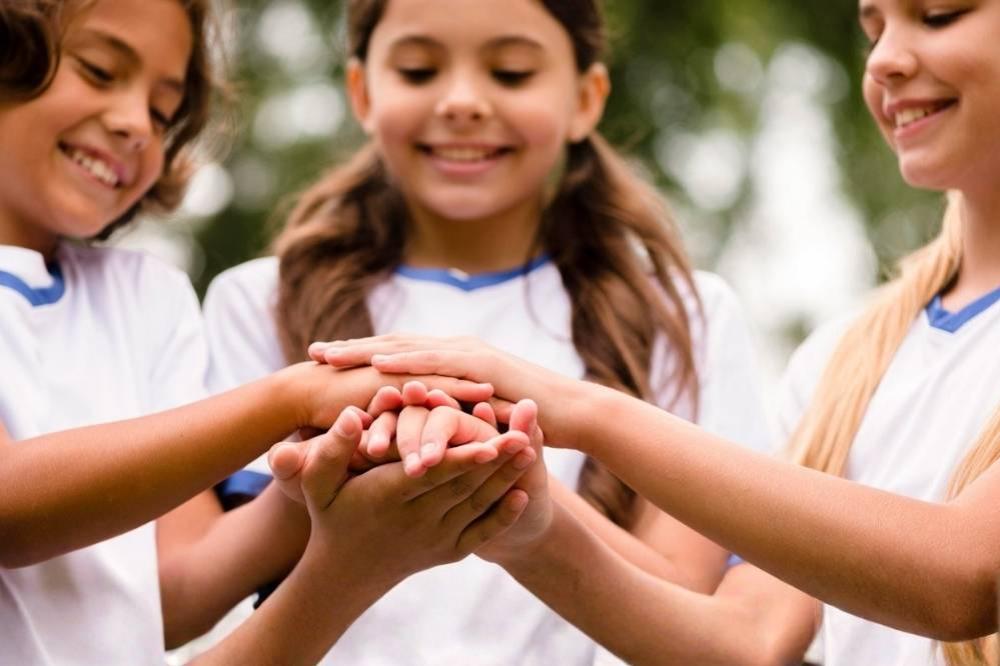
Between the final whistle and the high-five line, every drill and timeout doubles as a life-skills lesson. A study of over 4,200 students found that kids who regularly participate in sports tend to test better and have higher school attendance. They also demonstrate a greater likelihood of being accepted into university.
When you add a dash of adult intention, ordinary athletic practices transform into habit-building clinics. Coaches and parents have a unique opportunity to leverage the passion children feel for their games to instill virtues that last a lifetime. This blueprint offers actionable ways for coaches, parents, and athletes to turn athletic endeavors into character development.
Core Pillar 1: Building Good Habits Through Daily Routines
Success in any field is rarely the result of a single heroic act; rather, it is the product of consistent, daily habits. An Ohio State University study found that 34% of youth who played organized sports scored high on ‘grit’ – a measure of resilience and perseverance – compared to 23% of non-participants. Youth sports provide the perfect sandbox for establishing these resilient routines.
A. Micro-Habits That Compound
Small actions, repeated frequently, build the foundation of discipline. Coaches can reward the first player on the field with “practice-starter” status, giving them a leadership role for the day. This teaches that showing up early is a form of preparation, not just a rule.
Equipment care is another vital micro-habit. Whether a player is cleaning mud off cleats or carefully folding team gymnastics uniforms from Sports Gear Swag to prevent wrinkles, the act of caring for gear fosters professional pride. This attention to detail translates directly to self-respect.
B. Time-Management in 15-Minute Blocks
One of the greatest challenges for student-athletes is balancing academics with athletics. Using a phone timer to break the evening into 15-minute blocks can revolutionize a child’s evening routine. This might look like a 15-minute homework sprint, followed by a 15-minute snack, followed by 15 minutes of skill drills.
This method helps kids visualize time. They begin to understand that discipline equals free time later. When they focus intensely for short bursts, they accomplish more than they do during hours of distracted effort.
| Pro Tip: Master time management with “15-Minute Blocks.” Teach athletes to view evenings as sprints: 15 minutes for homework, 15 for snacks, and 15 for drills. Focused intensity for short bursts always beats hours of distracted effort. |
Core Pillar 2: Modeling & Rewarding Honesty
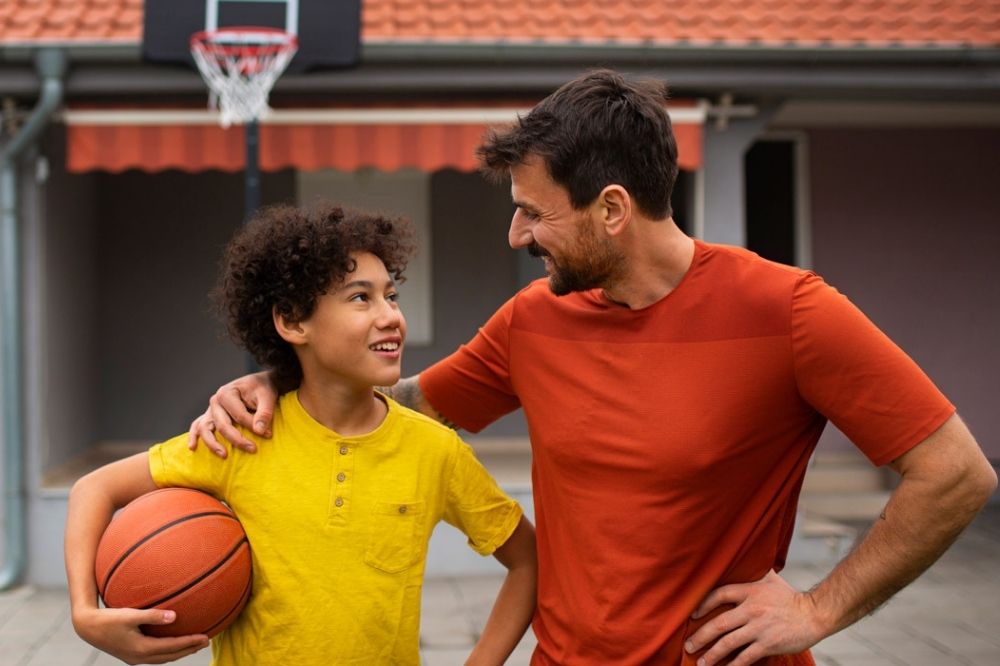
Integrity is often defined as doing the right thing even when the referee isn’t looking. In the heat of competition, the temptation to cut corners is high. This makes sports an incredible testing ground for moral character.
In-Game Examples
True sportsmanship goes beyond shaking hands; it involves active honesty. In basketball, this looks like a player self-reporting a foot on the line before the referee catches it. In individual sports, it means admitting to an extra step on the dismount during mock meets, even if the judges missed it.
Coach/Parent Reinforcement
Adults play a crucial role in cementing these behaviors. If a child admits a foul that costs the team a point, the parent or coach should explicitly praise that ownership. To formalize this, teams can spotlight an “Integrity Player of the Day” with a simple sticker or shout-out.
| Key Insight: True sportsmanship isn’t just shaking hands; it is active honesty. When a child self-reports a foul, they prioritize character over the score. Praise this moral courage – it is the ultimate victory in youth sports. |
Core Pillar 3: Utilizing Stats for Fractions & Averages
Many young athletes claim they dislike math, yet they obsess over box scores and batting averages. Sports statistics are essentially a practical application of fractions, decimals, and percentages. By connecting the two, parents can turn game day into a math lesson.
Consider using a simple tracking method where athletes monitor their own performance metrics. This engages them in the analytical side of improvement. Seeing the numbers change gives them tangible proof of their effort.
Sample Tracker
Have athletes calculate their own numbers after a game. Ask them a critical thinking question like, “What’s a realistic +10% goal for next week?” This introduces the concept of incremental goal setting based on data.
| Pro Tip: Engage reluctant math students by asking them to calculate their own “next level” goals. When a child uses data to track their own improvement, they stop seeing numbers as chores and start seeing them as tools. |
Core Pillar 4: Pre-Meet Breathing & Visualization
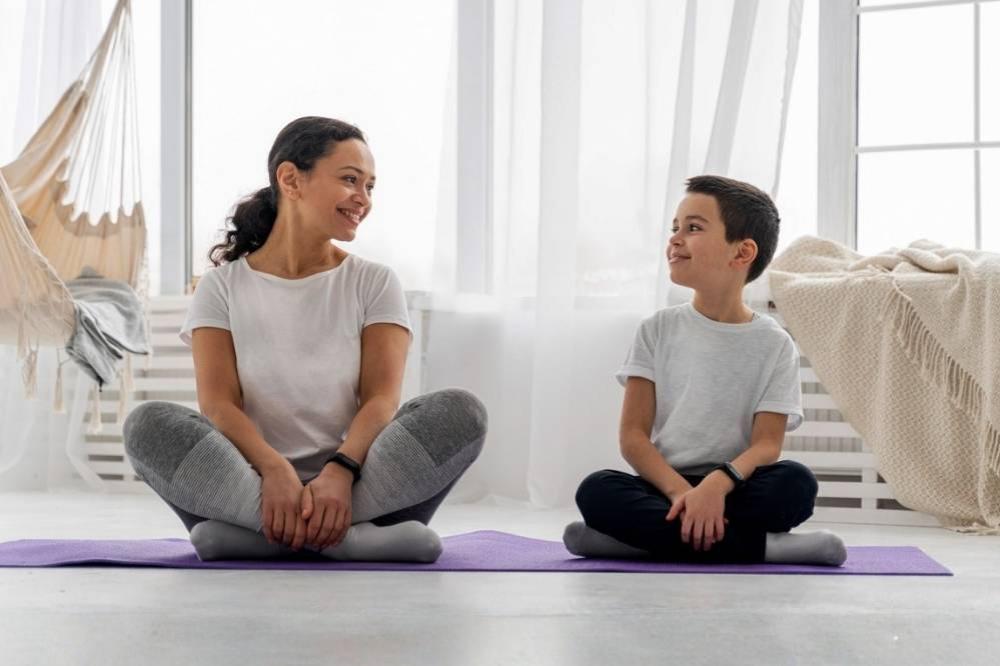
Physical skills are only half the battle; mental resilience is the other. Teaching young athletes how to regulate their nervous system is a life skill that applies to everything from test anxiety to job interviews. Deep breathing techniques can provide immediate calm.
Step-by-Step Box Breathing
- Inhale: Breathe in deeply for 4 seconds.
- Hold: Hold the breath for 4 seconds.
- Exhale: Release the breath slowly for 4 seconds.
- Hold: Pause with empty lungs for 4 seconds.
Neuroscience shows that visualization lights up the same neural pathways as physical repetitions. Athletes should close their eyes and see their performance from the initial salute to the final dismount. This mental rehearsal primes the brain for success.
Reflection Prompts to Cement Effort & Learning Goals
Experience without reflection is just a memory; experience with reflection becomes knowledge. To ensure lessons stick, the car ride home should be a time for curiosity rather than critique. Ask open-ended questions like, “Which skill improved by 1% today?”
Journaling these answers can be powerful. Whether using a digital document or a physical notebook, the act of articulating these thoughts cements the learning. This shifts the focus from perfection to progress.
| Warning/Important: The car ride home is for connection, not correction. Avoid immediate critique after a game. Keep the drive a “curiosity zone” rather than a lecture hall to ensure lessons stick without damaging the parent-child bond. |
Celebrating Progress Without Pressure
How we celebrate success tells a child what we value. If we only celebrate wins, we teach them that the outcome matters more than the process. Instead, we should find ways to honor the work put in along the way.
You don’t need to break the bank to make an athlete feel special. Patches, iron-on numbers, or sport-themed stickers can turn ordinary apparel into a timeline of progress. The uniform tells the story of the team, but the personal touches allow the kids to write their own chapters.
The Path Forward
The playing field is more than a game; it is a training ground for adulthood. By downloading tools, scheduling brief team meetings, and tagging progress photos with purpose, families can deepen the impact of youth sports. These small actions accumulate into massive character gains.
Youth sports already demand significant effort from athletes and parents alike. With a splash of purpose, that effort can yield life lessons that outlast every scoreboard. High-fives all around – now let’s build habits, honor integrity, and grow together.
| Author Profile: Sports Gear Swag is the leading online retailer of custom sports apparel and gear for teams, schools, and organizations of all sizes. Specializing in team jerseys, uniforms, and athletic apparel with a wide range of customization options. |
