
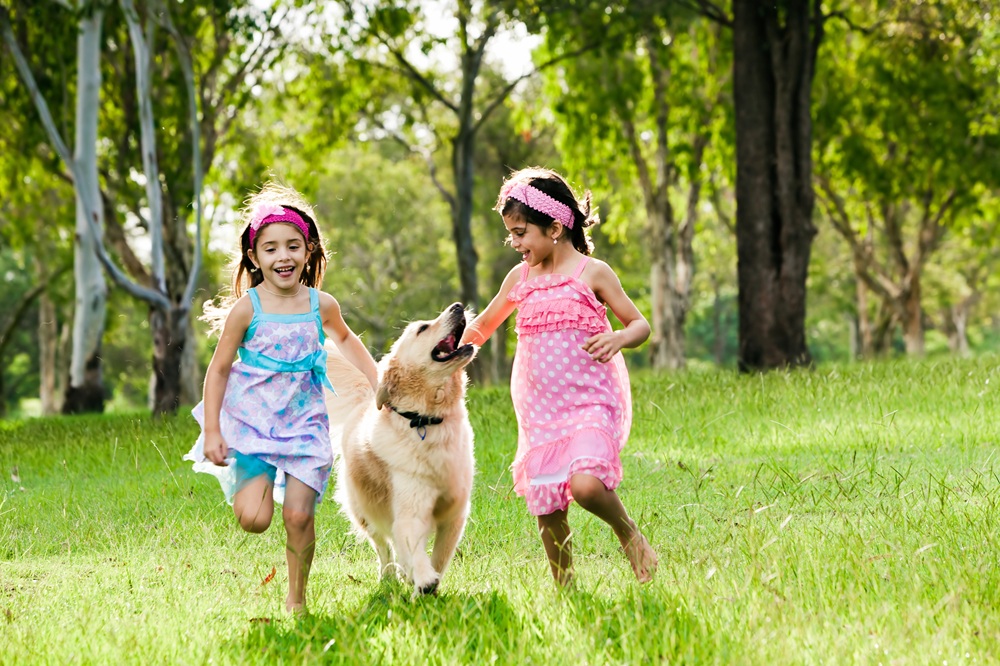
Owning a pet is often viewed as a joyful addition to family life, full of wagging tails and warm cuddles. But beneath the surface, the experience teaches children far more. There’s a lesser-known yet profoundly impactful layer to having pets: a hidden curriculum that quietly instills essential life skills in kids without them even realizing it.
This article explores the subtle yet powerful lessons pet ownership brings into a child’s life, and how parents can nurture these learning opportunities for long-term growth.
Responsibility Without the Chore Chart
One of the most obvious skills children gain through pet ownership is responsibility. But unlike structured tasks that might feel like forced chores, caring for a pet offers an emotionally rewarding context. Feeding the dog each morning or walking it after school doesn’t feel like a checkmark on a list; it feels like showing up for a friend.
Over time, these actions reinforce consistency, self-discipline, and accountability. When children learn that a living creature depends on them, it cultivates empathy-driven responsibility, an attitude that can transfer into schoolwork, relationships, and later, even career habits.
Emotional Intelligence and Empathy in Action
Pets are expressive in ways that encourage kids to pay attention. A dog’s wagging tail or drooping ears become emotional cues that children learn to interpret and respond to. This builds emotional intelligence, which is the ability to recognize and manage emotions in oneself and others.
Moreover, pets create a safe space for children to express their own feelings. When children talk to pets about their day or cuddle them after a difficult moment, they are practicing emotional regulation in a nonjudgmental setting. These interactions strengthen empathy and compassion, two skills essential for social development.
Communication Beyond Words
Children naturally talk to their pets. Whether they’re narrating playtime or explaining why broccoli was unfairly served again at dinner, they develop verbal communication skills without ever being prompted. But the learning goes deeper.
Understanding a pet’s body language and behavioral cues encourages nonverbal communication, which is a subtle but critical life skill. In classrooms, on sports teams, and in future workplaces, reading the room and responding appropriately can be just as important as spoken language.
Time Management and Routine Building
Pets operate on a schedule. For kids, adjusting to a pet’s needs helps establish routines organically. They begin to notice patterns: “The dog needs to go out before school,” or “It’s time to refill the water bowl.”
These repetitive daily acts promote a natural sense of time management. Rather than being imposed by adult rules, routines feel self-managed, giving children a sense of control and structure in their lives. This can help them approach school deadlines, extracurricular activities, and other commitments with greater confidence and autonomy.
Real-Life Lessons in Trust and Safety
Not all pets are endlessly patient, and that’s okay because it teaches kids something valuable. Learning how to interact respectfully with animals fosters an understanding of boundaries and safety. They begin to grasp the importance of gentle touch, appropriate behavior, and recognizing when a pet wants space.
These experiences help children form healthy concepts of consent and mutual respect, preparing them for interactions with people throughout life. It’s also where parents play a key role in reinforcing these lessons by supervising pet interactions and offering guidance on respectful behavior.
In environments where pet adoption or purchase is guided by transparency and integrity, such as honestpet.com, these lessons are even more firmly rooted in trust. Honest Pet connects families with breeders that have been carefully vetted to uphold ethical practices, ensuring not just the health of the pet but the peace of mind of the new owner. Choosing a pet from a place that values quality care offers children an early model of making informed, responsible decisions.
Coping With Change and Loss
Perhaps one of the most profound lessons pets teach is how to navigate change. Be it adjusting to a new puppy, dealing with a sick pet, or when the time comes, grieving a loss, children experience real emotions in a setting that’s close to home.
While painful, these moments offer invaluable life preparation. Learning to say goodbye, to manage sadness, and to find comfort in memories are all building blocks for emotional resilience. For many kids, a pet is the first real experience of love, loyalty, and eventual loss, a complete emotional arc that equips them for the complexities of human relationships.
Confidence Through Connection
Kids thrive when they feel connected and needed. A pet offers both. For shy or socially anxious children, animals can be a bridge to the world, providing companionship without judgment. Taking a dog for a walk or teaching it a new trick gives children a tangible sense of accomplishment.
These small victories accumulate into a greater sense of self-worth. When children feel like they’re good at something, especially something as nurturing as caring for another being, it can improve their self-esteem and outlook on life.
Final Thoughts
The benefits of pet ownership go far beyond cuddles and companionship. Hidden beneath the daily walks and shared snacks are powerful lessons in responsibility, empathy, communication, and emotional resilience. These are life skills that shape how children grow into adults, quietly, steadily, and often without a single lecture.