
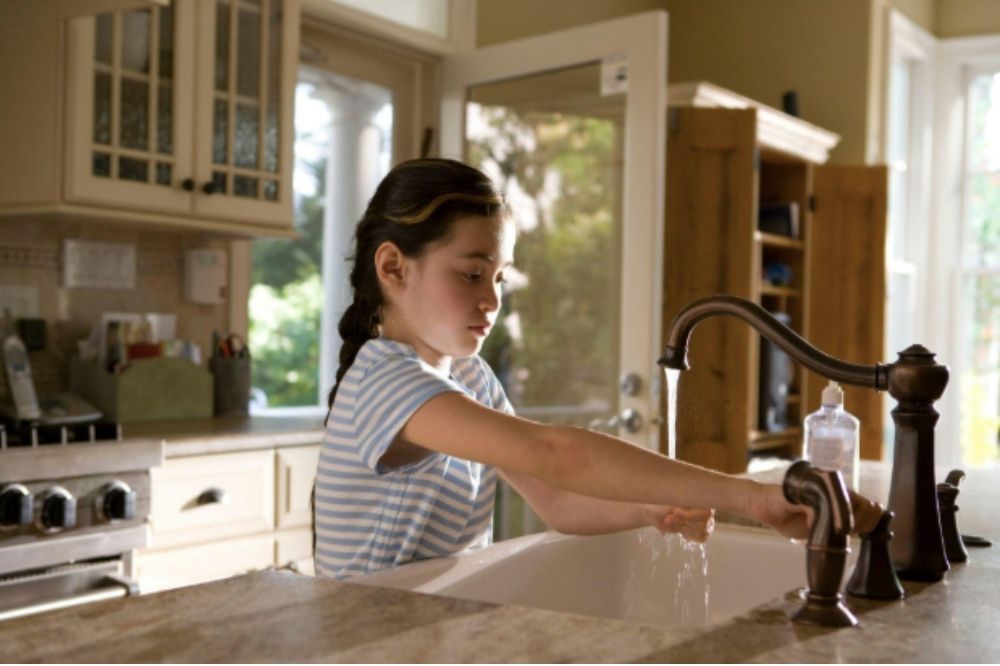
Healthy routines provide children with a sense of structure, security, and independence. From getting ready for school in the morning to winding down before bedtime, predictable habits help reduce stress while making everyday responsibilities feel more manageable. The challenge for many families is creating routines that children willingly participate in rather than viewing as a list of chores.
The most successful routines are rarely built around strict rules alone. Instead, they encourage participation by making healthy habits feel enjoyable, age-appropriate, and easy to repeat. Small, consistent actions gradually become part of daily life, helping children develop positive behaviors that can benefit them well beyond childhood.
Turn Everyday Habits Into Simple Rituals
Children respond well to routines that feel familiar and predictable. Rather than rushing from one task to the next, creating small rituals around daily activities makes those moments more engaging. Singing a song while tidying up, choosing tomorrow’s outfit together, or reading a short story before bed transforms ordinary tasks into experiences children begin to anticipate.
Oral hygiene is another habit that becomes easier when children understand why it matters and are allowed to participate in age-appropriate choices. Learning about gel or paste toothpaste can help parents better understand the differences between the two formulations and choose the option that best suits their family’s preferences. Pairing toothbrushing with the same morning and evening routine each day also helps children see it as a natural part of daily life instead of a task that interrupts playtime.
Consistency matters more than perfection. Even when schedules become busy, returning to familiar routines helps children feel confident about what comes next and reduces resistance over time.
Make Healthy Choices Feel Positive Instead of Restrictive
Children are generally more enthusiastic about routines when they understand their purpose. Explaining that vegetables help their bodies grow, sleep provides energy for tomorrow’s adventures, or outdoor play keeps them strong creates a more positive connection than simply telling them what they have to do.
Offering small choices also encourages independence. Allowing children to decide between two healthy snacks, select a bedtime story, or choose which pajamas to wear gives them a sense of control while keeping the overall routine intact. These simple decisions help children become active participants instead of passive followers.
Positive reinforcement often works better than constant reminders. Recognizing effort and celebrating consistency builds confidence while encouraging healthy habits to develop naturally.
Create Calm Moments Throughout the Day
Busy schedules filled with school, homework, sports, and extracurricular activities can leave children feeling just as overwhelmed as adults. Building short moments of calm into the day helps create a healthier balance while teaching children that rest is an important part of overall well-being.
Quiet reading, drawing, listening to music, or spending a few minutes talking about the day all provide opportunities to slow down. These activities encourage children to step away from constant stimulation and develop healthy ways to relax without relying exclusively on screens.
Parents also influence these habits through their own behavior. When children regularly see adults taking time to unwind, they begin to understand that balance is an important part of everyday life rather than something reserved only for weekends or holidays.
Engage the Senses to Make Home Feel Welcoming
Children often respond to the overall atmosphere of a home as much as the routine itself. Comfortable spaces, familiar scents, soft lighting, and cozy reading corners all contribute to an environment where daily habits feel enjoyable rather than rushed. A calm setting makes transitions between activities much smoother, particularly during busy mornings and evenings.
Subtle sensory details can support these routines without becoming overwhelming. Collections featuring vanilla fragrances offer warm, comforting scents that many families associate with relaxation and home, helping create a pleasant environment for quiet reading, family conversations, or bedtime routines. When paired with consistent daily habits, a welcoming atmosphere encourages children to associate home with comfort, security, and positive experiences.
The goal isn’t to create a perfectly designed home but to establish an environment where healthy routines feel natural and enjoyable for everyone.
Keep Screen Time Balanced With Real-World Activities
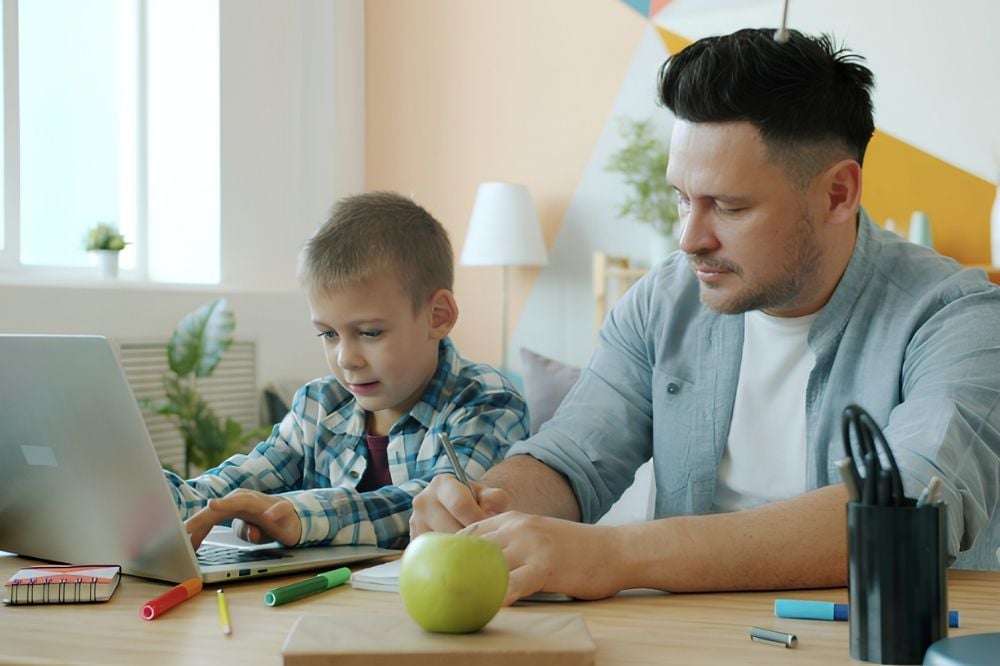
Photo by Vitaly Gariev on Unsplash
Technology has become part of everyday life, but healthy routines benefit from balancing screen time with activities that encourage creativity, movement, and face-to-face interaction. Children often become more engaged when they have opportunities to build, create, explore, and play instead of moving directly from one screen to another.
Simple activities such as helping prepare dinner, planting flowers, completing craft projects, playing board games, or taking family walks provide meaningful alternatives that support learning while strengthening family relationships. These experiences also encourage communication and problem-solving in ways that passive entertainment cannot always provide.
Creating predictable times for technology rather than allowing constant access helps children understand that screens are one part of a balanced day instead of the center of it.
Build Routines That Can Grow With Your Child
Children’s needs naturally change as they grow, which means successful routines should evolve alongside them. A bedtime routine for a preschooler will look very different from one for a teenager, but the underlying principles of consistency, encouragement, and flexibility remain the same. Reviewing routines periodically allows families to adjust responsibilities while keeping healthy habits firmly in place.
Parents should also remember that occasional disruptions are normal. Vacations, holidays, illnesses, and special events may temporarily change everyday schedules, but returning to familiar routines afterward helps children regain a sense of stability. Viewing routines as flexible frameworks rather than rigid rules makes them easier to maintain over the long term.
Healthy daily habits are built one small step at a time. When routines feel enjoyable, practical, and suited to a child’s stage of development, they become part of everyday family life instead of a constant source of negotiation. Those consistent experiences not only support physical health but also help children develop confidence, responsibility, and positive habits that can last well into adulthood.
