
Every teacher remembers someone who made learning feel different. It might have been the teacher who somehow knew exactly when to encourage you, the one who stayed after class to explain a difficult concept one more time, or the one who believed in your abilities long before you believed in yourself.
What made that educator so memorable probably wasn’t a single outstanding talent, since great teaching is rarely built on one characteristic alone. Instead, it comes from a collection of qualities that work together, adapting to different classrooms, different age groups, and different personalities. The strategies that succeed with a room full of energetic first graders won’t necessarily work with high school students preparing for college, yet the best educators consistently share many of the same underlying traits. While every teacher develops their own style, certain qualities appear again and again in those who leave a lasting impact.
Patience That Doesn’t Run Out by Midafternoon
Patience is often listed as one of the most important qualities a teacher can have, but genuine patience goes far beyond remaining calm when a classroom gets noisy. Real patience means recognizing that learning rarely happens at the same pace for every student. One child may grasp fractions immediately, while another needs several examples before everything clicks, and an effective educator doesn’t see repeated questions as interruptions but as opportunities to approach the lesson from a different angle.
Sometimes that means explaining the same concept five different ways, slowing the pace of the lesson, finding a new analogy, or offering a hands-on example, all without making a student feel embarrassed for needing extra support. Students often remember how a teacher made them feel just as much as they remember what they learned, and patience helps create an environment where asking questions feels safe instead of intimidating.
Genuine Curiosity About How Each Student Learns
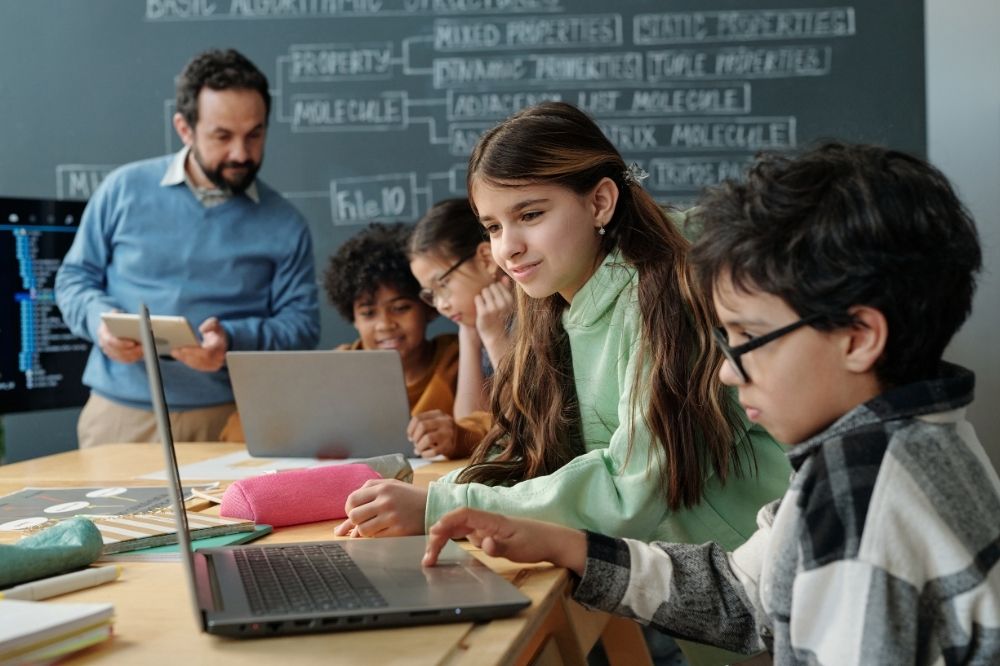
No two students process information in exactly the same way. Some thrive when they can see diagrams or color-coded notes, others understand ideas better by discussing them out loud, building something with their hands, or moving around the classroom, and some need quiet reflection before they’re ready to participate while others think best through conversation.
Great teachers pay attention to these differences instead of expecting every learner to fit into a single mold. They observe what works, adjust their instruction, and continually refine their approach based on what they see in front of them. This curiosity extends beyond academic performance, too, since effective educators also take time to understand students’ interests, motivations, and challenges. When lessons connect to something meaningful in a student’s life, engagement often increases naturally, and rather than assuming one teaching method works for everyone, exceptional educators remain open to discovering what helps each individual succeed.
Clear Communication That Includes Parents
Learning doesn’t stop when students leave the classroom, and parents and caregivers play an important role in reinforcing skills, supporting routines, and celebrating progress at home, which is exactly why communication matters so much. The most effective teachers find a balance between keeping families informed and overwhelming them with constant updates. They communicate expectations clearly, reach out when concerns arise, and share successes that might otherwise go unnoticed.
Parents tend to appreciate a mix of communication styles rather than one long update at the end of the term. A few approaches that consistently work well:
- A short note or app message when a child hits a small milestone, not just when something goes wrong
- A brief heads-up before a concern becomes a bigger issue, so nothing feels sudden
- Clear, simple explanations of classroom goals so parents know what they’re reinforcing at home
Clear communication also builds trust. When parents understand classroom goals and teaching approaches, they’re better equipped to support learning outside school, creating a stronger partnership that benefits everyone involved.
Adaptability When the Lesson Plan Changes
Every teacher begins the day with a plan, and then reality arrives in the form of a fire drill that interrupts the morning schedule, technology that refuses to cooperate, a classroom discussion that takes an unexpected but valuable direction, or a student carrying emotional challenges that require compassion before any meaningful learning can happen.
The best educators understand that flexibility isn’t a backup skill, it’s part of the job itself. Rather than becoming frustrated when lessons don’t unfold exactly as expected, they adjust while keeping the larger learning objective in sight. They recognize when students need more practice before moving forward and when an unplanned conversation offers a valuable teaching moment. Adaptability also models resilience, teaching students that setbacks don’t have to derail progress, a lesson that extends far beyond academics.
A Commitment to Lifelong Learning
Great teachers never stop being students themselves. Education continues to evolve as researchers learn more about child development, instructional strategies, technology, and classroom engagement, and the educators who remain effective throughout long careers are often those who continue expanding their own knowledge rather than relying solely on what they learned during their initial certification.
Professional growth tends to show up in a few recognizable forms:
- Attending conferences or hands-on workshops tied to a specific subject or age group
- Collaborating with colleagues on new instructional methods or classroom strategies
- Going back to complete a master’s degree online, often while still teaching full time, since the flexibility of an online format makes it possible to keep building expertise without stepping away from the classroom
This commitment to growth benefits more than the teacher. Students gain from fresh perspectives, updated teaching techniques, and an educator who models the value of lifelong learning through their own example.
Consistency, Especially When No One Notices
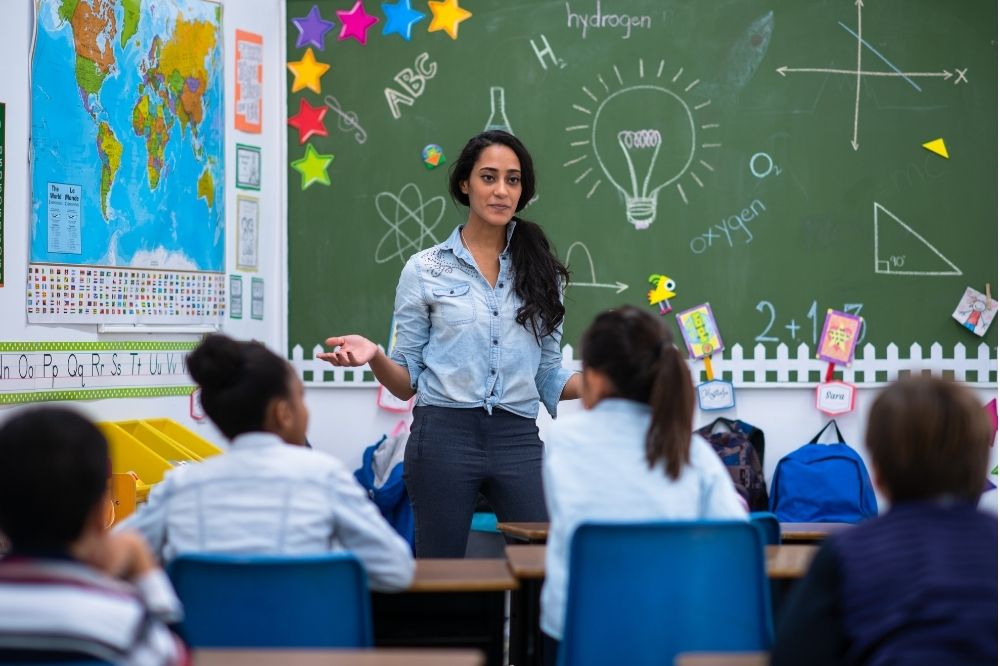
Some of the most important qualities of an exceptional teacher are also the least visible, and consistency rarely receives awards or headlines, even though it shapes the classroom experience every single day. Students benefit from knowing what to expect, and they learn to trust teachers who remain fair, prepared, and dependable, whether it’s the excitement of the first week of school or the fatigue that often arrives near the end of the semester.
Consistency creates stability. It establishes routines that help students feel secure and reinforces expectations in ways that make learning more predictable and productive. Years later, former students may not remember every assignment or every lesson, but they often remember the teacher who showed up every day with the same encouragement, the same high expectations, and the same belief that they were capable of succeeding. Those moments of reliability often leave the deepest impression.
Great Teachers Never Stop Growing
There isn’t a universal formula for becoming a remarkable educator. Every classroom is different, every student is unique, and every teacher brings their own strengths to the profession. What consistently stands out, however, is a willingness to keep learning. The most effective educators combine patience with curiosity, communicate openly, adapt when circumstances change, and remain committed to improving their own practice throughout their careers.
Perhaps that’s the defining quality of great teaching. The educators who make the greatest difference are often the ones who never stop seeing themselves as learners, continually growing alongside the students they inspire every day.
