
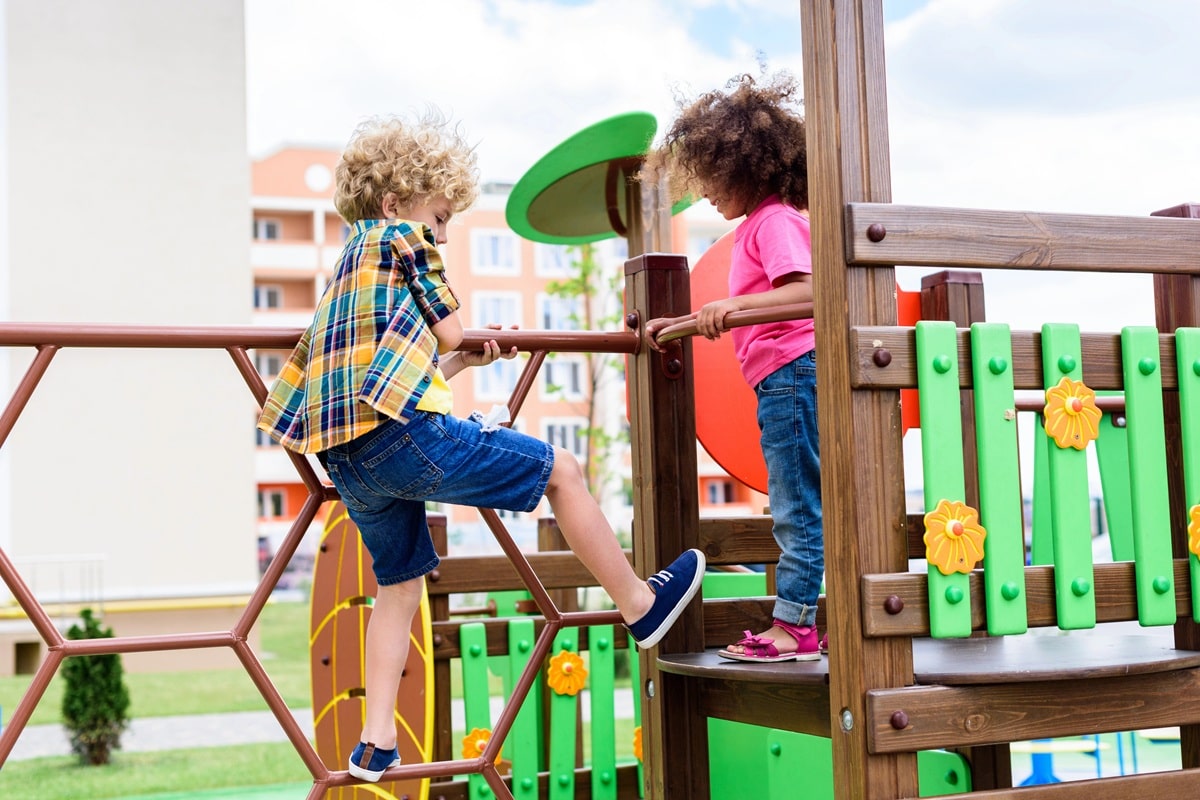
Playground safety knowledge saves lives. Every year, 17 children die from unsafe playground conditions. Your children need protection whether they play during school recess or visit the local park. A good understanding of dangers can stop serious accidents before they happen.
The numbers paint a worrying picture. School injuries happen most during recess or physical education – about 70% of all cases. Poor supervision leads to playground injuries 40% of the time. Parents and children need these safety tips to keep their families safe. Weather damage and aging equipment cause many playground accidents.
Kids need playgrounds. These spaces let them release energy, socialize, and develop physical skills. But elementary school injuries are severe enough that 10% need additional medical care. Nobody can ignore basic safety measures. In this piece, you’ll learn vital playground safety tips, injury response steps, and times to ask for legal help after playground accidents.
8 Critical Playground Safety Tips for Parents and Teachers
Every year, playground accidents send over 200,000 children to emergency rooms. Falls cause about 80% of these injuries. Proper safety measures can help protect kids from injury.
The ground surface matters most. Playgrounds need at least 12 inches of wood chips, mulch, sand, pea gravel, or safety-tested rubber mats under all equipment. This protective layer should extend 6 feet around every piece of playground equipment.
Play structures need proper spacing to be safe. Equipment taller than 30 inches needs 9 feet of space between pieces. Swings require even more room – twice the suspending bar’s height in front and back.
You should look out for dangerous spots that could trap heads, sharp edges, and exposed bolt ends. Any gaps in rails or bars must be no more than 3½ inches or no less than 9 inches to keep kids from getting stuck.
Kids’ clothing can create unexpected risks. Take off drawstring hoodies, necklaces, and bike helmets before letting children play. Kids should always wear closed-toe shoes on the playground.
Overseeing children is crucial. Stand where you can see all the kids playing. Try to avoid playground time during the hottest part of the day – between 10 a.m. and 2 p.m. Check equipment temperature since even mild 74°F days can cause severe burns.
Make sure children know the rules: one person per swing, sit on slides, and keep the play area free of obstacles.
What to Do If Your Child Gets Hurt
Kids get hurt on playgrounds every 2.5 minutes in the U.S. More than 200,000 children end up in emergency rooms each year. Your quick response can make a big difference in your child’s recovery.
Cuts need immediate medical care if they bleed for more than 10 minutes, are larger than half an inch, contain debris, or come from rusty equipment. Apply gentle pressure to the wound to stop bleeding, then clean it with water.
Head injuries need extra alertness. You must call 911 right away if your child falls more than 3 feet and hits their head. Look out for worrying signs like passing out, extreme sleepiness, severe headache, multiple episodes of throwing up, or seizures. You should also get urgent care if you see bruising around both eyes or clear/bloody fluid coming from your child’s nose or ears.
When bones break, keep the injured area still, apply ice to reduce swelling, and check for these five warning signs: severe pain, pale skin, a weak pulse, numbness/tingling, and inability to move the injured part.
A knocked-out permanent tooth needs quick action. Rinse it with warm milk or saline and hold it by the crown only. Try to put it back in within 5-20 minutes. If that doesn’t work, keep the tooth in milk while you get emergency help.
Take photos and get witness statements of the entire ordeal, then notify the playground supervisors of what happened.
When to Seek Legal Help After a Playground Injury
Your child’s medical care comes first, but you might need to think about legal options if someone’s negligence caused their playground injury. Each year, more than 20,000 children require emergency treatment for playground-related traumatic brain injuries.
Legal action makes sense when injuries result from:
- Negligent supervision or maintenance
- Defective or improperly installed equipment
- Failure to meet safety standards
Property owners, playground manufacturers, schools, or even other parents could be held responsible for these injuries. You might receive compensation for medical expenses, emotional trauma, pain and suffering, and future care needs. If you’re unsure how to move forward, accessing legal help after an accident through ConsumerShield can connect you with an attorney who understands child-injury cases in your area.
Claims against government entities, such as public schools or parks, are subject to specific rules. Many jurisdictions require you to file a formal notice of claim quickly—sometimes in just six months. Your right to compensation could be lost forever if you miss this deadline, whatever the injury’s severity.
The attorneys over at West Coast Trial Lawyers always explain to families how legal procedures differ when public agencies are involved in a personal injury case. Navigating these unique statutes ensures that every procedural requirement is met before the window for recovery closes.
Private schools don’t usually have the same immunity protections as public schools. You should ask a personal injury attorney who focuses on child injury cases right after a serious playground accident. They can break down what happened, keep necessary evidence, and guide you through complex legal requirements to protect your child’s rights.
Note that while children often have until their 20th birthday to file claims in many states, parents face much tighter deadlines for medical expense claims.
In any case, it’s best to get a consultation from experienced Nevada personal injury claim attorneys (or those elsewhere) in order to get a professional opinion on the legitimacy and strength of the case against whoever may be responsible. A legal expert will be able to determine liability and advise you on the best course of action depending on who is at fault for the accident occurring.
Conclusion
Playgrounds should be safe spaces for children to enjoy and develop, not places where they get hurt needlessly. Taking proper safety measures and understanding the risks can make the difference between a fun day out and a trip to the emergency room. The safety tips we’ve shared will help you create a safer environment for kids in your care.
Watching children closely is your best defense, but knowing about proper playground surfaces, equipment spacing, and possible dangers gives you the tools to spot risks before accidents occur. Parents and teachers need to stay alert by removing choking hazards like drawstrings and necklaces, and making sure kids wear the right shoes.
Even with careful planning, accidents can still happen. Your quick response to injuries like cuts, head trauma, broken bones, or dental emergencies can affect how well a child recovers. You should document the whole ordeal, especially if negligence caused the injury.
You have legal options when playground injuries occur due to poor maintenance, faulty equipment, or safety standard violations. Deadlines for filing claims can be pretty short, especially when you have public entities involved. A qualified attorney can help guide you through these details while you focus on your injured child.
Without doubt, our children need safe places to play, explore, and grow. You become a strong supporter of playground safety by following these guidelines, handling injuries properly, and knowing your rights. Their fun and games shouldn’t stop because of injuries that we can prevent. We can work together to make sure playgrounds do what they’re meant to do—bring joy, not harm, to our children’s lives.