
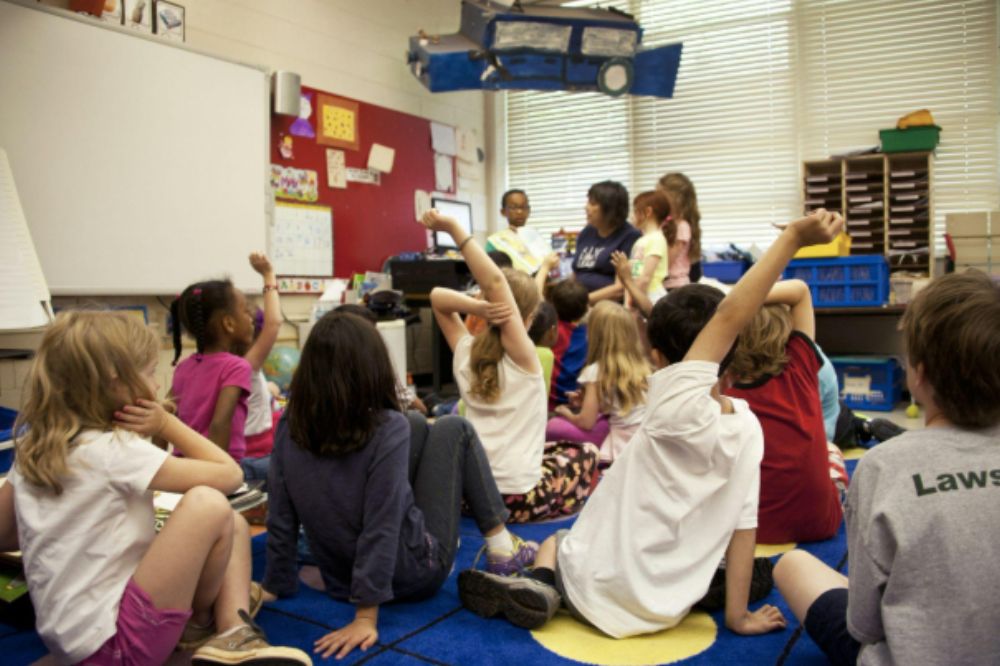
Kindergarten is filled with important milestones, but many of the skills children need most are not learned by sitting at a desk. Communication, problem-solving, cooperation, early literacy, and confidence often develop most naturally through activities that feel like play.
While structured practice certainly has its place, parents are often surprised by how much learning happens during everyday games, creative projects, and hands-on experiences. The goal isn’t to avoid learning activities altogether, it’s to make them engaging enough that children want to keep participating.
Play Makes Learning Feel Natural
Young children learn best when they are actively involved. Matching games, storytelling, scavenger hunts, pretend play, and simple building challenges encourage children to think without feeling like they’re being tested.
Many parents include short educational activities as part of playtime rather than creating formal study sessions. Resources featuring printable learning worksheets for kindergarten can be used alongside games, crafts, and reading time to reinforce early literacy, handwriting, vocabulary, and number recognition in a way that feels enjoyable instead of repetitive.
When learning becomes part of everyday play, children are often more willing to stay curious and keep practicing.
Games Build Skills Worksheets Can’t Always Teach
Some kindergarten skills develop best through interaction with other people. Taking turns, following instructions, solving problems together, and handling small setbacks are all important parts of early childhood development.
Board games, card games, memory challenges, and cooperative activities encourage children to practice these skills naturally while having fun. Because children remain focused on the game itself, they’re often developing communication and critical thinking without realizing it.
Families looking to expand their collection of screen-free activities sometimes browse options from Danireon when searching for games that encourage family participation, strategic thinking, and shared learning experiences.
A variety of games helps keep learning fresh while giving children opportunities to practice different types of thinking.
Repetition Works Better When It Doesn’t Feel Repetitive
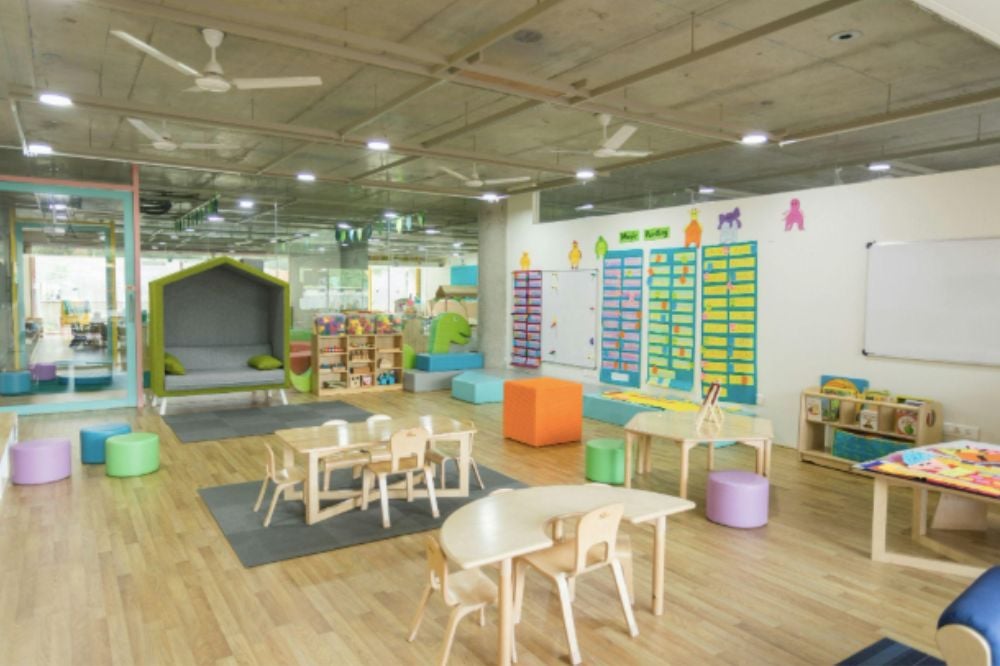
Photo by Gautam Arora on Unsplash
Young children often need to practice the same concepts many times before they become comfortable with them. The challenge is keeping that repetition interesting.
Instead of completing identical exercises every day, parents can introduce the same skills through different activities. Counting can happen while baking, letter recognition during neighborhood walks, and vocabulary through storytelling or imaginative play.
Changing the activity while reinforcing the same concept helps children stay engaged without feeling like they’re repeating the same lesson.
Curiosity Creates More Lasting Learning
Children naturally ask questions about the world around them. Encouraging those questions often leads to richer learning experiences than simply providing answers.
A simple walk outdoors can become a science lesson, while building with blocks introduces early engineering concepts. Everyday moments provide countless opportunities to develop observation, reasoning, and communication skills without creating additional pressure.
Parents who respond to curiosity instead of rushing through it often discover that learning continues long after the planned activity has ended.
Confidence Is One of the Most Important Kindergarten Skills
Academic readiness matters, but confidence plays an equally important role in helping children succeed once they enter the classroom.
Children who feel comfortable trying new things, making mistakes, asking questions, and solving problems independently often adapt more easily to new learning environments. Play provides regular opportunities to build that confidence because there is less pressure to produce perfect results.
By balancing playful learning with gentle structure, parents can help children develop not only kindergarten skills but also the curiosity, resilience, and enthusiasm that support learning for years to come.
