

If you’ve ever turned on a show for your toddler and immediately thought, “This feels like a lot,” you’re not alone. Many children’s shows today are fast, loud, and visually overwhelming—they may grab attention, but they don’t always support calm play or emotional regulation. As moms, we’re often looking for screen options that feel gentler on little minds, especially during quiet time, after naps, or when everyone needs a breather.
That’s where low-stimulation shows come in. These programs tend to move more slowly, use softer colors and sounds, and focus on simple stories or everyday moments. Many still offer meaningful learning — such as social skills, emotional awareness, or early language — in a calmer, more intentional way. In this post, you’ll find 20+ low-stimulation shows parents feel good about, along with a few popular picks some families choose to avoid, so you can make screen-time choices that truly work for your child and your day.
Use one of the buttons below to quick jump to a section!
What Is a Low-Stimulation Show (and Why It Matters)
As moms and caregivers, we all know that our little ones spend a lot of time on screens some days. While screen time isn’t inherently bad, the type of screen time and the amount make a difference — especially for toddlers, whose brains are growing so quickly.
A low-stimulation show is gentle on your child’s senses: simple visuals, calming colors, slower pacing, and minimal audio chaos. These are the kinds of shows that help toddlers stay engaged without feeling overwhelmed by excessive flashing lights, layered sounds, or rapid cuts.
Instead of shows that feel like a tiny disco party playing at 100 miles per hour, low-stimulation shows feel like a quiet walk in the park — calm, predictable, and restful. These tend to be easier for little brains to process and often pair well with restful moments, such as post-nap cuddle time or calm play.
The Benefits of Low-Stimulation Screen Time
You might be wondering, “Why focus on this?” There are meaningful benefits to consider when choosing calmer content for your toddler.
-
Supports attention and comprehension: Slow pacing gives toddlers time to follow along and understand what’s happening on screen.
-
Helps emotional regulation: Calm shows often model slower conversations and gentler feelings rather than big emotional explosions.
-
Creates a more restful break: Toddlers can enjoy watching without sparking energy spikes — which is especially helpful before nap or bedtime.
Choosing calmer shows doesn’t mean your child won’t learn anything — it just means the learning comes in a quiet, intentional way rather than a bombardment of sensory input.
How to Spot an Overstimulating Show
Before we get into the best choices (and what to avoid!), it can be helpful to know what makes a show overstimulating in the first place.
Here are a few red flags to watch for:
-
Fast-paced visuals: Quick scene changes, flashing graphics, or excessive movement can be hard for young minds to follow.
-
Loud, layered sound: Multiple sound effects, loud music, and lively dialogue can create sensory overload.
-
Bright, high-contrast neon colors: While fun for older kids, these visuals can be overwhelming for toddlers.
-
Chaotic characters or nonstop action: If the show feels like it’s yelling at your child’s senses, it’s probably more stimulating than you want.
Think about your child’s reaction: Do they calm down or bounce off the couch? Calm content should settle, not spike, their energy.
When and How to Use TV Mindfully With Toddlers
I know what you’re thinking: “Isn’t any TV time just babysitting?” Not necessarily. When used thoughtfully and sparingly, screen time can be a tool — not a crutch.
Here are a few ways to use low-stimulation shows mindfully:
-
Pair it with routines: After lunch, during quiet play, or before reading together.
-
Co-watch when possible: Comments like “Oh, look, she’s learning her colors!” make the experience more interactive.
-
Limit duration: A short episode or two can be just enough to offer a breather without overtaking precious playtime.
Mindful screen time isn’t about perfection. It’s about making intentional choices that feel right for your family and support your child’s overall well-being.
Screen Time Guidelines — What Experts Say
We all want to do what’s best for our kids, and sometimes it helps to consider what experts recommend. Pediatric guidelines generally recommend limiting screen time for toddlers, especially before age two, and making more intentional choices as kids get older.
The emphasis isn’t just on how much screen time children have, but on the kind of content they engage with. Lower-stimulation shows that encourage calm attention and age-appropriate engagement tend to be gentler on developing brains than fast-paced, high-energy alternatives.
This isn’t about guilt — it’s about giving parents the tools to make choices that feel good and grounded in understanding rather than in random scrolling or desperation.
The Best Low-Stimulation Shows for Little Learners
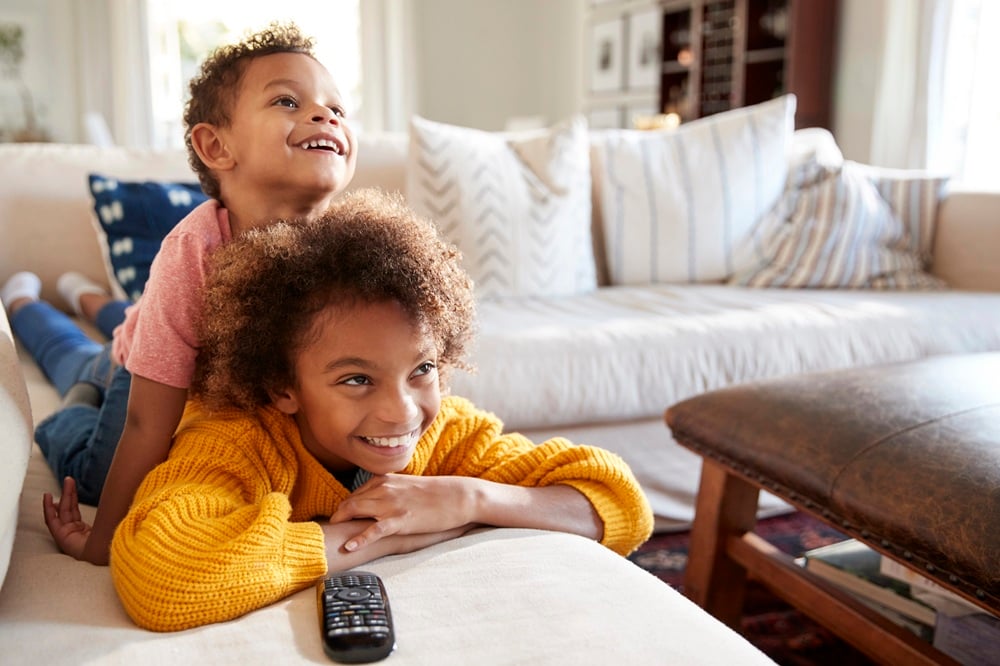
If you’re looking for shows that feel peaceful rather than chaotic, you’re in the right place. Low-stimulation programming helps toddlers process stories, build language skills, and stay emotionally regulated — all without the flashing lights and rapid scene changes that often overwhelm young viewers.
Here are the very best calm, toddler-friendly shows that blend gentle pacing with meaningful learning and heart.
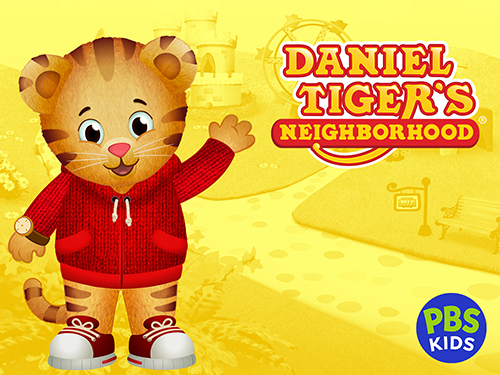
1. Daniel Tiger’s Neighborhood
Where to Watch: PBS Kids (free app & website), Amazon Prime Video
Ages: 2-4
Episodes: ~11 minutes
Calm Factor: 
Why Moms Recommend It:
Daniel Tiger’s Neighborhood is a gentle, thoughtful show that helps toddlers navigate big feelings and everyday situations like sharing, waiting, and dealing with frustration. The songs are repetitive and easy for little ones to remember, which makes the lessons actually stick. It’s one of those rare shows that feels truly supportive rather than overwhelming.
Best For:
Emotional development, calm screen time, routines, and helping toddlers put feelings into words.
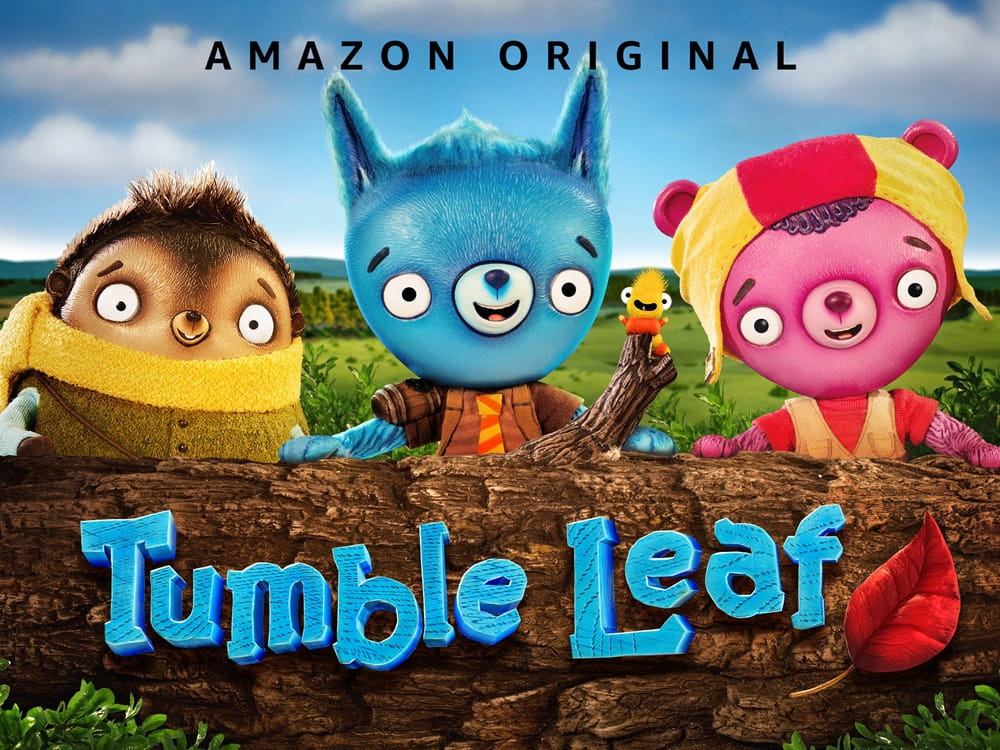
2. Tumble Leaf
Where to Watch: Amazon Prime Video
Ages: 2-5
Episodes: ~12-15 minutes
Calm Factor:
Why Moms Recommend It:
Tumble Leaf is a beautifully made stop-motion series that encourages curiosity, creativity, and problem-solving. Each episode follows Fig the fox as he discovers a new object and figures out how it works through gentle exploration. The pacing is slow and thoughtful, making it a wonderful low-stimulation option that still keeps toddlers engaged.
Best For:
Curious little learners, quiet time, and fostering early STEM-style thinking in a calm, imaginative way
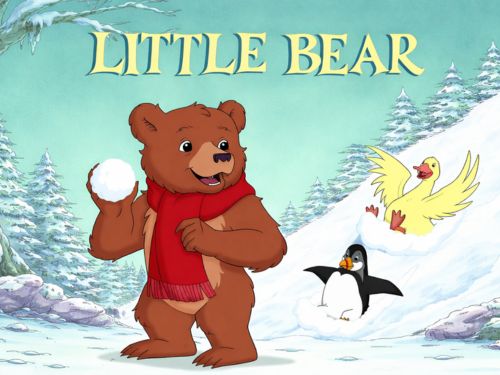
3. Little Bear
Where to Watch: Paramount+, Amazon Prime Video
Ages: 2-5
Episodes: ~8–10 minutes (often paired into half-hour blocks)
Calm Factor:
Why Moms Recommend It:
Little Bear is a sweet, slow-paced classic based on the books illustrated by Maurice Sendak. The gentle storytelling, soft watercolor-style animation, and imaginative play themes make it feel calm and wholesome. It models kindness, friendship, and creativity without loud music or fast scene changes, which is such a relief for parents.
Best For:
Imaginative play inspiration, quiet time, and truly low-stimulation screen time.
4. Puffin Rock
Where to Watch: Netflix
Ages: 2-5
Episodes: ~20 minutes
Calm Factor:
Why Moms Recommend It:
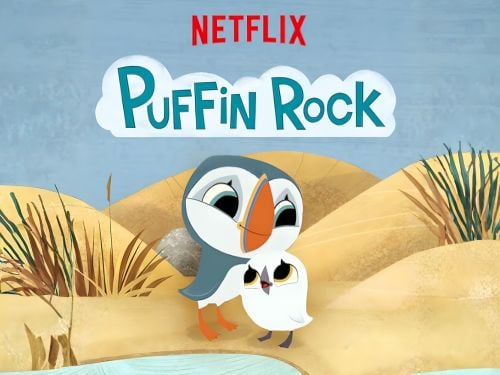
Puffin Rock is one of the most calming toddler shows out there. Set on a peaceful Irish island, it follows little puffin Oona and her baby brother Baba as they explore nature and learn gentle life lessons. The soft animation, soothing narration, and slow pacing make it perfect for sensitive toddlers or winding down before bed.
Best For:
Nature-loving toddlers, quiet time, and truly low-stimulation screen time.
5. Bluey
Where to Watch: Disney+, Disney Junior
Ages: 2-6
Episodes: ~Disney+, Disney Junior
Calm Factor:
Why Moms Recommend It:
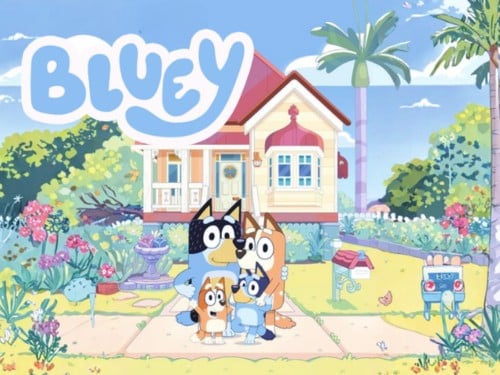
Bluey is one of those rare kids’ shows that both toddlers and parents genuinely enjoy. Each short episode centers around imaginative play and everyday family moments, modeled in a way that feels realistic and warm. The stories gently highlight emotional intelligence, problem-solving, creativity, and respectful parent-child relationships — all without feeling preachy.
Best For:
Family connection, imaginative play inspiration, emotional development, and short, high-quality screen-time breaks.
6. Sesame Street
Where to Watch: Netflix, PBS Kids (select episodes), Max
Ages: 2-5
Episodes: ~25–30 minutes
Calm Factor:
Why Moms Recommend It:
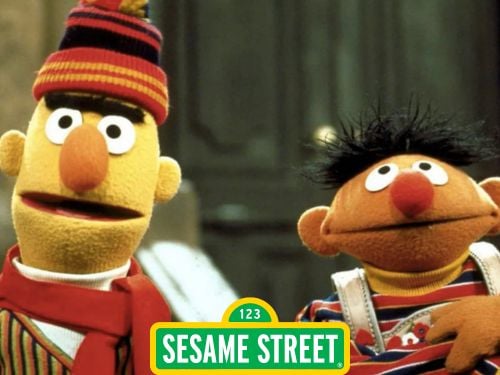
Sesame Street has been helping kids learn for generations, and it still holds up beautifully. Through songs, skits, and lovable characters like Elmo and Big Bird, the show introduces letters, numbers, emotional skills, and real-world topics in ways toddlers can grasp. It balances education with heart, making it both meaningful and fun.
Best For:
Early literacy and math, social-emotional growth, and educational screen time that parents feel good about.
7. Trash Truck
Where to Watch: Netflix
Ages: 2-5
Episodes: ~15–17 minutes
Calm Factor:
Why Moms Recommend It:
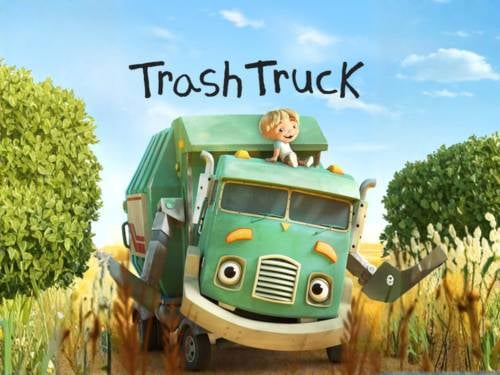
Trash Truck is a gentle, heartwarming show about a little boy named Hank and his best friend, a giant trash truck named Donny. The stories move at a relaxed pace and focus on friendship, imagination, and everyday adventures. It feels simple and sweet without flashy distractions, which makes it a favorite for calmer screen time.
Best For:
Vehicle-loving toddlers, imaginative play inspiration, and cozy afternoon viewing.
8. Bear in the Big Blue House
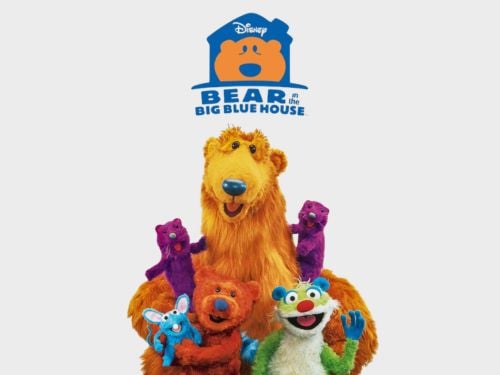
Where to Watch: Disney+, Amazon Prime Video
Ages: 2-4
Episodes: ~25 minutes
Calm Factor:
Why Moms Recommend It:
Bear in the Big Blue House is a warm, puppet-based series that feels like a cozy visit with a gentle friend. Bear speaks directly to the audience in a calm, reassuring way while exploring everyday topics like feelings, routines, and simple problem-solving. The predictable format and sweet “Goodnight” song with the Moon make it especially comforting for little ones.
Best For:
Bedtime wind-down, emotional reassurance, and toddlers who love gentle, character-driven shows.
9. Franklin
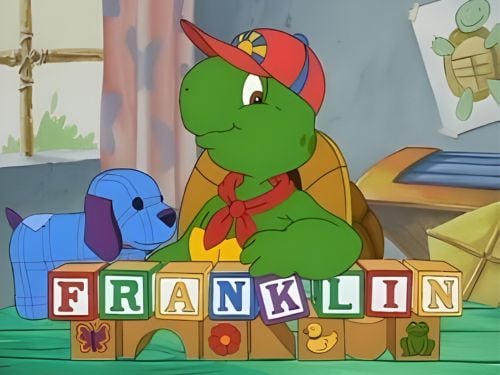
Where to Watch: Amazon Prime Video, Apple TV
Ages: 3-5
Episodes: ~11–12 minutes
Calm Factor:
Why Moms Recommend It:
Franklin follows Franklin the turtle and his woodland friends as they navigate everyday childhood experiences like trying new things, solving problems, and learning responsibility. The pacing is gentle and story-driven, with clear lessons about honesty, friendship, and perseverance. It feels wholesome and steady, making it an easy choice for parents who prefer calm, values-based programming.
Best For:
Social skill development, everyday life lessons, and relaxed afternoon viewing.
10. Mr. Rogers’ Neighborhood
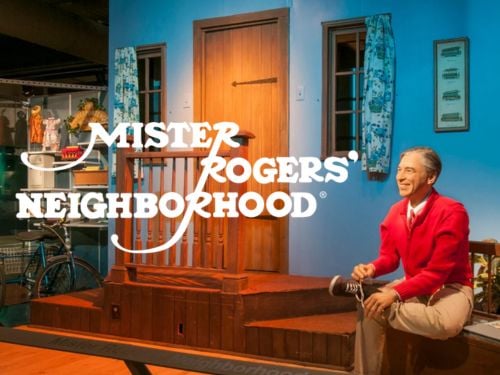
Where to Watch: PBS Kids (select episodes), Amazon Prime Video
Ages: 2-5
Episodes: ~25-30 minutes
Calm Factor:
Why Moms Recommend It:
Mister Rogers’ Neighborhood is the gold standard for gentle children’s programming. Fred Rogers speaks directly to children in a calm, reassuring way, helping them understand big feelings, everyday experiences, and their own unique worth. The slow pacing and thoughtful conversations feel almost like a quiet visit with a trusted friend.
Best For:
Emotional reassurance, meaningful conversations, and truly calm, intentional screen time.
11. Lucas the Spider
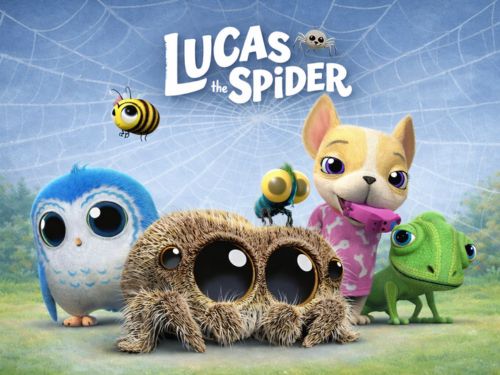
Where to Watch: Netflix
Ages: 2-5
Episodes: ~6-8 minutes
Calm Factor: 
Why Moms Recommend It:
Lucas the Spider is a sweet, short-form show that turns a tiny house spider into the most lovable little friend. Each episode focuses on simple discoveries and gentle lessons about friendship, curiosity, and kindness. The episodes are quick, soft-toned, and easy to follow, making it a great option when you need a short, calm screen-time break.
Best For:
Short quiet-time breaks, gentle humor, and toddlers who love sweet, simple stories.
12. Max & Ruby
Where to Watch: Paramount+, Amazon Prime Video
Ages: 2-4
Episodes: ~12 minutes
Calm Factor:
Why Moms Recommend It:
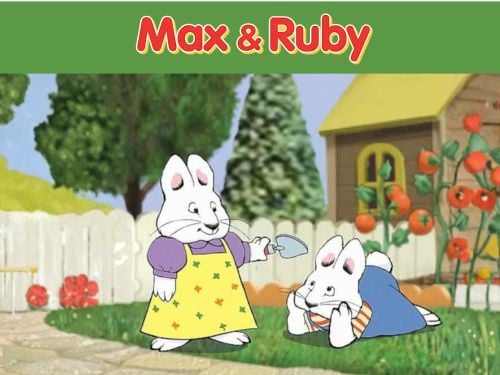
Max & Ruby follows two sibling bunnies navigating everyday toddler moments like sharing, playing, and learning independence. The stories are simple and relatable, with clear problem-solving and gentle repetition that toddlers understand. It’s a quiet, easy-to-follow show that feels predictable in a comforting way.
Best For:
Sibling dynamics, independent play themes, and low-key screen time during the day.
13. Curious George

Where to Watch: PBS Kids (free app & website), Peacock, Amazon Prime Video
Ages: 2-5
Episodes: ~11-12 minutes
Calm Factor:
Why Moms Recommend It:
Curious George follows everyone’s favorite little monkey as he explores the world with curiosity and enthusiasm. Each episode gently introduces early science, simple problem-solving, and cause-and-effect in ways toddlers can understand. The stories feel light and playful, and while George sometimes makes messy choices, the lessons always steer back to learning and growth.
Best For:
Curious toddlers, early STEM exposure, and fun daytime viewing that still feels wholesome.
14. Alma’s Way
Where to Watch: PBS Kids (free app & website), Amazon Prime Video
Ages: 3-5
Episodes: ~11-12 minutes
Calm Factor:
Why Moms Recommend It:
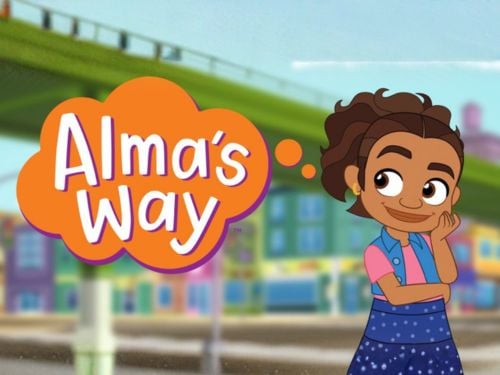
Alma’s Way follows Alma, a thoughtful and confident little girl from the Bronx, as she learns to pause, think, and solve everyday problems. The show gently teaches kids how to reflect on their choices, consider others’ feelings, and make better decisions. It feels modern and relatable while still staying calm and educational.
Best For:
Problem-solving skills, social-emotional growth, and encouraging kids to think things through before reacting.
15. The Berenstain Bears
Where to Watch: Amazon Prime Video, YouTube (select episodes)
Ages: 3-5
Episodes: ~11–12 minutes
Calm Factor:
Why Moms Recommend It:
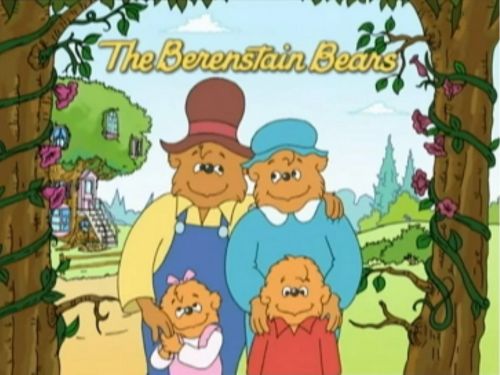
The Berenstain Bears brings the classic book series to life with simple, family-centered stories about everyday childhood challenges. Each episode focuses on relatable topics like honesty, responsibility, sibling conflicts, and trying new things. The pacing is steady and lesson-driven without being heavy-handed, which makes it feel wholesome and reassuring.
Best For:
Everyday life lessons, sibling dynamics, and gentle family-themed screen time.
16. Thomas & Friends (Original)

Where to Watch: Amazon Prime Video, YouTube (select episodes)
Ages: 2-5
Episodes: ~5–10 minutes (often grouped into longer blocks)
Calm Factor:
Why Moms Recommend It:
Thomas & Friends in its original model-train format has a slower, more storybook feel than newer versions. The real miniature sets and steady narration make it engaging without being overstimulating. Each episode gently explores themes like teamwork, responsibility, and learning from mistakes in a way that feels simple and classic.
Best For:
Train-loving toddlers, short screen-time windows, and parents who prefer a slower-paced, nostalgic feel.
17. Rosie’s Rules
Where to Watch: PBS Kids (free app & website), Amazon Prime Video
Ages: 3-5
Episodes: ~11-12 minutes
Calm Factor:
Why Moms Recommend It:
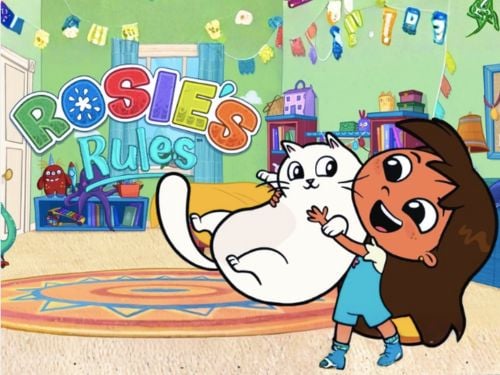
Rosie’s Rules follows Rosie, a curious and creative little girl, as she figures out how the world works through thoughtful questions and playful exploration. The show gently introduces social skills, problem-solving, and cultural traditions in a way that feels natural and upbeat. It’s engaging without being overwhelming, and the stories stay grounded in everyday family life.
Best For:
Curious toddlers, early social learning, and daytime screen time that still feels educational.
18. Blue’s Clues (Original)

Where to Watch: Paramount+, Amazon Prime Video
Ages: 2-4
Episodes: ~22-25 minutes
Calm Factor:
Why Moms Recommend It:
Blue’s Clues is one of the most thoughtfully designed preschool shows ever made. Hosted by Steve, the series moves at a slower pace and directly invites children to think, respond, and solve simple clues alongside him. The repetition across episodes builds confidence, problem-solving skills, and early reasoning in a way that feels interactive and calm rather than chaotic.
Best For:
Interactive learning, confidence-building, and toddlers who love solving simple “mysteries” with you.
19. Peg + Cat
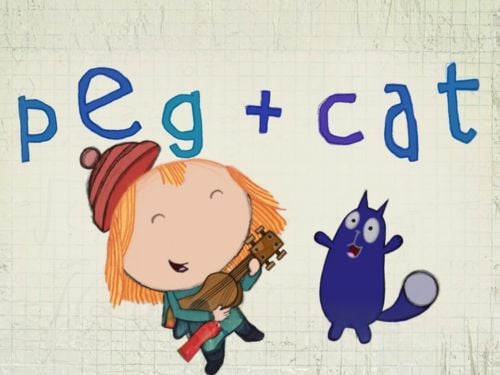
Where to Watch: PBS Kids (free app & website), Amazon Prime Video
Ages: 3-5
Episodes: ~11-12 minutes
Calm Factor:
Why Moms Recommend It:
Peg + Cat makes early math feel playful and completely unintimidating. Peg and her trusty sidekick Cat solve everyday problems using counting, patterns, shapes, and basic logic in ways that are simple enough for preschoolers to follow. The songs are catchy, the stories are silly but smart, and it introduces math concepts naturally without feeling like a lesson.
Best For:
Early math exposure, problem-solving skills, and fun, upbeat daytime screen time.
20. Sea of Love
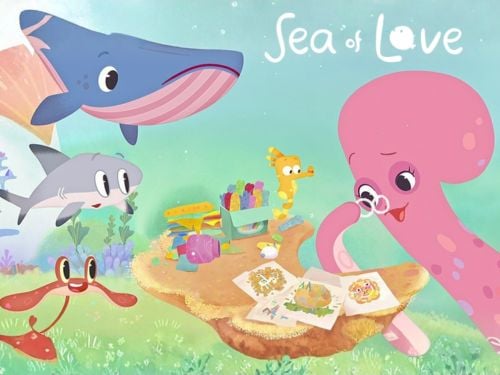
Where to Watch: Netflix
Ages: 2-4
Episodes: ~7–10 minutes
Calm Factor:
Why Moms Recommend It:
Sea of Love is a sweet underwater series that focuses on friendship, feelings, and simple social lessons. The stories are easy to follow, the animation is bright but not overwhelming, and the characters model kindness and cooperation. The short episode length makes it especially helpful when you need a quick, gentle screen-time option.
Best For:
Short viewing sessions, social-emotional learning, and toddlers who love colorful ocean friends.
21. Guess How Much I Love You
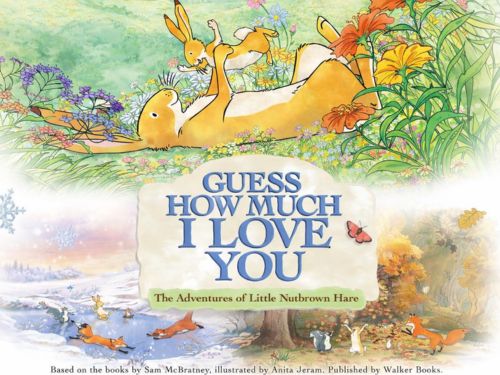
Where to Watch: Amazon Prime Video, Apple TV
Ages: 2-4
Episodes: ~11 minutes
Calm Factor:
Why Moms Recommend It:
Guess How Much I Love You is a soft, storybook-style series inspired by the beloved children’s book. Each episode follows Little Nutbrown Hare and his friends as they explore nature, solve simple problems, and learn gentle lessons about friendship and kindness. The calm pacing and warm narration make it feel like a cozy bedtime story brought to life.
Best For:
Snuggle time, quiet afternoons, and toddlers who love sweet, reassuring stories.
22. Mickey Mouse Clubhouse
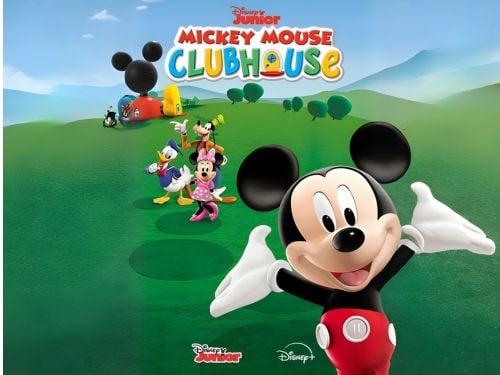
Where to Watch: Disney+, Amazon Prime Video
Ages: 2-5
Episodes: ~22–24 minutes (often grouped into longer blocks)
Calm Factor:
Why Moms Recommend It:
Mickey Mouse Clubhouse blends familiar Disney characters with simple problem-solving and early learning concepts like shapes, counting, and patterns. Mickey talks directly to the audience and pauses for kids to respond, which makes it feel interactive and engaging. It’s upbeat and colorful, but still structured enough that toddlers can follow along.
Best For:
Interactive learning, energetic daytime viewing, and toddlers who love classic Disney characters.
Shows To Avoid For Toddlers – Overstimulating & Bad Learning Habits

Not every show marketed to young children is developmentally appropriate for toddlers. In fact, some of the most popular programs rely on rapid scene changes, exaggerated humor, constant noise, and nonstop action to keep attention.
The problem isn’t just overstimulation. Many of these shows encourage passive viewing, shorten attention spans, reward impulsive behavior, and model unrealistic problem-solving. When entertainment is built on chaos, instant gratification, or disrespectful humor, toddlers absorb those patterns — because at this age, they don’t distinguish “just for fun” from real-life behavior.
The shows below are ones I personally avoid for toddlers. While they may be entertaining or popular, they do not support calm focus, emotional regulation, patience, or meaningful early learning — all of which are foundational in the toddler years.
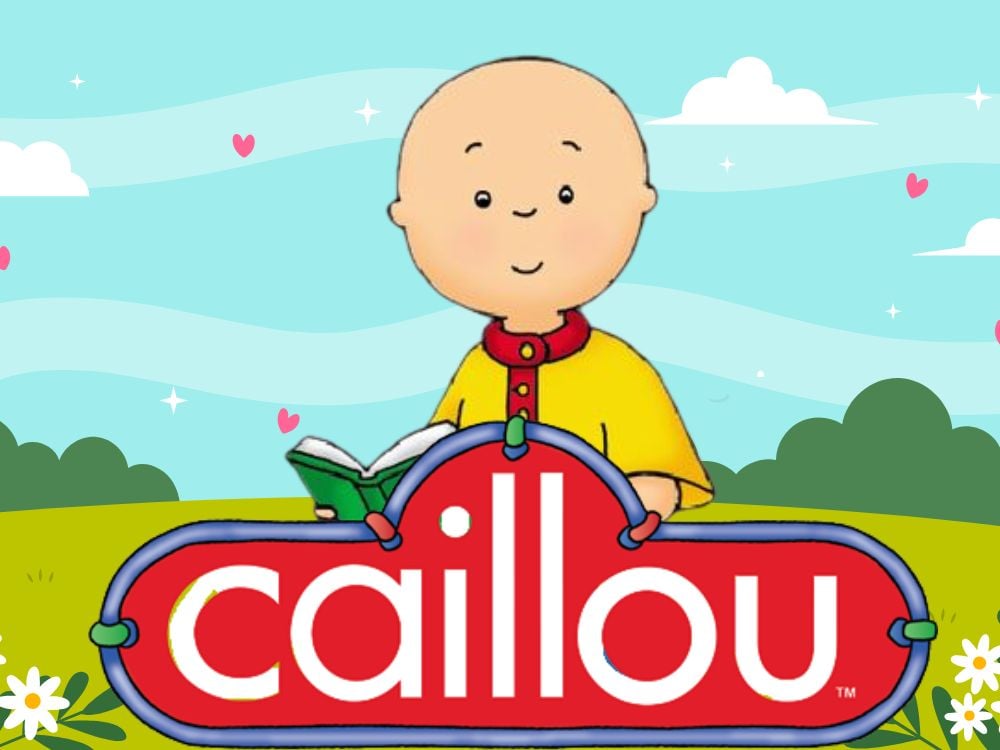
1. Caillou
Where to Watch: Amazon Prime Video, YouTube (select episodes)
Ages: 2-4
Episodes: ~22 minutes
Calm Factor: 
Why It May Not Be the Best Fit for Toddlers:
Caillou is often criticized for modeling whining, complaining, and negative responses to everyday situations. While it attempts to show problem-solving, many parents feel the behavior patterns stand out more than the lessons. Some toddlers may mimic the tone and attitude rather than the resolution.
Watch-Outs for Parents
• Frequent whining and complaining
• Weak consequences for poor behavior
• Slow pacing without strong learning payoff
• May encourage imitation of negative tone
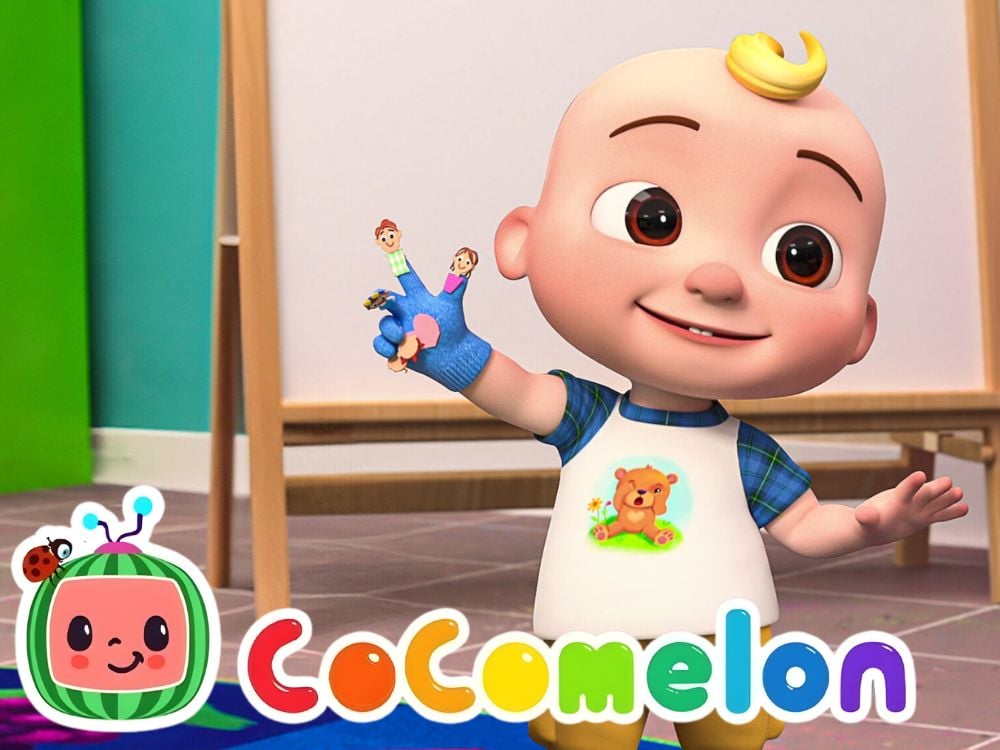
2. Cocomelon
Where to Watch: Netflix, YouTube
Ages: 1-4
Episodes: ~3–5 minute segments
Calm Factor:
Why It May Not Be the Best Fit for Toddlers:
Cocomelon uses extremely bright visuals, quick scene cuts, and repetitive music designed to hold attention. While it features nursery rhymes, the fast pacing and high stimulation can make it difficult for toddlers to transition away from the screen. Some parents report increased meltdowns after viewing.
Watch-Outs for Parents
• Rapid scene changes
• Overly bright, high-contrast visuals
• Limited story-based learning
• May make screen-time transitions harder
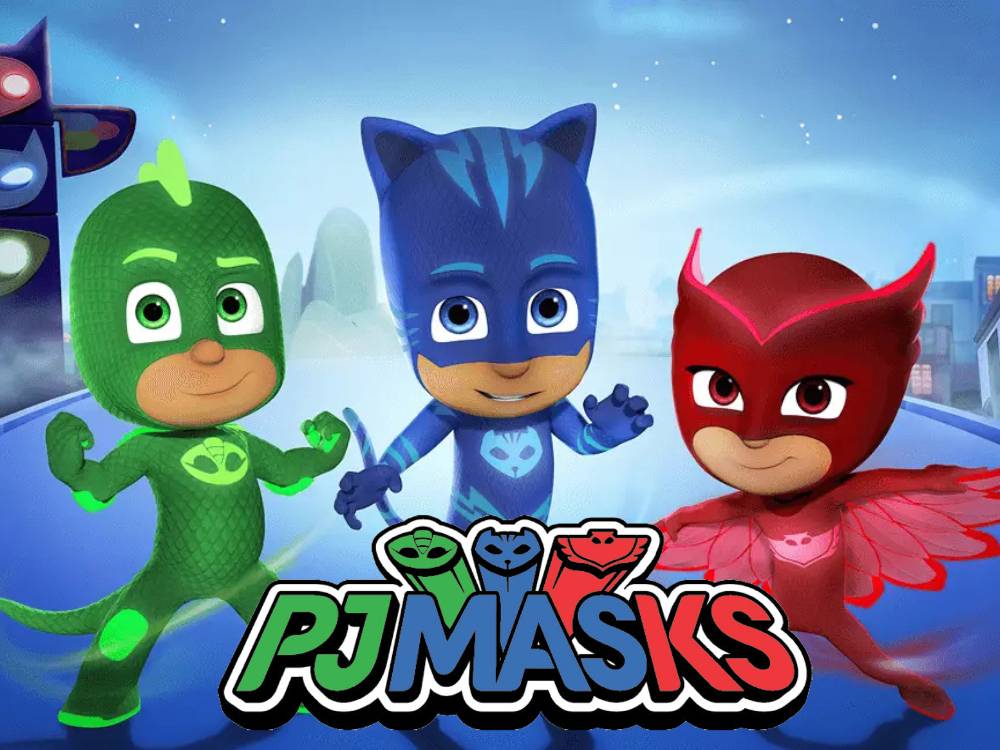
3. PJ Masks
Where to Watch: Disney+, Netflix, HBO Max
Ages: 3-6
Episodes: ~22 minutes
Calm Factor:
Why It May Not Be the Best Fit for Toddlers:
PJ Masks is action-heavy and fast-paced, with superhero conflict driving most episodes. While teamwork themes are present, the constant “battle” structure can feel overstimulating for younger toddlers. The intensity may be better suited for older preschoolers.
Watch-Outs for Parents
• Frequent action sequences
• Loud sound effects
• Conflict-driven storylines
• May increase hyperactive behavior
4. Word Party
Where to Watch: Netflix
Ages: 2-4
Episodes: ~11 minutes
Calm Factor:
Why It May Not Be the Best Fit for Toddlers:
Word Party centers around baby animals asking for help and repeating needs in high-pitched voices. While vocabulary-building is the goal, the constant “baby talk” tone may not encourage strong language modeling. Some parents find the characters’ repetitive demands less than ideal.
Watch-Outs for Parents
• High-pitched, exaggerated voices
• Repetitive “help me” dynamic
• Limited depth beyond simple vocabulary
• May reinforce baby-like speech patterns
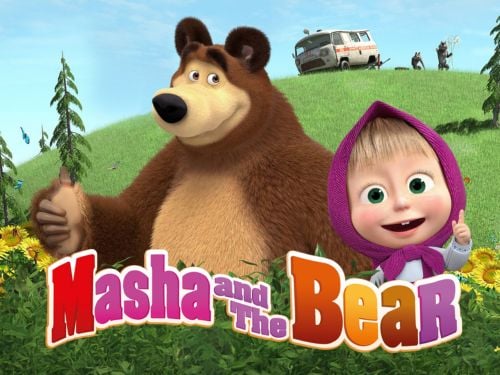
5. Masha and the Bear
Where to Watch: Netflix, YouTube
Ages: 3-6
Episodes: ~7–8 minutes
Calm Factor:
Why It May Not Be the Best Fit for Toddlers:
Masha and the Bear features high-energy antics centered around chaos and mischief. While the animation is appealing, Masha’s impulsive and disruptive behavior often drives the story. The humor may be entertaining, but some toddlers may imitate the silliness without understanding the consequences.
Watch-Outs for Parents
• Chaotic, fast-moving scenes
• Main character frequently ignoring rules
• Humor built around disruption
• May encourage impulsive behavior
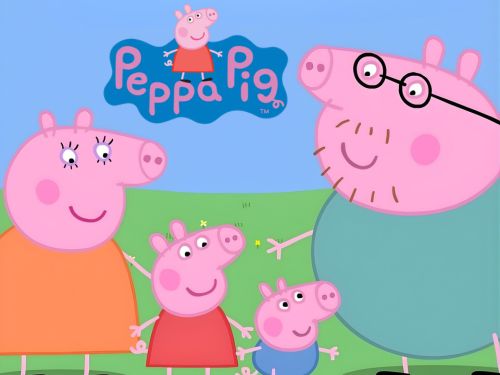
6. Peppa Pig
Where to Watch: Netflix, Amazon Prime Video
Ages: 2-5
Episodes: ~5 minutes
Calm Factor:
Why It May Not Be the Best Fit for Toddlers:
Peppa Pig is simple and easy to follow, but some parents take issue with the tone of humor and mild disrespect toward adults (especially Daddy Pig). The exaggerated eye-rolling and sass can sometimes be what toddlers latch onto most.
Watch-Outs for Parents
• Sarcastic or dismissive humor
• Mild disrespect toward parents
• Limited educational depth
• May encourage sassy imitation
Grab Your Free Low-Stimulation Show Guide
Want a simple, printable cheat sheet to help you confidently choose calmer, more meaningful shows for your little one? Download my free guide featuring a curated list of the best low-stimulation toddler shows, a few to avoid, and exactly what to look for when selecting quality screen time. Print it out and stick it on the fridge for an easy, at-a-glance reminder the next time your toddler asks for a show.
Thoughtful Screen Time Starts Here
Thanks for taking the time here and for caring so much about what your toddler watches. Screen time doesn’t have to be stressful or overstimulating — with a few thoughtful choices, it can be calming and even beneficial. Every child is different, and you know your little one best. Use the tips and show ideas here as a starting point, and don’t be afraid to adjust based on how your child responds.
If you ever feel stuck or want more recommendations, I’ve got you — and don’t forget to grab your printable low-stimulation show guide to keep on the fridge for easy reference.
Here’s to peaceful viewing (and plenty of smiles)!