
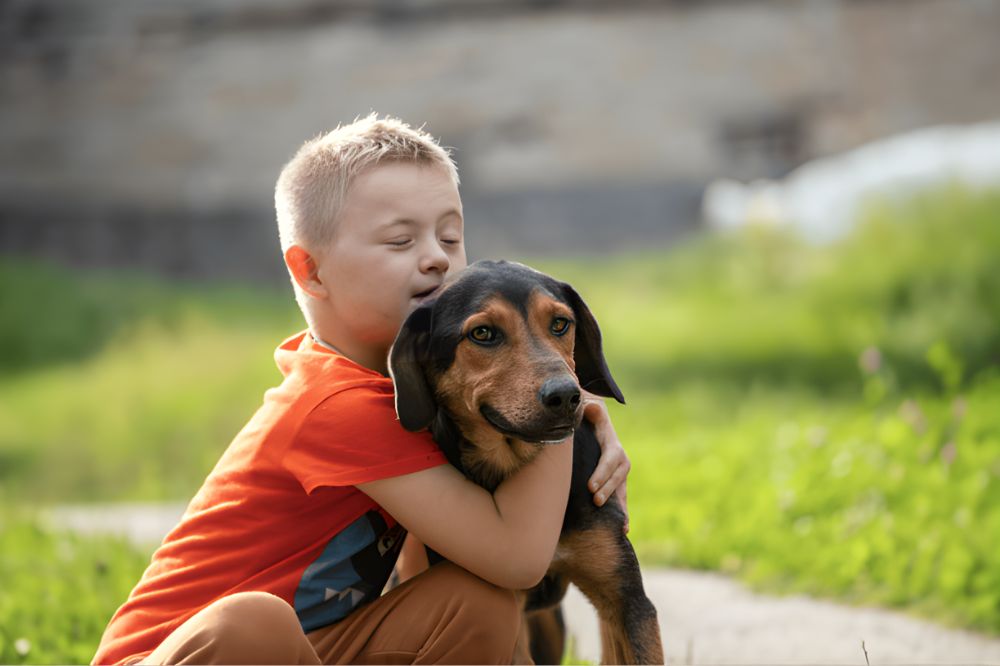
There’s something unique about the bond between children and dogs. It’s a natural connection that you’d see manifest in the every moment, like helping their pets refill a water bowl, or gently nudging a sleepy pup outside before bedtime.
For many families, a dog becomes a child’s first real responsibility. While parents often focus on the joy and companionship a dog brings, kids build a sense of responsibility with their pets. Caring for a family dog teaches children responsibility in a way that feels natural and deeply human.
Responsibility Begins With Real Needs
Unlike toys or screen time, a dog’s needs can’t be postponed. Dogs need food, movement, rest, and care every single day. When children are invited into that routine in age-appropriate ways, they begin to understand that responsibility is about care. A dog won’t remind a child that it’s dinner time. But the hopeful glance at an empty bowl? That’s a subtle reminder to take action.
Kids quickly learn that their actions have consequences. Forgetting to refill the water or skipping a walk affects a living being they love. That realization is often the first step toward genuine responsibility.
Consistency Matters More Than Perfection
Children don’t need to be flawless pet caretakers to learn responsibility. In fact, they learn the most when things don’t go exactly as planned.
Dogs thrive on routine, and through that routine, kids begin to see how consistency builds trust. Morning walks, feeding schedules, and brushing sessions are simple rhythms that show children that responsibility is something you practice over time, not something you master overnight.
When a child forgets, gentle guidance is more effective than correction. The goal is to help them understand that showing up regularly matters more than getting everything right.
Empathy Grows Naturally
One of the most beautiful lessons dogs teach children is empathy.
Dogs can’t explain how they feel, but kids learn to read the signs: a wagging tail, slower steps, a quiet whine. Over time, children begin to notice another being’s comfort and emotional state.
That awareness is at the core of responsibility. Kids start asking thoughtful questions:
- Is our dog tired today?
- Does she need rest instead of play?
- Is something bothering him?
These moments gently help a child focus beyond themselves, and is an essential skill that carries into friendships, school, and family life.
Learning That Care Changes Over Time
As dogs grow and age, children also get to discover that responsibility increases.
Puppies need patience and training. Adult dogs need structure and exercise. Older dogs may require gentler movement, joint support, and extra attention. Kids learn that caring for someone means adapting to these changing needs.
This often opens the door to meaningful conversations about health, aging, and long-term care, which can feel abstract until children see them play out in real life.
Families who prioritize a preventive wellness model do so beautifully. Supporting a dog’s comfort and mobility becomes part of a larger lesson: caring early helps someone thrive later. Many parents explore balanced nutrition and joint support as part of that commitment, including supplements from science-backed brands like puplabs.com, designed to help dogs stay active and comfortable as they grow.
Ownership Without Pressure
One common misconception is that responsibility must be all-or-nothing. In reality, shared responsibility works best. Children don’t need full ownership of a dog’s care to benefit. Responsibility can be layered:
- Younger kids help scoop food or brush fur
- Older kids take charge of walks or feeding routines
- Teens may help track health changes or attend vet visits
This shared approach teaches collaboration and trust. Kids learn that being responsible doesn’t mean doing everything alone but contributing in meaningful ways.
Natural Lessons in Time Management
Between school, homework, activities, and play, kids already juggle a busy schedule. Caring for a dog helps them see how responsibilities fit into daily life.
A walk before dinner. Feeding before bed. A quick check of the water bowl before heading out. These small acts easily teach planning and prioritization. Dogs don’t rush children, but they do create a structure. And that structure often carries over into other areas of life.
Building Confidence Through Care
There’s something deeply affirming about being trusted.
When parents say, “Can you take care of this?” and truly mean it, children rise to the occasion. Over time, kids gain confidence knowing they’re capable of caring for another being.
That confidence shows up everywhere:
- In schoolwork
- In friendships
- In problem-solving
- In self-esteem
Responsibility Rooted in Love
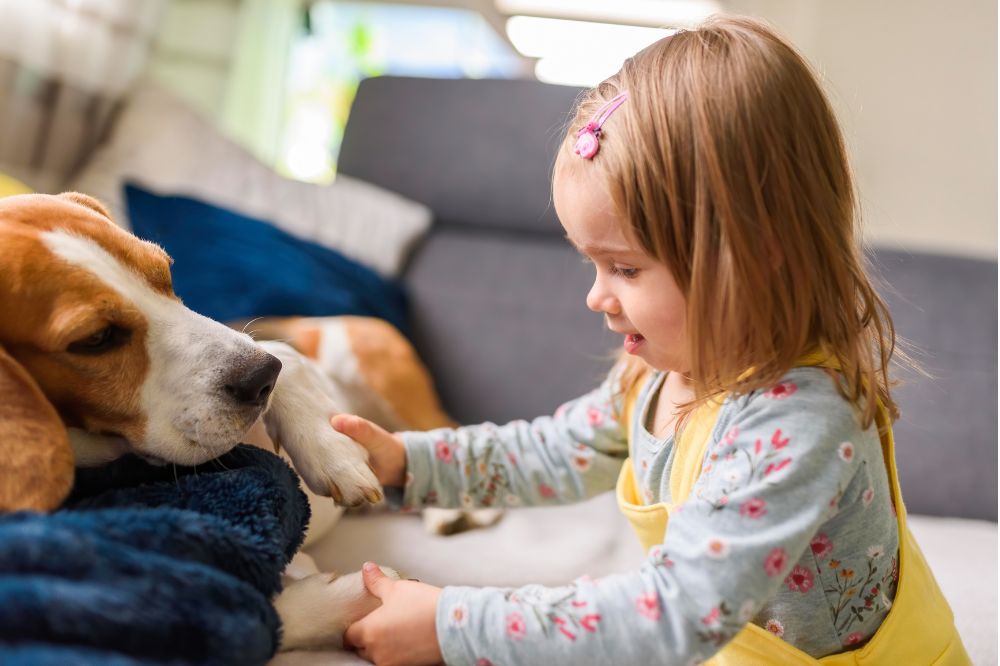
Children don’t care for dogs because they’re told to; they do it because they want their dog to be happy, healthy, and comfortable. That emotional connection transforms responsibility from a burden into something meaningful and even joyful.
When kids learn that responsibility can come from compassion, they carry that understanding with them for life.
Final Thoughts
Caring for a family dog offers children one of the most authentic lessons in responsibility they’ll ever receive. It’s hands-on, meaningful, and grounded in real relationships—not abstract rules.Through daily routines, changing needs, and quiet moments of connection, kids learn that responsibility is about showing up, paying attention, and caring deeply.
