
Teach Mama
  • Reading
  • Early Literacy
  • Writing
  • STEM
  • Activities
  • Digital Literacy
Top Posts
Effective Techniques for Teaching Complex Historical Topics
4 Neighborhood Adventures That Teach Kids Real-World Skills
What Does an Urgent Care Visit Cost in...
Future Trends Influencing Enterprise Learning Management System Adoption
How to Survive Your Husband’s Grad School Years...
How Technology is Reshaping the Rules of Education
How Advances in Artificial Intelligence Are Making Modern...
How Technology is Transforming Learning Experiences
A Practical Guide to Managing Family Finances Without...
Retirement Planning for Parents Who Feel Like They’re...
Teach Mama
  • Reading
  • Early Literacy
  • Writing
  • STEM
  • Activities
  • Digital Literacy
Teach Mama
Teach Mama
  • reading
  • early literacy
  • writing
  • STEM
  • Activities
  • digital literacy
  • Contact
How to Plan a Family Trip Everyone Will Actually Enjoy
Teach Mama Community

How to Plan a Family Trip Everyone Will Actually Enjoy

by Hannah November 5, 2025
written by Hannah

Family vacations sound wonderful until you start planning them. Between balancing everyone’s preferences, finding activities that keep kids entertained, and making sure parents get a little downtime, it can quickly start to feel like more work than fun. But when done right, a family trip can be one of the most rewarding experiences you’ll ever share.

The secret isn’t about creating a perfect itinerary. It’s about creating space for connection, fun, and relaxation. A great family vacation allows everyone to unplug, laugh, and make memories without feeling rushed or overwhelmed. And choosing the right destination plays a big role in that.

For example, if your family loves nature, adventure, and cozy time together, Pigeon Forge, Tennessee, is an ideal spot. This scenic town in the Smoky Mountains offers everything from mountain views to family-friendly attractions and outdoor adventures. Whether you’re hiking, shopping, or just soaking in the mountain air, it’s the kind of place where everyone can find something they enjoy.

Start with the Right Space: Where Comfort Meets Connection

One of the most important parts of planning a successful family trip is finding the right place to stay. The accommodations you choose can make or break your experience, and for families, space truly matters. After a long day of sightseeing or exploring, you’ll want somewhere you can unwind comfortably, share meals, and enjoy being together.

Booking a large cabin in Pigeon Forge is a great way to make your family trip stress-free and memorable. These spacious, mountain-view cabins provide multiple bedrooms, full kitchens, and cozy living areas, giving everyone the privacy they need while keeping the group connected. Many also come with fireplaces, game rooms, hot tubs, and decks overlooking the Smoky Mountains, perfect for ending the day together without feeling crowded.

Hearthside Cabin Rentals specializes in providing family-friendly accommodations throughout Pigeon Forge and the surrounding Smoky Mountains. Their cabins range from intimate spaces for small families to large lodges that can host family reunions or multi-generational trips. With amenities designed for comfort and convenience, they make it easy to relax, cook together, and create the kind of family time that’s hard to find anywhere else.

The right cabin doesn’t just give you a place to sleep. It creates a home base for bonding. You can start your mornings with pancakes around the table, take a short drive to local attractions, and come back in the evening for a family movie or board game night. It’s the perfect mix of relaxation and adventure.

travel plans for family

Plan Together, But Keep It Flexible

The best family trips are the ones where everyone feels included. Before you set your itinerary, gather input from each family member, even the kids. Let everyone choose one activity they’re excited about. Maybe one person wants to visit a theme park, another prefers hiking, and someone else wants a quiet day by the cabin fire. When everyone has a voice in the plan, they’re more likely to enjoy the experience.

That said, it’s also important to leave room for flexibility. Not every day needs to be scheduled. Some of the most memorable moments come from unplanned adventures, discovering a local café, stumbling upon a beautiful viewpoint, or spending an afternoon playing outside. Build in downtime so no one feels rushed or exhausted. Family vacations should feel like a break, not a checklist.

Keep Everyone Entertained

One of the biggest challenges in planning a family trip is keeping all ages entertained. Fortunately, Pigeon Forge and similar family-friendly destinations make it easy. From interactive museums and mini-golf courses to ziplining and mountain coasters, there’s something for everyone.

But entertainment doesn’t always have to mean big outings. Sometimes, the best memories are made in small moments, roasting marshmallows by the fire pit, playing cards in the living room, or taking a quiet morning walk. Make sure your schedule includes a mix of active adventures and simple relaxation.

If your cabin has amenities like a pool table or movie room, take advantage of them. Having built-in entertainment right where you’re staying gives you options for rainy days or evenings when everyone wants to hang out.

Pack Smart, Stress Less

Packing for a family trip can feel overwhelming, but a little organization goes a long way. Start by making a checklist for each family member, clothes, toiletries, medications, chargers, and comfort items. Designate a shared bag for essentials like snacks, water bottles, and travel documents so you can grab what you need quickly.

If you’re staying in a cabin, you’ll likely have access to a full kitchen, so you can bring groceries or shop locally to prepare your own meals. It not only saves money but also allows for family dinners that feel more personal. A night cooking together can be as fun as going out.

Remember that packing light doesn’t mean forgetting the fun stuff. Bring games, books, or a favorite blanket for cozy evenings in. The goal is to have everything you need without overpacking, because nothing dampens vacation spirit like sorting through clutter.

Embrace Local Flavor and Culture

Part of what makes a family trip special is exploring something new together. Whether it’s trying Southern-style barbecue, visiting a local artisan shop, or exploring the Great Smoky Mountains National Park, immersing your family in the local culture makes the experience richer.

Encourage kids to get involved; maybe they can pick a new dish to try or learn a bit about the area’s history. These small moments turn a vacation into an adventure. You’ll not only see new places but also strengthen your bond as a family by sharing discoveries and experiences.

Capture Memories, Without Losing the Moment

It’s easy to get caught up in documenting every part of your trip, but don’t forget to be present. Photos and videos are wonderful keepsakes, but sometimes the best memories are made when you put the camera down. Try setting aside time for family photo sessions, then enjoy the rest of the day without distractions.

Encourage everyone to share their favorite moments at the end of each day, whether it’s a funny moment, a beautiful view, or a small act of kindness. These reflections help you appreciate the trip while it’s happening, not just after it’s over.

When you plan a trip that balances comfort, flexibility, and connection, family travel becomes something everyone genuinely enjoys. It’s not about doing everything perfectly; it’s about spending quality time together. By choosing the right space, like a spacious cabin surrounded by nature, and allowing room for spontaneity, you set the stage for laughter, growth, and unforgettable memories.

The best family trips aren’t just about where you go but how you experience it, together. Whether you’re exploring the mountains, cooking a family meal, or sharing stories by the fire, these moments become the heart of your family’s story.

So, when you’re ready to plan your next getaway, focus less on making it picture-perfect and more on making it yours. Because in the end, the best trips are the ones everyone actually enjoys, not for what you do, but for who you share them with.


November 5, 2025 0 comments
0 FacebookTwitterPinterestPocketEmail
Travel Planning Tips Every Family Needs
Teach Mama Community

From Dream to Departure: Travel Planning Tips Every Family Needs

by Hannah November 5, 2025
written by Hannah

Whether it’s a weekend escape or a full vacation, a well-thought-out approach makes the difference between a rushed getaway and a relaxing adventure. Gatlinburg, Tennessee, is one of those rare destinations where mountain beauty meets cozy comfort and endless excitement. Nestled at the gateway to the Great Smoky Mountains National Park, it’s a place filled with scenic views, charming shops, and activities that appeal to both adults and children. Before heading out, it helps to think about where to stay, what to do, and how to make every moment count. With a little organization, your upcoming mountain escape can become your most enjoyable one yet.

Here’s how you can plan for your trip:

Start with a Family Vision Board

Before booking anything, it’s helpful to sit together and create a simple vision board. This can be digital or physical. This will help gather everyone’s ideas about what they’d like to do. Some might want to visit theme parks, while others may prefer scenic drives or quiet evenings. By visualizing everyone’s interests, you’ll avoid confusion later on and set clear expectations. Adding photos or short notes can help everyone feel involved. This approach turns decision-making into an enjoyable activity rather than a stressful task, helping you balance relaxation, fun, and togetherness throughout your time away.

Finding the Perfect Stay

Choosing where to stay is one of the most important parts of any mountain getaway. Auntie Belham’s Cabin Rentals makes it easy to find the right fit with options like cozy spaces ideal for small groups. Their 2 bedroom cabin rentals in Gatlinburg offer privacy, comfort, and convenient access to nearby attractions such as the Gatlinburg SkyPark. Each cabin is thoughtfully furnished, offering a warm atmosphere that feels just like home. With amenities such as hot tubs, fireplaces, and full kitchens, it’s easy to settle in and enjoy your time in the mountains while staying close to the heart of Gatlinburg.

Best Attractions to visit

Research the Best Attractions Ahead of Time

Taking time to look into the must-see spots before arriving can save a lot of confusion later. This town offers plenty of well-known attractions, including Anakeesta, Gatlinburg Space Needle, and Ober Mountain Adventure Park & Ski Area. Each spot offers something special, whether it’s stunning mountain views or fun activities. A quick online search can reveal opening times, ticket options, and helpful visitor reviews. Organizing your schedule beforehand can help you get the most out of your experience while avoiding long lines or missed opportunities. Having a list of a few backup choices is also a good idea for rainy or quiet days.

Budget Smartly Without Sacrificing Fun

Vacations can add up quickly, but that doesn’t mean you need to limit your experiences. Start by setting a reasonable spending plan that includes accommodations, meals, entertainment, and souvenirs. Look for package deals, discount passes, or free community events. Preparing simple meals or snacks can also help reduce costs. Booking popular spots early often saves money, especially during peak times. Many attractions have online discounts, which are worth checking before arrival. Setting aside a little extra for spontaneous treats, like local crafts or sweets, keeps things flexible. With thoughtful spending choices, you can balance comfort, entertainment, and relaxation without unnecessary stress.

Pack Strategically for Every Family Member

Packing can quickly get overwhelming, especially when different people have different needs. Create a checklist a few days before you leave to keep things simple. Include comfortable clothing, good walking shoes, and layers for changing mountain weather. Don’t forget chargers, medications, and entertainment items for downtime. Packing reusable water bottles and snacks is another smart move, especially for long days outside. Rolling clothes instead of folding them saves space and prevents wrinkles. Keeping one small bag for essentials, like wipes, hand sanitizer, and sunscreen, makes it easy to grab what you need during outings. A little organization saves a lot of time later.

Plan Your Meals Around Family Favorites

Food can make or break any getaway, especially when everyone has different tastes. This town is home to some local favorites such as The Pancake Pantry and Crockett’s Breakfast Camp, which are known for hearty breakfasts and friendly service. When planning meals, mix local dining with some easy home-cooked options if your stay includes a kitchen. Booking tables ahead of time helps avoid long waits at busy restaurants. It’s also smart to carry quick snacks for energy during outdoor activities. Trying one new local dish together can turn mealtime into a fun shared experience everyone remembers fondly.

Stay Connected Without the Family Travel Stress

One thing that has made family travel much easier for us over the years is making sure we have a dependable way to stay connected the moment we arrive at our destination. Whether you’re navigating a new city, looking up family-friendly restaurants, checking attraction hours, or staying in touch with relatives back home, having internet access can save a lot of frustration.

Instead of relying on public Wi-Fi or searching for a local SIM card after landing, many parents are now choosing a reliable travel eSIM before their trip. Setting up your mobile data in advance can help you access maps, translation apps, transportation information, and important travel documents right from your phone. This is especially helpful when traveling with kids, since unexpected delays or last-minute changes are often part of the adventure.

Having a backup connection also provides extra peace of mind. If plans change, flights are delayed, or you need to quickly find a nearby pharmacy, grocery store, or family-friendly activity, you’ll be able to do so without scrambling for a Wi-Fi signal. For busy parents, a little preparation before departure can make the entire trip feel smoother and more enjoyable.

Schedule Downtime Between Adventures

It’s tempting to fill every moment with activity, but breaks are just as important. After exploring attractions or shopping downtown, take time to rest. This town has plenty of scenic spots, like Gatlinburg SkyBridge, where you can slow down and soak in the views. Quiet mornings with coffee or evenings by the fire can help everyone recharge. Scheduling downtime allows you to enjoy each experience more fully without feeling rushed. It also gives time for reflection, laughter, and bonding that often becomes the highlight of the trip. Balance makes every getaway more memorable and meaningful.

Make Room for Spontaneous Fun

Even the best-prepared plans work better with flexibility. Allow space for unplanned moments, like discovering a roadside shop or stopping for handmade fudge. The downtown streets are full of surprises, like unique art stores, candy shops, and fun photo spots. Sometimes, the most memorable moments happen when you least expect them. Don’t worry if you miss one planned stop; go with what feels right in the moment. Staying open to unexpected opportunities keeps the experience light and enjoyable, giving everyone a sense of adventure and connection that rigid schedules often miss.

A successful getaway begins with thoughtful preparation, clear communication, and a touch of flexibility. This destination offers the perfect mix of mountain charm, relaxation, and excitement for everyone. With the right stay, balanced plans, and a focus on connection, every moment can bring joy and laughter. Remember that the best vacations are not just about where you go, but how you enjoy the time spent together. When everything falls into place, from cozy lodging to shared meals, your journey truly becomes the perfect blend of comfort and unforgettable memories.

November 5, 2025 0 comments
0 FacebookTwitterPinterestPocketEmail
Family Travel Without the Stress Tips for a Smooth Trip
Teach Mama Community

Family Travel Without the Stress: Tips for a Smooth Trip

by Hannah November 5, 2025
written by Hannah

Family vacations are supposed to be fun, a time to relax, explore new places, and make memories together. But for many parents, the idea of traveling with kids can trigger more anxiety than excitement. Between packing, planning, and keeping everyone happy on the road, family travel can sometimes feel more like a test of patience than a break.

The good news? It doesn’t have to be that way. With the right mindset and preparation, you can turn potential chaos into calm and actually enjoy your time together. Whether you’re taking a weekend road trip or heading to a scenic destination like the Smoky Mountains, the secret to a smooth family trip lies in planning, staying flexible, and choosing the right environment that brings comfort and connection.

The Smoky Mountains are one of America’s most beloved family destinations, a blend of breathtaking scenery, fun attractions, and peaceful moments that remind you why you wanted to get away in the first place. From hiking trails to family-friendly entertainment, this area makes it easy to create meaningful memories without the stress. And that sense of balance starts with one simple decision: where you stay.

Choose the Right Stay for Your Family’s Needs

Every great family trip begins with the right place to call “home” while you’re away. The right accommodations can make all the difference between feeling overwhelmed and feeling at ease. You’ll want space for everyone to relax, amenities that make life easier, and a location close to the attractions you plan to enjoy.

If you’re planning a trip to the Smokies, finding the perfect Smoky Mountains lodging can set the tone for your entire vacation. Whether you’re waking up to a mountain sunrise or winding down after a day of exploring, the right cabin gives your family comfort, privacy, and convenience all in one. The area offers a variety of spacious, family-friendly options that let you cook your own meals, enjoy scenic views, and unwind without the hustle and bustle of crowded tourist spots.

Visit My Smokies, a travel guide for the Smoky Mountains, helps families plan every part of their trip, from finding beautiful cabin rentals to exploring the best local attractions, dining spots, and outdoor adventures. Their resources make it easy to tailor your stay to your family’s interests, whether you’re looking for peaceful nature escapes, kid-friendly fun, or a little bit of both.

By choosing lodging that matches your family’s pace and needs, you eliminate one of the biggest sources of travel stress: exhaustion. When everyone has room to breathe, eat, rest, and laugh together, your vacation becomes exactly what it’s meant to be: a time to recharge and reconnect.

Plan, but Stay Flexible

Planning is essential, but perfection isn’t the goal. Start with a basic itinerary, what attractions you’d like to visit, where to eat, and any must-see spots, but leave room for spontaneity. Kids get tired, the weather changes, and sometimes the best memories come from the unplanned moments.

When heading to destinations like the Smoky Mountains, check local weather conditions and attraction schedules in advance. Make note of the scenic drives, trails, and family activities nearby, but don’t feel pressured to do it all. Give yourself permission to slow down and enjoy the experience, even if it means skipping something on your list.

Pack Smarter, Not Heavier

Packing is one of the biggest stressors of family travel, but it doesn’t have to be. Start with a checklist and focus on essentials, comfortable clothes, toiletries, medications, and favorite items that keep your kids happy and calm.

Think in terms of convenience. Pack a “day bag” with snacks, wipes, chargers, and small games to keep everyone entertained during long drives or flights. For the rest, less is usually more. The Smoky Mountains area has plenty of stores and local shops if you forget something, so you don’t need to bring your entire home with you.

Using packing cubes or labeled bags can help keep things organized, especially if you’re staying for several days. Unpacking into drawers or closets at your cabin can also make your space feel more like home, which helps everyone settle in faster.

Keep Travel Days Calm

Travel days tend to bring out everyone’s stress, from early alarms to long car rides or busy airports. The key is to set a calm tone from the start. Leave early, build in extra time for breaks, and pack plenty of patience. If you’re driving to the Smokies, plan short stops to stretch and enjoy the view. The journey itself can become part of the adventure when you let go of the rush.

For younger kids, bring small activities or downloaded shows to keep them engaged. For older kids, involve them in navigation or playlist selection. Keeping everyone busy and positive helps prevent boredom and bickering.

Most importantly, stay flexible. A delayed flight or unexpected traffic jam isn’t the end of the world. It’s an opportunity to model resilience and adaptability. When you stay calm, your kids learn to do the same.

travel with family without stress

Balance Exploration with Rest

It’s tempting to fill your itinerary with as many activities as possible, especially in a destination as exciting as the Smoky Mountains. But trying to do it all can quickly lead to burnout. The best trips balance adventure with downtime.

Schedule one main activity per day, maybe a scenic hike, a visit to a local attraction, or a fun family outing, and leave the rest of the day open. That gives you room to relax, nap, or enjoy the peaceful views from your cabin porch.

Remember, kids often find joy in simple things: roasting marshmallows, spotting wildlife, or playing a board game. Allowing time for rest and unscheduled fun ensures everyone stays happy and energized throughout the trip.

Make Memories That Matter

When you think back on your favorite family trips, it’s rarely the perfect itinerary you remember. It’s the moments that made you laugh or brought you closer together. That’s what family travel is all about.

Encourage everyone to be present. Take photos, of course, but don’t spend the entire time behind the camera. Have real conversations, share stories, and make space for connection. A great way to capture the experience is by keeping a family travel journal or letting your kids draw or write about their favorite parts of the day.

Those small moments, playing in a creek, watching a sunset, or cooking together, become the stories your family will tell for years. They remind you that travel isn’t about doing more; it’s about being together.

Family travel doesn’t have to be stressful. With a little preparation, a flexible mindset, and the right accommodations, you can turn every trip into a meaningful, enjoyable experience.

In the end, the most successful family trips aren’t the ones that go perfectly; they’re the ones that bring everyone closer. When you prioritize comfort, laughter, and connection, you’ll find that the journey itself becomes just as special as the destination.

November 5, 2025 0 comments
0 FacebookTwitterPinterestPocketEmail
Enhancing Children's Learning Through Interactive Coding Games
Teach Mama Community

Enhancing Children’s Learning Through Interactive Coding Games

by Hannah October 23, 2025
written by Hannah

Games have long been known as a fantastic way to improve learning and overall cognitive abilities in both children and adults. Coding, on the other hand, is similarly famous for being very intellectually stimulating, at least in most of its iterations.

Interactive coding games are a fantastic way to introduce children to technology in a hands-on, engaging way. Instead of just consuming content, kids get to create, experiment, and problem-solve as they build their own projects. Alongside these games, an AI course for kids can also help expand their understanding of how technology works behind the scenes, giving them a broader foundation in the digital skills they’ll use for years to come.

1. Nurtures creativity

Activities that nurture children’s creativity are always crucial for a child’s development. Drawing, constructors, and reading have been used for this aim for centuries, but coding games are an arguably superior method to all its predecessors.

Coding games don’t just teach kids how to write code, they empower them to think of interesting things they can build with that code, what interesting games and puzzles they can create, and even the stories they want to write within those games.

2. Enhances logical thinking

The very act of coding is a logically challenging endeavor and thus pushes kids to improve their logical thinking. In the same way, doing arithmetic or playing cognitive games (chess, checkers, go, etc.) from an early age improves kids’ logical thinking, so do coding games. Except, coding games are much more interactive than merely learning arithmetic and are much more multi-faceted than just staring at a chessboard all day.

3. Teaches resilience and persistence

Coding is difficult, there is no way around it. Kids’ interactive coding games are, of course, designed to be at or near kids’ cognitive capabilities, but the activity is still inherently challenging because the better your kid becomes, the more challenging coding tasks there are to tackle.

This can be a tricky dynamic to incorporate into a child’s habits, as many kids (and people, in general) tend to give up when things become difficult. That’s why some kids do better with tutors, for example.

However, another thing that makes interactive coding games so perfect for your child’s learning is that this type of coding has a built-in reward stimulus. The moment your child manages to write a given piece of code properly, they can immediately see the results. The big benefit of this is that once the initial impulse of persisting through the challenging bits is acquired, your child will continue growing more and more resilient to challenges, which is one of the best skills to have as they continue growing and learning new things.

4. Boosts confidence

One of the greatest joys in life is to put effort into something and then rejoice in what you’ve managed to build with your own two hands. Now, coding games aren’t exactly like building a tree house, as they continue to stay in the computer and not in physical space. 

However, they still bring a similar kind of joy because they are something your child has spent X number of hours to create and then they can play with and showcase the fruits of their labor.

This isn’t just fun, it’s an excellent confidence builder and teaches children the value of delayed gratification, i.e. that it’s often good to ignore the immediate gratification offered by certain activities and put in the extra effort to make something extra satisfying. And this is a great lesson to imprint early on in a child that has much more learning left to go through.

Coding games for kids

5. Gives kids their own space for learning and creativity in the house

Having different spaces around the house set up for different activities is as key for kids as it is for adults. We all know it’s a bad idea to set up your home office in your bedroom because you simply won’t be in a productive mood there. Yet, when it comes to kids, we usually don’t do much for their learning environment other than putting a desk in their bedroom.

Instead, if you put the effort to set up a coding environment for your child, this will not only make their coding efforts much more productive, but it also makes for an overall excellent learning space.

6. Improves structural and pattern-spotting thinking

Even more so than constructors and puzzles, interactive coding games are probably the ideal way to teach kids pattern-spotting and structural thinking. The exact effectiveness of this will vary from one coding task to the next, but overall coding games involve a lot of modular modeling. 

7. Pushes algorithmic thinking

“Algorithm” sounds like a big word for most kids to learn, but algorithmic thinking is something that can easily be developed from an early age. Coding is excellent for that as an algorithm is a replicable action that always leads to a particular result. And this is pretty much what coding is all about.

8. Gives kids an invaluable skill that’d be useful later in life

While this last point isn’t about enhancing your child’s learning per se, it is still one of the biggest benefits of teaching your kid to code early on. Unlike many other activities that also help develop your child’s brain and learning, coding isn’t just something to play with, it’s a skill they can use professionally later on in life!

October 23, 2025 0 comments
0 FacebookTwitterPinterestPocketEmail
Best Slime Bundles for Creative Play 5 Must-Have Collections in 2025
Teach Mama Community

Best Slime Bundles for Creative Play: 5 Must-Have Collections in 2025

by Hannah October 13, 2025
written by Hannah

The slime revolution is here, and it’s bigger than ever! What began as a simple children’s activity has evolved into a sophisticated world of curated collections that captivate imaginations and offer genuine wellness benefits. These aren’t just toys – they’re gateways to relaxation, creativity, and pure sensory joy.

Slime bundles have revolutionized our approach to tactile play. Instead of choosing between individual containers, these thoughtfully assembled collections offer complete experiences that transport you to different worlds. Picture opening a bundle and discovering an entire ice cream shop’s worth of realistic textures and scents, or unwrapping a cozy autumn collection that smells like warm spices and feels like comfort in your hands.

The magic lies in the curation. Expert slime makers carefully balance different textures, colors, and themes to create cohesive stories that unfold through touch and smell. These collections have become essential tools for stress management, creative expression, and simply bringing more joy into everyday life.

What Sets Premium Slime Collections Apart?

Thoughtful Theme Development
The best slime collections don’t just throw random slimes together – they craft immersive experiences. A well-designed collection might take you on a journey through different seasons, recreate the atmosphere of your favorite places, or bring beloved characters to life through carefully chosen textures and scents.

Quality Over Quantity
Superior collections prioritize exceptional materials and craftsmanship over sheer volume. Each slime should offer distinct sensory properties while maintaining consistent quality standards. The containers, labeling, and presentation should reflect the care put into creating each piece.

Sensory Diversity
Outstanding bundles feature a range of textures that complement each other, offering variety. You might find cloud-like fluffiness paired with smooth, glossy textures, or discover collections that progress from simple to complex sensory experiences.

Authentic Storytelling
The most memorable collections have genuine stories behind them. Whether it’s a family business sharing their passion or artists expressing their creativity, authentic collections connect with users on an emotional level that mass-produced alternatives simply cannot match.

5 Outstanding Slime Bundle Creators

Poppy Mello Slimes

Step into a world where creativity meets family tradition with Poppy Mello Slimes’ exceptional themed slime bundles. This heartwarming family business showcases the artistic talents of three young sisters who pour their imagination into every handcrafted creation. Their K-Pop Demon Hunters Collection demonstrates their ability to capture current trends while maintaining the quality and care that defines their brand.

Each collection tells a unique story through carefully selected colors, textures, and themes that resonate across age groups. From mystical adventures to pop culture celebrations, their bundles transform ordinary play sessions into extraordinary journeys. The attention to detail in packaging and presentation makes every order feel like receiving a personal gift from friends.

Perfect for: Families seeking authentic, story-driven play experiences, collectors who value handmade quality, and gift-givers looking for something truly special that supports small business artistry.

Mythical Mushbunny Slimes

Experience the art of seasonal storytelling through Mythical Mushbunny’s masterfully crafted Cozy Fall Collection. This brand has elevated slime creation to an art form, specializing in collections that capture the essence of nature’s changing seasons. Their fall bundle wraps you in the warmth of autumn with rich, spiced scents and textures that evoke cozy evenings and colorful landscapes.

What distinguishes their approach is the meditative quality built into each collection. These aren’t rushed creations – they’re thoughtfully developed to provide calming, almost therapeutic experiences. The generous 9oz portions ensure extended enjoyment, while the carefully balanced formulations create textures that satisfy both gentle play and more engaged manipulation.

Perfect for: Wellness enthusiasts seeking calming sensory experiences, lovers of seasonal celebrations, and anyone who appreciates the intersection of craftsmanship and mindfulness in their recreational activities.

OG Slimes

Enter the Instagram-worthy world of OG Slimes, where aesthetic excellence meets playful innovation. Their Ice Cream Shoppe Restock Bundle exemplifies their signature approach – creating visually stunning collections that look almost too beautiful to touch. Each piece captures the essence of beloved treats with remarkable attention to color accuracy, scent authenticity, and texture realism.

The brand has mastered the art of creating “moment-worthy” collections that photograph beautifully while delivering satisfying tactile experiences. Their restock events generate genuine excitement in the slime community, with collectors eagerly awaiting each new release. The careful attention to visual presentation makes these collections perfect for both personal enjoyment and social sharing.

Perfect for: social media enthusiasts, aesthetically focused collectors, food lovers who appreciate realistic recreations, and anyone seeking collections that strike a balance between visual appeal and tactile satisfaction.

Firefly Slime

Discover pure joy through Firefly Slime’s delightfully whimsical collections, exemplified by their charming Cow Slime Bundle. This brand specializes in bringing beloved themes to life through playful interpretations that appeal to the young and young-at-heart. Their animal-inspired collections combine adorable aesthetics with quality crafting that ensures lasting enjoyment.

The genius of Firefly Slime lies in its ability to create collections that spark imaginative play while maintaining broad appeal. Their bundles often become the foundation for storytelling, role-playing, and creative adventures that extend far beyond simple tactile exploration. The balanced textures ensure satisfying sensory input without overwhelming sensitive users.

Perfect for: Young children discovering slime for the first time, animal enthusiasts of all ages, parents seeking engaging educational play opportunities, and collectors who appreciate cute, well-executed themes.

Momo Slimes

Celebrate life’s special moments with Momo Slimes’ expertly crafted seasonal collections, highlighted by their enchanting Christmas Slime Bundle. This brand has become synonymous with capturing the magic of holidays and celebrations through carefully developed collections that evoke powerful emotional connections and nostalgic memories.

Their seasonal expertise shines through collections that don’t just look the part – they smell, feel, and even sound like the celebrations they represent. Limited-edition releases create genuine excitement and anticipation, making each collection feel like a special event rather than a routine purchase. The beautiful packaging often becomes part of seasonal decorations, extending the joy beyond the slime itself.

Perfect for: Holiday enthusiasts, families with strong seasonal traditions, gift-givers seeking memorable presents, and collectors who appreciate limited-edition releases with emotional resonance.

The Science Behind Collection Curation

Modern slime bundle creators have developed sophisticated approaches to collection design that go far beyond random assortment. The best collections consider color psychology, scent memory, texture progression, and even seasonal emotional associations to create cohesive experiences that resonate with users on multiple levels.

Research in sensory processing has informed how creators balance different textures within collections, ensuring that each piece contributes to the overall experience rather than competing for attention. The most successful bundles create what experts call “sensory journeys” – progressions through different tactile experiences that provide both variety and coherence.

The therapeutic applications of these collections continue to expand as more people discover their benefits for anxiety management, focus enhancement, and creative expression. Many creators now work with occupational therapists and wellness professionals to ensure their collections serve both recreational and therapeutic purposes effectively.

Finding Your Perfect Collection

When exploring slime bundle options, consider starting with Poppy Mello Slimes’ themed slime bundles for an authentic introduction to the world of curated collections. Their family-centered approach and commitment to quality make them an ideal entry point for new enthusiasts.

Each of these five creators offers a unique perspective on collection design, ranging from seasonal storytelling to aesthetic excellence to playful whimsy. Following their social media accounts can provide insights into upcoming releases, behind-the-scenes creation processes, and community celebrations that enhance the overall experience.

Consider your primary interests – whether that’s seasonal celebrations, aesthetic appeal, therapeutic benefits, or simply supporting small business creativity – to guide your selection process. Most creators offer detailed descriptions and ingredient information to help you make informed decisions.

Best Slime Bundles for Creative Play

Conclusion

The world of curated slime collections continues to evolve, offering increasingly sophisticated approaches to tactile play and sensory wellness. These five creators represent the pinnacle of current innovation, each bringing unique perspectives and exceptional quality to their craft.

From Poppy Mello’s heartfelt family traditions to Momo’s seasonal magic, each brand offers distinct pathways to creativity, relaxation, and joy. The beauty of these collections lies not just in their immediate sensory appeal but in their ability to create lasting memories and meaningful experiences.

Ready to explore the fascinating world of premium slime collections? These five creators offer the perfect starting points for your journey into curated tactile play – discover your favorites and experience the magic that thoughtfully crafted collections can bring to your daily life!

October 13, 2025 0 comments
0 FacebookTwitterPinterestPocketEmail
Learning Through Everyday Routines and Special Adventures
Teach Mama Community

Learning Through Everyday Routines and Special Adventures

by Hannah September 19, 2025
written by Hannah

Kids are constantly in the act of learning and not merely in school but in the flow of everyday life and on special occasions that attract their attention in other than routine ways. Development takes place in routine experiences like morning routine and family chores and in unusual experiences like trips or outings or celebrations. The two settings offer great possibilities at developing skills, encouraging creativity, and developing a curious personality.

The Learning Power of Regular Routines

Day-to-day activities might be routine, but routine is the base upon which mastery is formed. As children brush their teeth, dress, or get school-ready, they are in rehearsal mode practicing sequencing, time management, and independence. These little activities instill consistency and responsibilities on which academic achievement in the long run is built.

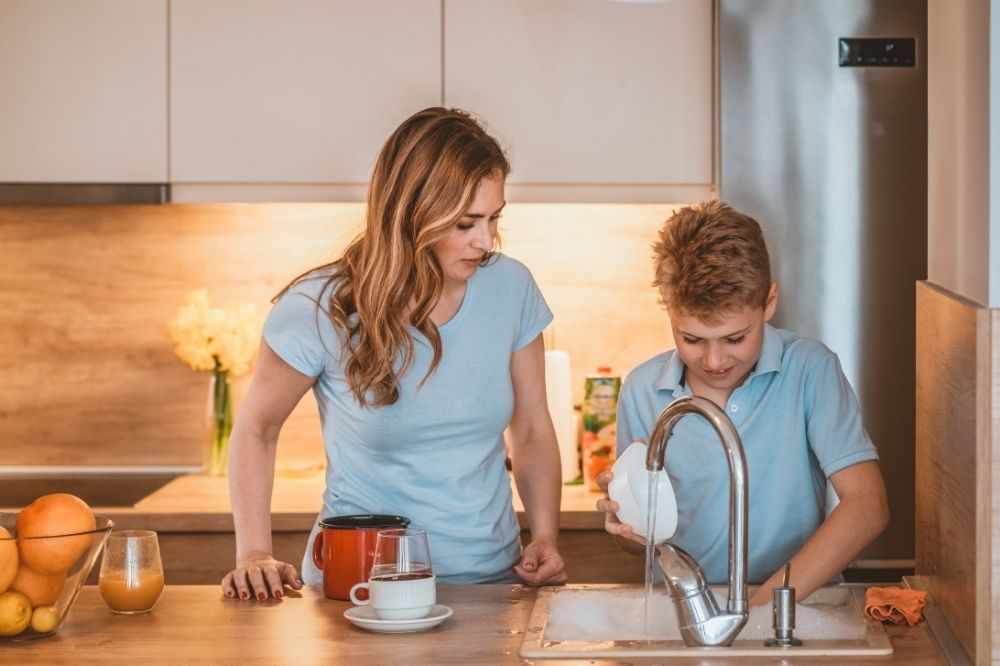
Another opportunity rich in learning is mealtime. Assembling the table, aiding in meal preparation, or doing the clean-up afterward teaches cooperation, fine and gross motor skills, and how important it is to be a part of family life. Even if chores are considered just chores, it boosts the confidence of children because they know their contribution counts so much in their home.

Chores as Teachings in Responsibility

Household chores are hardly valued enough as educational material. Doing activities like separating toys or watering plants or assisting in the wash develops problem-solving and decision-taking capabilities. When children are encouraged to join in the labor effort, a sense of accountability and value of perseverance are developed.

As simple as it may be to teach children to operate vacuums is to incorporate technology, safety, and effectiveness into their experiences. It teaches youngsters that equipment is designed to make work easier but must be treated and used carefully. From these experiences come practical abilities combined with life experiences that translate into adult life.

Learning Through Dialogue and Interaction

Learning Through Dialogue and Interaction

Acquisition of languages flourishes in the context of daily interactions. Table conversation at dinnertime, conversation while riding in cars or bedtime chats improve vocabulary, listening and thinking. Carers and parents demonstrate communication and children practice speaking clearly and assertively.

Even books listened to or read build an understanding, sympathy, and imagination. By questioning children about what they hear, observe, or perceive, adults inculcate critical thinking and an urge to question the world.

The Effect of Play on Development

Play is the best method by which children will learn in everyday life. Pretend play promotes imagination and feelings of empathy, while puzzles and building blocks and board games facilitate problem-solving and collaboration. Free time allows children to be creative and autonomous while disciplined time allows them to grasp rules, fairness and balance in victory and defeat.

Physical activity like running, dancing, or climbing develops strength, coordination, and resilience. What’s more, these activities help in emotional regulation and provide children with healthful ways to release energy and tension. Regular play is now a mind-body training ground.

Converting Daily Activities into Learning Journeys

Even errands offer unseen lessons. Trips to the grocery store involve numeracy and literacy in the form of item identification, comparison of prices, and reading labels. Walking to the community offers children an awareness of nature patterns, road safety, and community infrastructure. These everyday trips bring the world into a classroom without borders.

Chances happen in the most unplanned locations, validating the maxim that education is by no means limited to classroom study. Errand-chatter on what they are seeing may initiate an interest which transfers to other aspects of life.

Special Adventures as Expansive Learning

While daily routine is reliable and reassuring, special expeditions offer novel experiences and exceptional exploration avenues. Family trips, cultural events, or museum outings introduce children to experiences beyond their immediate surroundings. Often these expeditions carry lingering benefits, opening doors to novel ideas and alternatives.

Living in holiday accommodation, e.g., may bring children into contact with a new environment, routine and contact with other people. Adapting to an interim space fosters adaptability and versatility, and tourism or engagement in local culture boosts cultural orientation. Experiences of this nature enrich children’s exposure to the world and their place in it.

The Contribution of Nature to Adventures

The Contribution of Nature to Adventures

Nature adventures outside are particularly influential in the development of children. As long as it is hiking, or even spending a Saturday at the park, nature prompts observation, exploration, and an appreciation of the environment. Children become aware of ecosystems, storm systems, and the meaning of stewardship by directly experiencing the natural world. The experiences carry over into mindfulness and encourage children to slow down and be present in their environment.

Excursions That Stir Imagination

Experience with the unknown often awakens imagination. Visits to an art museum, historical site, or cultural festival introduce children to creativity, history, and differences in life. It may evoke storytelling, painting, or other ideas to pursue as hobbies and stir up passions to grow into long-term activities. Trips enrich curiosity in ways to complement the uniformity of daily classroom assignments.

Supporting Skills Through Exploration

Aside from inquisitiveness, adventures usually support fundamental skills. Reading maps, scheduling timetables, or practicing elementary phrases in foreign languages in travels enhances practical problem-solving. Engaging in guided tours or educational programs allows children to internalize structured information while preserving the thrill of exploration.

Excursions also offer opportunities to reinforce student skills, as children are exposed to menus, signs, and brochures. Genuine reading connects reading to experience and reveals words have real-world application in addition to books and classrooms.

Blending Routines and Adventures

Both routine and adventure complement each other in the life of a child. The routine allows stability and predictability and offers chances to practice in a steady manner. The adventure injects freshness and thrill and challenges that test children’s thinking and malleability. Both combine to provide a balanced system fostering resilience and confidence and inquisitiveness.

If routine is complemented by fun-based learning and special trips are presented as exploration occasions, then children will be enriched by a series of experiences. This complementarity benefits both intellect and emotion and social behavior and produces well-balanced individuals.

The Timeless Relevance of Habitual Learning

Lessons from both ordinary life and the extraordinary are long-lasting. Rituals teach discipline and accountability upon which success in school and eventual professional life are built. Adventures encourage creativity, flexibility, and awareness of culture in ways broadening views.

Children guided to value both will realize that learning is never merely school study. They grow up with the perception that each hour is either ordinary or extraordinary in having something to offer and something to discover.

September 19, 2025 0 comments
0 FacebookTwitterPinterestPocketEmail
How to Talk to Kids About Goals and Future Dreams
Teach Mama Community

How to Talk to Kids About Goals and Future Dreams

by Hannah September 19, 2025
written by Hannah

Getting children to consider their aspirations and goals ahead can be like treading a thin wire. Inspiration is needed but in moderation so as to avoid overawing. Support is required but in a non-prescriptive manner. Discussions on aspirations and goals instill in children a sense of purpose, but these need to be light, easy to change course if needed, and built on curiosity and not coercion. Children perceive the world as having huge amounts of possibilities and walking them through this attitude instills resilience, aspiration, and self-discovery.

The Value of Early Conversations

As young children, the idea of a “goal” might be abstract. However, at a young age, children are already grasping concepts such as trying towards something, having a milestone to reach, or envisioning what they would like to do in the long run. By breaking it down and beginning in an easy manner to relate to their parents, goals are presented in tangible ways. As easy as riding a bike, putting a puzzle together, or finishing a school assignment allows children to understand the relationship between effort and accomplishment.

As children age, goal discussions can become broader. Discourse about bigger goals such as acquiring a new skill or enhancing a hobby paves the way to greater ambitions in the future. It is essential to make these discussions ordinary so that it comes naturally and is never an imposition.

Listening Before Advising

Few parents hasten to offer advice when children speak of aspirations for the future, but listening is paramount. Children long to be heard and their notions—sensible or prohibitive—merit respect. A young person declaring an ambition to be an astronaut or a dancer is hardly mapping a life’s course but is stating an aspiration to be considered.

Open-ended questioning prompts children to remember to share in greater detail: “What are you excited about about that?” or “How would it make you feel?” These responses give parents a glimpse into their child’s motivation and encourage critical thinking in children about their ideas. When children feel relaxed sharing their ideas, their decision-making is likely to become confident.

Connecting the Dreams to Real Life

While it is important to stimulate creativity, it is just as important to incorporate those desires into everyday life. If a child has a dream to be a teacher, holding a mock class with stuffed animals will give them a small taste of it. If another has a dream to be an artist, parents will often provide simple materials and space to create.

These small steps uphold the idea that goals are within grasp and not distant or unattainable—belong to the present and now. As time progresses, kids come to realize their path to their bigger goals is made up of consistent small steps.

Encouraging Practical Thinking

Dreams will be inspiring, but opportunities to teach planning and taking responsibility are available. Introduce subtle concepts about saving money, committing time, and honing skills in order to meet goals. With older children, lectures on how one plans to begin careers or how families make important decisions become a part of daily life.

Discussing topics like education, career, and even valuation of real estate in discussing how one prepares for security allows children to have a greater sense of how adult life is determined. This knowledge makes planning ahead less stigmatized and within closer grasp.

Balancing Between Direction and Freedom

Each child’s trajectory will be unique, and it is best to avoid rigid expectations. The ideal method is to intersperse guidance and freedom while allowing exploration and establishing real-world context. Parents may share their experiences of establishing goals and realizing them or turning in an entirely different direction. This illustrates for the children that goals are dynamic and may change as a person develops.

The focus should be on growth and not on getting it perfect. The child may give up one dream to try another, and this is not failure but an indication of inquisitiveness and changeableness.

Training Resilience Through Adversities

Not all of their dreams will come so easily, and part of the life lesson is coping with failure. Teaching children to face challenges with support and encouragement fosters resilience. For instance, if they’re having trouble with a sport, parents might emphasize effort over results: “I saw how much you practiced even when it wasn’t easy.” This solidifies the message that effort is worth it even if the immediate payoff is nil.

Kids who become adept at viewing bars as doors and not walls are likely to bring this attitude into life. It allows them to aim high in life and never be frightened by mistakes.

Integration of Dreams into Everyday Experience

Goal-setting discussions needn’t occur in formal situations. Daily life provides moments to explore aspirations for the future. Discussions over the dinner table, walks to school, or bedtime stories may incorporate subtle prompts to encourage the imagination of a child. Stories specifically bring children into contact with characters whose aspirations are great, whose challenges are great, and whose perseverance is great. These stories enable children to consider themselves to be within an even greater story of aspiration and growth.

By incorporating these discussions into daily life, parents make it easy to introduce discussions of goals and not to make them special events. Children come to expect it to be normal to think about what they want and to see the steps it will take to achieve it.

Connecting Goals to Responsibility

As kids get older, relating goals to-responsibility is even more vital. Discussions about doing chores, saving money or doing schoolwork can be related to bigger life lessons. Letting kids know how hard work today is preparation for tomorrow’s goals instills in them the idea that aspirations are not developed in a vacuum.

For older children, money management can even be incorporated into these dialogues. Discussions of how households balance budgets, saving up money for large purchases or paying home loan faster by an unusual amount instill ideas in balance with long-term planning and individual responsibility. Children do not need to know all the specifics but are well-served to grasp adult goals are reached through persistence and discipline.

Nurturing Self-Belief

Nurturing Self-Belief

The most powerful tool for helping kids pursue their dreams is self-belief. Encouragement, recognition of effort, and genuine interest in their ideas all fuel confidence. Kids who feel supported are more likely to take risks, explore opportunities, and adapt when things don’t go as planned.

Their parents can demonstrate this self-confidence by exhibiting optimism in their own endeavors. When kids witness adults working towards their own goals, even humble ones, it routinizes the process of developing aspirations and undergoing effort to achieve them.

Keeping the Conversation Open

Aspirations and goals are redefined over time as children become older. A five-year-old’s dream may be completely dissimilar to a teenager’s and it is perfectly normal. The key is keeping the door slightly ajar and maintaining an open conversation. The child must be comfortable to express their new passions and never be dismissed or ridiculed.

By positioning goals as an emergent conversation instead of a preordained plan, parents release young people to explore, to expand, and to re-plot their trajectory. Open-ended conversation in turn fosters trust, resilience, and a lifetime of exploration into what is possible.

Conclusion

Discussions with children about goals and aspirations are less about providing a definitive guide to their futures. It is about encouraging their exploration of their passions, comprehension of the worth of perseverance, and fortification to tolerate change. Through listening, directing, and implementing these discussions into their daily lives, parents may raise children to aim big but be humble in practical comprehension.

Dreams are the seeds of tomorrow and if kids are instilled to plant and grow them then these become individuals appreciative of exploration, hard work and possibilities to come.

September 19, 2025 0 comments
0 FacebookTwitterPinterestPocketEmail
Making Everyday Learning Count Turning Small Moments Into Big Lessons
Teach Mama Community

Making Everyday Learning Count: Turning Small Moments Into Big Lessons

by Hannah September 19, 2025
written by Hannah

The Power of Small Moments

Everyday life offers chance after chance to teach, though it is more often overlooked. Children and adults both learn by small, repeated lessons that build up understanding and principles in the long term. From counting money at market, resolving a family crisis, to discussing why there are rules, small experiences can have a lasting effect. An understanding that learning happens not only in classrooms or in proper settings makes it possible for families to take a more whole-and-integral approach to development and learning.

By approaching each meeting as a teachable moment, people grow in ways that translate practically as well as emotionally. In this way, children also realize that lessons aren’t found in books alone, but in life. This also teaches them curiosity as well as adaptability, both good thoughts to keep in mind after days of school are over.

Building Confidence Through Everyday Experiences

Confidence increases as opportunities to practice what was learned in daily life are provided. Daily tasks such as measuring out the ingredients in a recipe or checking time while going out of the house contribute to feelings of responsibility. The activity places stress on the importance of precision, planning, and solving problems.

When children witness how they accomplish small, doable projects, that confidence stays with them in larger projects. Learning along the way is implicit as well as explicit, laying building blocks of resilience and independence. When adults encourage questioning and answer them at such moments, what emerges are curious, resourceful individuals who won’t be afraid of sticking to solutions and adjusting as needed.

Role of Curiosity in Developmental Processes

Everyday learning is motivated by curiosity. When cultivated, it encourages children to seek reasons behind questions in addition to superficial responses. Responding patiently as caregivers and parents helps breed a culture in which questioning is encouraged, not discouraged. A child wondering why it gets dark at sunset as soon as it does, or wondering why plants require sunlight, is exercising early scientific thought.

This procedure does not exclude adults. Adults too are helped in sustaining curiosity, either by taking up new pastimes or by paying more attention to daily happenings. Meeting life with a questioning eye ensures constant development and helps keep people flexible in fluctuating surroundings. Curiosity converts mundane moments into moments of greater insight and communal connection.

Everyday Problem-Solving

Problem-solving skill emerges of its own accord as children are left to navigate little obstacles. Learning to divide a snack in a just manner among siblings, inventing ways of reaching something up high, or solving how to correct a small mistake in homework exercises imagination. The above conditions develop determination, as setbacks are not obstacles, only chances to work out solutions.

Adults can guide without removing the struggle, so that the child will derive the joy of discovering. In this manner, resilience is developed, and lessons are retained because they are associated with effort and emotion. Even small frustrating experiences, if managed in a healthy manner, act as good steps towards independence.

Learning About Value and Responsibility

One of the most useful topics in everyday lessons is money. Providing children with participation in spending, savings, or tiny purchasing helps them develop an appreciation of resources. The early experiences lay the foundation of financial literacy, which teaches that there are implications as well as options and planning matters.

Exposure to trade and value concepts can go further than money and paper. Groups might even venture out to see how commodities are valued around the world, from the prices of foodstuffs to gold. A discussion of how Australian bullion dealers work, for instance, can shed a light onto bigger systems of economics that support financial stability. Even without great technical sophistication, kids get a glimpse that money ties in to bigger supply, security, and demand chains.

Communication as a Learning Technique

Everyday discussion helps build essential skills. Encouraging children to articulate themselves in straightforward language, listening attentively, and offering opinions prepares them for school, friendships, and, in due course, life at work. The communicative ability gets strengthened by involving children in discussion regarding daily time tables, agendas, or events in life.

These everyday interactions like bargaining over chores or describing feelings are not inconsequential. They are practices of respectful argument, cooperation, and empathy. Adults who practice active listening and constructive comments send the message that communication is as much about listening as it is about talking and taking people’s thoughts into consideration.

Technology and Modern Lessons

Technology is also at the heart of what families do today and how families learn and communicate. From educational apps to video calls with family, there are as many ways that digital resources bring hands-on opportunities. Making a family calendar that can be shared, or showing kids how to do safe searching, teaches responsibility and computer literacy.

Even adult work systems, office phone systems, can stir up learning discussions. Kids seeing such tools in action might get a glimpse of how communication, organizing, and professionalism work in adult life. By engaging them in small matters—telling them why there is voicemail or call forwarding—parents create openings into a broader world of business and technology.

The Value of Reflection

Moments of instruction take on more significance when they are followed by reflection. Getting children to discuss what they learned at school that day, whether it was a new word, a struggle that was won, or a tiny error corrected, makes that lesson permanent. Reflection makes ephemeral experiences permanent knowledge, so that effort becomes more closely tied to achievement.

Reflection is worthwhile in adults too. Gaining insight into how daily experiences influence personal growth enhances insight and stimulates further personal development. In the midst of daily activity, time spent in reflection about what has been learned or transmitted generates appreciation and enhances family relationships.

Making Daily Learning Intentional

Making Daily Learning Intentional

The secret to breaking down big moments into little lessons lies in intentionality. Being aware of potential in daily activities gives families a means of converting ordinary actions into lasting learning. Meal preparation becomes a lesson in mathematics and science. Outdoor walks become lessons in ecology. Waiting in line at a grocery store becomes an opportunity to teach about patience and equity.

When people opt to view such experiences as opportunities, it helps in developing life-long learners. The house becomes part of the classroom, and the world at large becomes a forum wherein questions, observations, and imagination are not only encouraged, but valued.

Conclusion

Daily life is discovering the extraordinary in the ordinary. From measuring out ingredients to discussing world economies, from problem-solving at home to wondering about what was learned in a day, every moment abounds with possibility. Children who are raised in homes that cherish curiosity, responsibility, and reflection grow up to be adults who consider learning to be life-long.

Moments small, when cherished and made much of, really do matter. They create confidence, kindle curiosity, bolster resilience, and invite connection. In recognizing daily moments in this way, families develop habits of thought and behavior that persist long after childhood, so that learning continues into life.

September 19, 2025 0 comments
0 FacebookTwitterPinterestPocketEmail
Raising Kids Who Understand the Balance Between Needs and Wants
Teach Mama Community

Raising Kids Who Understand the Balance Between Needs and Wants

by Hannah September 19, 2025
written by Hannah

One of life’s greatest lessons that parents and caregivers can teach kids is about distinguishing needs and wants. It helps them develop decision-making, healthy financial behaviors, and appreciation of priorities as individuals. This distinction does not come at a stroke of genius; it emerges over time through daily encounters, discussions, and mentorship. Getting it early in life guarantees that kids become adults who can perfectly strike a cord of balancing sound judgment with dreams.

The Foundation of Needs and Wants

Kids tend to think in terms of immediate gratification. What appears desirable to them at that moment is an immediate need. If parents get them involved early and clear up confusion, kids will be able to distinguish. Needs are of life and maintenance, like food, shelter, clothing, and education. Wants are additions—things or experiences that are comfortable, happy, and thrilling, though life is not dependent upon them.

Explaining briefly along with examples of daily life is effective. For example, grocery shopping is a necessity, while going out to dinner at a preferred restaurant is a want. When children begin to apply such principles to daily life, it creates a foundation that makes them better judges later on.

Guiding Through Everyday Choices

Teachable moments happen in everyday life. Trips to the grocery store, family-budget discussions, even spending money that is earned as allowance are teachable moments about balance. Instead of avoiding money discussions, adults can involve kids in the decision-making, explaining how decisions are made and why. That involvement makes money issues more normal and introduces good habits.

When a child asks for a new toy, caregivers can discuss if it is a want versus a need and what it will cost in terms of trade-offs. Small conversations leave a lasting impression such that children become more aware of priorities without taking away happiness from getting what they want every now and then.

The Role of Modeling Behavior

Teaching Responsibility Through Consequences

Children will replicate what they observe. Parents who display careful spending and thoughtful decision-making will, by default, teach children by example. Practicing discretion in going out to shop, discussing savings goals, or openly planning household spending solidifies what kids hear as discussion. What people do trumps speech alone.

It is also necessary to mix moderation with indulgence. Giving children permission to have a treat or luxury good every now and then helps them learn that wants are not negatives. The important thing is to handle them responsibly, at least.

Building Skills Through Allowances

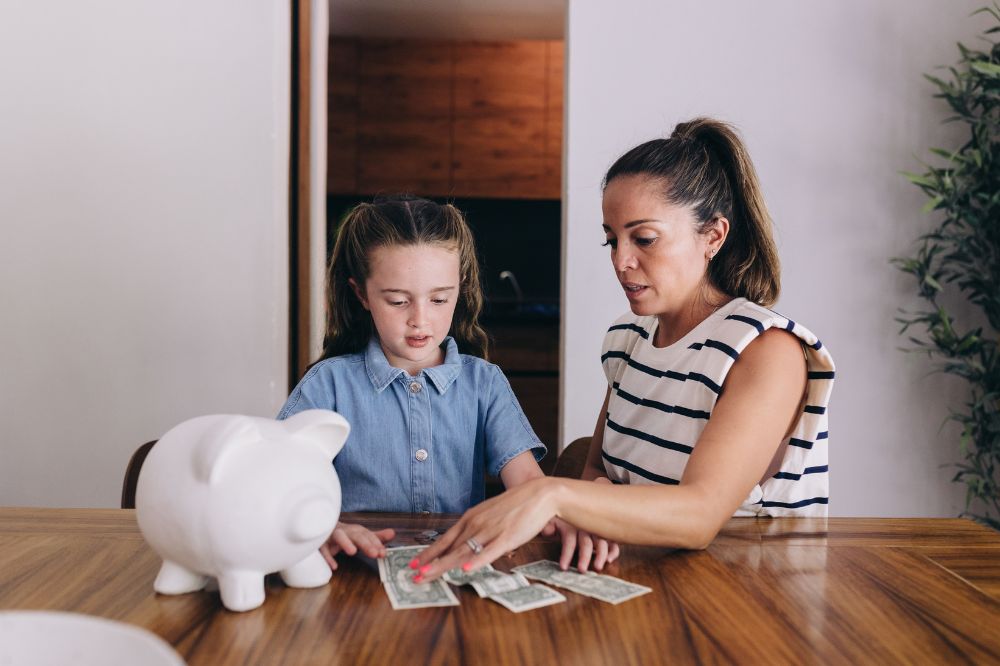
Allowance systems give children a structured method of learning about wants and needs in real life. By being provided money to work with, children make decisions and get real-life experiences of results. Some households create systems in which money is broken down into spending, saving, and giving buckets. This helps them understand that money must always be kept in a balanced mix among priorities, rather than being spent at once.

When kids save up money for that one thing that they really want, they come to admire what it takes to reach it. This feeling of accomplishment solidifies their ability to make decisions and instills patience, a vital aspect of want management.

Promoting Long-Term Thinking

It is more valuable as children grow older to discuss future-oriented decisions. Adolescents in particular will be helped by gaining insight into how today’s spending will affect tomorrow’s opportunities. Conversations about savings going toward college, vacations, or hobbies help them understand that deferral now will mean greater returns in the future.

It is also at this age that peers, media, and commercial forces impact so much in establishing aspirations. Children whose parents discuss openly such pressures will be more discerning about what may be a want versus what is good marketing.

Supporting Emotional Awareness

Wants are usually attached to feelings. Children might feel that they “need” it due to being comfortable, excited, or fitting in. Recognizing such feelings makes it possible to distinguish between emotional urges and real needs. Educating about awareness of feelings facilitates financial decision-making as much as it does coping in life in general.

Teaching children to hesitate before reaching a decision helps them consider whether what they want is out of need or passion. The good old pause-and-think practice is priceless as adults encounter more complicated choices.

Balancing Practicality and Dreams

While learning discipline about wants is critical, it is also significant that children get to understand that meeting some wants is part of a healthy life. The family holidays, new passions, that special dessert, enrich and are a source of happiness. The lesson is that of moderation—meeting needs first while planning responsibly about wants.

This method also teaches the concept of planning and setting goals. When children get into the routine of planning and saving in order to purchase a want, valuable life skills are being absorbed that will be implemented later in life, whether it’s purchasing a vehicle, balancing a home, or even working with financial planners as adults. Learning to strike a balance makes independence a foundation.

Utilizing the House as a Learning Asset

Even the family residence can teach about needs and wants. Children, for instance, might overhear conversation regarding home repair or renovation. Where repairing a damaged roof categorically fits into a need, extension for home might be seen as a want that enhances life and convenience. The above instances reveal how priorities transform and families base choices on both need and desire.

Engaging children in such matters, at an appropriate age, introduces them to the fact that financial decisions are ever-changing and continuous. The child understands that families handle core responsibilities along with enhancements in lifestyles, and this introduces them to being prepared for what lies ahead.

Teaching Responsibility Through Consequences

Leaving children to encounter natural consequences of financial choices is also a great means of reinforcing lessons. If a child should choose to spend their whole allowance on toys, they might miss out later on what they really want. Having this constraint teaches them a lesson about planning and prioritizing.

It also means being accountable to take notice of how one’s choices affect others. Having family resources in common, such as selecting a family activity or family expenditure, shows communal balancing of needs over wants. Sharing in this manner helps to develop sensitivity and empathy.

Gaining Independence and Self-Confidence

Students who are taught to assess needs versus wants will become more confident in decision-making. They’ll be less dependent upon what others think and more effective at overcoming financial hurdles. Independence increases as does responsibility, building a staged empowerment that will benefit them in adult life.

It’s not about long-term money management alone, it’s about developing a personality that respects balance, moderation, and planning. Those kids who develop this skill take it along to relationships, work, and personal development.

Conclusion

Teaching kids about how needs and wants work goes beyond money lessons. It is about building up responsible, considerate individuals who will approach life with confidence and clarity. On daily decisions to life-long aspirations, what is internalized as a child extends out into adult life, building a foundation of stability and well-being. Through embedding discussion, displays of behavior, and shows of accountability, people can adopt habits that become permanent.

September 19, 2025 0 comments
0 FacebookTwitterPinterestPocketEmail
Explore family learning projects that make money talks fun and engaging, helping kids build financial skills while bonding with loved ones.
Teach Mama Community

Family Learning Projects That Spark Conversations About Money

by Hannah September 19, 2025
written by Hannah

Why Money Talks Start at Home

Kids and teens learn by watching, but planned discussions can make all the difference. Houses that promote discussion of saving, spending, and planning put younger generations in a position to develop healthier financial habits. Learning projects that families do together are an effective means of establishing such discussions in a natural, interesting manner.

Developing a Joint Budget

family budget

One of the easiest projects is crafting a family budget. By following household expenditure and income, every family member gets a better idea of where money goes and how it might be more responsibly spent. Giving children explicit assignments in this activity—tracking grocery bills, utilities, or entertainment, for example—allows them to witness at firsthand the value of being able to divide needs versus wants. Explaining how money might be spent also opens up a chance to frame such intangible abstractions as generosity, security, or adventure as personal priorities that money decisions happen to represent.

Converting Daily Activities into Learning Activities

There are countless opportunities in daily life for informal money education. Grocery store trips become practicing comparisons of unit prices or discussions of how bulk items pay dividends in the long term. Meal preparation at home teaches cost-effective lessons comparing restaurant versus home-cooked. Small ventures, such as selling unwanted items over the internet, teaches valuable money lessons about resale value, negotiation, and lifecycles of purchase. In this way, such experiences make money decisions concrete in that they are felt in terms of actionable, daily behavior.

Exploring Savings and Goals

Another activity that fosters family discussion is establishing collective savings targets. Saving up to a holiday, new toy, or home improvement, involving the whole family makes the activity tangible. Children can see visually how much is being saved by tracking it on a chart or digital program, and demonstration of trade-offs—delaying small indulgences in favor of a bigger prize—teaches delayed gratification. The projects also afford opportunities to discuss and explore, in non-advanced terms, interest, investment opportunities, and long-term potential, paving the foundation of later life understanding of more complicated concepts.

Teaching Investments with Games

Board games and computer simulations offer safe environments in which to talk about investing without real-world implications. Games that deal with property, stocks, or resources can evoke thoughts about risk, about rewards, and about decision-making. Those lighthearted environments can lead to questions about how money increases and what affects its value. Explorations of this kind can organically branch out to considerations of current financial instruments, from retirement accounts to funds, and why they are important to stability over time.

On Work and Earnings

A family activity can also focus on learning about how income is generated. Getting kids involved in odd jobs, such as babysitting, lawn work, or enterprising activities such as crafting, makes them relate effort to compensation. The families can establish a scheme whereby chores translate to allowances, with discussion of responsibility, consistency, and time value. Such activities, in addition to igniting money talk, develop a work ethos that extends to more appreciation of income management in later life.

Applying to Overall Principles of Finance

Once foundation lessons are in place, families can build upon such projects with more challenging concepts. Senior teens, for instance, can also learn about financial planning for young professionals, in which discussion shifts away from allowances and delves into income from career, allowances for spending, as well as savings in that initial paycheck. Relating such ideas to real-life family experiences makes discussion more applicable and real.

Role of Borrowing and Lending

Money discussions usually sidestep debt, but it is important to introduce the topic in a secure setting. Families can practice by role-playing a member of the family “borrowing” money from another, then negotiating repayment with or without interest. In this activity, it shows how borrowing can be both a valuable resource and a burden if not handled correctly. Discussions could include big-picture borrowing, like mortgaging oneself up to a mortgage or SMSF loans, in order to illustrate that adults too make complicated borrowing choices that affect their financial futures.

Learning by Stories

Storytelling provides yet another portal to money conversations. Parents can share personal experiences regarding initial jobs, key spending decisions, or financial faux pas. Not only do such stories develop attachment, but they also highlight money’s role in feelings—how money can evoke pride, stress, or motivation. Movies and books can similarly serve as conversation starters, with critical consideration of financial choices made by characters and how such learning might translate into real life.

Utilizing Technology to Create Awareness

Family-specific apps also include hands-on spending tracking, goal-setting, or investing education. Some sites also include parent-simulation of bank accounts, complete with virtual allowances and spending objectives. Others pose financial challenges that incentivize wise choices and prudent spending. By connecting abstract money concepts to kids’ already-experienced digital financial lives, tools like these help close this critical learning gap.

Discourse of Giving Guidance and Advice

Projects can also reinforce the importance of knowing when to seek advice. Open talk about times when financial advice has been beneficial helps children see that seeking advice is a strength, not a weakness. It shows that money management is a life-long skill and that professionals are among what enables individuals and families to make good choices.

Creating a Culture of Openness

Absolutely, family learning initiatives that take money as a theme of focus develop more than knowledge—they establish a culture of frankness. Children become aware that money is not a forbidden topic, but rather one that can be explored with curiosity, responsibility, and caution. Guardians and parents show that review of financial choices is a part of life, opening up possibilities of improved financial well-being over generations.

September 19, 2025 0 comments
0 FacebookTwitterPinterestPocketEmail
How Long Do Typical Summer Camps Last
Teach Mama Community

How Long Do Typical Summer Camps Last?

by Hannah September 19, 2025
written by Hannah

Parents planning their summer schedules need to know how long their kids will be away at camp so they can coordinate work schedules, family vacations, and other activities. So, how long do typical summer camps last?

Most traditional summer camps in the United States run between 1-8 weeks long, with the most common duration being 2 weeks for sleepaway camps and 1 week for day camps.

While this answer provides a general idea of camp duration, there’s actually quite a bit of variation depending on the type of camp and the age group it serves. Understanding these differences can help you choose the right camp length for your child’s needs and your family’s schedule.

Different Types Of Camps Have Different Durations

Day camps typically run for shorter periods, usually 1 week at a time, though many offer multiple sessions throughout the summer. These camps operate during daytime hours, often 9 am to 4 pm, and are perfect for younger children or those new to the camping experience.

Traditional sleepaway camps most commonly offer 2-week sessions, though some run for 4, 6, or 8 weeks. These longer-duration camps are often favored by older children and teenagers who want to develop deeper friendships and fully immerse themselves in the camp experience.

Specialty camps, such as sports camps or academic programs, generally last 1-2 weeks, though some intensive training camps might run for just a few days.

How Does Age Affect Camp Duration?

How Does Age Affect Camp Duration

Younger children (ages 6-10) typically start with shorter camp experiences, often attending day camps or 1-week sleepaway sessions. This shorter duration helps them adjust to being away from home without becoming overwhelmed. Overnight summer camps become more appealing as children grow older and develop greater independence.

Pre-teens (ages 11-13) often attend 2-week sessions, as they’re usually ready for a longer time away from home and can benefit from more extensive programming.

Teenagers (14 and up) frequently participate in longer sessions of 4-8 weeks, especially if they’re interested in becoming counselors-in-training or developing specific skills.

What Factors Should Parents Consider When Choosing Camp Duration?

The child’s emotional readiness is crucial – some children may not be ready for long periods away from home, regardless of their age. It’s important to assess their comfort level with overnight stays and previous experiences away from family.

Financial considerations play a role, as longer camp sessions naturally cost more. Many camps offer financial aid or early bird discounts to help make longer sessions more affordable.

Family schedules and summer commitments should also factor into the decision. Parents need to balance camp duration with family vacations, sports commitments, and other summer activities their children might want to participate in.

When Is The Best Time To Book A Summer Camp?

Most popular summer camps begin their registration process in January or February for the upcoming summer season. Some highly sought-after camps may even start accepting applications as early as November or December of the previous year.

Early registration often comes with financial benefits, such as “early bird” discounts that can save families 10-20% on camp fees. Additionally, registering early provides the best chance of securing a spot in preferred sessions, as many popular camps fill up months in advance.

For families new to summer camping, it’s recommended to start researching options at least 6-8 months before the desired camp season. This allows time to tour facilities, speak with camp directors, and make an informed decision.

How Can Parents Help Their Child Prepare For A Longer Camp Stay?

Practice sleepovers at friends’ or relatives’ houses can help children build confidence in staying away from home. Starting with one or two nights away can help gauge readiness for longer camp stays.

Involve children in the preparation process by letting them help pack their bags and choose some personal items to bring along. This gives them a sense of control and helps them feel more comfortable with the upcoming experience.

Maintain a positive attitude about the camp experience, but also acknowledge that it’s normal to feel nervous or homesick. Help children develop coping strategies, such as writing letters home or bringing a familiar comfort item, while emphasizing the exciting opportunities and friendships that await them at camp.

Clear communication with camp staff about any concerns or special needs can also help ensure a smooth transition. Many camps have experienced counselors who are trained to help children adjust to camp life and overcome homesickness.

Conclusion

Now that you understand the typical duration of summer camps and the factors that influence camp length, it’s time to start researching specific camps in your area that match your child’s age group and interests. Visit websites like the American Camp Association (ACA) to find accredited camps near you, and create a shortlist of options that align with your summer schedule and your child’s readiness level.

September 19, 2025 0 comments
0 FacebookTwitterPinterestPocketEmail
How to Teach Kids About Dental Health
Teach Mama Community

Bright Smiles for Life: How to Teach Kids About Dental Health in Fun, Lasting Ways

by Hannah September 19, 2025
written by Hannah

Your child’s first wiggly tooth is a rite of passage. That tiny gap in their smile marks a moment in time and an opportunity. It’s the perfect chance to start building a lifetime of good dental habits. But here’s the tricky part: many kids see brushing and flossing as a chore, not a choice.

That’s where creativity, consistency, and a little bit of fun come in. By starting young and making dental health an engaging part of daily life, you’re building their confidence, independence, and even their overall health.

Why Early Dental Education Matters

The habits your child builds in the first years of life have a ripple effect. According to the American Academy of Pediatric Dentistry, children who develop regular brushing and flossing routines before age six are far more likely to carry them into adulthood. On the flip side, skipping these early lessons can lead to cavities, gum disease, and costly treatments later on.

Dental health doesn’t just affect teeth, either. Research links poor oral hygiene to a higher risk of chronic illnesses such as heart disease and diabetes. For kids, dental pain can mean missed school days, difficulty eating, and lower self-esteem.

When parents make dental education a priority, they’re instilling the idea that caring for your body is a form of self-respect.

How to Teach Kids About Teeth Without Making It a Chore

1. Start With a Story

Children connect with narratives, so frame dental health as a story they can follow. Maybe the toothbrush is a superhero, fighting “plaque monsters” that hide after snack time. Or perhaps each tooth is a castle that needs guarding so it can shine bright and strong.

Books like Brush, Brush, Brush! by Alicia Padron or The Tooth Book by Dr. Seuss use rhyme and humor to help kids remember key habits. Reading these together before bedtime reinforces the message without feeling like a lecture.

Pro tip: Let your child “tell the story” back to you while brushing. This encourages creativity and keeps their mind engaged while they’re scrubbing away.

2. Make Brushing a Shared Event

If brushing feels like something they “have to do,” kids will resist it. But if it feels like a family ritual, it’s easier to stick with. Try brushing your teeth at the same time as your child, using the mirror together.

You can also create themed brushing times — “pirate brushing” where you talk like pirates for two minutes, or “dance brushing” where you do silly moves to a favorite song.

For younger children, try the “hand-over-hand” technique where you help guide their brush until they develop the dexterity to do it themselves.

3. Turn Learning Into Play

Teaching Child to brush with stuffed animal

  • Plaque-disclosing tablets: These chewable tablets color any remaining plaque so kids can see where they missed. It turns brushing into a treasure hunt.
  • Tooth brushing apps: Apps like Brush DJ or Disney Magic Timer turn brushing into a mini-game and play music for exactly two minutes.
  • Stuffed animal practice: Give your child a toy with big teeth (or draw them on paper) and let them “teach” the toy how to brush. Teaching someone else helps them remember the steps.

4. Keep Explanations Simple and Visual

When you explain why brushing matters, avoid overwhelming them with technical terms. You might say:

  • “Food leaves sugar bugs on our teeth, and the toothbrush chases them away.”
  • “If we don’t brush, the bugs make tiny holes in our teeth called cavities.”

Visual experiments can make the lesson stick. For example:

  • Place a hard-boiled egg in soda overnight to show how sugar can stain teeth.
  • Dip a piece of chalk in vinegar to show how acid weakens enamel.

5. Build Comfort With the Dentist

Dental visits can be intimidating. Help your child feel safe and curious about the process:

  • Read together: Books like Just Going to the Dentist by Mercer Mayer show what happens step-by-step.
  • Role-play at home: Pretend to be the dentist and count their teeth. Let them be the dentist and check your teeth.


  • Choose a pediatric-friendly practice: Many dental offices offer colorful décor, small prizes, and child-sized equipment.

6. Address Dental Costs Without Skipping Care

Even with good insurance, dental care can add up. Regular checkups, cleanings, sealants, and occasional treatments all come with a price tag.

For families looking to make costs more manageable, some clinics offer flexible options like monthly installments. This allows you to spread payments out without delaying important care. Dental offices such as Williams Family Dentistry may also provide guidance on budgeting for routine and preventive care, helping families plan ahead with confidence. You can also:

  • Ask your dentist about in-house membership plans for preventive services.
  • Schedule treatments across different months to spread out costs.
  • Look for community dental clinics that offer reduced rates for children.

Making a plan for expenses ahead of time helps ensure your child gets consistent, high-quality care without last-minute stress.

7. Match Habits to Developmental Stages

Dental education looks different depending on your child’s age:

  • Toddlers (1–3 years): Focus on helping them accept brushing as part of daily life. Keep sessions short and playful.
  • Preschoolers (3–5 years): Encourage independence by letting them try brushing first, then “checking” their work.
  • Early Elementary (6–8 years): Teach proper flossing technique and talk about the importance of healthy snacks for strong teeth.
  • Tweens (9–12 years): Connect dental care to things they care about — like avoiding bad breath or keeping teeth white for school pictures.

8. Encourage Healthy Eating for Healthy Teeth

Dental education is more than brushing and flossing. Diet matters, too. Offer snacks like cheese, yogurt, carrot sticks, or apple slices. These not only provide nutrients but also help clean teeth naturally.

Avoid making sugary treats completely “forbidden,” which can make them more tempting. Instead, teach balance: “It’s okay to have sweets sometimes, but we brush afterward to keep teeth strong.”

9. Celebrate Success

A little recognition goes a long way. Try:

  • A “no-cavity club” certificate after dentist visits.
  • Smile photos every six months to show progress.
  • Let your child choose a new toothbrush when they hit a brushing milestone.

Celebrating reinforces the idea that dental care is something to be proud of.

The Long-Term Payoff

The benefits of early dental education go beyond a cavity-free childhood. Kids who grow up with these habits are more likely to have healthier gums, stronger teeth, and better overall health as adults. They’re also more likely to feel confident in their smiles, which can affect everything from friendships to job interviews.

Most importantly, you’re teaching them a skill they’ll carry for life: how to care for themselves in a way that is both practical and empowering.

September 19, 2025 0 comments
0 FacebookTwitterPinterestPocketEmail
Standing Balance Activities
Teach Mama Community

Which Standing Balance Activities Work Best in Occupational Therapy?

by Hannah September 19, 2025
written by Hannah

Standing balance is fundamental to independence and safety in daily life, playing a crucial role in occupational therapy. The most effective standing balance activities in occupational therapy are those that combine dynamic movement, functional tasks, and patient-specific adaptations to meet individual needs. Research and clinical experience highlight activities like reaching, ball games, standing at counters for daily chores, and interactive tasks such as folding laundry or gardening as highly beneficial for improving balance and stability.

Occupational therapists select and adapt activities based on the child’s current abilities and therapy goals. By engaging patients in purposeful, real-world tasks, therapists can target both static and dynamic balance, improve strength, and increase confidence in mobility. This practical approach not only reduces fall risk but also supports better participation in daily routines and fosters greater independence.

Key Takeaways

  • Practical standing balance activities combine task relevance and movement.
  • Therapists adapt interventions to each child’s unique needs.
  • Functional activities strengthen balance and boost real-world independence.

This article is not medical advice. Consult with a licensed professional to determine which balance activities are safe and effective for your child.

Most Effective Standing Balance Activities in Occupational Therapy

Standing balance activities in occupational therapy focus on practical approaches that help individuals build stability, foster independence, and regain confidence for everyday living. Effective activities target core strength, functional reaching, and coordinated movement patterns to address mobility and improve balance across age groups.

Occupation-Based Standing Balance Interventions

Occupation-based interventions anchor balance training in familiar, goal-directed activities. Therapists select tasks that mirror real-life scenarios, such as gardening, reaching for kitchen items, or folding clothes at a surface. These tasks integrate multiple planes of movement, encourage weight shifting, and can be tailored to patient interests.

For older adults, standing at a counter to fold towels or reaching up to hang clothes addresses both balance and the practical needs of daily life. In pediatric occupational therapy, playful tasks—like setting up simple snack stations or engaging in dress-up activities—become part of occupational therapy pediatric activities that develop balance through meaningful engagement. This approach increases adherence and motivation while helping develop the muscles and stability required for safe, independent living.

Dynamic Balance Exercises for Improved Mobility

Dynamic balance exercises focus on improving the body’s ability to remain steady during movement. These activities challenge stability through shifting the center of gravity, alternating foot positions, or reaching with the arms while standing. Typical exercises include toe taps, step-ups, side lunges, and balance walks along a taped line.

Therapists may introduce variations, such as using unstable surfaces or adding dual tasks, such as holding a ball while stepping. These challenges are graded to patient ability, ensuring safety and gradual improvement. Regular practice of dynamic balance exercises enhances lower body strength and coordination, directly supporting functional mobility and reducing the risk of falls in daily environments.

Functional Standing Activities for Daily Tasks

Functional standing activities prioritize the specific tasks patients need to complete each day. Examples include practicing grooming, brushing teeth, or combing hair while standing at the sink. These daily self-care routines challenge balance in a practical setting and integrate essential movements like reaching, weight shifting, and turning.

Occupational therapists also use task simulations, such as preparing a simple meal or loading a dishwasher, to mirror home environments and routines. For pediatric populations, activities like putting away toys on shelves or participating in interactive games while standing create purposeful opportunities for balance training. This targeted practice familiarizes individuals with movements they need for safe, independent participation in their unique roles and routines.

Key Strategies and Adaptations for Enhancing Standing Balance

Standing balance can be improved with structured training that addresses coordination, posture, and appropriate use of equipment. Adaptations tailored to individual needs help maximize effectiveness and safety in occupational therapy interventions.

Coordination Training and Postural Control

Strengthening coordination and postural control is essential for better standing balance. Occupational therapists use functional exercises, like stepping in multiple directions or reaching while standing, to challenge both dynamic stability and body alignment.

Key strategies include:

  • Practicing stepping over obstacles.
  • Performing weight shifting from side to side.
  • Maintaining postural alignment during activities such as folding laundry or hanging clothes.

Therapists often guide patients to engage their core and lower extremity muscles, emphasizing correct foot placement and upright posture. These activities also enhance proprioception and spatial awareness, both crucial for balance recovery and fall prevention during daily tasks.

Integrating Adaptive Equipment

Occupational therapists frequently introduce adaptive equipment to support standing activities, especially when a patient’s balance is limited or fluctuates. Using grab bars, raised garden beds, sturdy counters, or walkers provides extra stability and confidence during functional tasks. Adapting the environment can make activities safer and more manageable, allowing a person to practice balanced tasks in gradual progression. Equipment selection is always based on individual risk factors and the specific daily routines of the child.

Conclusion

Standing balance activities in occupational therapy help improve stability, strength, and confidence for children of various ages and abilities. Techniques such as weight shifting, single-leg stands, and reaching tasks target core strength and proprioception.

A combination of functional and dynamic exercises is recommended to lower fall risk and promote independence in daily life. Tailoring activities to individual goals and abilities encourages greater engagement and measurable progress. For optimal results, ongoing assessment and adjustments ensure that interventions stay challenging and relevant as children progress. Collaboration between the therapist and the child is essential for meaningful outcomes.

September 19, 2025 0 comments
0 FacebookTwitterPinterestPocketEmail
Recognize the Early Signs of Dyslexia
Teach Mama Community

How to Recognize the Early Signs of Dyslexia Before It Affects Academics?

by Hannah September 19, 2025
written by Hannah

Dyslexia can impact a child’s ability to learn long before they begin formal schooling, yet its earliest signs are often overlooked until academic struggles appear. Recognizing subtle difficulties—such as trouble rhyming, poor letter recognition, or inconsistent pronunciation—can help parents and educators address dyslexia before it affects academic performance. Understanding how to identify dyslexia in preschoolers allows parents to seek support early and ensures a positive educational experience.

Spotting these early indicators is vital because early intervention can make a lasting difference. By observing a child’s challenges with language, memory, and phonemic awareness, adults can connect children with resources that support their reading journey and self-confidence.

Key Takeaways

  • Early signs of dyslexia may appear before formal schooling.
  • Identifying challenges quickly can prevent academic struggles.
  • Early support leads to better outcomes for children.

Recognizing the Early Signs of Dyslexia in Children

Early signs of dyslexia often show up before formal reading instruction begins. These warning signs can include struggles with recognizing and manipulating sounds, difficulties hearing how words are made up of smaller sound units, and challenges connecting letters to sounds.

Difficulties with Phonological Processing

Children with early signs of dyslexia frequently have trouble identifying and playing with the sounds of spoken language. This difficulty, known as poor phonological processing, can show up when a child cannot separate words into their individual sounds or syllables.

Common indicators include problems with:

  • Rhyming: Trouble finding words that rhyme or enjoying rhyming games.
  • Clapping syllables: Difficulty breaking words like “banana” into beats.
  • Remembering verbal information: Forgetting sequences like days of the week or simple instructions.

These struggles make it hard for children to build a strong foundation for reading and spelling.

Trouble with Blending and Segmenting Sounds

A core skill for early reading is the ability to blend sounds together to make words or break words apart into sounds—a skill known as phonemic awareness. Children with dyslexia often struggle with these tasks.

For example:

  • When asked to blend the sounds /c/, /a/, /t/ into “cat,” a child with dyslexia may not be able to do so.
  • When segmenting, they might find it hard to pull apart “dog” into the sounds /d/, /o/, /g/.

These difficulties can cause frustration when trying to decode unfamiliar words or spell new ones.

Challenges in Learning Letter-Sound Connections

Another early sign of dyslexia is a persistent difficulty connecting letters to their corresponding sounds, which affects decoding and spelling skills.

Children may:

  • Take longer to name letters or remember their sounds.
  • Confuse similar-looking or similar-sounding letters, such as “b” and “d” or “m” and “n.”
  • Have repeated trouble recognizing common high-frequency words.

These issues lead to early reading difficulties and can make mastering basic literacy skills more challenging than for their peers. Early recognition of these signs allows for targeted support and intervention.

How Early Signs Can Impact Academic Success and the Importance of Intervention

Early signs of dyslexia often present as difficulties with reading fluency, poor spelling, and trouble processing language. Addressing these challenges at an early stage is critical, as they directly affect a child’s academic progress and confidence in the classroom.

Effects on Reading Fluency and Comprehension

Children with early symptoms of dyslexia often show slow or effortful reading, frequent pauses, and difficulty sounding out unfamiliar words. These signs can lead to poor reading fluency, which affects their ability to read smoothly and at a normal pace.

Poor reading fluency also limits reading comprehension. Children may spend so much cognitive energy decoding individual words that they do not fully understand the overall meaning of what they read. Over time, these challenges can make it hard for students to keep up with grade-level expectations in subjects that require reading. This can result in frustration, reduced participation, and a reluctance to engage in reading activities.

Spelling and Written Language Challenges

Dyslexia frequently leads to spelling difficulties and inconsistent errors in writing, even with familiar words. Students may spell the same word differently within a single piece of writing or struggle to apply phonics rules. These challenges extend to grammar and written expression. Students might omit words, use incorrect verb tenses, or reverse letters and numbers. Difficulties with organizing thoughts and structuring sentences can further impact written assignments.

Writing tasks can become time-consuming and frustrating, causing delays in completing homework and tests. Persistent spelling and writing issues may contribute to lower grades in language arts and any subjects requiring written reports.

Role of Early Intervention in Supporting Reading Skills

Early intervention plays a key role in helping students overcome reading challenges related to dyslexia. Timely identification allows educators and specialists to implement structured literacy programs, explicit phonics instruction, and targeted reading strategies.

These interventions are most effective when introduced as soon as warning signs appear—often before formal academic assessments. Early support can prevent the widening of skill gaps and help build strong language processing and reading foundations. With tailored support, children gain confidence in their abilities and can better access the full curriculum. They are more likely to achieve academic success and develop a positive attitude toward learning.

Conclusion

Recognizing the early signs of dyslexia before academic issues arise allows parents and educators to act promptly. Signs such as difficulty with rhyming, trouble remembering the alphabet, and mispronouncing words can serve as important early indicators.

Early observation and intervention are crucial for providing the most effective support at the right time. With increased awareness and prompt action, children with dyslexia can receive help before experiencing setbacks in school. Clear communication between families, teachers, and specialists ensures no concerns go unnoticed. Early identification supports each child’s individual strengths and needs.

Please remember: This article shares general tips based on common experiences. If you’re unsure about something, a professional can offer more personalized guidance.

September 19, 2025 0 comments
0 FacebookTwitterPinterestPocketEmail
Why Early Learning Matters More Than You Think
Teach Mama Community

From Preschool to College: Why Early Learning Matters More Than You Think

by Hannah September 19, 2025
written by Hannah

When people discuss college readiness, they typically focus on high school grades, standardized test scores, or extracurricular activities. While those matter, what’s often missing from the conversation is how early education fits into the bigger picture.

Preschool may seem far removed from college, but researchers and educators continue to draw strong connections between early childhood learning and later academic performance. Many of the attitudes and skills that students carry with them into middle school and high school are rooted in what they picked up before kindergarten.

That’s why looking at education as a straight path, rather than a series of disconnected stages, can offer more insight into how students reach their long-term academic goals.

Early Education Sets the Foundation

Preschool is more than just playtime or a way to ease kids into school routines. It’s where core learning behaviors are built. Attention span, listening skills, following instructions, and the ability to work with peers often develop during this stage. These soft skills play a significant role in how well a child transitions through elementary and middle school.

Beyond that, early childhood education introduces essential academic basics. Children begin developing number sense, early reading skills, and problem-solving strategies. These learning experiences shape a child’s view of school and whether they feel confident or lost as lessons become more structured in the years ahead.

As students grow older, this confidence, or lack of it, affects their goals. Many high schoolers eventually face questions about higher education, and that often leads to discussions around the pros and cons of going to college. But those conversations don’t happen in a vacuum. A student’s path to that point often reflects years of learning momentum or setbacks that started long before they entered ninth grade.

Academic Tracking Begins Earlier Than Many Realize

Most parents are surprised to learn that academic tracking begins much earlier than in high school. By first or second grade, students may already be grouped based on reading ability or math performance. These tracks shape the pace of their learning and the opportunities available in future years.

Children who enter elementary school with strong language or math skills are more likely to be placed in advanced groups. Once in these groups, they get access to different assignments, projects, and sometimes even different instructors. Over time, this separation adds up, and students in higher tracks often receive better preparation for honors or AP classes, which can influence their college application strength.

The opposite is also true. Kids who struggle in early grades might be placed in remedial groups. If they don’t get the proper support, they can fall further behind. These early placements can be hard to break out of, limiting future choices.

By middle school, these learning gaps may feel like personal failures to students, even though they often stem from the level of support a child received before kindergarten. That’s why early learning deserves a bigger role in long-term academic planning.

Socioeconomic Gaps and Early Learning Access

Access to early childhood education isn’t the same across all communities. Families with higher incomes typically have more choices—such as preschools with smaller class sizes, trained teachers, and structured programs. For lower-income families, access can be limited, and the quality of care may vary.

These early differences matter. A child who enters kindergarten already familiar with books, numbers, and classroom structure is more likely to feel comfortable and prepared. In contrast, children who haven’t had the same exposure might feel behind from the start. That early gap can affect how teachers interact with them, how confident they feel in class, and how much support they think they need.

It’s not just about test scores. When students feel disconnected or overwhelmed early on, that feeling can carry into later grades. Some may stop raising their hand. Others may avoid subjects they think they’re bad at. Over time, this affects course placement, grade performance, and interest in academic goals, including whether they see college as an option.

Efforts to expand preschool access have grown, but challenges remain. Cost, transportation, and availability still deter some families. Helping more children start school on a strong footing is one way to create a level playing field for the future.

Parental Influence and the Role of Support at Home

What happens at home also shapes how children approach learning. Parents who talk to their kids about school, help with reading, and create routines are giving them tools that carry through every grade. That support doesn’t have to be formal; it can be as simple as asking about their day or spending time on educational games.

Children who feel supported at home are more likely to stay motivated. They develop positive habits early, such as doing homework, asking questions, and persevering with tasks even when they’re challenging. These small behaviors can make a big difference over time.

Parents also play a key role in long-term planning. If college is part of family conversations from an early age, kids are more likely to consider it a real possibility. That mindset can influence the types of classes they take in high school and the goals they set for themselves.

On the other hand, when learning isn’t discussed at home or school, it feels like a struggle from the start, and students may lower their expectations. That’s why supporting early development at home, alongside access to quality preschool, can help more students stay on track.

Academic success isn’t just about what happens in high school. It starts years earlier, in small everyday moments—at home, in preschool classrooms, and through early learning experiences. When those early stages are strong, students are more likely to build the habits, confidence, and curiosity that carry them through middle school and beyond.

If we want more young people to feel prepared for college and their future careers, we must pay closer attention to what happens in the earliest years. That’s where the foundation is built and where meaningful change can begin.

September 19, 2025 0 comments
0 FacebookTwitterPinterestPocketEmail
Sight words in playing card-sized squares printed on white card stock on a wooden table
early literacyprintablessight wordsword consciousness

Sight Word Game: Go Fish!

by Teach Mama June 20, 2025
written by Teach Mama

Turn early reading practice into a game your kids will beg to play! This simple twist on the great Go Fish card game uses beginning reader sight words to build fluency, boost word recognition, and make learning fun. Whether you’re a teacher or a parent, this easy-to-prep game brings reading excitement and reading fun whenever you choose.

Because kids are super familiar with Go-Fish rules it makes it much easier for them to concentrate on the learning part of the game. That’s the reason Go-Fish is such a great game for teaching all sorts of things! In this case teaching those words they need to recognize without having to sound them out!

 How We Play Sight Word Go-Fish

All you need are a few fun sight word games to prepare your kiddo for Kindergarten. Go Fish is one of the best and most versatile to have around.

The way we play is very easy. I print out two copies of each set of words. Then we turn all the cards face down in the big “fish pond” and we each take out five random cards. If we have any pairs, we lay them down and choose other cards so that before we start, each player has five cards in his or her hand.

Then we get rolling!  We say, “Do you have the word look (or whatever)? If the other person does have the card, she hands it over.  If not, she says, “Nope, I don’t have the word look. Go Fish!

If the player is lucky enough to pick up the desired card, we say, “You fished your wish!! If not, it’s the next person’s turn.  At the end of the game, the only pairs that count are the ones that the player reads–no pressure–we always help if necessary, but it just sneaks in one more reading of a word that will soon be committed to memory!

We’ve added a few blank cards as well so you can add family members’ names, town names, your state, pet names etc. Really whatever extra words they need.

I recommend printing out several extra pages of the blank cards to use as their reading vocabulary grows.

And that’s it–just 10 or 15 minutes every few days to make learning to read fun and doing what we can to get our kiddos ready for school! Yippee!

Some Additional Uses for Go-Fish

  • Print a headshot of each family member on one set of cards and names on the other set. This is really great at family reunions where your kids may not be sure who everyone is!
  • One year when we (uhm… I mean I) wanted to learn Spanish as a family, I printed the English word on one set and the Spanish words on the other. The kids drew pictures on yet another set, so sometimes we matched the picture to the Spanish word! I still have them in my desk drawer.
  • Use new words specific to the new story they are reading. Try this even with stories above the child’s reading level because as you read the story to them they can supply the new word as you come to it in the story.
  • Create a set of subject specific words. Math terms might include add, subtract, plus, minus, greater than, less than etc. You get the idea.
  • Use the cards to make up funny sentences your child can read for himself. You may need to add a few more nouns to the list for this one. The goofier the better!

Grab Your Own Set of Sight Word Go Fish Cards!

Throw your email in the box below, and the download link will appear in your inbox like magic!

More Great Reading Content

  • Write a Shape Book with Your Pre-Reader
  • Kindergarten Summer Reading Readiness
  • Tips for Helping Early Readers
  • How to Help Your Child Be a Better Reader

PIN THIS FOR LATER

June 20, 2025 17 comments
0 FacebookTwitterPinterestPocketEmail
Yellow construction paper cut into the shape of a crookneck squash with The Big Old Squash written in block letters.
reading

Write a Shape Book with your Pre-Reader

by Teach Mama June 20, 2025
written by Teach Mama

Unleash your child’s imagination with this creative storytelling activity! Let your kiddos dictate their own story while you do the writing. Use fun prompts like making lemonade, magical garden fairies, or a treasure map adventure. Shape the pages into matching themes, and watch your pre-reader beam with pride as they become the author of their very own book!

A shape book is simply a book in the shape of some important element of the story your child is going to dictate to you.  So when our daughter started telling us stories about the garden fairy who lived in the giant squash (You know, the one squash that didn’t get picked until it became enormous?  We had one that year.) We cut out a cover and several pages in the shape of a squash and I wrote down word for word the story of the fairy and the magic (giant) squash.

Create a Shape Book With Your Kiddo!

How This Works

Because a child has a much larger speaking and listening vocabulary than written, they can tell a story long before they are able to write it.  And when they are “reading” their own words, with you sliding your finger under the words they begin to associate their spoken word with the written one. 

This is called Whole Language Approach.  I really like the Phonics Approach to teach reading much more, but this is still a stellar activity that kids can enjoy.  Partly I think because they are completely in control of the topic, the story, the illustrations, the title and of course the shape. 

There is something very empowering about having a book with your name as the author on the front!  I knew a homeschool family who had so many shape books written by their kiddos dad built a special shelf for them!  What a treasure those books will be when the kids are grown! 

How fun (and inspirational) would it be to read a book your parent or grandparent wrote as a child?

Child narrated book with stickers telling the Christmas story

Other Options for Kid Written Books

If making a shape book seems daunting, why not try buying a set of stickers (or use those mismatched left overs!) and having your child use them to illustrate whatever story they spark in their imagination?  You can fold and staple several sheets of typing paper in half along with a cardstock cover for the book itself.

They still get the thrill of creating the story and reading it back to you and others.  If we ever had to chose bits of precious to save from our house quickly, one thing I would absolutely take is the Christmas story our daughter wrote with me when she was four using a set of nativity stickers! (The original squash book sadly was lost in a basement flood years ago.)

Another way to create a unique book is to peruse the card aisle (or maybe use that card you just can’t bring yourself to throw away). There are lots of cards that would make great shape book covers and could spark all sorts of fun stories from your kids.  Again, you just fold several sheets of typing paper in half, staple or tie them in the fold of the card and then cut the paper so that it matches the shape of the card.

I recently found a card with, imagine this, squirrels with light sabers! My oldest grandson, a Star Wars fanatic, was thrilled to bits and came up with several story ideas on the spot! It’s just that easy!

Other Great Reading and Writing Content

  • Sight Word Games to Prepare for Kindergarten: Go Fish!
  • Kindergarten Summer Reading Readiness
  • Tips for Helping Early Readers
  • How to Help Your Child Be a Better Reader

PIN THIS FOR LATER

June 20, 2025 0 comments
0 FacebookTwitterPinterestPocketEmail
Child in a yellow shirt playing hopscotch
countingmathprintables

Every Day Summer Math Activities

by Teach Mama May 16, 2025
written by Teach Mama

Make math part of the summer fun—without kids even noticing! Everyday activities like cooking, shopping, building, and exploring are full of simple ways to sneak in counting, measuring, estimating, and problem-solving. Keep math skills sharp all summer long while your kids are busy making memories!

Both my parents were math teachers. I, however, have always been a language arts girl. You can imagine the frustration on both sides. I was in college before I realized all the fun math activities my super sneaky folks came up with just to keep me engaged.

My favorites were Mom’s treasure hunts. She could whip one up, complete with a map and treasure chest, at the drop of a hat. Her treasure hunts were the stuff of legends and all my friends and cousins loved joining in. So yes, math can be fun!

Basic Math Concepts for Summer

Here’s a simple list of concepts to slip in here and there during fun summer activities. Sure you can find oodles of worksheets for each of these concepts but the idea is to make math a natural part of what they are already enjoying.

I’m of the firm belief that fear and loathing of math comes from it being so disconnected from our daily life. Don’t get me wrong, worksheets and such can be very helpful, but it’s a whole lot easier for a kiddo to get excited about measuring ingredients for their favorite treat than a worksheet on the same topic.

Topics to Cover

  • Counting (as high as they can go correctly)
  • Number recognition and writing (again, as high as they can go)
  • Shapes-circle, triangle, square, rectangle, ball (sphere), can (cylinder), box (cube) and cone
  • Simple graphs
  • Same/different
  • Bigger/smaller
  • Classifying by color, shape, size, function etc.
  • Money
  • Before and after numbers
  • Measuring start with Imperial then add in Metric (length, volume and weight)
  • Addition and subtraction
  • Estimating
  • Spatial relationships-over, under, beside, behind, directions etc
  • Count by 2s, 5s and 10s
  • Odd and even numbers
  • Ordinals (first, second, third and so on)
  • Time (analog and digital)
  • Word problems
  • Addition with carrying
  • Subtraction with borrowing
  • Fractions
  • Problem solving

Whew! That’s quite a list! I can almost hear someone out there asking, “Geez, where does any of that get fun?” Keep reading! The fun is there every day!

FUN Math Filled Activities

  • Cooking together: Let kids measure ingredients, double a recipe, or divide it in half. Divide the product into (equal) halves and quarters. (Measuring, bigger/smaller, time, problem solving, word problems, counting, shapes, ordinals and fractions)
  • Road trips: Track miles, estimate arrival times, calculate gas mileage, identify shaped traffic signs, map reading (Measuring distance, addition, estimating, fractions, ordinals, time, problem solving, shapes)
  • Gardening: Plan the garden layout, measure plant spacing, and keep a weather chart. (same/different sizes, classifying, measuring, fractions, estimating, spatial relationships, ordinals, money, time, problem solving)
  • Shopping: Hand them a budget at the farmers’ market and let them shop for produce. (Money, classifying, measuring, bigger/smaller)
  • Building projects: Measure wood, calculate area for painting or building, and estimate supplies. Measuring, estimating, money, time, ordinals, fractions, addition/subtraction, spatial relationships, word problems, problem solving)
  • Games: Play board games that involve counting, strategy, or money like Monopoly or Yahtzee. (Money, problem solving, word problems, counting). You can also try logic-based puzzles like Sudoku, which strengthen number sense and pattern recognition. Sudoku encourages mathematical thinking without feeling like a lesson, it helps kids practice sequencing, deduction, and reasoning skills that directly support math fluency and problem-solving confidence.
  • Treasure hunts: Create scavenger hunts that use coordinates, counting clues, or simple maps. (map reading, spatial relationships, ordinals, shapes, money, before and after numbers, estimating, measuring) *this was my personal favorite as a kid*
  • Nature walks: Count different kinds of flowers, trees, or birds and create simple graphs afterward. (Classifying, counting, simple graphs, fractions, bigger/smaller, estimating, ordinals, shapes)
  • Sports: Track scores, calculate batting averages, count players or measure distances for a backyard Olympics. (counting, classifying, word problems, problem solving, simple graphs, division, measuring)
  • Ice cream math: If you buy a pint of ice cream, ask how many scoops it can make if each scoop is about 1/2 cup! (Fractions, measuring, estimating)
  • Play I-Spy: Wow, this is one of those activities that can do just about anything you need it to! Keep it simple to start though until your kiddo gets the hang of it. This game is great to play while waiting in lines and other places kids (and parents) find terribly tiresome. (Shapes, colors, money, fractions, classifying, counting, spatial relationships, measuring)

This is just the tip of the iceberg when it comes to incorporating math into fun activities! I’m sure you will come up with lots more! Above all, keep it fun!

Every Day Summer Math Activities Printable printed black letters on white paper with a colorful cartoon sun image

Grab Your Free Download!

Throw your name in the box below and the link to your free download will appear in your inbox like magic!

More Great Math Resources

  • Color Puzzles: Fun Math And Logic For Kids
  • Easy Addition And Subtraction Math Game For Kids (Strike It Out)
  • Four Sums In A Row: Quick And Easy Math Game
  • How To Raise Kids Who Love Math

PIN THIS FOR LATER

May 16, 2025 10 comments
0 FacebookTwitterPinterestPocketEmail
Handwritten Happy Father's Day Notes in a blue jeans back pocket along with a silver wrench
family lifefather's dayholidaysparentingprintables

Quick Father’s Day Surprise Love Notes

by Teach Mama May 16, 2025
written by Teach Mama

Father’s Day is the perfect time to celebrate all the big and little ways Dad makes life better! These quick and easy “Things I Love About Dad” note cards are a heartwarming way for kids to share what makes their father one-of-a-kind. Personal, creative, and full of love—just like Dad!

The Engineer always enjoyed the usual gifts he got from the kids on Father’s Day, but I also know he appreciates having the kids tell him what they love about him. You can help your kiddos give that gift to their Dad this year. When was the last time Dad teared up over a tie or a can of car wax?

Show Dad Some Love Notes This Father’s Day!

With all the end-of-school hoopla, sometimes Father’s Day takes a bit of a back seat. But not this year! Although we celebrate Father’s Day once a year, there are 364 other days to celebrate him as well. So you and your kiddos can decide whether to give Dad all these cards at once or space them throughout the year. Or perhaps a little of both?

Give them on Father’s Day and then again as a reminder of how special you think he is when he needs it most. Maybe on a dreary day in January, he finds one tucked in his laptop or lunch bag or coat pocket … you get the picture. What a boost that would be to find one of these special little love notes when he least expects it!

Father's Day Love Notes printed in black and white on a wooden background

The Notes

We’ve included twelve notes for your kiddos to choose from. Before your kids fill in their cards, set aside some time to brainstorm about all things “Dad” when he isn’t around. After they are clearly in the “Dad Zone,” turn them loose with the cards. With younger kids, you may want to either let them “write” it and provide the translation in parentheses or write what they dictate to you.

Older children will be able to complete the sentences with significantly less help. They can color the pictures and add details specific to Dad. I recommend printing the cards on card stock (I like this Bright White card stock because the colors really pop on it) so they are free to use markers or paint if they want to add their own creative touches!

All About My Dad Memory Page printed in black and white on a wooden background

All About My Dad Memory Page

We’ve also included a memory page where kids can answer questions like “My Dad is _______ years old.” Here’s hoping the answers bring lots of joyful laughter! Be sure to date it and save it!

For some reason, we always seem to have leftover envelopes floating around the craft room to use for these sorts of things, but if you are more organized and don’t have random envelopes hanging around, here are some you might like. Have each child write their name for “Daddy”, “Dad”, “Pop” etc, on the envelope and then fill it with special messages of love for one super special guy!

Grab Your Free Father’s Day Note Cards!

Throw your name in the box below, and the link to the free download will appear in your inbox like Father’s Day magic!

More Intentional Parenting

  • Father’s Day Gift Guide
  • Noticing Your Kids … In A Good Way
  • Talk With Kids About Emotions: ‘Inside Out’ Mini-Book And Card Game
  • 9 Things All Kids Must Hear Their Parents Say

PIN THIS FOR LATER


May 16, 2025 0 comments
0 FacebookTwitterPinterestPocketEmail
A girl wearing a hat and reading a book under a tree in a grassy field
comprehensionfluencyprintablesreading

Sneaky Summer Reading Challenge

by Teach Mama May 16, 2025
written by Teach Mama

Don’t let your kids lose their hard-won reading skills! Summer break is a time for bike rides, popsicles, and lazy mornings—but if reading isn’t also part of summer, your child can lose valuable skills. This fun and flexible Summer Reading Challenge keeps young readers sharp without turning summer into school.

The Engineer used to spend summers with his grandparents on their ranch in West Texas. His grandmother was a fourth-grade teacher who always made sure the kids kept their reading skills sharp during the summer. Hot afternoons were the perfect inside reading opportunity before outside play resumed in the evening.

Every week, she would take The Engineer and his sister to the library, where they got to choose any book they wanted. In the evening, while they shelled peas or snapped beans, she would talk to them about what they had read during the day. Sometimes she would even have them read aloud. The Engineer says he loved it.

Talk about a sneaky grandma!

Start a Sneaky Summer Reading Challenge!

Research shows that students can lose as much as two months of reading progress over the summer if they don’t keep their minds engaged. That’s called the “summer slide,” and it’s very real—especially for kids in early elementary school.

The good news? You don’t need a strict routine or daily worksheets. You just need to keep kids reading! You can do this in simple, low-stress, and even fun ways. A well-planned challenge for you AND the kids can encourage daily reading in a way that feels like play, not more school!.

How to Keep Reading Fun (and Sneaky)

Use a Printable Reading Challenge Chart
Kids love checking off boxes, especially when it earns them bragging rights! Our printable chart includes playful prompts like “Read under a table,” “Read a book with talking animals,” or “Read to your pet or favorite stuffed animal.”

It gives kids choice and variety while building a habit. You can download the printable Challenge Chart below.

Make it a Family Affair
Your kids learn more by watching what you do than they will ever learn from what you say. If you read, they will read! When you take them to the library, you check out books and let them see you reading. As The Engineer says, more’s caught than taught!

When you talk to them about their reading, talk about what you’re reading. Teaching by example is pure magic. It’s also the sneakiest teaching you will ever do!

Tie Reading to Real-Life Experiences
Going to the beach? Check out a book about seashells. Visiting the zoo? Read an animal adventure story the night before. Reading takes on new meaning when it’s connected to what kids are doing in the real world.

Keep it Light
Graphic novels, joke books, cookbooks, comics—these all count! If your child finds reading “boring,” try something unexpected. Let them read a recipe and help make dinner, or read signs on a road trip. It all builds fluency and vocabulary.

Celebrate Progress
This challenge isn’t about logging 20 minutes a day every day without fail. It’s about helping your child see themselves as a reader—someone who chooses to read because it’s interesting, exciting, or even just relaxing. Let reading be fun! That is the whole point of the Sneaky Summer Reading Challenge!

Summer Challenge printable with brightly colored ink and cartoon images of a dragon and a caterpillar reading

Grab Your Free Printable and Get Started!

Throw your email in the box below and the link to your free download will appear in your inbox like summer magic!

More Great Reading Resources

  • Kindergarten Summer Reading Readiness
  • Reading Assessments For Reading Success
  • Bedtime Stories Are More Important Than You Think
  • Tips For Helping Early Readers
  • Sight Word Games To Prepare For Kindergarten: Go Fish!

PIN THIS FOR LATER

May 16, 2025 6 comments
0 FacebookTwitterPinterestPocketEmail
Newer Posts
Older Posts

About Me

About Me

Hi! I'm Hannah.

A mother of one, I am passionate about inspiring mamas and educators with hands-on, meaningful learning ideas that make everyday moments fun, purposeful, and filled with curiosity.

Follow Teach Mama

13.4K Fans Like
2.8K Subscribers Subscribe
132K Followers Follow Us

Recent Posts

  • Effective Techniques for Teaching Complex Historical Topics

    June 13, 2026
  • 4 Neighborhood Adventures That Teach Kids Real-World Skills

    June 12, 2026
  • What Does an Urgent Care Visit Cost in Manhattan Without Insurance?

    June 12, 2026
  • Future Trends Influencing Enterprise Learning Management System Adoption

    June 10, 2026
  • How to Survive Your Husband’s Grad School Years Without Going Broke

    June 9, 2026
  • How Technology is Reshaping the Rules of Education

    June 9, 2026

LEARN

PLAY

CRAFTS

PRINTABLES

About Me

A mother of one, I am passionate about inspiring mamas and educators with hands-on, meaningful learning ideas that make everyday moments fun, purposeful, and filled with curiosity.

Useful Links

  • About
  • Contact

Popular Posts

  • Words 3 Ways: Learning Sight Words For Kindergarten

    May 17, 2012
  • Quick Trick: Magnetic Letters (How To Use Them With Your Kids!)

    December 1, 2010

Recent Posts

  • Effective Techniques for Teaching Complex Historical Topics

    June 13, 2026
  • 4 Neighborhood Adventures That Teach Kids Real-World Skills

    June 12, 2026
  • Facebook
  • Pinterest
  • Youtube
Teach Mama
  • Reading
  • Early Literacy
  • Writing
  • STEM
  • Activities
  • Digital Literacy

Shopping Cart

Close

No products in the cart.

Close