Teach Mama
  • Reading
  • Early Literacy
  • Writing
  • STEM
  • Activities
  • Digital Literacy
Top Posts
Applying for a Child’s Passport: A Practical Guide...
The Future of Educational Architecture: Designing Spaces for...
Exploring NKU’s Online MAT Programs: Flexible Options for...
How Educational Institutions Are Responding to Rising Student...
Why Teaching Problem-Solving Skills Matters in Education
Why Communities Depend on Well-Trained Social Work Professionals
Simple Refuel Ideas for Busy Back-to-School Afternoons
How to Encourage Self-Expression in Kids Through Fun...
Why Your Child’s Science Fair Measurements Shouldn’t Have...
What Should Parents Know Before Getting a Backyard...
Teach Mama
  • Reading
  • Early Literacy
  • Writing
  • STEM
  • Activities
  • Digital Literacy
Teach Mama
Teach Mama
  • reading
  • early literacy
  • writing
  • STEM
  • Activities
  • digital literacy
  • Contact
Lasting Value of Traditional Education Systems
Teach Mama Community

The Lasting Value of Traditional Education Systems

by Teach Mama November 25, 2025
written by Teach Mama

Do you ever wonder if traditional education is still important? Many people think modern methods are better. But traditional schools and colleges offer more than just lessons. They teach discipline, structure, and social skills.

They also give a strong base for future learning. Teachers guide students step by step. Many experts say this approach builds lasting knowledge. It also helps students grow in many ways. Traditional education shapes both minds and habits.

Keep reading to learn why it still has lasting value today.

Strong Foundations

A solid base helps students succeed later in life. Traditional education teaches core subjects like reading, writing, and math. These skills are needed for many jobs. Early lessons also build thinking and problem-solving skills. Teachers guide students step by step. Students learn to understand ideas clearly.

They also learn how to work on tasks carefully. Traditional schools focus on both knowledge and habits. This strong start makes advanced learning easier. A good foundation helps students grow confidently in school and life.

Building Discipline

Regular routines help students stay focused. Traditional schools teach students to manage their time. They learn to finish tasks on schedule. Teachers set rules that guide daily activities. Following rules helps students develop self-control.

Students also learn to take responsibility for their work. These habits carry over into other parts of life. Discipline helps students handle challenges better. It builds patience and persistence. Strong discipline prepares students for success in school and beyond.

Social Growth

Students interact with many classmates every day. They learn how to share and cooperate. Group projects teach teamwork skills. Teachers guide students on how to respect others. They also learn how to express their ideas clearly. Listening to different opinions helps students grow.

School activities help build confidence and friendships. Students learn how to handle conflicts calmly. They practice communication in many situations. These experiences help students succeed in life outside school.

Teacher Guidance

Teachers help students understand new ideas. They explain lessons step by step. Students can ask questions when they do not understand. Teachers give feedback to improve learning. They also encourage students to try their best. Teachers notice students’ strengths and weaknesses.

They guide students to develop good habits. Their support builds confidence in learning. Teachers also help with problem-solving skills. Strong guidance from teachers helps students succeed in school and life.

Lifelong Learning

Education continues even after formal classes end. Traditional schools teach skills that last a lifetime. Students learn how to think and solve problems. They also learn how to find and use information. Good habits from school help with learning in the future. Legacy Traditional Schools Arizona focus on building strong learning habits.

Teachers encourage curiosity and asking questions. Students learn to set goals and work toward them. These skills help in jobs and daily life. Learning how to learn is an important lesson. Lifelong learning keeps the mind active and ready for new challenges.

Learn More About Traditional Education Systems

Traditional education builds strong skills and knowledge. It teaches discipline and good habits. Students also grow socially and learn to work with others.

Teachers guide students step by step. These systems provide a strong base for success in life.

If you’d like to learn more, check out more articles on our blog.


November 25, 2025 0 comments
0 FacebookTwitterPinterestPocketEmail
Tips for Helping Your Kids Get Ready for Prom
Teach Mama Community

What Are the Best Tips for Helping Your Kids Get Ready for Prom?

by Teach Mama November 25, 2025
written by Teach Mama

Prom marks a key milestone in a teenager’s life, filled with excitement, planning, and anticipation. Parents often want to make it special while balancing details like schedules, outfits, and safety. The best tips for helping kids prepare for prom focus on organization, smart budgeting, and meaningful support to make the night smooth and unforgettable.

Parents can guide their teens through key steps to reduce stress and help them enjoy the experience. Small details like early preparation, open communication, and thoughtful planning can make a big difference. This approach helps everyone relax and focus on celebrating a moment that will stand out in their child’s high school years.

Set a clear budget to manage expenses and avoid conflicts

Before any shopping starts, families should decide how much they can spend. Prom costs can add up fast, from tickets and transportation to accessories and glamorous prom dresses. Setting a budget early helps everyone understand what is realistic and what might need to change.

Parents and teens should review all expected expenses together. This open discussion helps prevent surprises and disagreements later. It also teaches teens functional money skills, like how to compare prices and set priorities.

Once the budget is set, each person can monitor expenses to stay on track. If one category becomes more costly, another can be cut back. This teamwork prevents financial stress and helps everyone enjoy the event.

A clear spending plan prevents prom excitement from turning into conflict. It helps families make thoughtful choices while still creating a memorable night.

Plan and schedule beauty appointments early to prevent last-minute stress

Prom season often fills salons quickly, so early planning helps secure preferred times and stylists. Booking in advance also provides time for adjustments if plans change or rescheduling becomes necessary. Popular services like hair color, manicures, or facials may have limited slots close to prom week.

Early scheduling also gives teens time to experiment with styles. A trial run for hair or makeup helps them decide what looks best without pressure. This step prevents surprises and builds confidence for the big night.

Parents can assist by tracking appointments and setting reminders. A straightforward schedule makes the week flow more smoothly and reduces anxiety. As a result, teens can focus on enjoying their preparation instead of stressing over last-minute surprises.

Help your child choose an outfit that fits their style and the event’s dress code

Parents can help their teens choose an outfit that balances personal style with formal expectations. Since prom often has a specific dress code, it’s helpful to review any rules before shopping. Some schools prefer semi-formal attire, while others allow more creative options. Teens should feel comfortable and confident in their clothes. Lightweight fabrics allow for easy movement, while a proper fit keeps the look polished. A dress or suit that reflects their personality helps them stay relaxed all night.

Color and accessories add another layer of expression. A simple tie or subtle jewelry can reflect individuality without clashing with the event’s formality. If unsure, aim for classic styles that never look out of place but still allow a touch of personal flair.

Parents can give suggestions, but allowing teens to choose gives them ownership of their appearance. This method promotes confidence and self-expression while still respecting the occasion.

Discuss safety guidelines and establish check-in times for peace of mind

Parents can lower stress by establishing clear safety rules before prom night. Teens should share their plans, such as the event schedule, transportation details, and any after-party locations. This ensures everyone stays informed and encourages responsible decision-making.

They should arrange safe transportation in advance. Whether driving themselves or riding with friends, they must agree to avoid distractions and obey all traffic laws. It also helps to verify the driver’s sobriety and focus before departure.

Families can also establish check-in times. A quick call or text in the evening provides parents with reassurance without disrupting the fun. Teens who send brief updates demonstrate maturity and respect for their parents’ trust.

Talking about curfews and expected return times keeps communication open. Clear expectations help everyone relax and enjoy the evening, knowing safety plans are in place and contact is easy all night.

Capture memories by preparing a camera or smartphone for photos

Parents and teens can make prom night more memorable by setting aside time to plan their photos. A charged camera or smartphone helps prevent last-minute stress. Cleaning the lens and checking storage space ensure each shot is clear and ready to save.

Natural light offers better color and detail, so go outside or near a bright window before sunset. Good lighting makes faces look more natural and reduces the need for heavy filters. Taking a few test shots lets you quickly adjust focus or background before snapping the final photos. Simple poses or candid moments can both tell the story of the night.

Friends and family can take turns behind the camera so everyone appears in the memories. A mix of individual and group shots captures the joy, pride, and style of the evening in a personal way.

Conclusion

Preparing for prom can challenge both patience and teamwork. Parents who remain calm and organized often help their kids reduce stress and enjoy the experience more. Clear communication about expectations, costs, and safety reduces last-minute issues.

Teens also gain from guidance that balances freedom with responsibility. Parents who listen and give advice without taking full control build trust and confidence.

A thoughtful approach that combines planning, patience, and support helps families turn prom season into a positive memory. Each small step, like setting a budget early or discussing plans, makes the process smoother and more enjoyable for everyone.

November 25, 2025 0 comments
0 FacebookTwitterPinterestPocketEmail
Essential Skills Acquired Through a Master's in Sport Administration
Teach Mama Community

Essential Skills Acquired Through a Master’s in Sport Administration

by Teach Mama November 25, 2025
written by Teach Mama

Graduates of a master’s program in sport administration gain a well-rounded set of skills that prepare them for leadership in the sports industry. They develop expertise in organizational management, finance, marketing, and event planning, enabling them to navigate professional and amateur sports environments. Strong communication, strategic decision-making, problem-solving abilities, ethical leadership, and knowledge of legal issues in athletics are emphasized. These competencies equip professionals to oversee operations, foster growth, and effectively adapt to evolving industry challenges.

Introduction

Pursuing an online master’s in sports administration is a transformative step for those seeking a dynamic career in sports. This advanced program unites academic theory with practical experience, ensuring that future sports leaders gain expertise across all facets of athletic organizations. As the sports industry continues to evolve, professionals equipped with a comprehensive blend of leadership, communication, and analytical skills are in high demand.

Students immerse themselves in a curriculum designed to develop operational competencies and the adaptive mindset needed to meet challenges in a highly competitive and visible industry. Graduates emerge with career-ready skills, prepared to work with diverse teams and manage complex projects confidently and consistently.

Tailored graduate-level preparation in sport administration is essential for those looking to merge a passion for athletics with strong management skills. The field encompasses diverse professional domains such as law, finance, and marketing, rewarding adaptability and innovation. As expectations for sport leaders increase, developing these competencies is vital for ongoing success and transformative leadership.

Leadership and Team Development

Skilled leaders who inspire, direct, and unify diverse groups are at the heart of every successful sports organization. A master’s program in sport administration emphasizes the ability to motivate, set strategic goals, and manage both victory and adversity with calm confidence. Effective team development goes beyond day-to-day management; it also requires an inclusive approach that values each member’s unique strengths and perspectives. As future athletic directors and team managers, graduates will be adept at promoting collaboration, resolving conflicts, and fostering a culture of respect and achievement.

Communication Proficiency

Communication Proficiency

Communication is the cornerstone of any successful organization, and nowhere is this more apparent than in sports. Professionals must be articulate and responsive across multiple platforms when negotiating contracts, briefing media representatives, or connecting with athletes and fans. A sport administration master’s program strengthens verbal and written communication skills, focusing on clarity, adaptability, and emotional intelligence. This enables graduates to craft impactful messages, maintain transparency, and build lasting stakeholder relationships.

Financial Management

Financial acumen is a critical requirement in sport administration, where the ability to allocate resources efficiently can determine organizational success. The curriculum explores everything from budget formulation to risk management and revenue generation. Students learn to interpret financial statements, analyze return on investment, and plan strategically for both lean and prosperous times. Mastering these concepts ensures that sport leaders can make informed decisions that sustain the financial health of their organizations, whether overseeing a collegiate athletic department or managing a major sports venue.

Event and Facility Management

Sports administrators often serve as the architects behind safe, successful events and top-tier facilities. From international tournaments to community fundraisers, organizing and executing engaging events requires careful planning, logistical precision, and contingency preparation. Students become proficient in risk assessment, staff coordination, and the use of technology to enhance fan experiences and event security. Facility management studies further train them in operational efficiency, asset maintenance, and legal compliance—a skill set invaluable for careers spanning stadiums, arenas, and recreation centers.

Marketing and Sponsorship

Marketing and sponsorship are fuel for the modern sports industry. A robust master’s program empowers students to design integrated marketing campaigns, harness the power of digital platforms, and analyze fan engagement trends to build strong brands. In addition, graduates develop strategies to attract sponsors and nurture mutually beneficial partnerships, increasing organizational revenue and exposure. These skills are especially vital as competition for fan attention and sponsor dollars intensifies in the digital era.

Legal and Ethical Considerations

The complex legal and ethical landscape of sports requires specialized expertise. Sports law and ethics courses prepare graduates to navigate contract negotiations, intellectual property, doping regulations, and athlete welfare. A strong ethical foundation ensures leaders comply with rules and set standards that elevate their teams and organizations. This approach protects reputations and builds stakeholder trust, adding long-term value to any sports entity.

Data Analysis and Decision-Making

Today’s sports organizations rely heavily on data to drive competitive advantage and operational efficiency. Graduates of a sports administration master’s program develop practical skills in collecting, analyzing, and interpreting data—from athlete performance metrics to audience analytics. This evidence-based approach empowers leaders to make strategic decisions, predict market trends, and measure organizational outcomes. With analytics becoming increasingly integral to sports management, these capabilities distinguish top-tier professionals within the field.

Career Opportunities

Graduates of a master’s in sport administration program are prepared for a wide range of leadership roles, including:

  • Athletic Director: Oversight of athletic programs, compliance management, staff leadership, and community engagement.
  • Sports Marketing Manager: Creating and implementing marketing strategies, partnership development, and brand management.
  • Event Coordinator: Logistics planning, promotion, and operational supervision for sporting events.
  • Facility Manager: Day-to-day operations, maintenance, and safety compliance at sports complexes or stadiums.

For more insights into the broad range of sports management career paths, Arkansas State University offers a helpful overview of industry options and outlooks.

Conclusion

A master’s in sport administration delivers a rigorous, holistic education that synthesizes business fundamentals, industry insights, and leadership development. Whether your ambition is to run a major league franchise, promote Olympic-level events, or direct collegiate programs, the advanced skills cultivated through this degree provide a foundation for meaningful, long-term success in an ever-evolving field.

November 25, 2025 0 comments
0 FacebookTwitterPinterestPocketEmail
Is Your Child's Playground Actually Safe
Teach Mama Community

Is Your Child’s Playground Actually Safe? Critical Safety Tips You Can’t Ignore

by Teach Mama November 20, 2025
written by Teach Mama

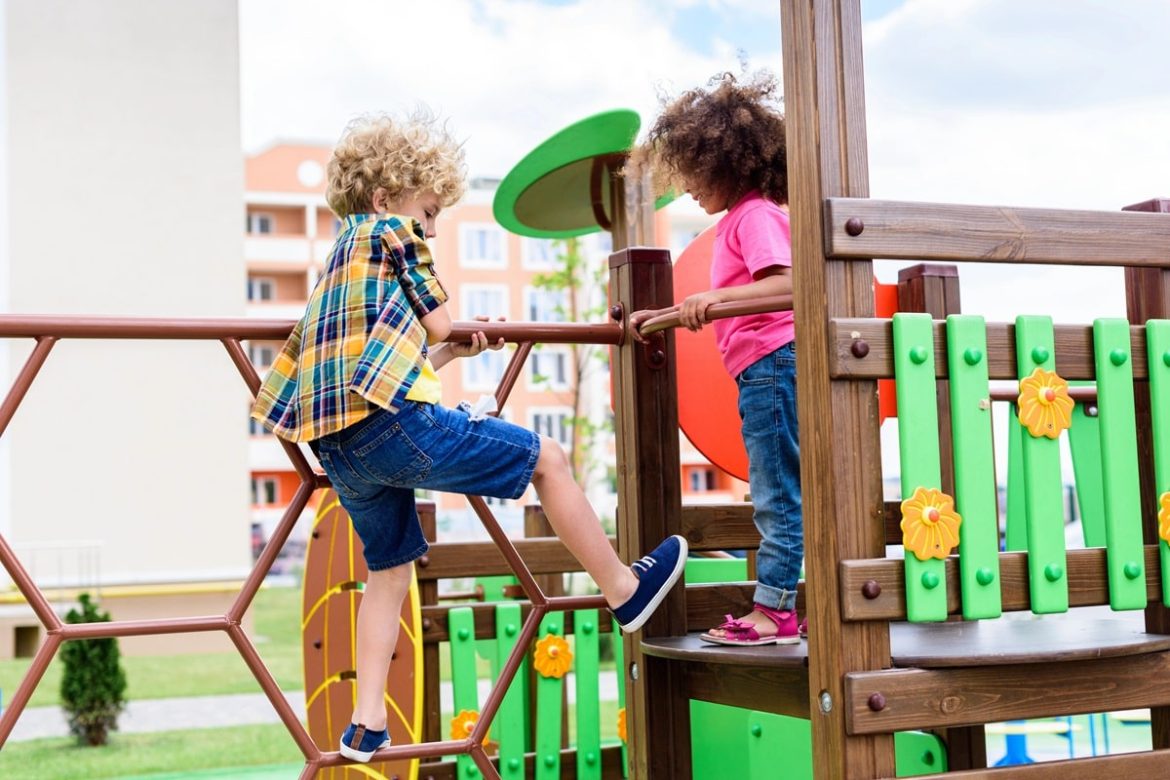
Playground safety knowledge saves lives. Every year, 17 children die from unsafe playground conditions. Your children need protection whether they play during school recess or visit the local park. A good understanding of dangers can stop serious accidents before they happen.

The numbers paint a worrying picture. School injuries happen most during recess or physical education – about 70% of all cases. Poor supervision leads to playground injuries 40% of the time. Parents and children need these safety tips to keep their families safe. Weather damage and aging equipment cause many playground accidents.

Kids need playgrounds. These spaces let them release energy, socialize, and develop physical skills. But elementary school injuries are severe enough that 10% need additional medical care. Nobody can ignore basic safety measures. In this piece, you’ll learn vital playground safety tips, injury response steps, and times to ask for legal help after playground accidents.

8 Critical Playground Safety Tips for Parents and Teachers

Every year, playground accidents send over 200,000 children to emergency rooms. Falls cause about 80% of these injuries. Proper safety measures can help protect kids from injury.

The ground surface matters most. Playgrounds need at least 12 inches of wood chips, mulch, sand, pea gravel, or safety-tested rubber mats under all equipment. This protective layer should extend 6 feet around every piece of playground equipment.

Play structures need proper spacing to be safe. Equipment taller than 30 inches needs 9 feet of space between pieces. Swings require even more room – twice the suspending bar’s height in front and back.

You should look out for dangerous spots that could trap heads, sharp edges, and exposed bolt ends. Any gaps in rails or bars must be no more than 3½ inches or no less than 9 inches to keep kids from getting stuck.

Kids’ clothing can create unexpected risks. Take off drawstring hoodies, necklaces, and bike helmets before letting children play. Kids should always wear closed-toe shoes on the playground.

Overseeing children is crucial. Stand where you can see all the kids playing. Try to avoid playground time during the hottest part of the day – between 10 a.m. and 2 p.m. Check equipment temperature since even mild 74°F days can cause severe burns.

Make sure children know the rules: one person per swing, sit on slides, and keep the play area free of obstacles.

What to Do If Your Child Gets Hurt

Kids get hurt on playgrounds every 2.5 minutes in the U.S. More than 200,000 children end up in emergency rooms each year. Your quick response can make a big difference in your child’s recovery.

Cuts need immediate medical care if they bleed for more than 10 minutes, are larger than half an inch, contain debris, or come from rusty equipment. Apply gentle pressure to the wound to stop bleeding, then clean it with water.

Head injuries need extra alertness. You must call 911 right away if your child falls more than 3 feet and hits their head. Look out for worrying signs like passing out, extreme sleepiness, severe headache, multiple episodes of throwing up, or seizures. You should also get urgent care if you see bruising around both eyes or clear/bloody fluid coming from your child’s nose or ears.

When bones break, keep the injured area still, apply ice to reduce swelling, and check for these five warning signs: severe pain, pale skin, a weak pulse, numbness/tingling, and inability to move the injured part.

A knocked-out permanent tooth needs quick action. Rinse it with warm milk or saline and hold it by the crown only. Try to put it back in within 5-20 minutes. If that doesn’t work, keep the tooth in milk while you get emergency help.

Take photos and get witness statements of the entire ordeal, then notify the playground supervisors of what happened.

When to Seek Legal Help After a Playground Injury

Your child’s medical care comes first, but you might need to think about legal options if someone’s negligence caused their playground injury. Each year, more than 20,000 children require emergency treatment for playground-related traumatic brain injuries.

Legal action makes sense when injuries result from:

  • Negligent supervision or maintenance
  • Defective or improperly installed equipment
  • Failure to meet safety standards

Property owners, playground manufacturers, schools, or even other parents could be held responsible for these injuries. You might receive compensation for medical expenses, emotional trauma, pain and suffering, and future care needs. If you’re unsure how to move forward, accessing legal help after an accident through ConsumerShield can connect you with an attorney who understands child-injury cases in your area.

Claims against government entities, such as public schools or parks, are subject to specific rules. Many jurisdictions require you to file a formal notice of claim quickly—sometimes in just six months. Your right to compensation could be lost forever if you miss this deadline, whatever the injury’s severity.

The attorneys over at West Coast Trial Lawyers always explain to families how legal procedures differ when public agencies are involved in a personal injury case. Navigating these unique statutes ensures that every procedural requirement is met before the window for recovery closes.

Private schools don’t usually have the same immunity protections as public schools. You should ask a personal injury attorney who focuses on child injury cases right after a serious playground accident. They can break down what happened, keep necessary evidence, and guide you through complex legal requirements to protect your child’s rights.

Note that while children often have until their 20th birthday to file claims in many states, parents face much tighter deadlines for medical expense claims.

In any case, it’s best to get a consultation from experienced Nevada personal injury claim attorneys (or those elsewhere) in order to get a professional opinion on the legitimacy and strength of the case against whoever may be responsible. A legal expert will be able to determine liability and advise you on the best course of action depending on who is at fault for the accident occurring.

Conclusion

Playgrounds should be safe spaces for children to enjoy and develop, not places where they get hurt needlessly. Taking proper safety measures and understanding the risks can make the difference between a fun day out and a trip to the emergency room. The safety tips we’ve shared will help you create a safer environment for kids in your care.

Watching children closely is your best defense, but knowing about proper playground surfaces, equipment spacing, and possible dangers gives you the tools to spot risks before accidents occur. Parents and teachers need to stay alert by removing choking hazards like drawstrings and necklaces, and making sure kids wear the right shoes.

Even with careful planning, accidents can still happen. Your quick response to injuries like cuts, head trauma, broken bones, or dental emergencies can affect how well a child recovers. You should document the whole ordeal, especially if negligence caused the injury.

You have legal options when playground injuries occur due to poor maintenance, faulty equipment, or safety standard violations. Deadlines for filing claims can be pretty short, especially when you have public entities involved. A qualified attorney can help guide you through these details while you focus on your injured child.

Without doubt, our children need safe places to play, explore, and grow. You become a strong supporter of playground safety by following these guidelines, handling injuries properly, and knowing your rights. Their fun and games shouldn’t stop because of injuries that we can prevent. We can work together to make sure playgrounds do what they’re meant to do—bring joy, not harm, to our children’s lives.


November 20, 2025 0 comments
0 FacebookTwitterPinterestPocketEmail
Preparing Students for High School
Teach Mama Community

Preparing Students for High School: Academic and Social Readiness

by Teach Mama November 11, 2025
written by Teach Mama

The transition from middle school to high school can feel daunting for many students. Unlike earlier years, high school demands greater academic rigor and the resilience to handle new challenges. Students must learn to balance heavier workloads, more complex social dynamics, and increased independence—all at once. With its faster pace and higher expectations, high school can initially leave students feeling overwhelmed or uncertain about their ability to succeed.

Fortunately, parents, guardians, and educators can help ease this critical transition by nurturing habits and attitudes that support both academic and social growth. When children receive proper guidance throughout middle school, they develop the skills, mindset, and confidence necessary to thrive in high school and beyond. Here are a few ways adults can guide and empower students to make that transition smoothly and successfully.

Help Them Establish a Positive Study Routine

As students prepare to enter high school, developing effective study habits becomes increasingly essential. A well-structured routine helps them stay organized, manage their time efficiently, and approach their responsibilities with greater confidence. Middle school provides an ideal window for students to experiment and discover the study environments and rhythms that work best for them—without the heightened academic pressures that often accompany high school.

To make studying a sustainable and rewarding habit, parents and educators should emphasize consistency and balance rather than focusing solely on the number of hours spent. This approach helps prevent burnout and encourages students to prioritize the quality of their learning over the quantity of time invested. Simple strategies—such as regularly reviewing materials, planning for tests or projects, and breaking assignments into manageable segments—promote focus and reduce last-minute stress. Over time, these steady, intentional efforts build discipline and give students a greater sense of control over their learning.

Encourage Active Participation in Co-Curricular Activities

Beyond academics, co-curricular involvement plays a pivotal role in shaping well-rounded students. Activities such as clubs, sports, music, or art programs give children the opportunity to explore their interests, build friendships, and develop essential life skills. Participation in these activities teaches perseverance, as well as collaboration and leadership, qualities that carry over into kids’ academic and personal lives. Moreover, these programs often provide a supportive space where students can express themselves freely and build confidence in their abilities. By encouraging participation in a variety of activities, parents and educators help nurture students’ social growth and prepare them to thrive in the dynamic environment of high school.

Enroll Them in Social Programs

Social programs offer students meaningful opportunities to develop the interpersonal and emotional skills necessary for success in high school. Programs such as community initiatives or mentorship activities provide structured opportunities for children to connect with others and build confidence in social settings. As they collaborate with peers from different backgrounds, children begin to understand how to communicate effectively, show empathy, and develop a sense of belonging within a group. Their experiences strengthen their ability to collaborate and form positive relationships with more diverse environments.

Programs that incorporate elements of social and emotional learning (SEL) can further strengthen their impact. SEL focuses on building self-awareness, responsible decision-making, and relationship skills—all of which help students navigate the social and emotional challenges of adolescence. Parents and educators can encourage participation by helping students find programs that align with their interests and comfort levels. In doing so, they empower young people to develop essential life skills that foster confidence, empathy, and a stronger sense of connection to their communities.

Promote a Growth Mindset Toward Learning and Social Interactions

During the middle school years, students face increasing academic demands and more complex social dynamics—experiences that significantly shape how they perceive their abilities and respond to challenges. When children begin to perceive intelligence or social skills as fixed traits, they may avoid complex tasks or new situations out of fear of failure. This is why fostering a growth mindset during this stage is so important.

Having a growth mindset encourages students to view effort and persistence as essential components of learning and personal development. It shifts their focus from immediate success to continual improvement, helping them understand that progress often comes through overcoming obstacles rather than avoiding them. Adults can model this attitude by acknowledging their own challenges and demonstrating how perseverance leads to growth. They can also praise students’ efforts, creativity, and improvements instead of focusing solely on outcomes. Such approaches not only help children develop academic resilience but also foster patience and empathy in their interactions with others.

Engage Them in Meaningful Real-World Experiences

Helping students connect classroom learning to real-world contexts strengthens both their academic understanding and social development. Experiences such as service learning opportunities, community volunteering, or project-based activities allow children to see how their knowledge and skills can contribute to something larger than themselves. In these settings, students learn to collaborate and solve problems with their peers while addressing authentic community needs. Once they connect academic lessons with real-life applications, they can apply them in meaningful ways, whether through environmental projects, local outreach programs, or school-based initiatives.

Adults can nurture this connection by helping students identify experiences that reflect their passions and challenge them to think beyond the classroom. They can also discuss what they learned from each experience, allowing them internalize the importance of responsibility and active citizenship.

Supporting students throughout the middle school years is an investment in their success in high school and beyond. When adults offer consistent guidance, encouragement, and meaningful opportunities for learning and growth, children develop the confidence and adaptability necessary to thrive in a more rigorous and socially dynamic environment. Preparing them in this way not only eases their transition into high school but also cultivates lifelong skills that empower them to face future challenges with purpose and optimism.

November 11, 2025 0 comments
0 FacebookTwitterPinterestPocketEmail
How Parents Can Simplify the Home-Buying Process
Teach Mama Community

How Parents Can Simplify the Home-Buying Process

by Hannah November 11, 2025
written by Hannah

Purchasing a house is generally a blend of thrill and stress, particularly for mothers and fathers who have to juggle family matters, jobs, and the never-ending list of daily chores. The entire procedure is accompanied by so many decisions to make that they even go beyond selecting a house. It’s definitely about having a house that grows with you, gives you comfort, and secures you permanently. The easiest way to start is by figuring out what is the priority of the family and then creating a good plan that not only fits the current needs but also the future aspirations.

Setting Realistic Expectations

home buying agreement

Parents quite frequently envision a future in which their children would be successful when they are buying a house. Yet, the parents’ desires must be very well articulated in the beginning of the search. The mention of non-negotiables such as proximity to schools, safe neighborhoods, and parks cuts down the number of listings to search through significantly. Being aware of the limits of one’s budget is a very good practice not only for the down payment but also for the total costs involved over a long time like maintenance, insurance, and utilities. This kind of research done before the actual buying really cuts down the chances of getting nasty surprises and it also makes the process smoother.

There are families who recognize the benefits of hiring professionals to handle the paperwork and scheduling. Those who are applying for first home buyer mortgages may need assistance in comprehending the various loan types, interest rates, and qualification requirements. The parents’ easy access to correct information from the outset not only empowers them to make decisions that are well-informed but also ones that will safeguard their family’s financial future.

Staying Organized and Focused

Amidst the school drop-offs and grocery lists, tracking home-buying paperwork can truly seem like another full-time job. But the creation of a simple system for document organization whether digitally or printed will really save you time and stress later. Furthermore, small weekly goals such as neighborhood comparisons or home tour scheduling make the process feel like a walk over rather than a workload of a mountain.

Moreover, it is important to acknowledge that house buying is not a race. Families generally feel the pressure of making hasty choices, particularly in fierce market competition, but decelerating creates breathing space for contemplation. By routinely taking a step back to examine lists and priorities, parents can sidestep impulsive choices that might not be in line with their future goals.

Some of the home buyers opt to work with buyers agents who are well-informed about the neighborhood’s future as well as its present; the market trends and pricing, and also about the whole process including negotiations. Such agents help change the way parents perceive the whole procedure and that it becomes a matter of choosing just the right place that matches their lifestyle and budget minus the stress that normally comes with it.

Involving the Family

Home-buying can become an opportunity for learning and connection. Children, especially those who enjoy exploring new spaces, can feel included by visiting open houses or helping to choose features for their rooms. Such tiny incidents instill the feeling of responsibility and promote the communication of family plans. The practice can be a parent’s way of teaching a child practical skills like saving, planning, and making decisions in a group.

It is not an easy task to weigh family opinions, but communication clears the way. The conversation of needs vs. wants is the one that to a great extent makes everybody feel acknowledged and the search still realistic. The house that gives joy and balance is often a product of common values instead of ideal layouts and glamorous renovations.

Finding Peace in the Process

Indeed the journey is not easy and may take time to become clear but one would find peace of mind through organization, clarity, and consulting the right professional. Changing the viewpoint on each step as the road of progress instead of a barrier leads to the mindset of patience and thankfulness. The small ones like obtaining pre-approval for the loan or searching for the right area give the parents a reminder that they are moving forward.

Parents intending to establish a stronghold of stability for their children should definitely consider their options. Taking the effort to read and understand, making inquiry, and relying on trustworthy sources can change the whole process from frustrating to empowering. It is a cue that the home buying process is not merely about the search for a piece of land. Rather it is about the nurturing of a family through the blessings of sharing and creating memories.

Just prior to going through the particulars of the parenting plan, there are a few notes for parents: keeping calm and being knowledgeable throughout the whole process is a huge factor. If parents treat each step in a careful manner, they will not only make the journey shorter but also be able to locate the house that mirrors the warmth, love, and dreams of their family.

November 11, 2025 0 comments
0 FacebookTwitterPinterestPocketEmail
How Home Design Shapes Family Routines and Learning
Teach Mama Community

How Home Design Shapes Family Routines and Learning

by Hannah November 11, 2025
written by Hannah

The interior of a home can, in a very minor but certain way, influence the activities of the family. The various sections of the house have a different rhythm, with the kitchen being the most active at breakfast time and the living room being the calmest during bed-time stories. Light entering, room size and interconnecting spaces, etc. are all factors which will determine the manner in which the family will be together, communicate and learn. Good home design takes into account not only comfort but also curiosity and growth as well.

When families are working with a custom home builder, they often realize that every design decision that they make is not only about aesthetics or the number of square feet. It is about making a place where the daily lives of the family become almost automatic. Good design allows kids to be helped and served over study time, makes sharing and bonding during dinner easier, and provides calming areas for relaxation. The house plan can silently instruct in the virtues of responsibility and timekeeping, demonstrating how common places can foster cooperation and courtesy.

Designing for Connection and Creativity

A home that encourages creativity often does so through its flexibility. A wide table near a window might serve as a spot for breakfast one day and an art studio the next. Children learn through exploration, and homes that provide multipurpose spaces allow for that sense of discovery. The ability to adapt rooms as needs change mirrors the lessons families teach daily about resilience and curiosity.

Design can also nurture independence. When playrooms, reading corners, and craft areas are accessible, children learn to take initiative. These spaces become quiet teachers, reminding kids to care for their belongings and manage their time. For advanced learners, having an area designed for deeper focus, a nook, a study corner, or even a well-lit hallway, creates opportunities to explore subjects that challenge them. Home design becomes a partner in education, gently guiding growth without words.

The Role of Routine in a Well-Designed Home

Family life is often poured into the spaces that are created with intention. A kitchen island that serves as a homework area for the kids keeps them around during cooking, which makes a regular routine a point of interaction and shared learning. Rooms that get natural light can help one to have a good sleep, especially when paired with a quality product like Koala’s high-quality mattress, and thus, bedtime entryways that are meant for quick sorting can make the morning less stressful. These are the design choices that might not look like much but they do have a big impact on the family life rhythm.

The more control you have over the light entering your home, the easier it is to maintain a balanced, peaceful environment for everyone in the household. Install reliable composite PVC shutters to effortlessly regulate the afternoon sun while protecting your family’s privacy during quiet indoor activities. These low-maintenance window coverings are durable enough to withstand the daily wear and tear of a busy household without warping or fading over time. Incorporating such practical design choices ultimately ensures that your living spaces remain comfortable, functional, and perfectly attuned to your family’s daily rhythms.

When it comes to a home that supports both the structure and the spontaneity, a lot of families think of it as an investment that is not going to get over. Some even get into property investment for financial freedom to be able to buy houses that can change according to their family’s needs. Apart from financial gains, this type of planning makes sure that the environment keeps on being a place for learning, laughter, and comfort through all the life stages.

However, even the most thoughtfully designed home can face disruptions that impact its ability to provide consistent comfort and functionality. Power outages, especially in regions prone to severe weather, can halt daily routines, compromise safety, and disrupt the very rhythm a home is designed to foster. Investing in reliable backup power ensures that the environment remains a haven, regardless of external conditions. For homeowners seeking to safeguard their family’s comfort and maintain essential services, exploring a reliable generator service near their location becomes a crucial consideration. This proactive step ensures that the home continues to support learning, laughter, and comfort without interruption.

Learning Beyond the Classroom Walls

A wisely arranged house captivates families and makes them realize that teaching is not over when the school day is done. Such activities like preparing dinner, putting herbs on the balcony, or moving the furniture around could all be transformed into experimenting lessons. The physical appearance of a house can support the child’s growth through these daily opportunities. A neat pantry can provide the inviting setting of teaching nutrition and math using recipes, while a bright corner of the house full of books can be the children’s playful imagination getaway.

Learning Beyond the Classroom Walls

When the design of the house favors the family’s daily routines, the children learn the universal life lessons without even knowing it. Patience is learned in the process of sharing public spaces, empathy through mutual understanding, and the quality of being inquisitive is developed through experimentation. So the families who consider their homes as places of student life are the ones who catch the idea that every space can be a potential for enlightenment. Moreover, a well-thought-out design turns ordinary acts, like setting the table for dinner or bedtime reading, into lessons of a lifetime.

Home is not just a place for the family to recharge; it is a subtle teacher that molds manners, bonds, and inquisitiveness. Interior renovation or just a new house plan, the atmosphere and the function of a house will always direct the unfolding of learning and love inside its walls.

November 11, 2025 0 comments
0 FacebookTwitterPinterestPocketEmail
Legal Lessons for Parents What to Know Before Building
Teach Mama Community

Legal Lessons for Parents: What to Know Before Building

by Hannah November 11, 2025
written by Hannah

Creating a personal and unique family space is a common aspiration. New home construction can indeed be a thrilling adventure for the family, particularly, the parents, who want to provide their children with ample space to grow, explore, and learn. Nevertheless, legal details underlying the design plans and color schemes can either make the course of the project smooth or complicated. Gaining an early understanding of these details can help families avoid anxiety later on.

It is of great assistance to know what sort of agreements are being signed and what each party’s responsibilities are before the laying down of the first brick. Contracts can seem scary as they are full of construction terminologies and fine print. Clear expectations between the family and the builder keep everyone in the same loop. Parents often find themselves dealing with a hundred other obligations, hence, early preparation makes the building process less taxing and more fulfilling.

Laying the Legal Foundation

Every project begins with a vision, but the foundation isn’t just about concrete and steel. The issue is also related to documentation. Permits, zoning changes, and building regulations all dictate what may or may not be done on the site. Very often a family overlooks the amount of time these processes can consume. Documentation done right means no hold-ups or extra costs coming up later.

Engaging experienced and reliable people who can interpret the process in simple terms is probably the most significant factor. Some families choose to do this very thing and consult professionals like developer lawyers who are not only aware of the legal aspects of a building project but also have the skills to identify possible problems and give advice on how to deal with them before they turn into trouble. Having such advisors from the beginning of the process would, in a way, keep the whole process moving smoothly and also, to a great extent, prevent the occurrence of misunderstandings which might, otherwise, cause delays in the construction of the dream house.

Choosing the Right Builder

Choosing the Right Builder

A skilled builder can realize the dreams of a family, however, picking one entails more than just a price fight. The builder’s image, manner of communication, and openness are all factors that come into play. Some moms and dads consult local pros like Mornington home builders who have a reputation for the creative side of the house and the regulatory side of the house. Builders that have good knowledge of the area laws and regulations can save time and money by not committing the error of ignoring local requirements.

Another important aspect to consider is what kind of guarantees and warranties are being offered along with the contract, and what would be the outcome if the project does not go as planned. The above-mentioned recent details might be viewed as not so significant at first, but they are indeed the family’s investment safeguard. When parents grasp these conditions, they are empowered to make choices that are in tune with their finances and future needs.

Teaching by Example

The thrill of constructing a new house is not the only thing the process gives to the family as a whole, it also provides the family with valuable lessons. The youngsters see and learn how grown-ups deal with big decisions, sufferings, and cooperations. Talking about planning, budgets, and waiting teach life skills that are not restricted to the building site. These are the times when children realize that being successful requires hard work and that difficulties are the accompaniment of any journey that is to be taken.

Moms and dads who take the project seriously are not only putting up structures and rooms, but they are also making memories that are based on the qualities of patience and cooperation. Every blueprint, signature, and inspection becomes part of a story that their children will remember long after moving day.

The Home Beyond the House

By the time the paint dries and the keys are handed over, the building journey has already shaped the family in meaningful ways. The legal steps that were once considered monotonous slowly turn out to be very important after the completion of everything. Step by step, from carefully reading the contracts to teaming up with the right people, each choice has a part in a home that feels safe and ready for the coming years.

The process of building a house, both physically and legally, gives a house very good characteristics and therefore it is not just a living place anymore. It is a place of safety and nurturing where children acquire, develop, and enjoy their skills. Families that have the patience to deal with the procedures not only develop houses with a good structure but also lay down a strong foundation for the future.

November 11, 2025 0 comments
0 FacebookTwitterPinterestPocketEmail
Tips for Building a Calm, Creative Home Environment
Teach Mama Community

Tips for Building a Calm, Creative Home Environment

by Hannah November 11, 2025
written by Hannah

A tranquil residence is often determined by the very first moments a visitor enters. The atmosphere can be immediately transformed by soft lighting, decluttered areas, and carefully selected artworks. It is common for families who spend leisure time in harmonious, well-structured spaces to feel a stronger bond and experience relaxation. The main point is not to own a designer house but to have a living space that invites serenity, concentration, and happiness during everyday activities. Selecting furniture and using colors and textures can be powerful emotional influences, promoting relaxation not only for adults but also for kids after a hectic day.

Home design could be an indirect factor in the level of serenity experienced by the inhabitants. The modern open concept has been a highlight feature of designer modular homes that attract the attention of many homeowners today due to its capability of designing spaces that provide both airiness and openness without sacrificing functionality. Such floor plans facilitate the passage of sunlight through the house and consequently help avoid the claustrophobic feeling that might come with typical construction styles. There is less maintenance required, as the less complex room arrangement contributes to a more peaceful atmosphere due to the cleanliness. When the training is bright and holds meaning, the natural course of things is that the two, creativity and mindfulness, will eventually coexist.

Creating Spaces That Inspire

Curiosity and imagination are best nurtured in children in such environments. Providing a designated space for reading, drawing, or practicing music enables children to express their inner selves smoothly and quietly. The use of bright colors or even simple wall art can completely change the mood in these areas. Thoughtfully chosen wall art does more than decorate—it shapes emotions, sparks creativity, and makes a space feel alive. When families transform photos into wall art, they add meaning and personal stories to their surroundings, strengthening a sense of belonging and identity. For parents, designing a space for work or rest could help family members recognize their roles and keep the daily schedule well organized. The idea is to build a house where every family member can think, produce, and get their energy back in a personalized way.

The equilibrium plays a major role. Excess furniture or other items can make a room look cluttered and noisy, while their absence can make the place feel cold and unwelcoming. On the other hand, the introduction of nature in any form—greenery, soft textiles, or wooden furnishings—can definitely radiate warmth and also help to calm the indoor environment. These invisible characteristics prevent the brain from becoming overly active, leaving the whole day for meditation and creative play.

The temperature inside a room is another invisible factor that changes how a space feels. If a house is too hot, it is hard to feel calm or focus on creative tasks. Many families find that a reliable cooling system is a basic part of a peaceful home. People who live in warm areas often need hvac repair summerlin to keep their indoor air at a comfortable level. This helps the home stay a true sanctuary during the hottest months. When the air is cool and fresh, it is much easier to enjoy the quiet moments of the day.

And don’t forget about your bedroom. A well-considered bed and bedding setup also contributes significantly to this balance. Since the bed is usually the visual and functional centerpiece of a bedroom, choosing the right bedding can influence both comfort and atmosphere. For a more luxurious, silky feel, sateen sheets from dozebedding.com are a great option.

Simplifying with Style

Simplicity, however, does not necessarily eliminate the need for comfort and personality. Whole house furniture packages are chosen by a lot of families as a solution to the problem of obtaining a cohesive look without the stress of mixing and matching different items. Coordinated designs help create a uniform look throughout the house, which in turn facilitates the flow from one room to another and thus brings about a feeling of order and peace. On the other hand, it also relieves the pressure of decorating, as the families can then concentrate on how they live rather than what they possess.

The compatibility between furniture and decor lessens home maintenance. Keeping the spaces tidy is simple since everything stays in its place. The family will now see the space as perfect for doing activities together, sharing meals, and enjoying quiet evenings, because the home feels calm thanks to the controller. This calm is very important, as it helps everyone do their daily chores with more patience and mindfulness, making family life seem more balanced and steady.

Nurturing a Peaceful Rhythm

Nurturing a Peaceful Rhythm

Calmness isn’t just about appearance; it’s also about home life. Small rituals like reading at night, enjoying coffee in the morning sun, and spending time on arts and crafts bring ease and comfort. These gentle actions remind us that a house isn’t just for sleeping; it’s a place for refreshment and connection.

From cooking to organizing the daily routines, the house provides paths through which people can practice mindfulness, and there will be less stress in the household. The more peaceful the home is, the more easily the creativity and curiosity of the children will be developed. A well-arranged place can be simple but must be in tune with the family’s requirements and character.

If we consider the positive aspects of these two contrasting personalities, we can say that the combination of calmness and creativity is truly remarkable, and that they can coexist in perfect harmony. Through intentional design and mindful habits, the house can serve as both a sanctuary and a hub of creativity, with each space beautifully and gently telling the story of the balance, beauty, and warmth that have been cultivated.

November 11, 2025 0 comments
0 FacebookTwitterPinterestPocketEmail
Tips for Encouraging Independent Play Outdoors
Teach Mama Community

Tips for Encouraging Independent Play Outdoors

by Hannah November 11, 2025
written by Hannah

Children are the happiest and the most playful when they are allowed to discover the outdoors themselves. Unstructured activities provide them with the chance to use their imagination, to be sure of themselves, and to learn how to solve problems. Also, nature becomes their friend through the discovery of their personal way to relate to it. It is not always the case that outdoor play is to be guided or structured. As kids are provided with a fictive and safe environment for exploration, then their daydreaming turns into reality, and the autonomy of kids is nurtured quietly

The skinniest shift in the backyard can cause a significant impact. The development of environments that promote inquiry and allow for free play encourages the kids to direct their learning and thus their explorations. Setting up a small garden, adding stepping stones, and placing climbing logs are just three examples of elements that renew the creativity of the children and hence the different types of exploration.

Building a Safe and Inviting Space

An outdoor area that is both comfortable and safe gives children the freedom to explore by themselves with confidence. Parents’ primary concern is often safety, however, skillful designing can cut down on risks and at the same time make playtime more thrilling. The most important features are those of easy maintenance and being comfortable for the feet. The reason behind artificial grass installations by many families is this. The application gives a smooth and durable coating that stays green all year long, thereby reducing the demand for taking care of it regularly and still allowing the kids to run, jump, and play freely in a safe place. 

Turning the kids’ playground into an attractive and welcoming one, it will be so simple for moms and dads to step back and let their kids experience learning through doing. Our little ones may construct a fort, reposition outdoor toys, or come up with their own obstacle course. Children will find it easier to make small choices regarding how to utilize their surroundings and that will give them a feeling of possession which in turn, will build their confidence and independence.

Encouraging Imagination and Exploration

There are numerous ways to be creative through playing outdoors. Kids hanging out in the open air come across new textures, sounds, and colors that get their imagination going. They can gather leaves, make up games, or use stones and branches to build small “worlds”. Giving children the free rein to explore and discover new things is a way of letting them acquire knowledge of the nature around them as well as being aware of their own skills.

One of the contributors to children’s independence is physical activities. By way of illustration, a kids ATV can transform a boring home day into an exciting outdoor adventure. If the activity is supervised correctly and safety precautions are in place, not only will it enable children to enjoy themselves and learn at the same time but also they will acquire motor and cognitive skills. Besides, just running around in the yard can be the source of numerous creative stories that will keep the kids occupied for hours.

Balancing Freedom and Boundaries

Promoting independence does not equate to erasing all foundations. Precise limits aid kids in comprehending what is secure but at the same time give them the chance to discover. Making straightforward rules, for instance, designating certain places that are out of bounds or scheduling when to come inside, is a way to keep the equilibrium between individual freedom and security.

The aim is to develop a pattern that enables discovering without the risk of being too strict. The kids feel secure enough to take on more things with the help of the previous routine which was all about safety. They learn to believe in their instincts, take little steps, and be taught through natural consequences in a secure place.

kids playing outdoor

Creating Everyday Adventures

The outdoor independent play of children does not require expensive toys or intricate setups as a matter of course. It will just need to have a few changes done, and the backyard can be converted into a wonderful imaginative playground. A kid could play in the soil, set up a toy-car race on the road, or create tales in the shade of a tree. It is very vital to foster curiosity and to bring up a place that promotes such explorations.

Such little instances are mostly the starting point of what children call a backyard adventure. To their advantage, they learn about space and how to move about in it, simultaneously they are building the confidence that will become their little secret during the next playtime. These milestones will in due course enable them to be independent thinkers, problem solvers, and the world will be their oyster.

Good outdoor play for children means providing them with the necessary resources, the appropriate place, and finally, the confidence to control their own playtime. When one considers design, safety, and freedom to explore as an important factor, then daily outdoor activities become fantastic times for growth, learning, and creativity.

November 11, 2025 0 comments
0 FacebookTwitterPinterestPocketEmail
Wellness Branding for Oneself Choosing Habits That Feel True
Teach Mama Community

Wellness Branding for Oneself: Choosing Habits That Feel True

by Hannah November 11, 2025
written by Hannah

Most people feel overwhelmed by the constant flow of wellness tips, products, and routines online. With so many opinions and options, it can be difficult to decide which practices are meaningful and which are simply passing fads. Many readers may recognize the feeling of trying to keep up with a routine that doesn’t quite fit, leaving them wondering if they are making the right choices for themselves.

This article explores how to create a personal approach to wellness—one that feels authentic and sustainable.

Connecting Habits with Core Values

Your values play a key role in shaping the choices you make every day. When your habits reflect what you care about most, it becomes easier to stay consistent. Think of values like sustainability, family, mindfulness, or personal growth. Each of these can guide your decisions in a way that feels purposeful.

If sustainability is part of your identity, you may prefer local foods, reusable water bottles, or eco-friendly movement options like biking or walking. If family connection is central, then shared mealtimes or weekly activities together may become part of your wellness brand. By aligning habits with values, you create routines that feel rewarding rather than forced.

Nourishing Practices That Align with Lifestyle Choices

Food, hydration, and simple routines around nourishment are central to wellness branding. What you eat and drink each day often reflects more than physical needs—it shows the kind of lifestyle you want to maintain. Preparing meals with fresh ingredients, sitting down to eat without distractions, and staying hydrated are practices that can feel both grounding and enjoyable.

Some people also choose to integrate health friendly supplements from brands like USANA Health Sciences into their lifestyle as part of these nourishing practices. When selected thoughtfully, these additions can support routines and align with an overall approach to living well. Nourishment becomes less about following strict rules and more about shaping habits that match your own identity and goals.

Movement as a Form of Personal Expression

Movement has always been part of human life, but the way you choose to move can say a lot about your personal approach to wellness. Exercise is not only about structured workouts. It can also mean dancing in your living room, going on a walk with friends, practicing yoga, or riding a bike. The goal is not to fit into a rigid program but to identify movement that feels enjoyable.

Studies show that people who choose activities they enjoy are more likely to keep them as part of their lifestyle. For example, walking outdoors can bring fresh air and light exposure, while group classes may add social connection. By viewing movement as a way to express yourself, you make it a reflection of your own wellness brand rather than a task you feel obligated to complete.

Designing Spaces That Encourage Mindful Living

The spaces around you have a strong influence on how you feel and behave. Research in environmental psychology shows that natural light, plants, and calming colors can affect mood and focus. A study from the Journal of Environmental Psychology found that exposure to greenery indoors helps people feel more relaxed and at ease.

Designing a space that encourages mindful living does not require large changes. It could be as simple as placing a plant near your desk, opening windows to let in natural light, or setting up a quiet corner for reflection. When your surroundings are supportive, your wellness practices feel easier to maintain. This connection between environment and lifestyle is an important part of building habits that reflect your identity.

Consistency and Rituals That Sustain Balance

Consistency is often what transforms small actions into lasting habits. Researchers have found that repeating a new behavior in the same context makes it more likely to become automatic. This is why rituals are so effective. They create a structure that supports your choices without requiring constant effort.

Evening rituals, such as turning off devices, dimming the lights, or writing down the day’s highlights, help mark the transition into rest. Weekly practices, like preparing meals in advance or setting aside time for a hobby, provide rhythm and predictability. The purpose of these rituals is not perfection. It is to build a gentle framework that sustains balance and aligns with your wellness brand.

Building Social Connections That Reflect Your Values

Humans are social by nature, and wellness often extends beyond individual choices. Strong social connections are linked to a greater sense of life satisfaction. A study showed that people with supportive relationships tend to feel more content and fulfilled over the long term.

Building social connections that reflect your values can be as simple as joining a community group, sharing meals with friends, or engaging in wellness activities together. For instance, group walks, cooking clubs, or mindfulness workshops bring both connection and alignment with your lifestyle. When your relationships support your values, they become a meaningful part of your personal wellness brand.

Celebrating Small Steps Without Pressure

Progress in wellness does not have to be measured by large milestones. Small, consistent steps matter just as much. Research in habit formation highlights that rewarding yourself for small achievements increases the likelihood of maintaining those behaviors. This does not have to mean physical rewards. It can simply be acknowledging progress, reflecting on how routines make you feel, or sharing achievements with others.

By celebrating small steps, you create a positive cycle of motivation without the pressure of striving for perfection. This mindset allows habits to grow naturally over time. Your wellness brand becomes less about rigid goals and more about enjoying the journey of daily choices.

Wellness branding for oneself is not about following every trend or forcing routines that do not fit. It is about shaping habits that align with your values, environment, relationships, and lifestyle. Movement, mindful spaces, consistent rituals, and meaningful connections are all part of building this personal framework.

The most important point is that your wellness brand is unique to you. There is no single formula that applies to everyone. By choosing habits that feel authentic and celebrating progress along the way, you create a balanced approach that supports both your present and future self. Small actions, when aligned with your values, can add up to a lifestyle that truly feels like your own.


November 11, 2025 0 comments
0 FacebookTwitterPinterestPocketEmail
Exploring Private or Hybrid School Options
Teach Mama Community

10 Questions Every Parent Should Ask When Exploring Private or Hybrid School Options

by Hannah November 9, 2025
written by Hannah

Parents today encounter more educational choices than at any previous time. Private schools, charter schools, hybrid programs, microschools, and structured homeschooling networks now operate alongside traditional public schools.

In addition to these models, many families now consider an online school as a flexible alternative that can complement or replace traditional in-person instruction. Options such as EduWW appeal to parents who want greater control over scheduling and learning pace, especially when a child benefits from a more personalized learning environment that adapts to the student – not the other way around.

This expansion creates meaningful opportunities to find the right environment for a child, but it also requires precise evaluation. Selecting a school is not only an academic decision, but also a personal one. It affects a child’s sense of identity, confidence, long-term development, and daily quality of life.

Funding considerations should occur early in the evaluation process. Some states offer education savings account programs that enable families to allocate state funds toward private school tuition, tutoring, specialized curricula, or hybrid instructional models.

For instance, the Empowerment Scholarship Account program permits eligible families to use state educational funds to access approved private or hybrid programs. This type of funding changes how families compare school options. The decision shifts from an automatic default to a thoughtful assessment of fit, value, and expected learning outcomes.

The ten questions that follow provide a structured approach to evaluating private and hybrid school options. They encourage analysis of practical realities rather than promotional language, and support decisions grounded in clarity rather than pressure, reputation, or assumption.

1. What is the school’s educational philosophy, and how does it influence day-to-day learning?

Most schools express their philosophy in mission statements, brochures, and enrollment conversations. However, philosophy matters only when it is reflected in actual classroom practice. A school may describe itself as experiential, classical, inquiry-based, or academically intensive, but what matters is how those ideas translate into instruction.

A parent should request specific examples of lesson structure, assessment, student work samples, and classroom routines. A school that claims to prioritize critical thinking should show how students analyze primary sources, form arguments, or present findings. A school that emphasizes project-based learning should provide examples of multi-week projects, interdisciplinary instruction, and demonstration of mastery. The purpose is to confirm that the philosophy is active and not merely descriptive.

Children succeed when the instructional method aligns with their learning style. A highly structured environment benefits students who prefer clear expectations and routine, while an discussion-focused climate may suit students who learn through interaction. Evaluating philosophy through direct demonstration adds reliability to the decision.

2. How experienced are the teachers, and how does the school support their professional growth?

Teacher quality remains one of the strongest predictors of student success. Research from Stanford University and the National Bureau of Economic Research confirms that teachers matter more to student achievement than any other school-related factor. The experience level of teachers, the consistency of the teaching staff, and the school’s investment in professional development all shape student learning outcomes.

A parent can ask how many years of experience the average teacher holds, whether teachers hold relevant certifications, and how often the school provides training or instructional coaching. Schools that maintain strong teacher retention rates tend to have stable leadership, aligned expectations, and a healthy school culture. Schools with frequent turnover often struggle with inconsistent instruction or unclear organizational direction.

Support for teachers is also important. Schools that encourage peer collaboration, structured mentorship, and reflective instructional improvement deliver more consistent outcomes for students. When teachers feel valued and prepared, the classroom environment benefits.

3. What is the student-to-teacher ratio, and how does the school address students with different learning needs?

Class size affects the amount of direct attention a student receives, the pace of instruction, and the teacher’s ability to adapt lessons. According to research reviewed by the National Education Association, smaller class sizes significantly improve student achievement, particularly in early grades. A smaller ratio often allows for individualized support in reading, writing, mathematics, or subject-specific challenges. A larger setting may rely more on whole-class instruction, which works well for some students but not for others.

A parent should ask how the school identifies students who need additional support, how intervention is delivered, and whether specialized staff are available to work with students who require targeted skill development. Some schools provide in-class support, others use pull-out programs or private tutoring partnerships. Hybrid programs may rely on families to coordinate supplemental instruction, which can be either a benefit or a burden, depending on the available resources.

The essential question is whether the school has a system for responding to variation in student ability, rather than assuming that one pace fits all learners.

4. How is student progress measured and communicated?

Clear and consistent assessment practices allow parents, teachers, and students to work from a shared understanding. Assessment can include tests, written assignments, oral presentations, portfolios, or performance tasks. The method matters less than the clarity of how progress is tracked over time.

A parent should request examples of report cards, progress reports, or grading guides. The school should be able to explain how it evaluates mastery of skills, identifies gaps, and responds when a student begins to fall behind expectations. Frequent, constructive feedback supports student growth more effectively than high-stakes testing alone.

Communication also plays a role. Parents should be informed about when they can expect updates, how to contact teachers, and how the school addresses academic concerns. Schools with transparent communication practices tend to have stronger family relationships and more effective instructional support structures.

5. What role does technology play in learning?

Technology can expand access to information, personalize learning experiences, and develop digital literacy. However, technology must be purposeful. Schools should be able to explain why specific tools are used and how they support learning objectives.

A parent should ask whether the school uses a one-to-one device model, how much screen time occurs during the day, which academic platforms the school relies on, and how teachers integrate digital resources with classroom instruction. Policies regarding device use during breaks and independent work time also matter, since they influence student focus and attention habits.

A balanced approach uses technology to reinforce content and skill development, while maintaining meaningful interaction between students and teachers.

6. What academic and personal support services are available to students?

Students benefit from strong academic support, counseling resources, and opportunities for extension or enrichment. Support can include tutoring, literacy intervention, writing centers, counseling services, speech or occupational therapy, or programs for advanced learners. Hybrid programs often allow families to supplement these services externally.

In states where education savings account programs exist, some families use their allocated funds to pay for tutoring or specialized instruction when schools do not provide these services directly. This flexibility helps families tailor support, but it requires a clear understanding of service boundaries and eligibility.

A parent should ask which supports the school provides, which require additional fees, how support is accessed, and how students are referred for further help. Effective support systems respond to individual needs rather than expecting all students to progress at the same pace.

7. How does the school approach culture, discipline, and values alignment?

School culture influences how students experience learning and their engagement with peers and teachers. Culture is reflected in classroom expectations, communication practices, conflict resolution systems, and the relationships among staff, students, and families.

A parent should ask how the school establishes behavioral expectations, how conflicts are handled, and how accountability is communicated. A school should be able to articulate the values that guide its decisions and explain how those values shape its interactions. Alignment between family values and school culture contributes to a stable and supportive learning environment.

A positive culture promotes respect, responsibility, and confidence. A school that manages behavior proactively, rather than reactively, creates an environment that supports emotional security and academic focus.

8. What expectations exist outside the classroom?

School experience involves more than instructional time. Commute schedules, extracurricular activities, homework expectations, and family communication obligations all influence daily routines.

A parent should ask about transportation options, after-school care, athletic and arts programs, and time commitments for evening work. Homework expectations vary widely. Some schools emphasize independent practice, while others prioritize integrated project work or reflection. The level of expected family involvement should also be clearly defined, as some schools require more parent participation than others.

A well-matched school supports both academic engagement and a healthy balance between family life and educational pursuits.

9. How does the school manage cost, funding, and financial transparency?

Cost should be evaluated in relation to value. Tuition may cover only core instruction, or it may include materials, technology, extracurricular programs, and field experiences. Fees should be clearly communicated.

Some schools offer guidance to families who use scholarships or state-funded educational choice programs. A school familiar with education savings account models, including the ESA program, can help families understand application timelines, vendor approval processes, and documentation requirements. This guidance can make private or hybrid education more accessible.

A parent should request a comprehensive cost schedule that includes payment terms, refund policies, and any additional fees for supplemental services. Financial transparency protects families from unforeseen costs and allows budgeting with confidence.

10. What long-term outcomes does the school support?

Parents should consider how the school prepares students for future academic pathways. A school should demonstrate evidence of student growth, readiness for the following grade levels, and successful transition to high school or college.

A parent can inquire about graduate outcomes, standardized assessment data (where applicable), college counseling programs, and opportunities for career exploration or advanced study. Schools should be able to articulate the skills and attributes they aim to develop in students, such as critical thinking, collaboration, self-management, and resilience.

A strong educational environment fosters both academic skills and lasting readiness for diverse postsecondary pathways.

Conclusion

Selecting a private or hybrid school requires careful evaluation grounded in clarity and realistic expectations. The right environment supports academic growth, emotional development, and personal identity formation. The questions in this guide help parents determine whether a school’s philosophy, instructional approach, support systems, culture, logistics and financial structure align with their child’s needs and family priorities.

Educational choice offers possibilities. Informed decision-making ensures that these possibilities translate into meaningful learning and long-term success.

November 9, 2025 0 comments
0 FacebookTwitterPinterestPocketEmail
How to Plan a Family Trip Everyone Will Actually Enjoy
Teach Mama Community

How to Plan a Family Trip Everyone Will Actually Enjoy

by Hannah November 5, 2025
written by Hannah

Family vacations sound wonderful until you start planning them. Between balancing everyone’s preferences, finding activities that keep kids entertained, and making sure parents get a little downtime, it can quickly start to feel like more work than fun. But when done right, a family trip can be one of the most rewarding experiences you’ll ever share.

The secret isn’t about creating a perfect itinerary. It’s about creating space for connection, fun, and relaxation. A great family vacation allows everyone to unplug, laugh, and make memories without feeling rushed or overwhelmed. And choosing the right destination plays a big role in that.

For example, if your family loves nature, adventure, and cozy time together, Pigeon Forge, Tennessee, is an ideal spot. This scenic town in the Smoky Mountains offers everything from mountain views to family-friendly attractions and outdoor adventures. Whether you’re hiking, shopping, or just soaking in the mountain air, it’s the kind of place where everyone can find something they enjoy.

Start with the Right Space: Where Comfort Meets Connection

One of the most important parts of planning a successful family trip is finding the right place to stay. The accommodations you choose can make or break your experience, and for families, space truly matters. After a long day of sightseeing or exploring, you’ll want somewhere you can unwind comfortably, share meals, and enjoy being together.

Booking a large cabin in Pigeon Forge is a great way to make your family trip stress-free and memorable. These spacious, mountain-view cabins provide multiple bedrooms, full kitchens, and cozy living areas, giving everyone the privacy they need while keeping the group connected. Many also come with fireplaces, game rooms, hot tubs, and decks overlooking the Smoky Mountains, perfect for ending the day together without feeling crowded.

Hearthside Cabin Rentals specializes in providing family-friendly accommodations throughout Pigeon Forge and the surrounding Smoky Mountains. Their cabins range from intimate spaces for small families to large lodges that can host family reunions or multi-generational trips. With amenities designed for comfort and convenience, they make it easy to relax, cook together, and create the kind of family time that’s hard to find anywhere else.

The right cabin doesn’t just give you a place to sleep. It creates a home base for bonding. You can start your mornings with pancakes around the table, take a short drive to local attractions, and come back in the evening for a family movie or board game night. It’s the perfect mix of relaxation and adventure.

travel plans for family

Plan Together, But Keep It Flexible

The best family trips are the ones where everyone feels included. Before you set your itinerary, gather input from each family member, even the kids. Let everyone choose one activity they’re excited about. Maybe one person wants to visit a theme park, another prefers hiking, and someone else wants a quiet day by the cabin fire. When everyone has a voice in the plan, they’re more likely to enjoy the experience.

That said, it’s also important to leave room for flexibility. Not every day needs to be scheduled. Some of the most memorable moments come from unplanned adventures, discovering a local café, stumbling upon a beautiful viewpoint, or spending an afternoon playing outside. Build in downtime so no one feels rushed or exhausted. Family vacations should feel like a break, not a checklist.

Keep Everyone Entertained

One of the biggest challenges in planning a family trip is keeping all ages entertained. Fortunately, Pigeon Forge and similar family-friendly destinations make it easy. From interactive museums and mini-golf courses to ziplining and mountain coasters, there’s something for everyone.

But entertainment doesn’t always have to mean big outings. Sometimes, the best memories are made in small moments, roasting marshmallows by the fire pit, playing cards in the living room, or taking a quiet morning walk. Make sure your schedule includes a mix of active adventures and simple relaxation.

If your cabin has amenities like a pool table or movie room, take advantage of them. Having built-in entertainment right where you’re staying gives you options for rainy days or evenings when everyone wants to hang out.

Pack Smart, Stress Less

Packing for a family trip can feel overwhelming, but a little organization goes a long way. Start by making a checklist for each family member, clothes, toiletries, medications, chargers, and comfort items. Designate a shared bag for essentials like snacks, water bottles, and travel documents so you can grab what you need quickly.

If you’re staying in a cabin, you’ll likely have access to a full kitchen, so you can bring groceries or shop locally to prepare your own meals. It not only saves money but also allows for family dinners that feel more personal. A night cooking together can be as fun as going out.

Remember that packing light doesn’t mean forgetting the fun stuff. Bring games, books, or a favorite blanket for cozy evenings in. The goal is to have everything you need without overpacking, because nothing dampens vacation spirit like sorting through clutter.

Embrace Local Flavor and Culture

Part of what makes a family trip special is exploring something new together. Whether it’s trying Southern-style barbecue, visiting a local artisan shop, or exploring the Great Smoky Mountains National Park, immersing your family in the local culture makes the experience richer.

Encourage kids to get involved; maybe they can pick a new dish to try or learn a bit about the area’s history. These small moments turn a vacation into an adventure. You’ll not only see new places but also strengthen your bond as a family by sharing discoveries and experiences.

Capture Memories, Without Losing the Moment

It’s easy to get caught up in documenting every part of your trip, but don’t forget to be present. Photos and videos are wonderful keepsakes, but sometimes the best memories are made when you put the camera down. Try setting aside time for family photo sessions, then enjoy the rest of the day without distractions.

Encourage everyone to share their favorite moments at the end of each day, whether it’s a funny moment, a beautiful view, or a small act of kindness. These reflections help you appreciate the trip while it’s happening, not just after it’s over.

When you plan a trip that balances comfort, flexibility, and connection, family travel becomes something everyone genuinely enjoys. It’s not about doing everything perfectly; it’s about spending quality time together. By choosing the right space, like a spacious cabin surrounded by nature, and allowing room for spontaneity, you set the stage for laughter, growth, and unforgettable memories.

The best family trips aren’t just about where you go but how you experience it, together. Whether you’re exploring the mountains, cooking a family meal, or sharing stories by the fire, these moments become the heart of your family’s story.

So, when you’re ready to plan your next getaway, focus less on making it picture-perfect and more on making it yours. Because in the end, the best trips are the ones everyone actually enjoys, not for what you do, but for who you share them with.

November 5, 2025 0 comments
0 FacebookTwitterPinterestPocketEmail
Travel Planning Tips Every Family Needs
Teach Mama Community

From Dream to Departure: Travel Planning Tips Every Family Needs

by Hannah November 5, 2025
written by Hannah

Whether it’s a weekend escape or a full vacation, a well-thought-out approach makes the difference between a rushed getaway and a relaxing adventure. Gatlinburg, Tennessee, is one of those rare destinations where mountain beauty meets cozy comfort and endless excitement. Nestled at the gateway to the Great Smoky Mountains National Park, it’s a place filled with scenic views, charming shops, and activities that appeal to both adults and children. Before heading out, it helps to think about where to stay, what to do, and how to make every moment count. With a little organization, your upcoming mountain escape can become your most enjoyable one yet.

Here’s how you can plan for your trip:

Start with a Family Vision Board

Before booking anything, it’s helpful to sit together and create a simple vision board. This can be digital or physical. This will help gather everyone’s ideas about what they’d like to do. Some might want to visit theme parks, while others may prefer scenic drives or quiet evenings. By visualizing everyone’s interests, you’ll avoid confusion later on and set clear expectations. Adding photos or short notes can help everyone feel involved. This approach turns decision-making into an enjoyable activity rather than a stressful task, helping you balance relaxation, fun, and togetherness throughout your time away.

Finding the Perfect Stay

Choosing where to stay is one of the most important parts of any mountain getaway. Auntie Belham’s Cabin Rentals makes it easy to find the right fit with options like cozy spaces ideal for small groups. Their 2 bedroom cabin rentals in Gatlinburg offer privacy, comfort, and convenient access to nearby attractions such as the Gatlinburg SkyPark. Each cabin is thoughtfully furnished, offering a warm atmosphere that feels just like home. With amenities such as hot tubs, fireplaces, and full kitchens, it’s easy to settle in and enjoy your time in the mountains while staying close to the heart of Gatlinburg.

Best Attractions to visit

Research the Best Attractions Ahead of Time

Taking time to look into the must-see spots before arriving can save a lot of confusion later. This town offers plenty of well-known attractions, including Anakeesta, Gatlinburg Space Needle, and Ober Mountain Adventure Park & Ski Area. Each spot offers something special, whether it’s stunning mountain views or fun activities. A quick online search can reveal opening times, ticket options, and helpful visitor reviews. Organizing your schedule beforehand can help you get the most out of your experience while avoiding long lines or missed opportunities. Having a list of a few backup choices is also a good idea for rainy or quiet days.

Budget Smartly Without Sacrificing Fun

Vacations can add up quickly, but that doesn’t mean you need to limit your experiences. Start by setting a reasonable spending plan that includes accommodations, meals, entertainment, and souvenirs. Look for package deals, discount passes, or free community events. Preparing simple meals or snacks can also help reduce costs. Booking popular spots early often saves money, especially during peak times. Many attractions have online discounts, which are worth checking before arrival. Setting aside a little extra for spontaneous treats, like local crafts or sweets, keeps things flexible. With thoughtful spending choices, you can balance comfort, entertainment, and relaxation without unnecessary stress.

Pack Strategically for Every Family Member

Packing can quickly get overwhelming, especially when different people have different needs. Create a checklist a few days before you leave to keep things simple. Include comfortable clothing, good walking shoes, and layers for changing mountain weather. Don’t forget chargers, medications, and entertainment items for downtime. Packing reusable water bottles and snacks is another smart move, especially for long days outside. Rolling clothes instead of folding them saves space and prevents wrinkles. Keeping one small bag for essentials, like wipes, hand sanitizer, and sunscreen, makes it easy to grab what you need during outings. A little organization saves a lot of time later.

Plan Your Meals Around Family Favorites

Food can make or break any getaway, especially when everyone has different tastes. This town is home to some local favorites such as The Pancake Pantry and Crockett’s Breakfast Camp, which are known for hearty breakfasts and friendly service. When planning meals, mix local dining with some easy home-cooked options if your stay includes a kitchen. Booking tables ahead of time helps avoid long waits at busy restaurants. It’s also smart to carry quick snacks for energy during outdoor activities. Trying one new local dish together can turn mealtime into a fun shared experience everyone remembers fondly.

Stay Connected Without the Family Travel Stress

One thing that has made family travel much easier for us over the years is making sure we have a dependable way to stay connected the moment we arrive at our destination. Whether you’re navigating a new city, looking up family-friendly restaurants, checking attraction hours, or staying in touch with relatives back home, having internet access can save a lot of frustration.

Instead of relying on public Wi-Fi or searching for a local SIM card after landing, many parents are now choosing a reliable travel eSIM before their trip. Setting up your mobile data in advance can help you access maps, translation apps, transportation information, and important travel documents right from your phone. This is especially helpful when traveling with kids, since unexpected delays or last-minute changes are often part of the adventure.

Having a backup connection also provides extra peace of mind. If plans change, flights are delayed, or you need to quickly find a nearby pharmacy, grocery store, or family-friendly activity, you’ll be able to do so without scrambling for a Wi-Fi signal. For busy parents, a little preparation before departure can make the entire trip feel smoother and more enjoyable.

Schedule Downtime Between Adventures

It’s tempting to fill every moment with activity, but breaks are just as important. After exploring attractions or shopping downtown, take time to rest. This town has plenty of scenic spots, like Gatlinburg SkyBridge, where you can slow down and soak in the views. Quiet mornings with coffee or evenings by the fire can help everyone recharge. Scheduling downtime allows you to enjoy each experience more fully without feeling rushed. It also gives time for reflection, laughter, and bonding that often becomes the highlight of the trip. Balance makes every getaway more memorable and meaningful.

Make Room for Spontaneous Fun

Even the best-prepared plans work better with flexibility. Allow space for unplanned moments, like discovering a roadside shop or stopping for handmade fudge. The downtown streets are full of surprises, like unique art stores, candy shops, and fun photo spots. Sometimes, the most memorable moments happen when you least expect them. Don’t worry if you miss one planned stop; go with what feels right in the moment. Staying open to unexpected opportunities keeps the experience light and enjoyable, giving everyone a sense of adventure and connection that rigid schedules often miss.

A successful getaway begins with thoughtful preparation, clear communication, and a touch of flexibility. This destination offers the perfect mix of mountain charm, relaxation, and excitement for everyone. With the right stay, balanced plans, and a focus on connection, every moment can bring joy and laughter. Remember that the best vacations are not just about where you go, but how you enjoy the time spent together. When everything falls into place, from cozy lodging to shared meals, your journey truly becomes the perfect blend of comfort and unforgettable memories.

November 5, 2025 0 comments
0 FacebookTwitterPinterestPocketEmail
Family Travel Without the Stress Tips for a Smooth Trip
Teach Mama Community

Family Travel Without the Stress: Tips for a Smooth Trip

by Hannah November 5, 2025
written by Hannah

Family vacations are supposed to be fun, a time to relax, explore new places, and make memories together. But for many parents, the idea of traveling with kids can trigger more anxiety than excitement. Between packing, planning, and keeping everyone happy on the road, family travel can sometimes feel more like a test of patience than a break.

The good news? It doesn’t have to be that way. With the right mindset and preparation, you can turn potential chaos into calm and actually enjoy your time together. Whether you’re taking a weekend road trip or heading to a scenic destination like the Smoky Mountains, the secret to a smooth family trip lies in planning, staying flexible, and choosing the right environment that brings comfort and connection.

The Smoky Mountains are one of America’s most beloved family destinations, a blend of breathtaking scenery, fun attractions, and peaceful moments that remind you why you wanted to get away in the first place. From hiking trails to family-friendly entertainment, this area makes it easy to create meaningful memories without the stress. And that sense of balance starts with one simple decision: where you stay.

Choose the Right Stay for Your Family’s Needs

Every great family trip begins with the right place to call “home” while you’re away. The right accommodations can make all the difference between feeling overwhelmed and feeling at ease. You’ll want space for everyone to relax, amenities that make life easier, and a location close to the attractions you plan to enjoy.

If you’re planning a trip to the Smokies, finding the perfect Smoky Mountains lodging can set the tone for your entire vacation. Whether you’re waking up to a mountain sunrise or winding down after a day of exploring, the right cabin gives your family comfort, privacy, and convenience all in one. The area offers a variety of spacious, family-friendly options that let you cook your own meals, enjoy scenic views, and unwind without the hustle and bustle of crowded tourist spots.

Visit My Smokies, a travel guide for the Smoky Mountains, helps families plan every part of their trip, from finding beautiful cabin rentals to exploring the best local attractions, dining spots, and outdoor adventures. Their resources make it easy to tailor your stay to your family’s interests, whether you’re looking for peaceful nature escapes, kid-friendly fun, or a little bit of both.

By choosing lodging that matches your family’s pace and needs, you eliminate one of the biggest sources of travel stress: exhaustion. When everyone has room to breathe, eat, rest, and laugh together, your vacation becomes exactly what it’s meant to be: a time to recharge and reconnect.

Plan, but Stay Flexible

Planning is essential, but perfection isn’t the goal. Start with a basic itinerary, what attractions you’d like to visit, where to eat, and any must-see spots, but leave room for spontaneity. Kids get tired, the weather changes, and sometimes the best memories come from the unplanned moments.

When heading to destinations like the Smoky Mountains, check local weather conditions and attraction schedules in advance. Make note of the scenic drives, trails, and family activities nearby, but don’t feel pressured to do it all. Give yourself permission to slow down and enjoy the experience, even if it means skipping something on your list.

Pack Smarter, Not Heavier

Packing is one of the biggest stressors of family travel, but it doesn’t have to be. Start with a checklist and focus on essentials, comfortable clothes, toiletries, medications, and favorite items that keep your kids happy and calm.

Think in terms of convenience. Pack a “day bag” with snacks, wipes, chargers, and small games to keep everyone entertained during long drives or flights. For the rest, less is usually more. The Smoky Mountains area has plenty of stores and local shops if you forget something, so you don’t need to bring your entire home with you.

Using packing cubes or labeled bags can help keep things organized, especially if you’re staying for several days. Unpacking into drawers or closets at your cabin can also make your space feel more like home, which helps everyone settle in faster.

Keep Travel Days Calm

Travel days tend to bring out everyone’s stress, from early alarms to long car rides or busy airports. The key is to set a calm tone from the start. Leave early, build in extra time for breaks, and pack plenty of patience. If you’re driving to the Smokies, plan short stops to stretch and enjoy the view. The journey itself can become part of the adventure when you let go of the rush.

For younger kids, bring small activities or downloaded shows to keep them engaged. For older kids, involve them in navigation or playlist selection. Keeping everyone busy and positive helps prevent boredom and bickering.

Most importantly, stay flexible. A delayed flight or unexpected traffic jam isn’t the end of the world. It’s an opportunity to model resilience and adaptability. When you stay calm, your kids learn to do the same.

travel with family without stress

Balance Exploration with Rest

It’s tempting to fill your itinerary with as many activities as possible, especially in a destination as exciting as the Smoky Mountains. But trying to do it all can quickly lead to burnout. The best trips balance adventure with downtime.

Schedule one main activity per day, maybe a scenic hike, a visit to a local attraction, or a fun family outing, and leave the rest of the day open. That gives you room to relax, nap, or enjoy the peaceful views from your cabin porch.

Remember, kids often find joy in simple things: roasting marshmallows, spotting wildlife, or playing a board game. Allowing time for rest and unscheduled fun ensures everyone stays happy and energized throughout the trip.

Make Memories That Matter

When you think back on your favorite family trips, it’s rarely the perfect itinerary you remember. It’s the moments that made you laugh or brought you closer together. That’s what family travel is all about.

Encourage everyone to be present. Take photos, of course, but don’t spend the entire time behind the camera. Have real conversations, share stories, and make space for connection. A great way to capture the experience is by keeping a family travel journal or letting your kids draw or write about their favorite parts of the day.

Those small moments, playing in a creek, watching a sunset, or cooking together, become the stories your family will tell for years. They remind you that travel isn’t about doing more; it’s about being together.

Family travel doesn’t have to be stressful. With a little preparation, a flexible mindset, and the right accommodations, you can turn every trip into a meaningful, enjoyable experience.

In the end, the most successful family trips aren’t the ones that go perfectly; they’re the ones that bring everyone closer. When you prioritize comfort, laughter, and connection, you’ll find that the journey itself becomes just as special as the destination.

November 5, 2025 0 comments
0 FacebookTwitterPinterestPocketEmail
Enhancing Children's Learning Through Interactive Coding Games
Teach Mama Community

Enhancing Children’s Learning Through Interactive Coding Games

by Hannah October 23, 2025
written by Hannah

Games have long been known as a fantastic way to improve learning and overall cognitive abilities in both children and adults. Coding, on the other hand, is similarly famous for being very intellectually stimulating, at least in most of its iterations.

Interactive coding games are a fantastic way to introduce children to technology in a hands-on, engaging way. Instead of just consuming content, kids get to create, experiment, and problem-solve as they build their own projects. Alongside these games, an AI course for kids can also help expand their understanding of how technology works behind the scenes, giving them a broader foundation in the digital skills they’ll use for years to come.

1. Nurtures creativity

Activities that nurture children’s creativity are always crucial for a child’s development. Drawing, constructors, and reading have been used for this aim for centuries, but coding games are an arguably superior method to all its predecessors.

Coding games don’t just teach kids how to write code, they empower them to think of interesting things they can build with that code, what interesting games and puzzles they can create, and even the stories they want to write within those games.

2. Enhances logical thinking

The very act of coding is a logically challenging endeavor and thus pushes kids to improve their logical thinking. In the same way, doing arithmetic or playing cognitive games (chess, checkers, go, etc.) from an early age improves kids’ logical thinking, so do coding games. Except, coding games are much more interactive than merely learning arithmetic and are much more multi-faceted than just staring at a chessboard all day.

3. Teaches resilience and persistence

Coding is difficult, there is no way around it. Kids’ interactive coding games are, of course, designed to be at or near kids’ cognitive capabilities, but the activity is still inherently challenging because the better your kid becomes, the more challenging coding tasks there are to tackle.

This can be a tricky dynamic to incorporate into a child’s habits, as many kids (and people, in general) tend to give up when things become difficult. That’s why some kids do better with tutors, for example.

However, another thing that makes interactive coding games so perfect for your child’s learning is that this type of coding has a built-in reward stimulus. The moment your child manages to write a given piece of code properly, they can immediately see the results. The big benefit of this is that once the initial impulse of persisting through the challenging bits is acquired, your child will continue growing more and more resilient to challenges, which is one of the best skills to have as they continue growing and learning new things.

4. Boosts confidence

One of the greatest joys in life is to put effort into something and then rejoice in what you’ve managed to build with your own two hands. Now, coding games aren’t exactly like building a tree house, as they continue to stay in the computer and not in physical space. 

However, they still bring a similar kind of joy because they are something your child has spent X number of hours to create and then they can play with and showcase the fruits of their labor.

This isn’t just fun, it’s an excellent confidence builder and teaches children the value of delayed gratification, i.e. that it’s often good to ignore the immediate gratification offered by certain activities and put in the extra effort to make something extra satisfying. And this is a great lesson to imprint early on in a child that has much more learning left to go through.

Coding games for kids

5. Gives kids their own space for learning and creativity in the house

Having different spaces around the house set up for different activities is as key for kids as it is for adults. We all know it’s a bad idea to set up your home office in your bedroom because you simply won’t be in a productive mood there. Yet, when it comes to kids, we usually don’t do much for their learning environment other than putting a desk in their bedroom.

Instead, if you put the effort to set up a coding environment for your child, this will not only make their coding efforts much more productive, but it also makes for an overall excellent learning space.

6. Improves structural and pattern-spotting thinking

Even more so than constructors and puzzles, interactive coding games are probably the ideal way to teach kids pattern-spotting and structural thinking. The exact effectiveness of this will vary from one coding task to the next, but overall coding games involve a lot of modular modeling. 

7. Pushes algorithmic thinking

“Algorithm” sounds like a big word for most kids to learn, but algorithmic thinking is something that can easily be developed from an early age. Coding is excellent for that as an algorithm is a replicable action that always leads to a particular result. And this is pretty much what coding is all about.

8. Gives kids an invaluable skill that’d be useful later in life

While this last point isn’t about enhancing your child’s learning per se, it is still one of the biggest benefits of teaching your kid to code early on. Unlike many other activities that also help develop your child’s brain and learning, coding isn’t just something to play with, it’s a skill they can use professionally later on in life!

October 23, 2025 0 comments
0 FacebookTwitterPinterestPocketEmail
Best Slime Bundles for Creative Play 5 Must-Have Collections in 2025
Teach Mama Community

Best Slime Bundles for Creative Play: 5 Must-Have Collections in 2025

by Hannah October 13, 2025
written by Hannah

The slime revolution is here, and it’s bigger than ever! What began as a simple children’s activity has evolved into a sophisticated world of curated collections that captivate imaginations and offer genuine wellness benefits. These aren’t just toys – they’re gateways to relaxation, creativity, and pure sensory joy.

Slime bundles have revolutionized our approach to tactile play. Instead of choosing between individual containers, these thoughtfully assembled collections offer complete experiences that transport you to different worlds. Picture opening a bundle and discovering an entire ice cream shop’s worth of realistic textures and scents, or unwrapping a cozy autumn collection that smells like warm spices and feels like comfort in your hands.

The magic lies in the curation. Expert slime makers carefully balance different textures, colors, and themes to create cohesive stories that unfold through touch and smell. These collections have become essential tools for stress management, creative expression, and simply bringing more joy into everyday life.

What Sets Premium Slime Collections Apart?

Thoughtful Theme Development
The best slime collections don’t just throw random slimes together – they craft immersive experiences. A well-designed collection might take you on a journey through different seasons, recreate the atmosphere of your favorite places, or bring beloved characters to life through carefully chosen textures and scents.

Quality Over Quantity
Superior collections prioritize exceptional materials and craftsmanship over sheer volume. Each slime should offer distinct sensory properties while maintaining consistent quality standards. The containers, labeling, and presentation should reflect the care put into creating each piece.

Sensory Diversity
Outstanding bundles feature a range of textures that complement each other, offering variety. You might find cloud-like fluffiness paired with smooth, glossy textures, or discover collections that progress from simple to complex sensory experiences.

Authentic Storytelling
The most memorable collections have genuine stories behind them. Whether it’s a family business sharing their passion or artists expressing their creativity, authentic collections connect with users on an emotional level that mass-produced alternatives simply cannot match.

5 Outstanding Slime Bundle Creators

Poppy Mello Slimes

Step into a world where creativity meets family tradition with Poppy Mello Slimes’ exceptional themed slime bundles. This heartwarming family business showcases the artistic talents of three young sisters who pour their imagination into every handcrafted creation. Their K-Pop Demon Hunters Collection demonstrates their ability to capture current trends while maintaining the quality and care that defines their brand.

Each collection tells a unique story through carefully selected colors, textures, and themes that resonate across age groups. From mystical adventures to pop culture celebrations, their bundles transform ordinary play sessions into extraordinary journeys. The attention to detail in packaging and presentation makes every order feel like receiving a personal gift from friends.

Perfect for: Families seeking authentic, story-driven play experiences, collectors who value handmade quality, and gift-givers looking for something truly special that supports small business artistry.

Mythical Mushbunny Slimes

Experience the art of seasonal storytelling through Mythical Mushbunny’s masterfully crafted Cozy Fall Collection. This brand has elevated slime creation to an art form, specializing in collections that capture the essence of nature’s changing seasons. Their fall bundle wraps you in the warmth of autumn with rich, spiced scents and textures that evoke cozy evenings and colorful landscapes.

What distinguishes their approach is the meditative quality built into each collection. These aren’t rushed creations – they’re thoughtfully developed to provide calming, almost therapeutic experiences. The generous 9oz portions ensure extended enjoyment, while the carefully balanced formulations create textures that satisfy both gentle play and more engaged manipulation.

Perfect for: Wellness enthusiasts seeking calming sensory experiences, lovers of seasonal celebrations, and anyone who appreciates the intersection of craftsmanship and mindfulness in their recreational activities.

OG Slimes

Enter the Instagram-worthy world of OG Slimes, where aesthetic excellence meets playful innovation. Their Ice Cream Shoppe Restock Bundle exemplifies their signature approach – creating visually stunning collections that look almost too beautiful to touch. Each piece captures the essence of beloved treats with remarkable attention to color accuracy, scent authenticity, and texture realism.

The brand has mastered the art of creating “moment-worthy” collections that photograph beautifully while delivering satisfying tactile experiences. Their restock events generate genuine excitement in the slime community, with collectors eagerly awaiting each new release. The careful attention to visual presentation makes these collections perfect for both personal enjoyment and social sharing.

Perfect for: social media enthusiasts, aesthetically focused collectors, food lovers who appreciate realistic recreations, and anyone seeking collections that strike a balance between visual appeal and tactile satisfaction.

Firefly Slime

Discover pure joy through Firefly Slime’s delightfully whimsical collections, exemplified by their charming Cow Slime Bundle. This brand specializes in bringing beloved themes to life through playful interpretations that appeal to the young and young-at-heart. Their animal-inspired collections combine adorable aesthetics with quality crafting that ensures lasting enjoyment.

The genius of Firefly Slime lies in its ability to create collections that spark imaginative play while maintaining broad appeal. Their bundles often become the foundation for storytelling, role-playing, and creative adventures that extend far beyond simple tactile exploration. The balanced textures ensure satisfying sensory input without overwhelming sensitive users.

Perfect for: Young children discovering slime for the first time, animal enthusiasts of all ages, parents seeking engaging educational play opportunities, and collectors who appreciate cute, well-executed themes.

Momo Slimes

Celebrate life’s special moments with Momo Slimes’ expertly crafted seasonal collections, highlighted by their enchanting Christmas Slime Bundle. This brand has become synonymous with capturing the magic of holidays and celebrations through carefully developed collections that evoke powerful emotional connections and nostalgic memories.

Their seasonal expertise shines through collections that don’t just look the part – they smell, feel, and even sound like the celebrations they represent. Limited-edition releases create genuine excitement and anticipation, making each collection feel like a special event rather than a routine purchase. The beautiful packaging often becomes part of seasonal decorations, extending the joy beyond the slime itself.

Perfect for: Holiday enthusiasts, families with strong seasonal traditions, gift-givers seeking memorable presents, and collectors who appreciate limited-edition releases with emotional resonance.

The Science Behind Collection Curation

Modern slime bundle creators have developed sophisticated approaches to collection design that go far beyond random assortment. The best collections consider color psychology, scent memory, texture progression, and even seasonal emotional associations to create cohesive experiences that resonate with users on multiple levels.

Research in sensory processing has informed how creators balance different textures within collections, ensuring that each piece contributes to the overall experience rather than competing for attention. The most successful bundles create what experts call “sensory journeys” – progressions through different tactile experiences that provide both variety and coherence.

The therapeutic applications of these collections continue to expand as more people discover their benefits for anxiety management, focus enhancement, and creative expression. Many creators now work with occupational therapists and wellness professionals to ensure their collections serve both recreational and therapeutic purposes effectively.

Finding Your Perfect Collection

When exploring slime bundle options, consider starting with Poppy Mello Slimes’ themed slime bundles for an authentic introduction to the world of curated collections. Their family-centered approach and commitment to quality make them an ideal entry point for new enthusiasts.

Each of these five creators offers a unique perspective on collection design, ranging from seasonal storytelling to aesthetic excellence to playful whimsy. Following their social media accounts can provide insights into upcoming releases, behind-the-scenes creation processes, and community celebrations that enhance the overall experience.

Consider your primary interests – whether that’s seasonal celebrations, aesthetic appeal, therapeutic benefits, or simply supporting small business creativity – to guide your selection process. Most creators offer detailed descriptions and ingredient information to help you make informed decisions.

Best Slime Bundles for Creative Play

Conclusion

The world of curated slime collections continues to evolve, offering increasingly sophisticated approaches to tactile play and sensory wellness. These five creators represent the pinnacle of current innovation, each bringing unique perspectives and exceptional quality to their craft.

From Poppy Mello’s heartfelt family traditions to Momo’s seasonal magic, each brand offers distinct pathways to creativity, relaxation, and joy. The beauty of these collections lies not just in their immediate sensory appeal but in their ability to create lasting memories and meaningful experiences.

Ready to explore the fascinating world of premium slime collections? These five creators offer the perfect starting points for your journey into curated tactile play – discover your favorites and experience the magic that thoughtfully crafted collections can bring to your daily life!

October 13, 2025 0 comments
0 FacebookTwitterPinterestPocketEmail
Learning Through Everyday Routines and Special Adventures
Teach Mama Community

Learning Through Everyday Routines and Special Adventures

by Hannah September 19, 2025
written by Hannah

Kids are constantly in the act of learning and not merely in school but in the flow of everyday life and on special occasions that attract their attention in other than routine ways. Development takes place in routine experiences like morning routine and family chores and in unusual experiences like trips or outings or celebrations. The two settings offer great possibilities at developing skills, encouraging creativity, and developing a curious personality.

The Learning Power of Regular Routines

Day-to-day activities might be routine, but routine is the base upon which mastery is formed. As children brush their teeth, dress, or get school-ready, they are in rehearsal mode practicing sequencing, time management, and independence. These little activities instill consistency and responsibilities on which academic achievement in the long run is built.

Another opportunity rich in learning is mealtime. Assembling the table, aiding in meal preparation, or doing the clean-up afterward teaches cooperation, fine and gross motor skills, and how important it is to be a part of family life. Even if chores are considered just chores, it boosts the confidence of children because they know their contribution counts so much in their home.

Chores as Teachings in Responsibility

Household chores are hardly valued enough as educational material. Doing activities like separating toys or watering plants or assisting in the wash develops problem-solving and decision-taking capabilities. When children are encouraged to join in the labor effort, a sense of accountability and value of perseverance are developed.

As simple as it may be to teach children to operate vacuums is to incorporate technology, safety, and effectiveness into their experiences. It teaches youngsters that equipment is designed to make work easier but must be treated and used carefully. From these experiences come practical abilities combined with life experiences that translate into adult life.

Learning Through Dialogue and Interaction

Learning Through Dialogue and Interaction

Acquisition of languages flourishes in the context of daily interactions. Table conversation at dinnertime, conversation while riding in cars or bedtime chats improve vocabulary, listening and thinking. Carers and parents demonstrate communication and children practice speaking clearly and assertively.

Even books listened to or read build an understanding, sympathy, and imagination. By questioning children about what they hear, observe, or perceive, adults inculcate critical thinking and an urge to question the world.

The Effect of Play on Development

Play is the best method by which children will learn in everyday life. Pretend play promotes imagination and feelings of empathy, while puzzles and building blocks and board games facilitate problem-solving and collaboration. Free time allows children to be creative and autonomous while disciplined time allows them to grasp rules, fairness and balance in victory and defeat.

Physical activity like running, dancing, or climbing develops strength, coordination, and resilience. What’s more, these activities help in emotional regulation and provide children with healthful ways to release energy and tension. Regular play is now a mind-body training ground.

Converting Daily Activities into Learning Journeys

Even errands offer unseen lessons. Trips to the grocery store involve numeracy and literacy in the form of item identification, comparison of prices, and reading labels. Walking to the community offers children an awareness of nature patterns, road safety, and community infrastructure. These everyday trips bring the world into a classroom without borders.

Chances happen in the most unplanned locations, validating the maxim that education is by no means limited to classroom study. Errand-chatter on what they are seeing may initiate an interest which transfers to other aspects of life.

Special Adventures as Expansive Learning

While daily routine is reliable and reassuring, special expeditions offer novel experiences and exceptional exploration avenues. Family trips, cultural events, or museum outings introduce children to experiences beyond their immediate surroundings. Often these expeditions carry lingering benefits, opening doors to novel ideas and alternatives.

Living in holiday accommodation, e.g., may bring children into contact with a new environment, routine and contact with other people. Adapting to an interim space fosters adaptability and versatility, and tourism or engagement in local culture boosts cultural orientation. Experiences of this nature enrich children’s exposure to the world and their place in it.

The Contribution of Nature to Adventures

The Contribution of Nature to Adventures

Nature adventures outside are particularly influential in the development of children. As long as it is hiking, or even spending a Saturday at the park, nature prompts observation, exploration, and an appreciation of the environment. Children become aware of ecosystems, storm systems, and the meaning of stewardship by directly experiencing the natural world. The experiences carry over into mindfulness and encourage children to slow down and be present in their environment.

Excursions That Stir Imagination

Experience with the unknown often awakens imagination. Visits to an art museum, historical site, or cultural festival introduce children to creativity, history, and differences in life. It may evoke storytelling, painting, or other ideas to pursue as hobbies and stir up passions to grow into long-term activities. Trips enrich curiosity in ways to complement the uniformity of daily classroom assignments.

Supporting Skills Through Exploration

Aside from inquisitiveness, adventures usually support fundamental skills. Reading maps, scheduling timetables, or practicing elementary phrases in foreign languages in travels enhances practical problem-solving. Engaging in guided tours or educational programs allows children to internalize structured information while preserving the thrill of exploration.

Excursions also offer opportunities to reinforce student skills, as children are exposed to menus, signs, and brochures. Genuine reading connects reading to experience and reveals words have real-world application in addition to books and classrooms.

Blending Routines and Adventures

Both routine and adventure complement each other in the life of a child. The routine allows stability and predictability and offers chances to practice in a steady manner. The adventure injects freshness and thrill and challenges that test children’s thinking and malleability. Both combine to provide a balanced system fostering resilience and confidence and inquisitiveness.

If routine is complemented by fun-based learning and special trips are presented as exploration occasions, then children will be enriched by a series of experiences. This complementarity benefits both intellect and emotion and social behavior and produces well-balanced individuals.

The Timeless Relevance of Habitual Learning

Lessons from both ordinary life and the extraordinary are long-lasting. Rituals teach discipline and accountability upon which success in school and eventual professional life are built. Adventures encourage creativity, flexibility, and awareness of culture in ways broadening views.

Children guided to value both will realize that learning is never merely school study. They grow up with the perception that each hour is either ordinary or extraordinary in having something to offer and something to discover.

September 19, 2025 0 comments
0 FacebookTwitterPinterestPocketEmail
How to Talk to Kids About Goals and Future Dreams
Teach Mama Community

How to Talk to Kids About Goals and Future Dreams

by Hannah September 19, 2025
written by Hannah

Getting children to consider their aspirations and goals ahead can be like treading a thin wire. Inspiration is needed but in moderation so as to avoid overawing. Support is required but in a non-prescriptive manner. Discussions on aspirations and goals instill in children a sense of purpose, but these need to be light, easy to change course if needed, and built on curiosity and not coercion. Children perceive the world as having huge amounts of possibilities and walking them through this attitude instills resilience, aspiration, and self-discovery.

The Value of Early Conversations

As young children, the idea of a “goal” might be abstract. However, at a young age, children are already grasping concepts such as trying towards something, having a milestone to reach, or envisioning what they would like to do in the long run. By breaking it down and beginning in an easy manner to relate to their parents, goals are presented in tangible ways. As easy as riding a bike, putting a puzzle together, or finishing a school assignment allows children to understand the relationship between effort and accomplishment.

As children age, goal discussions can become broader. Discourse about bigger goals such as acquiring a new skill or enhancing a hobby paves the way to greater ambitions in the future. It is essential to make these discussions ordinary so that it comes naturally and is never an imposition.

Listening Before Advising

Few parents hasten to offer advice when children speak of aspirations for the future, but listening is paramount. Children long to be heard and their notions—sensible or prohibitive—merit respect. A young person declaring an ambition to be an astronaut or a dancer is hardly mapping a life’s course but is stating an aspiration to be considered.

Open-ended questioning prompts children to remember to share in greater detail: “What are you excited about about that?” or “How would it make you feel?” These responses give parents a glimpse into their child’s motivation and encourage critical thinking in children about their ideas. When children feel relaxed sharing their ideas, their decision-making is likely to become confident.

Connecting the Dreams to Real Life

While it is important to stimulate creativity, it is just as important to incorporate those desires into everyday life. If a child has a dream to be a teacher, holding a mock class with stuffed animals will give them a small taste of it. If another has a dream to be an artist, parents will often provide simple materials and space to create.

These small steps uphold the idea that goals are within grasp and not distant or unattainable—belong to the present and now. As time progresses, kids come to realize their path to their bigger goals is made up of consistent small steps.

Encouraging Practical Thinking

Dreams will be inspiring, but opportunities to teach planning and taking responsibility are available. Introduce subtle concepts about saving money, committing time, and honing skills in order to meet goals. With older children, lectures on how one plans to begin careers or how families make important decisions become a part of daily life.

Discussing topics like education, career, and even valuation of real estate in discussing how one prepares for security allows children to have a greater sense of how adult life is determined. This knowledge makes planning ahead less stigmatized and within closer grasp.

Balancing Between Direction and Freedom

Each child’s trajectory will be unique, and it is best to avoid rigid expectations. The ideal method is to intersperse guidance and freedom while allowing exploration and establishing real-world context. Parents may share their experiences of establishing goals and realizing them or turning in an entirely different direction. This illustrates for the children that goals are dynamic and may change as a person develops.

The focus should be on growth and not on getting it perfect. The child may give up one dream to try another, and this is not failure but an indication of inquisitiveness and changeableness.

Training Resilience Through Adversities

Not all of their dreams will come so easily, and part of the life lesson is coping with failure. Teaching children to face challenges with support and encouragement fosters resilience. For instance, if they’re having trouble with a sport, parents might emphasize effort over results: “I saw how much you practiced even when it wasn’t easy.” This solidifies the message that effort is worth it even if the immediate payoff is nil.

Kids who become adept at viewing bars as doors and not walls are likely to bring this attitude into life. It allows them to aim high in life and never be frightened by mistakes.

Integration of Dreams into Everyday Experience

Goal-setting discussions needn’t occur in formal situations. Daily life provides moments to explore aspirations for the future. Discussions over the dinner table, walks to school, or bedtime stories may incorporate subtle prompts to encourage the imagination of a child. Stories specifically bring children into contact with characters whose aspirations are great, whose challenges are great, and whose perseverance is great. These stories enable children to consider themselves to be within an even greater story of aspiration and growth.

By incorporating these discussions into daily life, parents make it easy to introduce discussions of goals and not to make them special events. Children come to expect it to be normal to think about what they want and to see the steps it will take to achieve it.

Connecting Goals to Responsibility

As kids get older, relating goals to-responsibility is even more vital. Discussions about doing chores, saving money or doing schoolwork can be related to bigger life lessons. Letting kids know how hard work today is preparation for tomorrow’s goals instills in them the idea that aspirations are not developed in a vacuum.

For older children, money management can even be incorporated into these dialogues. Discussions of how households balance budgets, saving up money for large purchases or paying home loan faster by an unusual amount instill ideas in balance with long-term planning and individual responsibility. Children do not need to know all the specifics but are well-served to grasp adult goals are reached through persistence and discipline.

Nurturing Self-Belief

Nurturing Self-Belief

The most powerful tool for helping kids pursue their dreams is self-belief. Encouragement, recognition of effort, and genuine interest in their ideas all fuel confidence. Kids who feel supported are more likely to take risks, explore opportunities, and adapt when things don’t go as planned.

Their parents can demonstrate this self-confidence by exhibiting optimism in their own endeavors. When kids witness adults working towards their own goals, even humble ones, it routinizes the process of developing aspirations and undergoing effort to achieve them.

Keeping the Conversation Open

Aspirations and goals are redefined over time as children become older. A five-year-old’s dream may be completely dissimilar to a teenager’s and it is perfectly normal. The key is keeping the door slightly ajar and maintaining an open conversation. The child must be comfortable to express their new passions and never be dismissed or ridiculed.

By positioning goals as an emergent conversation instead of a preordained plan, parents release young people to explore, to expand, and to re-plot their trajectory. Open-ended conversation in turn fosters trust, resilience, and a lifetime of exploration into what is possible.

Conclusion

Discussions with children about goals and aspirations are less about providing a definitive guide to their futures. It is about encouraging their exploration of their passions, comprehension of the worth of perseverance, and fortification to tolerate change. Through listening, directing, and implementing these discussions into their daily lives, parents may raise children to aim big but be humble in practical comprehension.

Dreams are the seeds of tomorrow and if kids are instilled to plant and grow them then these become individuals appreciative of exploration, hard work and possibilities to come.

September 19, 2025 0 comments
0 FacebookTwitterPinterestPocketEmail
Making Everyday Learning Count Turning Small Moments Into Big Lessons
Teach Mama Community

Making Everyday Learning Count: Turning Small Moments Into Big Lessons

by Hannah September 19, 2025
written by Hannah

The Power of Small Moments

Everyday life offers chance after chance to teach, though it is more often overlooked. Children and adults both learn by small, repeated lessons that build up understanding and principles in the long term. From counting money at market, resolving a family crisis, to discussing why there are rules, small experiences can have a lasting effect. An understanding that learning happens not only in classrooms or in proper settings makes it possible for families to take a more whole-and-integral approach to development and learning.

By approaching each meeting as a teachable moment, people grow in ways that translate practically as well as emotionally. In this way, children also realize that lessons aren’t found in books alone, but in life. This also teaches them curiosity as well as adaptability, both good thoughts to keep in mind after days of school are over.

Building Confidence Through Everyday Experiences

Confidence increases as opportunities to practice what was learned in daily life are provided. Daily tasks such as measuring out the ingredients in a recipe or checking time while going out of the house contribute to feelings of responsibility. The activity places stress on the importance of precision, planning, and solving problems.

When children witness how they accomplish small, doable projects, that confidence stays with them in larger projects. Learning along the way is implicit as well as explicit, laying building blocks of resilience and independence. When adults encourage questioning and answer them at such moments, what emerges are curious, resourceful individuals who won’t be afraid of sticking to solutions and adjusting as needed.

Role of Curiosity in Developmental Processes

Everyday learning is motivated by curiosity. When cultivated, it encourages children to seek reasons behind questions in addition to superficial responses. Responding patiently as caregivers and parents helps breed a culture in which questioning is encouraged, not discouraged. A child wondering why it gets dark at sunset as soon as it does, or wondering why plants require sunlight, is exercising early scientific thought.

This procedure does not exclude adults. Adults too are helped in sustaining curiosity, either by taking up new pastimes or by paying more attention to daily happenings. Meeting life with a questioning eye ensures constant development and helps keep people flexible in fluctuating surroundings. Curiosity converts mundane moments into moments of greater insight and communal connection.

Everyday Problem-Solving

Problem-solving skill emerges of its own accord as children are left to navigate little obstacles. Learning to divide a snack in a just manner among siblings, inventing ways of reaching something up high, or solving how to correct a small mistake in homework exercises imagination. The above conditions develop determination, as setbacks are not obstacles, only chances to work out solutions.

Adults can guide without removing the struggle, so that the child will derive the joy of discovering. In this manner, resilience is developed, and lessons are retained because they are associated with effort and emotion. Even small frustrating experiences, if managed in a healthy manner, act as good steps towards independence.

Learning About Value and Responsibility

One of the most useful topics in everyday lessons is money. Providing children with participation in spending, savings, or tiny purchasing helps them develop an appreciation of resources. The early experiences lay the foundation of financial literacy, which teaches that there are implications as well as options and planning matters.

Exposure to trade and value concepts can go further than money and paper. Groups might even venture out to see how commodities are valued around the world, from the prices of foodstuffs to gold. A discussion of how Australian bullion dealers work, for instance, can shed a light onto bigger systems of economics that support financial stability. Even without great technical sophistication, kids get a glimpse that money ties in to bigger supply, security, and demand chains.

Communication as a Learning Technique

Everyday discussion helps build essential skills. Encouraging children to articulate themselves in straightforward language, listening attentively, and offering opinions prepares them for school, friendships, and, in due course, life at work. The communicative ability gets strengthened by involving children in discussion regarding daily time tables, agendas, or events in life.

These everyday interactions like bargaining over chores or describing feelings are not inconsequential. They are practices of respectful argument, cooperation, and empathy. Adults who practice active listening and constructive comments send the message that communication is as much about listening as it is about talking and taking people’s thoughts into consideration.

Technology and Modern Lessons

Technology is also at the heart of what families do today and how families learn and communicate. From educational apps to video calls with family, there are as many ways that digital resources bring hands-on opportunities. Making a family calendar that can be shared, or showing kids how to do safe searching, teaches responsibility and computer literacy.

Even adult work systems, office phone systems, can stir up learning discussions. Kids seeing such tools in action might get a glimpse of how communication, organizing, and professionalism work in adult life. By engaging them in small matters—telling them why there is voicemail or call forwarding—parents create openings into a broader world of business and technology.

The Value of Reflection

Moments of instruction take on more significance when they are followed by reflection. Getting children to discuss what they learned at school that day, whether it was a new word, a struggle that was won, or a tiny error corrected, makes that lesson permanent. Reflection makes ephemeral experiences permanent knowledge, so that effort becomes more closely tied to achievement.

Reflection is worthwhile in adults too. Gaining insight into how daily experiences influence personal growth enhances insight and stimulates further personal development. In the midst of daily activity, time spent in reflection about what has been learned or transmitted generates appreciation and enhances family relationships.

Making Daily Learning Intentional

Making Daily Learning Intentional

The secret to breaking down big moments into little lessons lies in intentionality. Being aware of potential in daily activities gives families a means of converting ordinary actions into lasting learning. Meal preparation becomes a lesson in mathematics and science. Outdoor walks become lessons in ecology. Waiting in line at a grocery store becomes an opportunity to teach about patience and equity.

When people opt to view such experiences as opportunities, it helps in developing life-long learners. The house becomes part of the classroom, and the world at large becomes a forum wherein questions, observations, and imagination are not only encouraged, but valued.

Conclusion

Daily life is discovering the extraordinary in the ordinary. From measuring out ingredients to discussing world economies, from problem-solving at home to wondering about what was learned in a day, every moment abounds with possibility. Children who are raised in homes that cherish curiosity, responsibility, and reflection grow up to be adults who consider learning to be life-long.

Moments small, when cherished and made much of, really do matter. They create confidence, kindle curiosity, bolster resilience, and invite connection. In recognizing daily moments in this way, families develop habits of thought and behavior that persist long after childhood, so that learning continues into life.

September 19, 2025 0 comments
0 FacebookTwitterPinterestPocketEmail
Newer Posts
Older Posts

About Me

About Me

Hi! I'm Hannah.

A mother of one, I am passionate about inspiring mamas and educators with hands-on, meaningful learning ideas that make everyday moments fun, purposeful, and filled with curiosity.

Follow Teach Mama

13.4K Fans Like
2.8K Subscribers Subscribe
132K Followers Follow Us

Recent Posts

  • Applying for a Child’s Passport: A Practical Guide for Parents

    June 26, 2026
  • The Future of Educational Architecture: Designing Spaces for Personalized Learning

    June 26, 2026
  • Exploring NKU’s Online MAT Programs: Flexible Options for Aspiring Educators

    June 25, 2026
  • How Educational Institutions Are Responding to Rising Student Wellness Needs

    June 23, 2026
  • Why Teaching Problem-Solving Skills Matters in Education

    June 23, 2026
  • Why Communities Depend on Well-Trained Social Work Professionals

    June 23, 2026

LEARN

PLAY

CRAFTS

PRINTABLES

About Me

A mother of one, I am passionate about inspiring mamas and educators with hands-on, meaningful learning ideas that make everyday moments fun, purposeful, and filled with curiosity.

Useful Links

  • About
  • Contact

Popular Posts

  • Words 3 Ways: Learning Sight Words For Kindergarten

    May 17, 2012
  • Quick Trick: Magnetic Letters (How To Use Them With Your Kids!)

    December 1, 2010

Recent Posts

  • Applying for a Child’s Passport: A Practical Guide for Parents

    June 26, 2026
  • The Future of Educational Architecture: Designing Spaces for Personalized Learning

    June 26, 2026
  • Facebook
  • Pinterest
  • Youtube
Teach Mama
  • Reading
  • Early Literacy
  • Writing
  • STEM
  • Activities
  • Digital Literacy

Shopping Cart

Close

No products in the cart.

Close